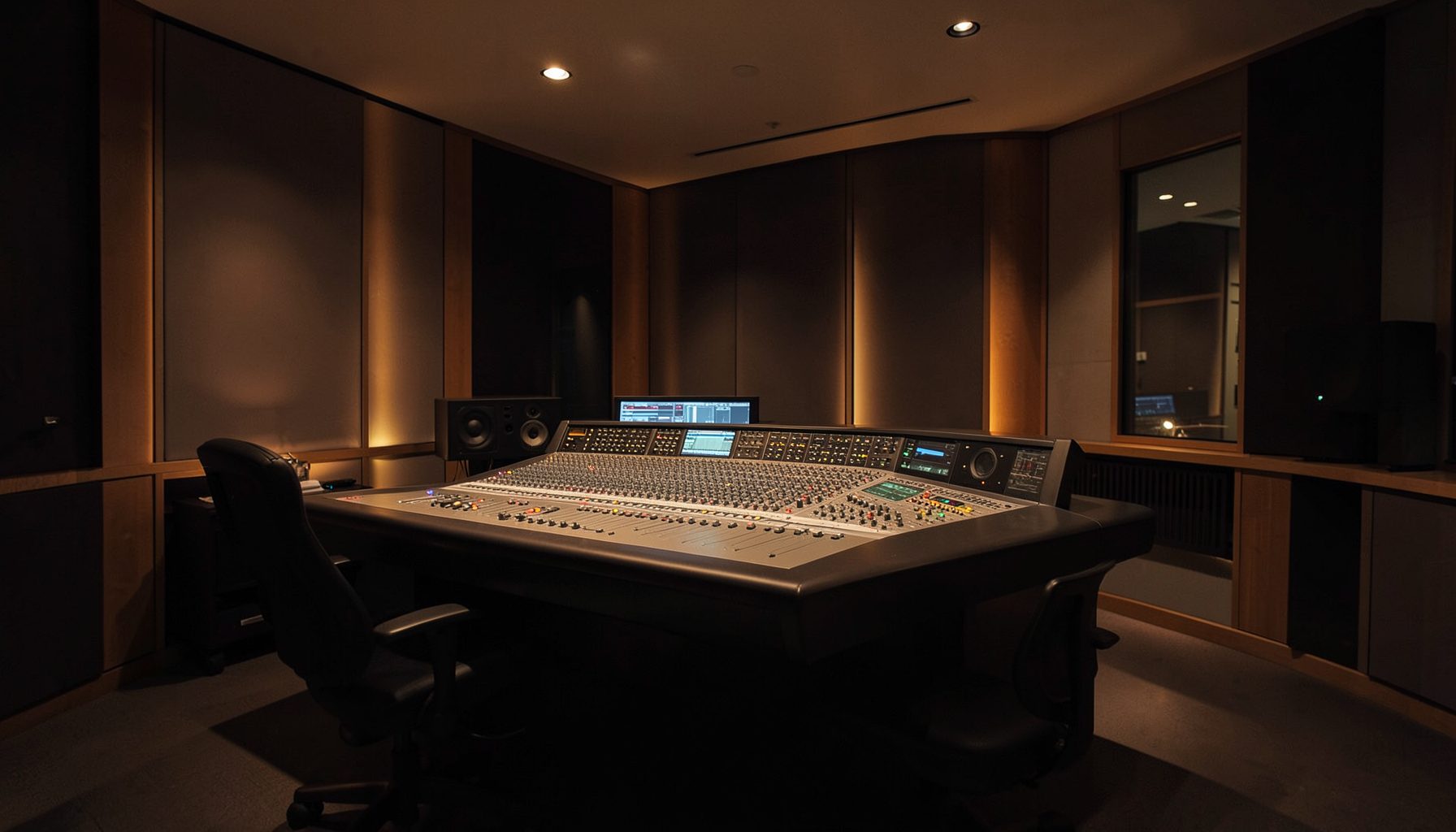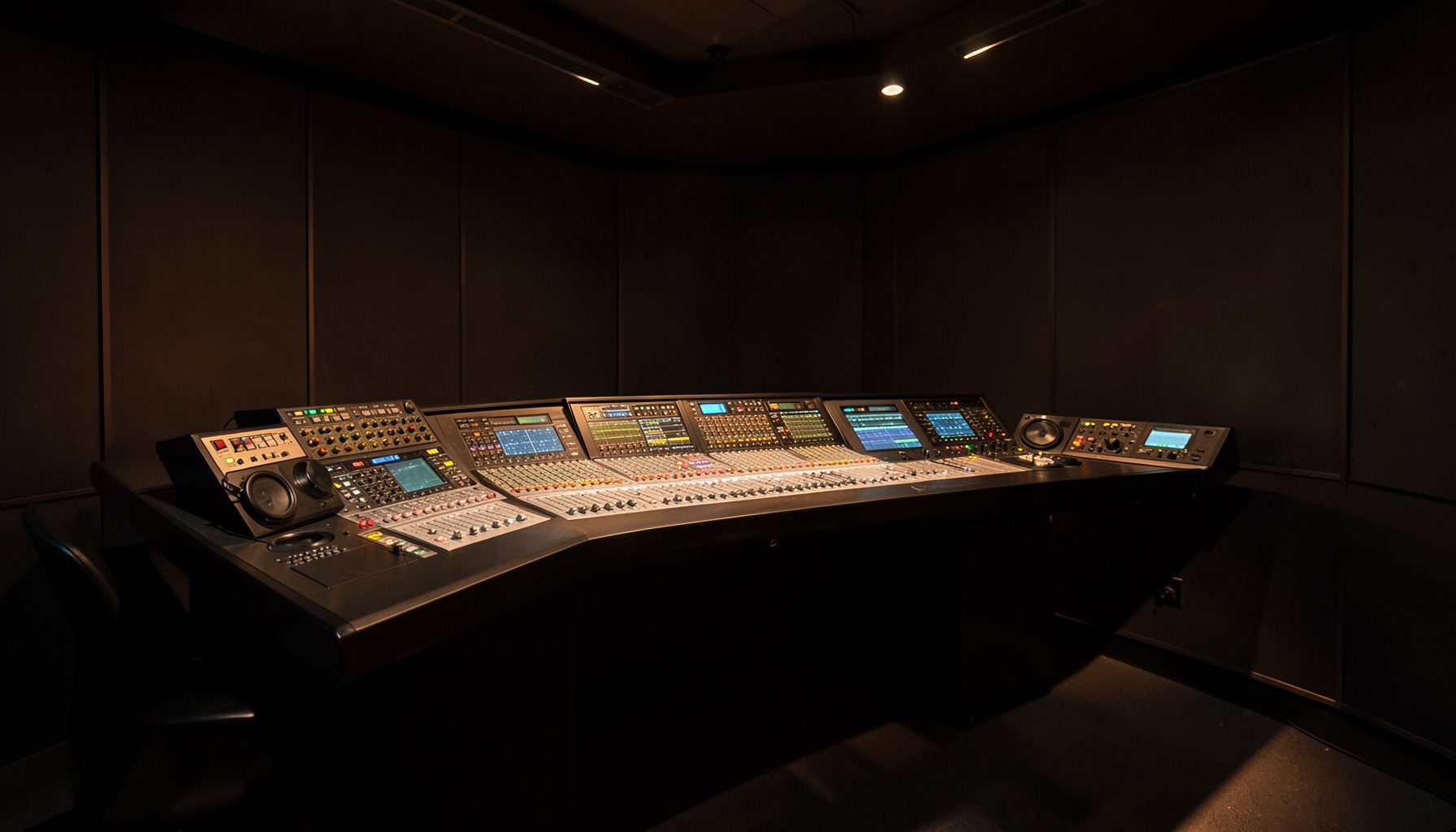
VisTool web dashboard for remote studio control
Radio teams are no longer tied to a single control room. Producers may be working from home, talent can be connecting from a second site, and engineers may need to check a studio before travelling across town. VisTool’s web dashboard supports this distributed model by giving authorised users a visual way to monitor and control compatible Lawo systems through a networked interface.
The approach fits Lawo’s wider software-defined broadcast environment. VisTool can work alongside Ruby mixing consoles, Power Core audio nodes and other elements of a Broadcast 3.0 workflow, helping operators see important states and make controlled changes without standing beside the rack or console.
For Australian broadcasters, that flexibility has practical value. A Sydney newsroom, a Melbourne production room and a regional Queensland studio may all need consistent oversight, while long distances and lean engineering teams make every unnecessary trip costly. A well-designed remote dashboard can make everyday support more manageable without turning remote access into an uncontrolled free-for-all.
A clear view of the studio
A dashboard brings selected operational information into one screen. Depending on the system design, that view may include channel states, levels, source selections, routing information, device status and control surfaces for common tasks. The aim is to present the details that matter to an operator, rather than expose every underlying configuration parameter.
VisTool is valuable because the interface can be tailored to a station’s workflow. A breakfast producer may need a simple source and monitoring page, while an engineer may require access to signal paths, alarms and hardware status. Different user views can reduce clutter and help each person act quickly during a live programme.
Remote control without losing context
Remote operation works best when users understand what the studio is doing before they change it. Visual feedback can show whether a microphone is live, a route is active or a source has failed. That context helps prevent a well-intended adjustment from creating silence, feedback or an incorrect contribution feed.
The dashboard can also support repeatable procedures. An operator might select a backup source, change a monitoring destination or check a studio’s readiness from another location. For larger networks, consistent screens and labels make it easier for staff to move between sites without learning an entirely different control method each time.
Supporting Australian broadcast operations
Australia’s geography makes remote visibility especially useful. A network may have a main facility in Sydney or Melbourne, transmitters and studios spread through New South Wales, or a regional operation serving communities far from the nearest broadcast engineer. Checking conditions remotely can save hours of travel when the issue is a setting rather than a failed component.
Local working habits matter too. A producer who says, “Can you check the backup feed before the arvo show?” needs a direct answer, not a long chain of technical screens. During summer storms, bushfire coverage or a last-minute outside broadcast, an engineer can use a dashboard to assess available paths and coordinate changes while keeping the primary studio focused on air.
Working with Lawo’s networked ecosystem
VisTool makes most sense as part of a connected Lawo environment rather than as an isolated browser tool. Ruby consoles provide operator control, while Power Core can handle audio processing, routing and I/O in a networked infrastructure. VisTool can then provide graphical control points suited to production, engineering and monitoring requirements.
This separation between audio infrastructure and user interface can help stations evolve gradually. A facility might retain familiar console operation while adding remote status pages for engineering staff. It can also support wider workflows involving post-production, live performance or theatrical applications, where different teams need access to carefully defined controls.
| Operational need | Dashboard contribution | Practical value |
|---|---|---|
| Studio readiness | Displays key sources, routes and device states | Faster checks before going live |
| Remote fault response | Provides selected controls and status feedback | Less travel for simple interventions |
| Multi-site consistency | Uses common layouts and naming conventions | Easier support across facilities |
| Role-based operation | Presents different pages to different users | Lower risk of accidental changes |
| Networked audio management | Works with compatible Lawo infrastructure | Better visibility across the workflow |
Security and network design
Remote monitoring should be planned as an engineering service, not treated as an open web page. Access permissions, secure network paths, user authentication and sensible separation between production and management traffic are essential. Stations should decide which controls are safe to expose remotely and which should remain local.
Reliability also depends on the network between the user and the facility. A dashboard can show the current state, but a delayed connection may make rapid control risky. Clear status indicators, audit practices and local fallback procedures help operators recognise when a page is stale or a remote action has not completed.
Useful for lean technical teams
Many Australian stations operate with compact technical departments. One engineer may support several programmes, studios or transmitters, sometimes across a wide territory. A web-based monitoring interface gives that person a consolidated view and can make routine checks possible from the office, home or another approved location.
The same principle helps when staff are covering leave or supporting a live event. Remote broadcast tools such as RƎLAY virtual radio extend the wider conversation around flexible production, while VisTool focuses on the graphical supervision and control of connected studio resources. Used together, these capabilities can support a more distributed operating model.
Designing pages people will actually use
A useful dashboard starts with operational priorities. Pages should group related controls, use familiar station terminology and make dangerous actions distinct from routine selections. Large, readable status indicators are particularly important when someone is checking a facility on a laptop rather than sitting at a large engineering monitor.
Implementation should include testing with real operators. A technical designer may understand every route, but a presenter or producer needs immediate answers to simpler questions: Is the studio ready? Which source is on air? Is the backup available? For a discussion of suitable deployment requirements and system options, broadcasters can contact Lawo’s team.
VisTool’s web dashboard is most effective when it gives the right people the right amount of control. Define the essential checks, protect access, test the workflow under Australian network conditions and keep a local operating path available. That turns remote studio monitoring from a convenience into a practical part of dependable broadcast engineering.