RƎLAY and the New Architecture of Remote Radio
Remote broadcasting has moved beyond the traditional studio. Presenters, producers, reporters, and guests may work from different cities while audiences still expect a polished, immediate, and consistent program. This shift requires more than a reliable connection: it calls for a workflow that unifies audio, collaboration, monitoring, and control.
Lawo’s RƎLAY virtual radio tools address this requirement through software-based production capabilities designed for distributed teams. By moving essential radio functions into flexible virtual environments, broadcasters can create, manage, and deliver content without tying every task to a single physical console or location.
The result is a more adaptable approach to live radio, podcast production, outside broadcasts, and hybrid studio operations. RƎLAY fits within Lawo’s broader Broadcast 3.0 ecosystem, where networked infrastructure and software-defined production support efficient, scalable workflows.
Virtual production without a fixed studio
A remote radio setup needs to preserve the speed and familiarity of a conventional control room. Producers must be able to manage sources, coordinate presenters, monitor contributions, and make rapid changes while working across geographically separated locations. RƎLAY provides a foundation for these tasks through virtual tools that can be accessed as part of a connected production environment.
This model reduces dependence on dedicated hardware at every contributor’s location. A central team can coordinate shows while presenters work from home studios, offices, event venues, or temporary facilities. The workflow can also support pop-up channels and special coverage without requiring a complete permanent installation.
A connected workflow for distributed teams
Remote broadcasting becomes more practical when communication and production are treated as one workflow. RƎLAY tools can help connect presenters, producers, guests, and technical staff through a shared operational structure, making it easier to move from planning to live transmission.
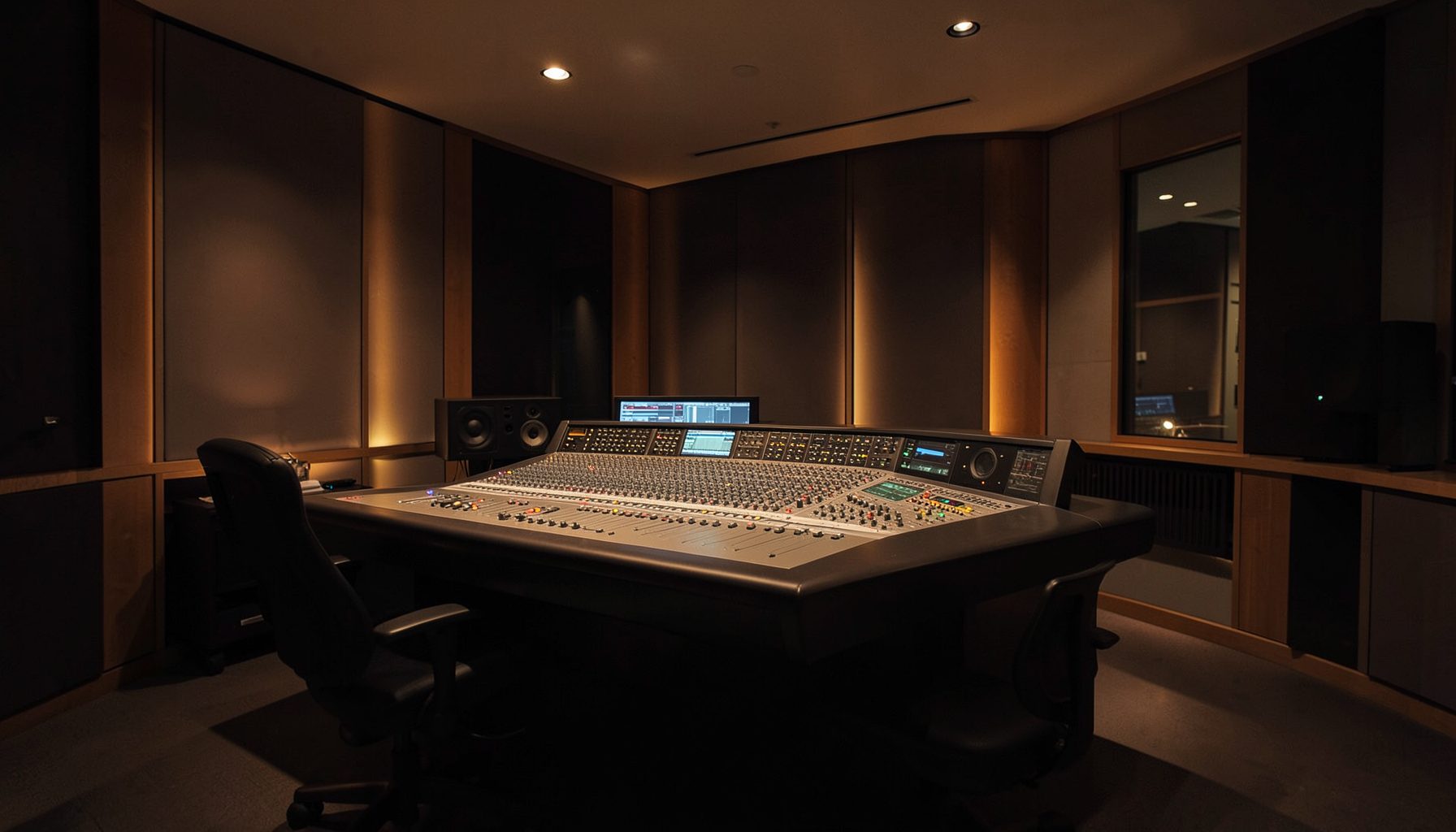
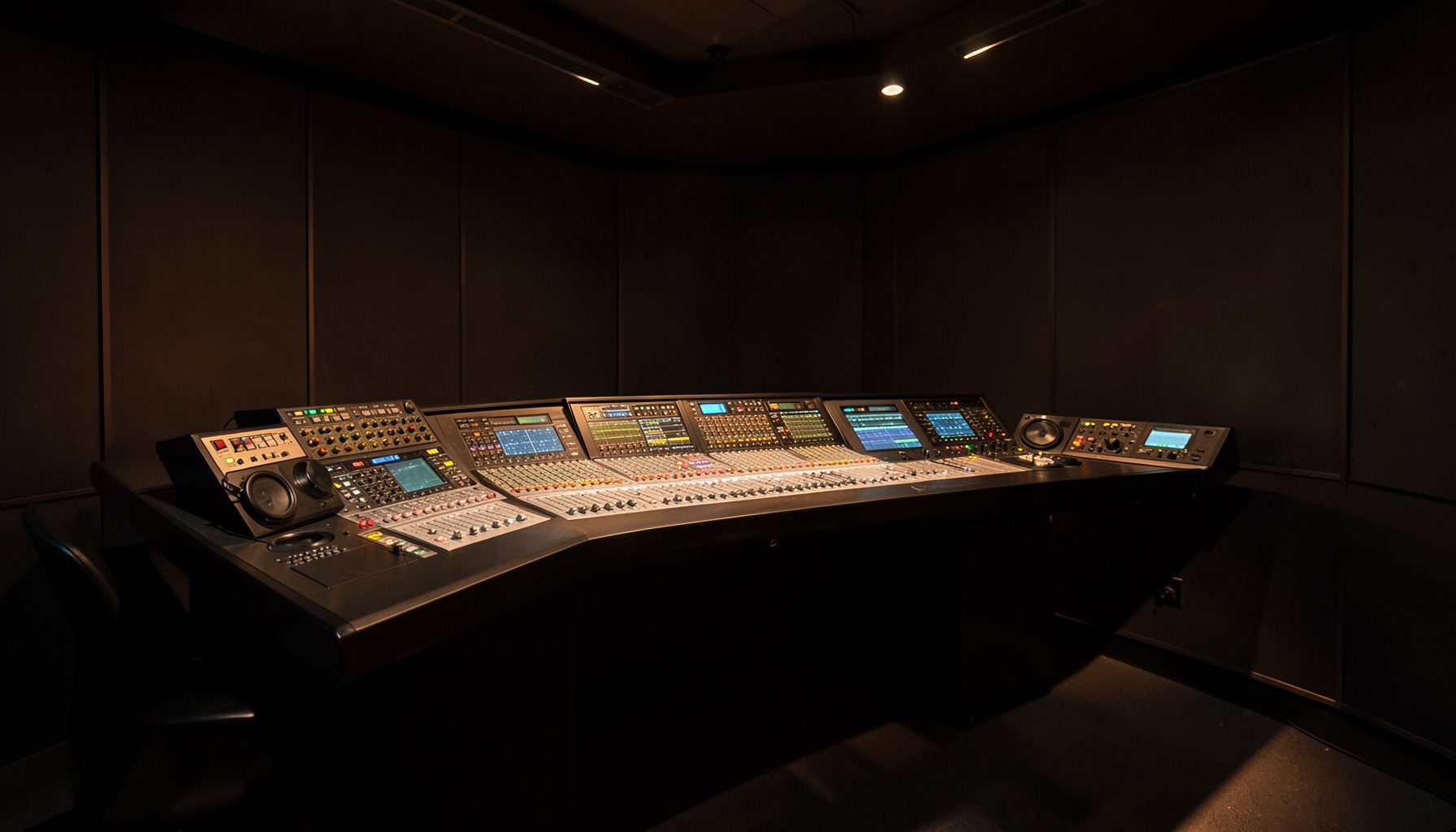
Integration with Lawo’s networked audio technology adds further flexibility. Power Core can provide audio processing and routing resources, while Ruby consoles offer a familiar physical control surface where an operator needs tactile access. VisTool can extend studio control and monitoring through customizable software interfaces, allowing teams to shape the user experience around each program.
This combination gives broadcasters choices rather than forcing every production into the same technical model. A small station may use a compact software-led workflow, while a larger network can combine virtual tools, physical consoles, central processing, and remote contribution points.
Consistent audio across locations
Audio quality is one of the main tests of a remote radio operation. Different microphones, rooms, network conditions, and operator habits can create noticeable variations between contributors. A professional virtual radio platform therefore needs to support consistent signal handling, monitoring, and production control.
RƎLAY can form part of a workflow in which audio sources are managed centrally and presented consistently to the audience. Producers can coordinate feeds, apply the required processing, and maintain a coherent program sound even when guests or presenters are not in the same room.
Automation can also reduce repetitive workload during busy shows. Lawo’s AutoMix workflow helps manage microphone levels in spoken-word environments, supporting clearer conversations and reducing the need for constant manual adjustment. Used thoughtfully, this can give operators more time to focus on editorial decisions and live event timing.
| Capability | Remote broadcasting benefit | Typical use |
|---|---|---|
| Virtual production tools | Enables distributed control and contribution | Home studios, remote presenters, pop-up channels |
| Networked audio processing | Centralizes routing and signal management | Multi-studio operations and shared facilities |
| Software control interfaces | Provides adaptable access to production functions | Monitoring, configuration, and operator workstations |
| Physical console integration | Preserves tactile control where needed | Live shows, newsrooms, and high-pressure productions |
| Microphone automation | Supports stable speech levels | Interviews, panel discussions, and talk radio |
Scaling from a single show to a network
Remote broadcasting capabilities become especially valuable when a station expands its output. A virtual workflow can help support additional channels, temporary programs, regional windows, or branded digital streams without replicating an entire studio at every site.
Because the production model is software-oriented, resources can be assigned according to operational demand. A broadcaster might create a lightweight configuration for a reporter in the field, a more comprehensive setup for a remote presenter, and a central control environment for a networked live event.
This scalability can also support business continuity. If a primary studio becomes unavailable, teams may be able to continue production from another location using distributed access and centralized resources. Remote operations are therefore useful for everyday flexibility as well as emergency preparedness.
Supporting live, hybrid, and post-production work
The value of RƎLAY extends beyond standard radio playout. News coverage, sports updates, cultural events, branded content, and podcast recording all benefit from workflows that connect contributors without requiring them to share a physical room.
A hybrid production may combine a studio host, a remote correspondent, several online guests, and audio from a venue. Managing these elements through an integrated networked environment can simplify routing and reduce the number of separate systems operators must monitor.
The same infrastructure can support post-production activities after the live broadcast. Recorded interviews and event segments can move into editing, review, and repurposing workflows without being isolated from the wider production environment. This helps broadcasters extract more value from each piece of content.
Practical priorities for deployment
Technology alone does not create an effective remote studio. Broadcasters should design the workflow around the people who will use it, the programs they produce, and the reliability their audience expects. Clear operating procedures, dependable connectivity, and suitable monitoring remain essential.
A phased deployment can make adoption easier. Begin with a defined use case, measure how it affects production time and audio consistency, then extend the model to additional teams or locations. Training should cover both daily operation and fallback procedures so remote staff can act confidently during live transmission.
Useful priorities include:
- Define which production tasks should be virtual, centralized, or handled locally.
- Standardize microphones, monitoring, connectivity, and contributor instructions.
- Build routing and control templates for recurring shows and remote locations.
- Test backup communication and transmission paths before live deployment.
- Track operator workload, audio consistency, and setup time after implementation.
RƎLAY represents a shift from the studio as a room to the studio as a connected production capability. By combining virtual radio tools with Lawo’s networked audio, control, and processing ecosystem, broadcasters can create more resilient operations while giving teams greater freedom over where and how they work.
Explore how a software-led remote workflow could fit your station, network, or production team, and evaluate RƎLAY alongside the Lawo technologies that can turn distributed broadcasting into a dependable daily operation.