Designing custom Ruby fader layers with VisTool
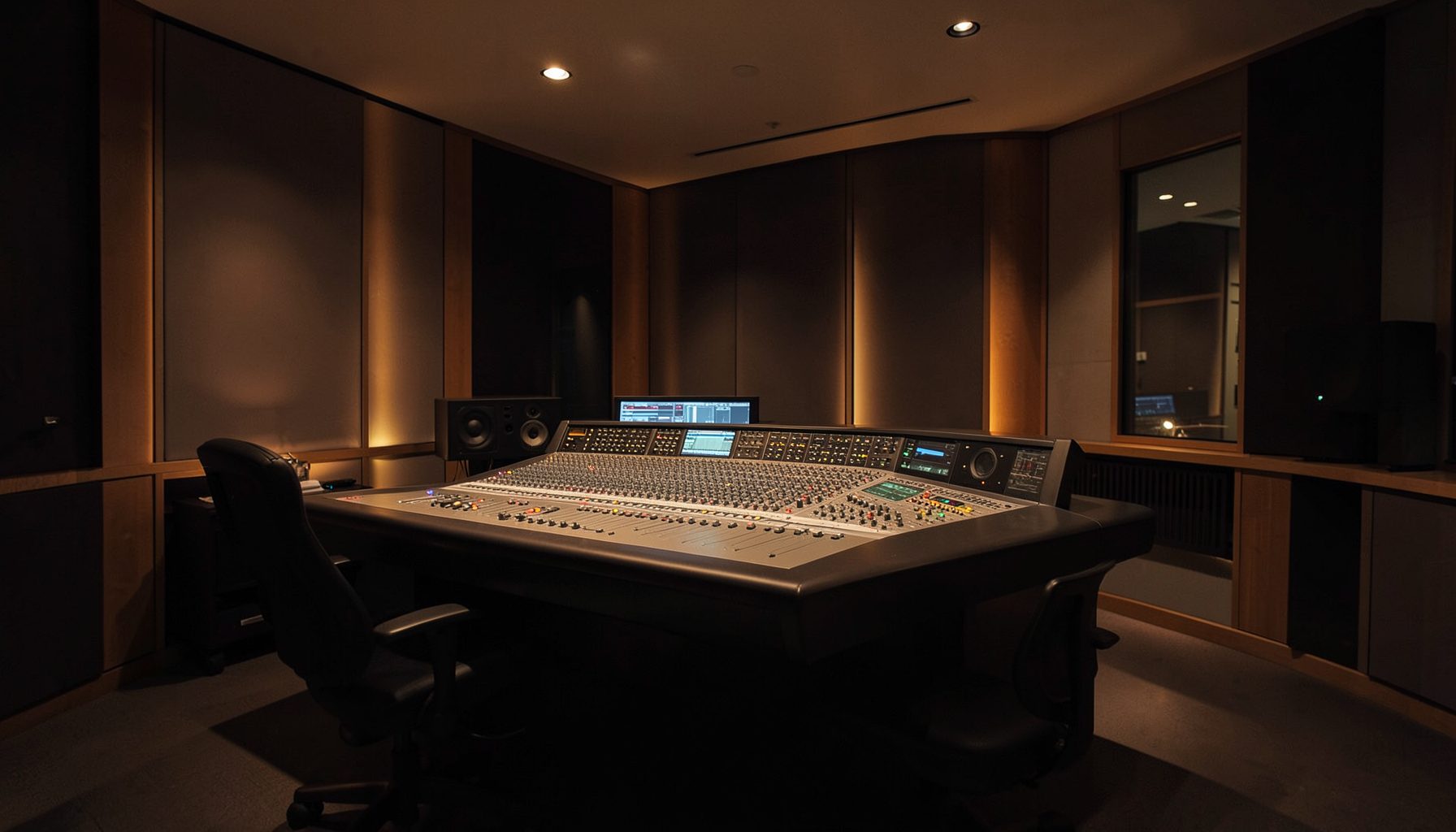
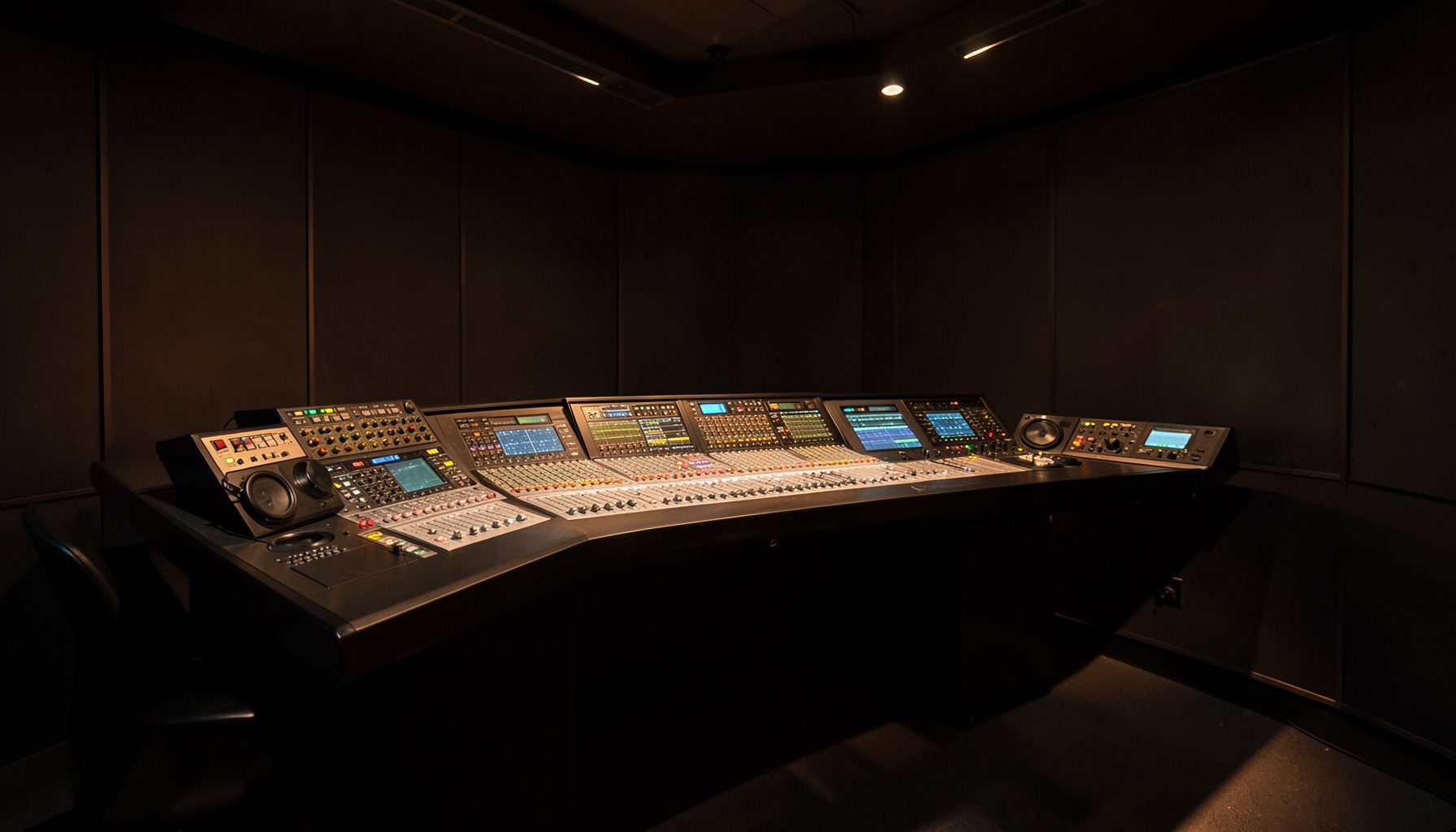
VisTool’s graphical editor for designing custom fader layers in Ruby gives radio teams a practical way to shape the console around real studio work. Instead of forcing every operator into the same channel arrangement, the interface can present the sources, controls and shortcuts needed for a particular programme, presenter or production style.
That flexibility suits Australian broadcasters working across metro stations, regional networks and outside broadcasts. A breakfast producer in Sydney may need fast access to phone callers and branded imaging, while a community station in regional Queensland may prioritise microphones, playout and remote contribution sources. VisTool helps both workflows live on the same Ruby platform.
Building a layer around the operator
A fader layer is best understood as an operational view of the Ruby system. It can bring related channels together, place frequently used sources within easy reach and reduce the need to search across a large console. The physical surface remains powerful, but the software-defined layout determines what an operator sees at a particular moment.
VisTool’s graphical editor supports this design process visually. Engineers can arrange faders, meters, buttons and control elements, then create a layout that reflects the station’s signal flow. A presenter might receive a simplified view for live announcing, while a producer or technical director can use a more detailed layer with routing, monitoring and processing controls.
Designing for fast radio decisions
Radio operation is full of small decisions made quickly: taking a caller to air, fading a music bed, opening a remote guest or sending a clean feed to a studio monitor. Custom fader layers can group these functions logically, so the operator spends less time navigating menus and more time listening to the programme.
For an Australian breakfast show, a useful layer might place the host microphone, co-host microphone, studio guest, phone hybrid, codec return and music sources in one compact arrangement. A separate production layer could expose voice tracking, news feeds, commercial playback and talkback. Using familiar labels and consistent colour conventions also helps casual operators settle in for an arvo shift without extensive retraining.
Connecting layers to a networked workflow
Ruby is designed for networked production, and custom layouts become more valuable when audio sources are distributed across a facility. Power Core nodes, studio infrastructure and software-based sources can be managed as part of a wider Lawo workflow. The console surface then becomes an operational control point rather than a fixed collection of locally wired inputs.
This approach can support centralised production for stations in Melbourne, Brisbane and smaller regional markets. A network engineer may maintain shared templates while each studio receives a role-specific arrangement. VisTool can help present consistent control concepts across sites, even when the underlying sources or local responsibilities differ.
Extending control beyond the main console
A custom fader layout does not have to serve only one person at one desk. A producer’s screen, a technical operator’s console and a backup workstation can each show the controls relevant to their responsibilities. This separation can make busy live shows easier to coordinate, particularly when a programme combines studio talent, remote guests and automated playout.
The wider ecosystem can also include virtual and remote tools. For stations managing distributed presenters or contribution sources, RƎLAY VRX tools can complement a Ruby-based control environment by supporting virtual radio workflows. The result is a more adaptable production chain for local broadcasts, network links and occasional outside events.
Planning a reliable operator experience
Good layer design starts with a clear inventory of sources and actions. Engineers should identify which faders are essential, which controls need permanent visibility and which functions can sit on a secondary page. Grouping by task—such as microphones, playout, callers, remote guests and monitoring—usually creates a more useful result than grouping only by technical origin.
Testing should take place during realistic programme conditions. A layout that looks tidy in an engineering session may feel cramped during a live interview or a fast-paced music segue. The same principle applies to advanced processing. Lawo’s AutoMix theatrical case study illustrates how intelligent mixing concepts can support demanding live sound environments, while radio teams can apply the broader lesson of keeping control clear and repeatable.
| Workflow need | Custom Ruby layer with VisTool | Fixed console arrangement |
|---|---|---|
| Presenter access | Shows only the controls needed for a programme | May expose many unused channels |
| Programme changes | Layouts can be adapted for different shows | Physical arrangement may stay unchanged |
| Networked sources | Can present distributed resources in one view | Often depends on fixed local wiring |
| Training | Consistent labels and grouped functions simplify handover | Operators must learn a broader surface |
| Technical control | Detailed engineering layers can coexist with simple operator views | One arrangement may serve every role |
A practical implementation can begin with a small number of proven templates: live presentation, production, interview and engineering. Naming conventions should be consistent across every layer, and critical controls should appear in predictable positions. That matters when a relief operator moves between studios or when a regional team links into a networked programme at short notice.
Custom fader layers work best when they reflect the way people actually make radio. In Ruby, VisTool provides the graphical workspace for turning that operational knowledge into a clear interface: define the task, group the sources, expose the right controls and test the layout under live pressure.