Using RƎLAY to monitor remote studios via private network audio streams
Remote production is now a practical part of radio operations across Australia. A station may have its main control room in Sydney, a presenter working from Melbourne, and a regional studio serving listeners in Queensland or Western Australia. Keeping those locations audible to engineering and production staff requires more than a reliable phone call.
RƎLAY provides a software-based approach to monitoring and managing audio from distributed facilities. When studio feeds travel across a private network, authorised operators can listen to programme, presenter, talkback, and confidence sources without treating every location as an isolated technical island.
This model suits broadcasters moving towards networked production, shared studios, and flexible staffing. It can support local breakfast shows, networked afternoon programming, sports coverage, and live inserts while preserving the operational visibility needed in a busy broadcast environment.
The key is to design monitoring around useful signals rather than simply making every source available. Clear naming, predictable routing, controlled access, and sensible alerting help Australian stations manage distance, time-zone differences, and the variable performance of links between metropolitan and regional sites.
Building a private audio path
A private network audio stream should begin with a defined signal plan. Typical sources include the main programme bus, clean feed, presenter microphone, guest return, studio mix-minus, and an off-air or transmission monitor. Each stream should have a clear purpose and an identified owner.
RƎLAY can sit within this wider IP audio workflow as a virtual radio tool for accessing and working with remote sources. The RƎLAY VRX platform can be considered alongside the station’s network architecture, security policies, and operator requirements rather than as a replacement for careful engineering design.
Private connectivity may use a managed WAN, protected fibre service, or a secured connection between approved sites. A station in Sydney connecting to a Melbourne production hub may have different delay and resilience requirements from a regional service linking Brisbane with a remote Queensland studio, so the network path should be tested under realistic operating conditions.
Making remote monitoring useful
Monitoring works best when operators can quickly identify what they are hearing. Consistent labels such as “MEL Programme,” “BNE Presenter,” or “PERTH Clean Feed” reduce mistakes during a live handover. Labels should remain stable across consoles, software panels, and engineering documentation.
The listening experience also needs context. An operator should be able to compare the remote studio feed with the network return, hear whether a presenter is receiving the correct mix-minus, and detect silence, distortion, clipping, or unwanted background noise. A short delay is acceptable when its purpose is understood; an unexplained delay can lead to incorrect decisions.
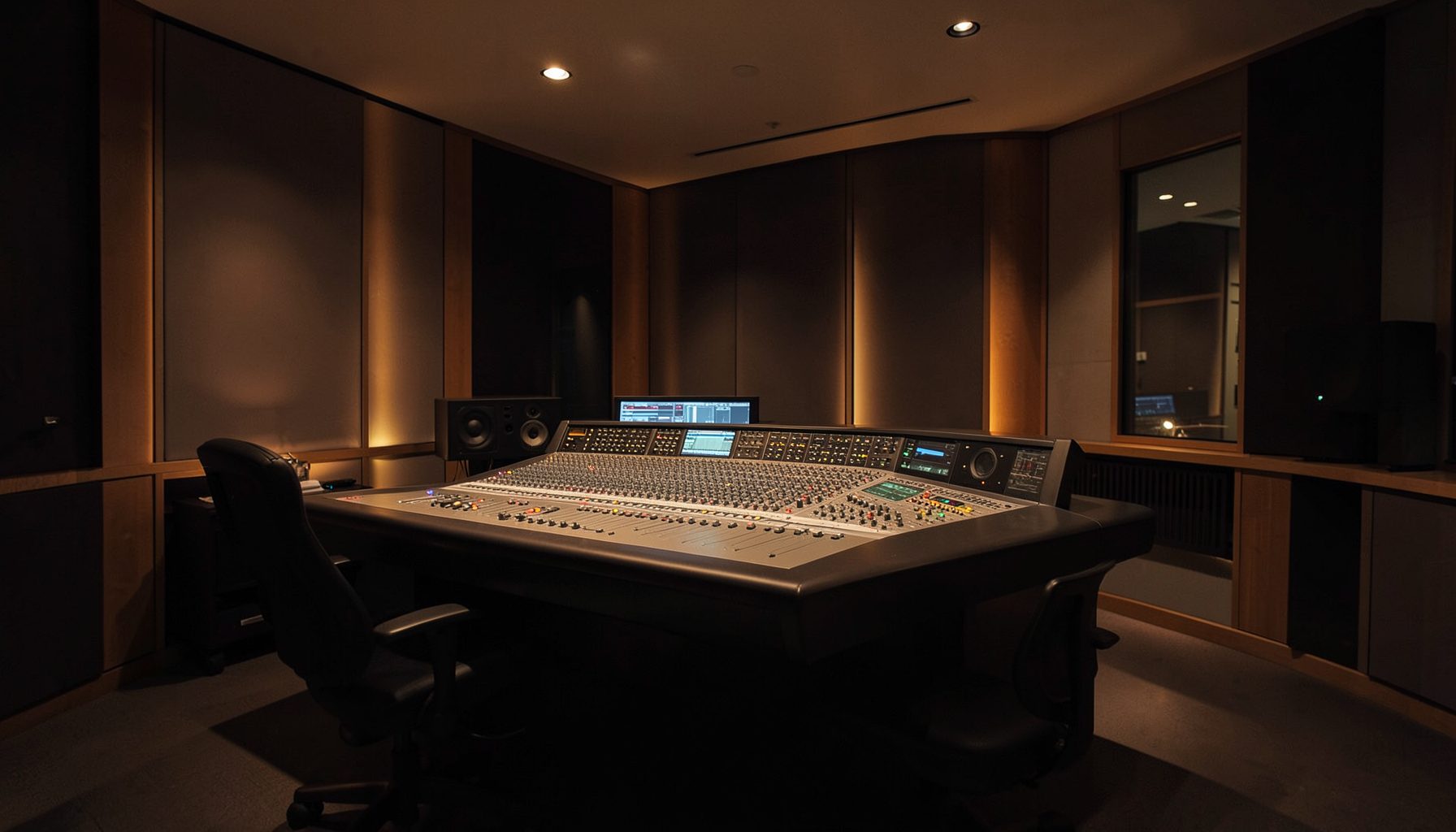
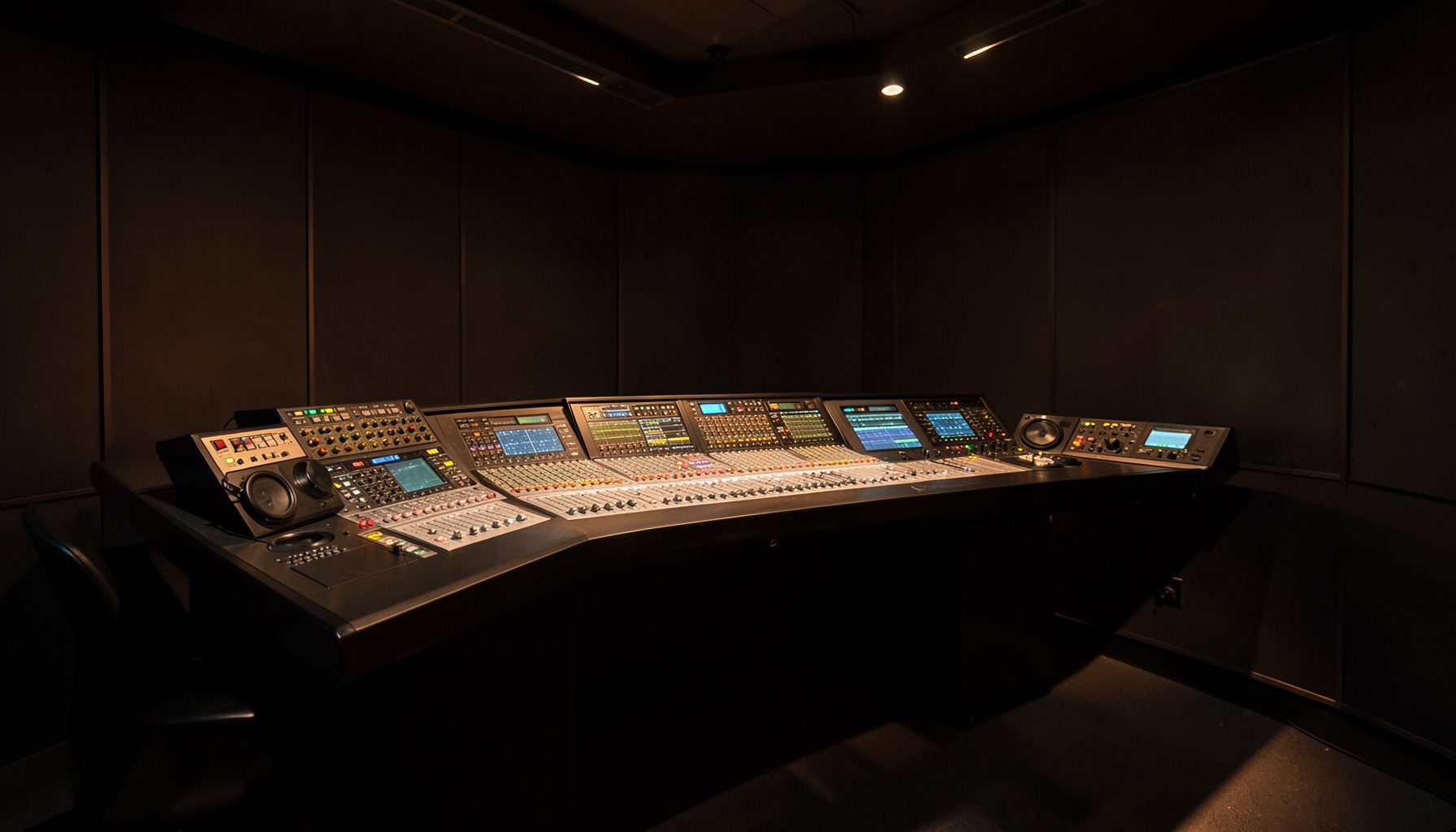
VisTool can complement this approach where a graphical control surface is useful. Its multi-touch control features can help operators manage faders and equalisation through an intuitive interface, particularly when several remote sources must be reviewed without opening a full physical console position.
Comparing monitoring approaches
Different stations will choose different methods according to scale, staffing, and existing infrastructure. The important distinction is whether the method gives engineers dependable access to the actual broadcast paths and whether it can be operated safely during a live programme.
| Monitoring method | Strengths | Limitations | Suitable use |
|---|---|---|---|
| Private network audio streams | Low-friction access, consistent routing, centralised oversight | Requires network planning and security controls | Multi-site radio groups and shared facilities |
| Point-to-point intercom | Direct communication and quick fault discussion | Not a substitute for programme-quality monitoring | Coordination between presenters and operators |
| Public video or audio calls | Easy to deploy and familiar to staff | Variable quality, privacy concerns, limited routing control | Temporary contribution or informal checks |
| Local recorder review | Useful evidence for troubleshooting | Does not provide live awareness | Post-event fault analysis and compliance review |
For an Australian network with stations operating across AEST, ACST, and AWST, central monitoring can also simplify support outside normal office hours. A late-night engineer in Melbourne may need to verify a feed from Perth without asking local staff to change routing or open a separate application.
Managing resilience and security
A private network does not remove the need for resilience. Primary and secondary paths should be considered for important sources, especially during breakfast, drive, live sport, election coverage, and major public events. Local fallback audio, a defined failover route, and clear escalation procedures can prevent a network fault from becoming an on-air incident.
Access control is equally important. Remote monitoring tools should use named accounts, appropriate permissions, secure authentication, and documented administrative access. A presenter may need to hear a return feed, while an engineer may need to inspect routing or change a source. Separating those roles reduces accidental changes during production.
Audio quality should be assessed with the whole chain in mind. Codec settings, packet loss, jitter, clocking, and buffering all influence what the operator hears. Network measurements should be taken at busy times as well as during quiet periods, because a private service that performs well overnight may behave differently during daytime traffic.
Turning monitoring into an operating habit
A successful remote studio workflow depends on routine. Engineers should maintain a source list, review labels after system changes, test failover paths, and document what each operator is expected to monitor. Presenters should know which return they are receiving and how to report a missing or degraded feed.
The same disciplined approach applies when assessing unrelated technical systems: useful results come from tracking inputs, conditions, and changes rather than relying on a single observation. The principles behind nutrient uptake offer a useful comparison: measurable conditions and consistent monitoring make it easier to understand why a system performs differently over time.
For Australian broadcasters, RƎLAY-based monitoring can make distributed production more visible without forcing every location into the same physical layout. The practical takeaway is to map the critical audio paths, carry them over a secured private network, label them consistently, and test both normal and fallback operation before relying on them during live radio.