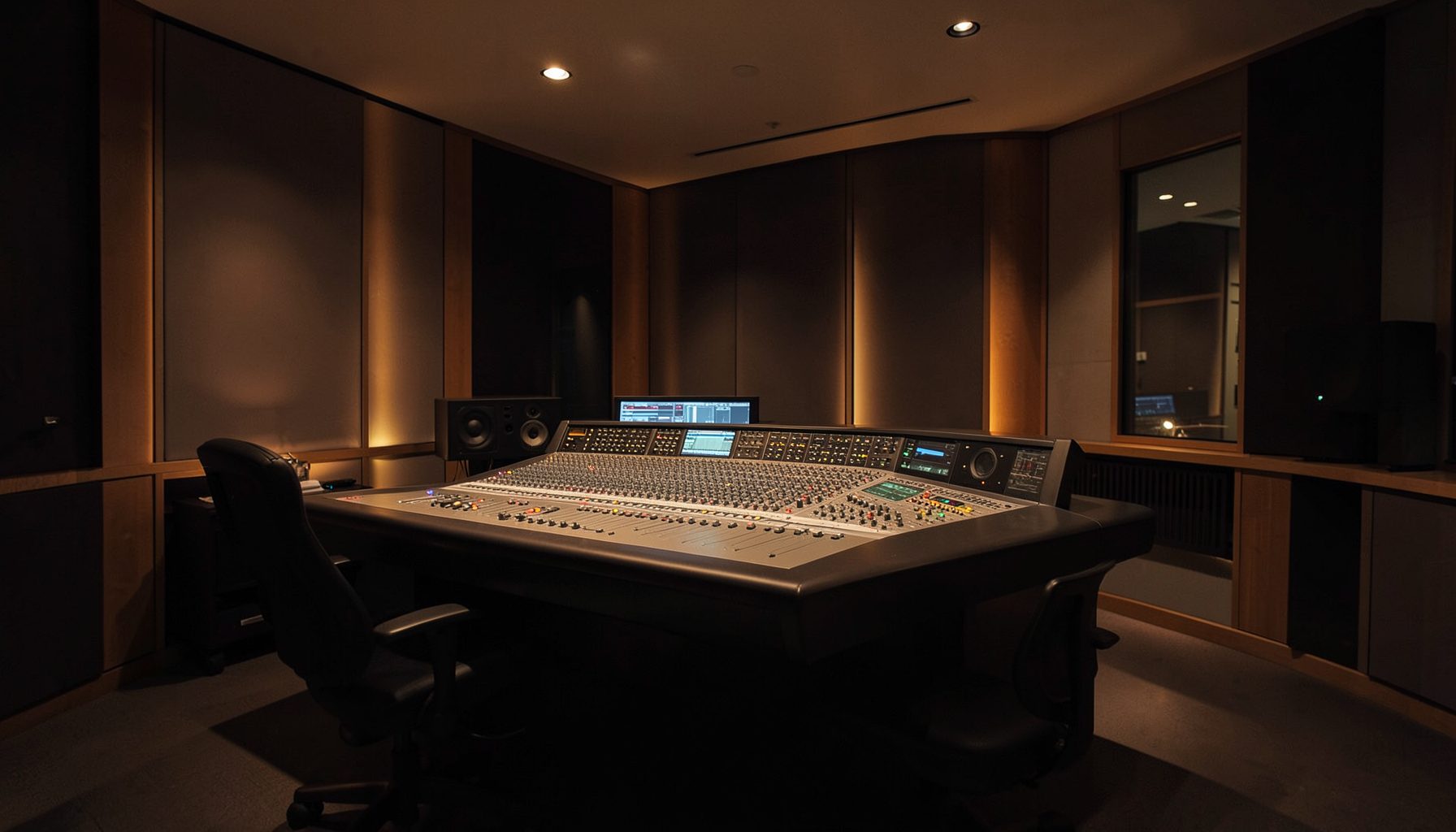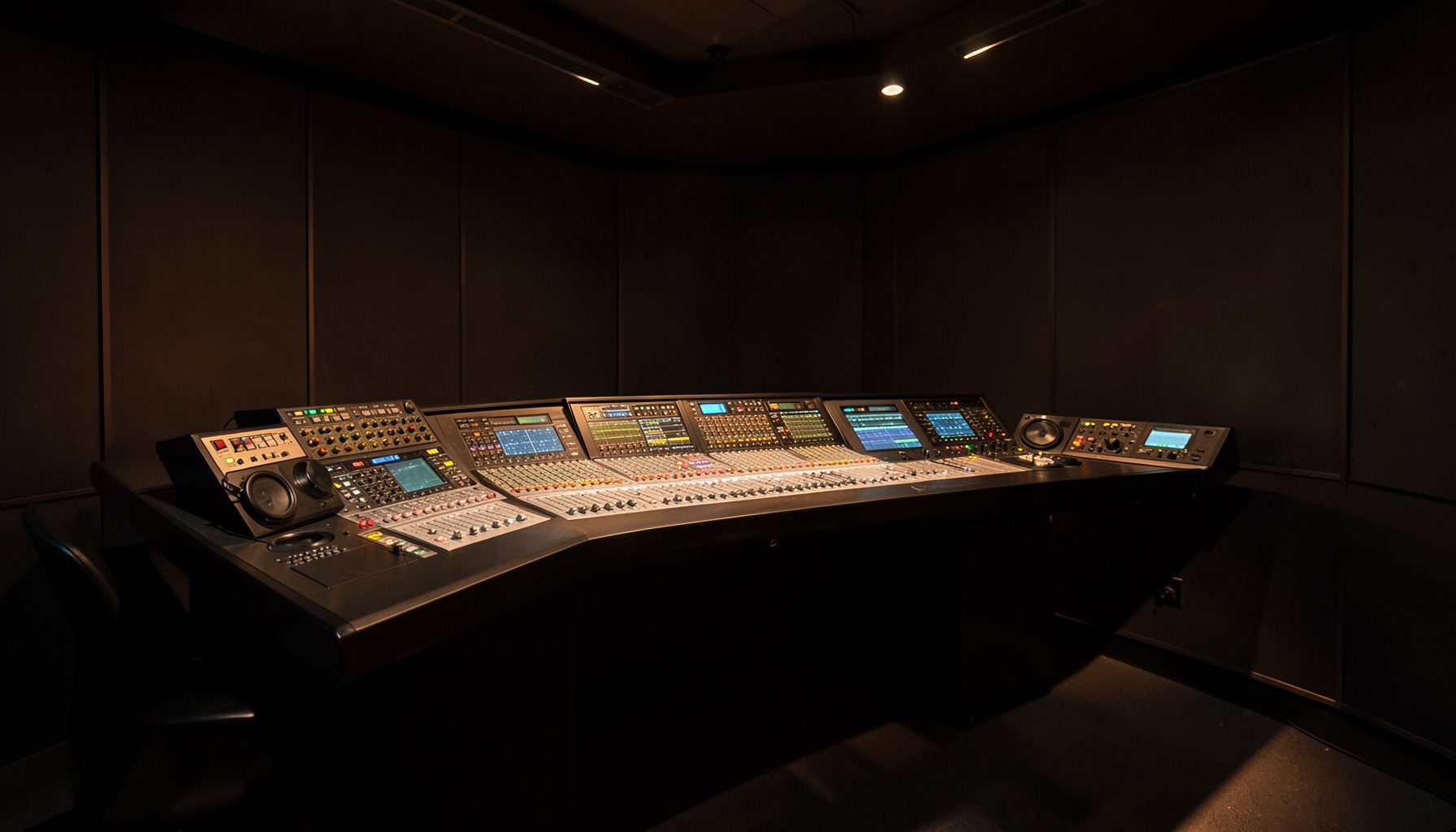
Ember+ and the future of remote broadcast control with Lawo
For radio networks spread across a continent as vast as Australia, adjusting faders, routing audio and monitoring signals from hundreds of kilometres away is no longer unusual. Ember+, an open control protocol from the EBU, has quietly become a backbone for broadcasters who want studios, mixers and processing nodes to behave as one system, even when they sit in different time zones.
Lawo has woven Ember+ support into its broadcast portfolio. Power Core engines, Ruby consoles, RƎLAY virtual tools and VisTool panels all expose parameters that can be read or adjusted by external systems. A control room in Sydney can supervise a regional hub in Geelong or a remote kit in Kununurra without dispatching an engineer to each site.
What Ember+ brings to modern broadcast workflows
Ember+ is a lightweight, hierarchical control protocol that uses HTTP-style messaging to expose device parameters. It rides on standard IP networks, which suits the redundant, software-defined infrastructure that broadcasters in Adelaide, Brisbane and Hobart have adopted over the past decade. Because the protocol is open, any compliant controller, dashboard or automation platform can talk to a Lawo device without proprietary bridges.
The protocol's tree-based structure mirrors how engineers think about a broadcast chain. Inputs, mix busses, processing blocks and GPIO lines can each be addressed as nodes, and their parameters queried or set with a single command. This clarity cuts the amount of bespoke scripting that integration teams in post-production houses would otherwise have to maintain.
Inside Lawo's networked control architecture
At the heart of Lawo's approach is the idea that a console surface should not be the only way to drive a mixing engine. Power Core handles audio routing and DSP, while Ruby consoles, VisTool panels and RƎLAY clients act as remote ends. Ember+ lets a broadcast controller, an automation system or a custom dashboard peer into the engine and modify settings on the fly.
In practice, a station in Darwin can hand off a live sports broadcast to a sister station in Canberra without anyone touching the physical faders. The handover is driven by commands across the network, and operators see consistent metering and labelling because the same descriptive data travels through the Ember+ tree.
Reaching Australia's most distant studios
Few countries face the geographic challenge of Australia. Maintaining on-site engineering staff in every regional market, from Broome to Burnie, is rarely practical. Ember+ helps networks keep lean teams in capital cities while still serving smaller markets such as Tamworth, Cairns or Whyalla.
A regional station can run an automated playout system in a rack on site, while control, monitoring and basic mixing decisions are made from a centralised NOC in Melbourne or Perth. If something unusual happens, such as a phone line dropping or a microphone failing, the central operator receives the alert through Ember+ and intervenes before listeners notice a disruption.
Mixing consoles in the cloud era
Ruby's modular control surfaces have always been designed for hybrid studios where some functions live in the console and others in software. With Ember+ exposed at the engine level, an operator using RƎLAY on a laptop in a home studio in Newcastle can perform many of the same actions as someone sitting at a Ruby panel in Sydney.
This flexibility suits the way many Australian broadcasters schedule talent. Voice tracking from regional homes, weekend sports commentary from country shows, and after-hours news updates from interstate bureaux can all feed into a shared mixing engine while remaining invisible to the listener. Ember+ keeps metadata, channel names and processing settings coherent across every client.
Live performance and theatrical applications
Outside traditional radio, the same control fabric is used in theatre and live performance. Productions at the Sydney Opera House or the Arts Centre Melbourne rely on wireless microphone mixes that change constantly as actors move. Lawo's AutoMix for drama and theater keeps levels balanced automatically, while Ember+ lets the sound designer pull focus moments, mute channels or trigger scene snapshots from a remote tablet.
This scales from a community hall in Ballarat to a national touring production. The same Ember+ commands that adjust a single fader in a small venue can trigger a complex scene change in a major theatre, with the control surface being nothing more than a browser-based panel.
Comparing control surfaces across the Lawo range
Different Lawo products expose different elements through Ember+, and choosing the right front end depends on the job. The table below maps the typical pairing.
| Product | Primary Location | Ember+ Role | Typical Operator |
|---|---|---|---|
| Power Core | Engine room or rack | Exposes full parameter tree | Centralised engineering |
| Ruby console | On-air studio | Surface plus proxy of Ember+ | On-air presenter |
| RƎLAY | Remote laptop or home | Reads and writes selected params | Voice tracker, remote talent |
| VisTool | Touchscreen panel | Customisable buttons via Ember+ | Assistant producer, jock |
| AutoMix engine | Embedded in Power Core | Automated level node within tree | Theatre sound designer |
The pattern is consistent across the product line. Ember+ is treated as a common language that lets each surface, whether physical or virtual, read the same authoritative parameters from the audio engine underneath.
Building a resilient control layer for tomorrow
Ember+ is not the only protocol a broadcast facility uses, but it is increasingly the glue connecting different vendors, software and physical sites. ACMA-licensed networks across Australia are investing in IP-based studios, and the control layer has to be as flexible as the audio routing underneath it.
The shift toward software-defined workflows means the boundary between an audio device and a control device is becoming harder to draw. A Power Core engine in a Perth rack might be controlled by a Ruby console in Sydney during the day and by a RƎLAY client on a producer's laptop in Adelaide at night, all without anyone reconfiguring the network.
When planning a new facility or refit, the things worth holding onto are simple. Expose every core device through an open, well-documented control protocol. Treat network redundancy as essential for control, not just for audio. And design the operator experience so the same commands feel identical at a console, on a tablet or inside an automation routine, because the listeners will never know the difference.