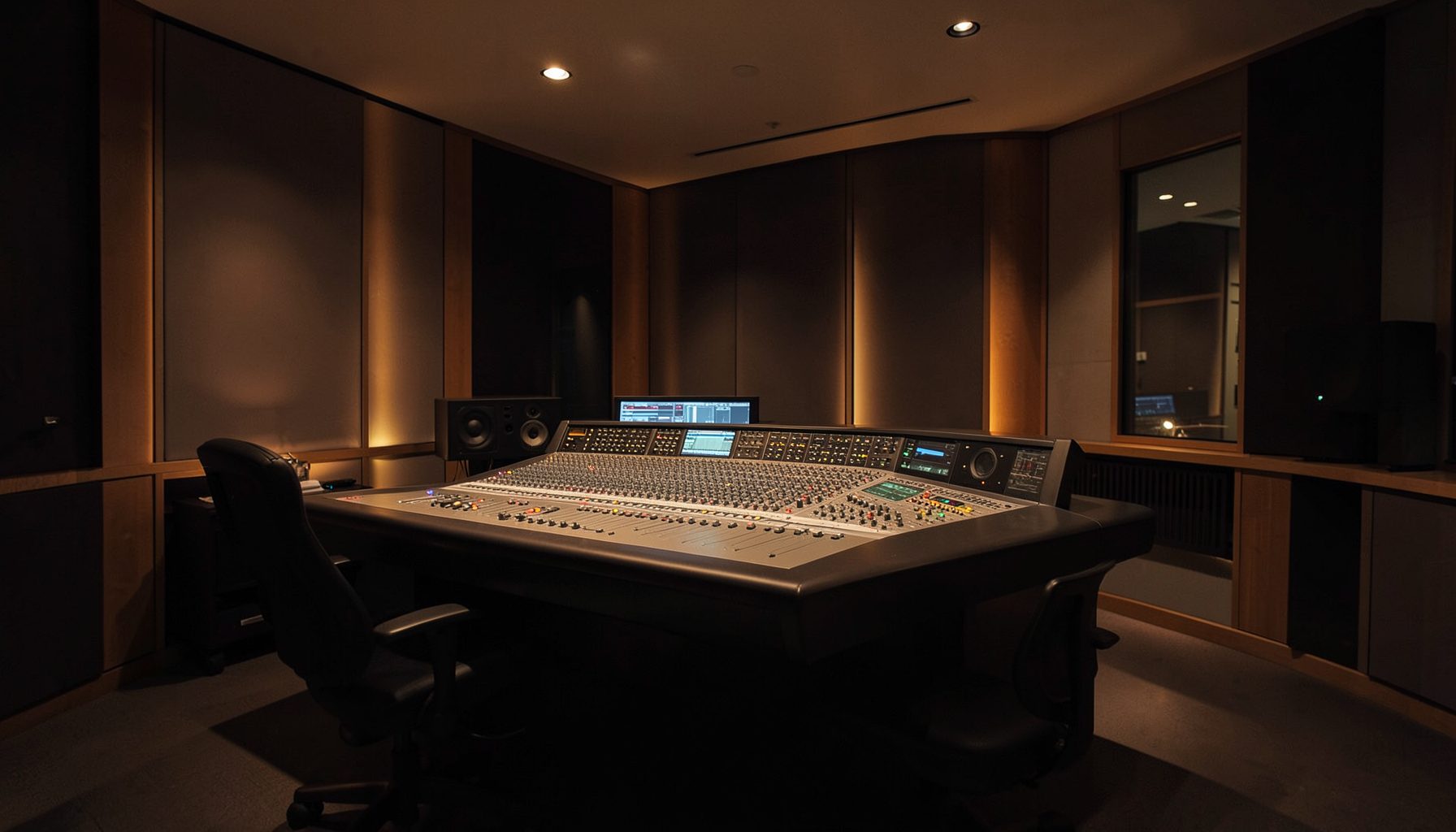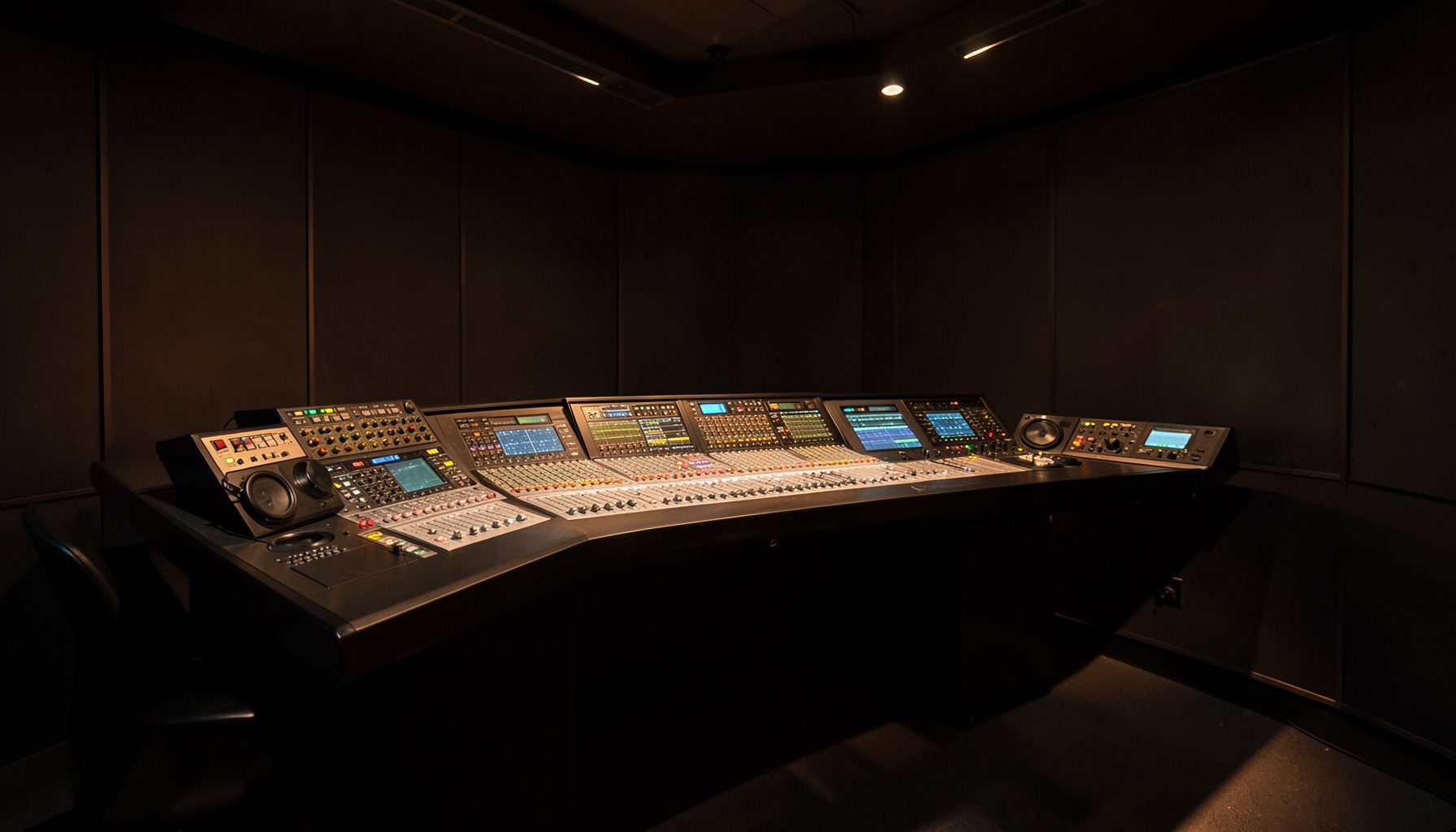
Ruby USB recording for archiving morning show segments
Morning radio moves quickly. A breakfast program may shift from local news and traffic updates to interviews, sponsor reads, weather crosses and listener calls within a single hour. Capturing useful segments while the show is live can be difficult when the studio team is also managing callers, playout, microphones and timing.
Ruby’s on-board USB recording provides a practical way to preserve selected material directly from the mixing console. Producers can create an audio record of a complete program, a key interview or a breaking-news discussion without adding a separate recorder to the studio rack.
For Australian broadcasters, this can be especially valuable during the early shift. A Sydney traffic update, a Melbourne breakfast interview or a regional Queensland community segment may need to be reviewed, reused or supplied to another newsroom before the day becomes busy.
The workflow also suits stations that operate with lean teams. A presenter or producer can mark important moments as they happen, then move the resulting files into the station’s wider storage and production environment after the program.
Why morning segments deserve a dependable archive
A morning show produces content with a short useful life, yet its value can continue after the live broadcast. An interview with a local council representative may support a later bulletin, while a strong listener story could become a podcast excerpt or social media clip.
Recording selected material also protects against the practical realities of live radio. A producer may need to check exactly what was said during a caller exchange, revisit a sponsor mention or retrieve a weather update after a networked program has moved on.
USB recording is useful because it keeps the capture point close to the source. Instead of routing the signal through several applications, the operator can record from the Ruby workflow and make the audio available for review when the segment ends.
How Ruby supports a simple capture workflow
The console can be configured so that a USB recording path receives the desired program or bus signal. This gives the station control over what is archived: the complete breakfast mix, a clean interview feed, a presenter microphone, or another carefully selected combination.
A sensible operating method is to start a recording at the beginning of the show and create separate captures for significant segments when practical. Where the production setup supports it, consistent file naming can include the station, date, program and segment type, reducing the time needed to identify material later.
The approach is particularly helpful in hybrid studios. Ruby can sit at the centre of a workflow that includes microphones, codecs, playout systems, remote guests and software-based production tools, while USB provides a straightforward local copy for immediate handling.
A practical Australian archive workflow
A station in Brisbane might record the full breakfast output while separately capturing interviews about local transport projects. In Perth, where time differences can complicate collaboration with eastern states, a clearly labelled file can give a network producer immediate access without waiting for a later handover.
The same method works for community and regional broadcasters, where one operator may cover the desk, produce links and prepare online material. Recordings can be checked during the next shift and retained according to the station’s internal editorial, licensing and compliance policies.
| Morning show moment | Recommended capture | Useful archive detail |
|---|---|---|
| Full program | Main program mix | Date, station and show name |
| Live interview | Clean or presenter-focused mix | Guest, subject and start time |
| Traffic or weather update | Short segment capture | Location and bulletin time |
| Listener call | Approved broadcast mix | Caller topic and consent notes |
| Sponsor or station promotion | Isolated or program feed | Campaign and rotation details |
Before going live, operators should confirm the selected source, recording destination, available storage and file format. A brief test at the start of the shift can prevent an important interview from being captured from the wrong bus.
Managing files after the broadcast
USB recording is most effective when it forms part of a repeatable archive routine. After the show, files can be copied to approved storage, checked for intelligibility and renamed using a consistent convention. Unneeded material can be removed in line with station policy, while important segments can be retained with relevant notes.
Metadata does not need to be complicated. The date, program, presenter, guest, subject and approximate duration are often enough to make a file searchable. For stations sharing content across Sydney, Melbourne, Adelaide and regional services, adding the originating studio or market can prevent mix-ups.
Audio levels should also be reviewed before publication or repurposing. A broadcast capture may include music beds, live processing and presenter microphones, while a clean interview version may be more suitable for editing. Keeping the original capture gives producers a reference if a shorter version is prepared later.
Connecting local recording with wider production
Ruby’s USB capability can solve the immediate archiving requirement, while the broader Lawo environment supports networked audio distribution and centralised production. This matters when a station needs to move a segment between studios, a remote presenter and a newsroom without creating unnecessary analogue or point-to-point paths.
A networked architecture can also help larger Australian groups coordinate material across multiple markets. Understanding high-density audio networking provides useful context for how local recording can sit alongside scalable audio infrastructure.
The result is a layered workflow: Ruby handles the operator’s live control and convenient USB capture, while connected systems can support routing, sharing, processing and production elsewhere. This lets a station retain a simple local safeguard without isolating the recording from its wider operation.
What operators should remember
The best archive workflow is the one that can be followed during a busy breakfast shift. Select the correct source, establish a naming convention, test before airtime and make the post-show transfer routine clear to everyone who uses the studio.
Ruby’s on-board USB recording is therefore more than a spare copy of the program. Used thoughtfully, it gives Australian radio teams a fast way to preserve interviews, news conversations, local updates and memorable listener moments while keeping the capture process close to the console. The key point to remember is simple: a well-configured USB recording path turns live morning audio into organised, reusable broadcast material.