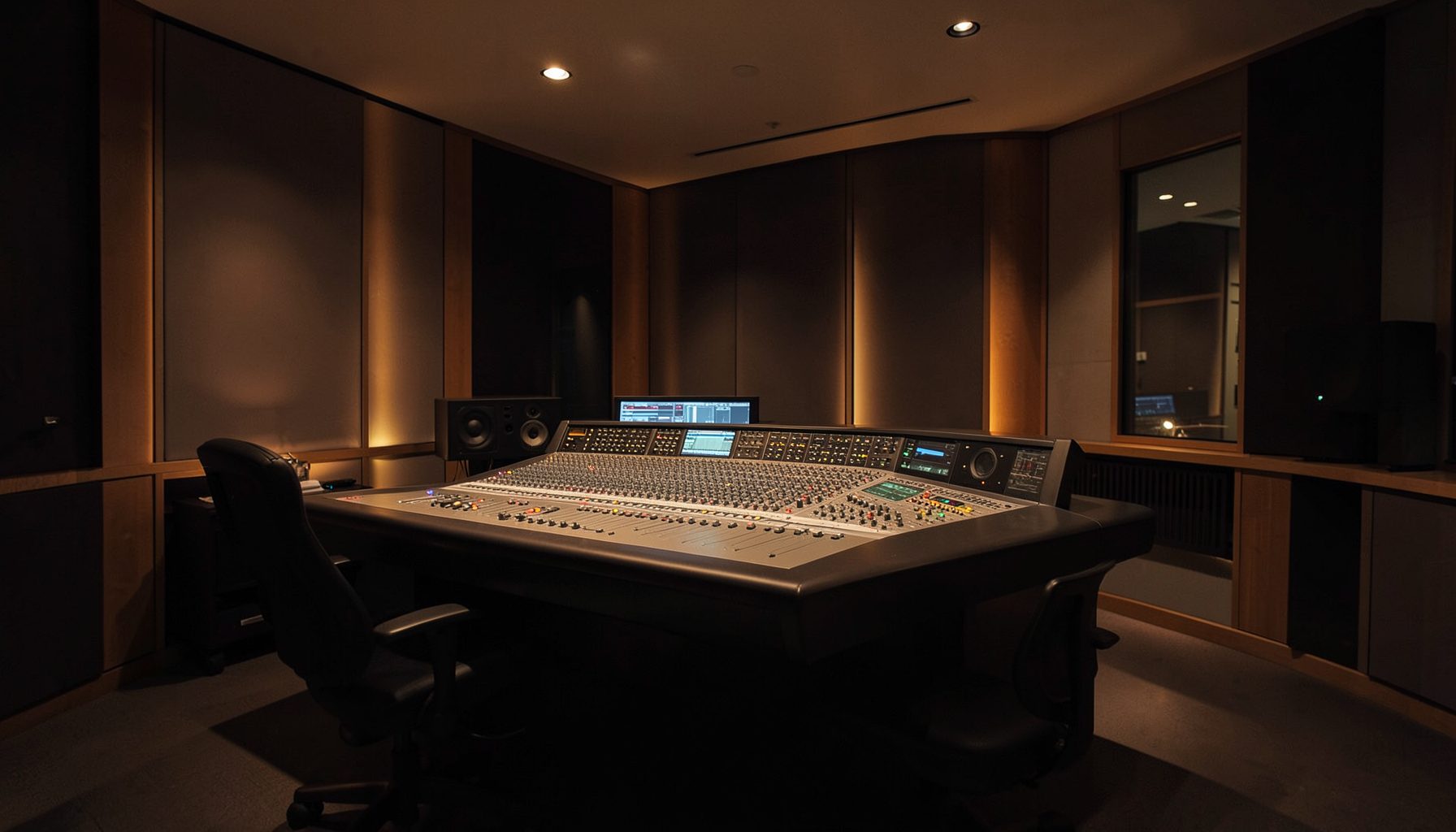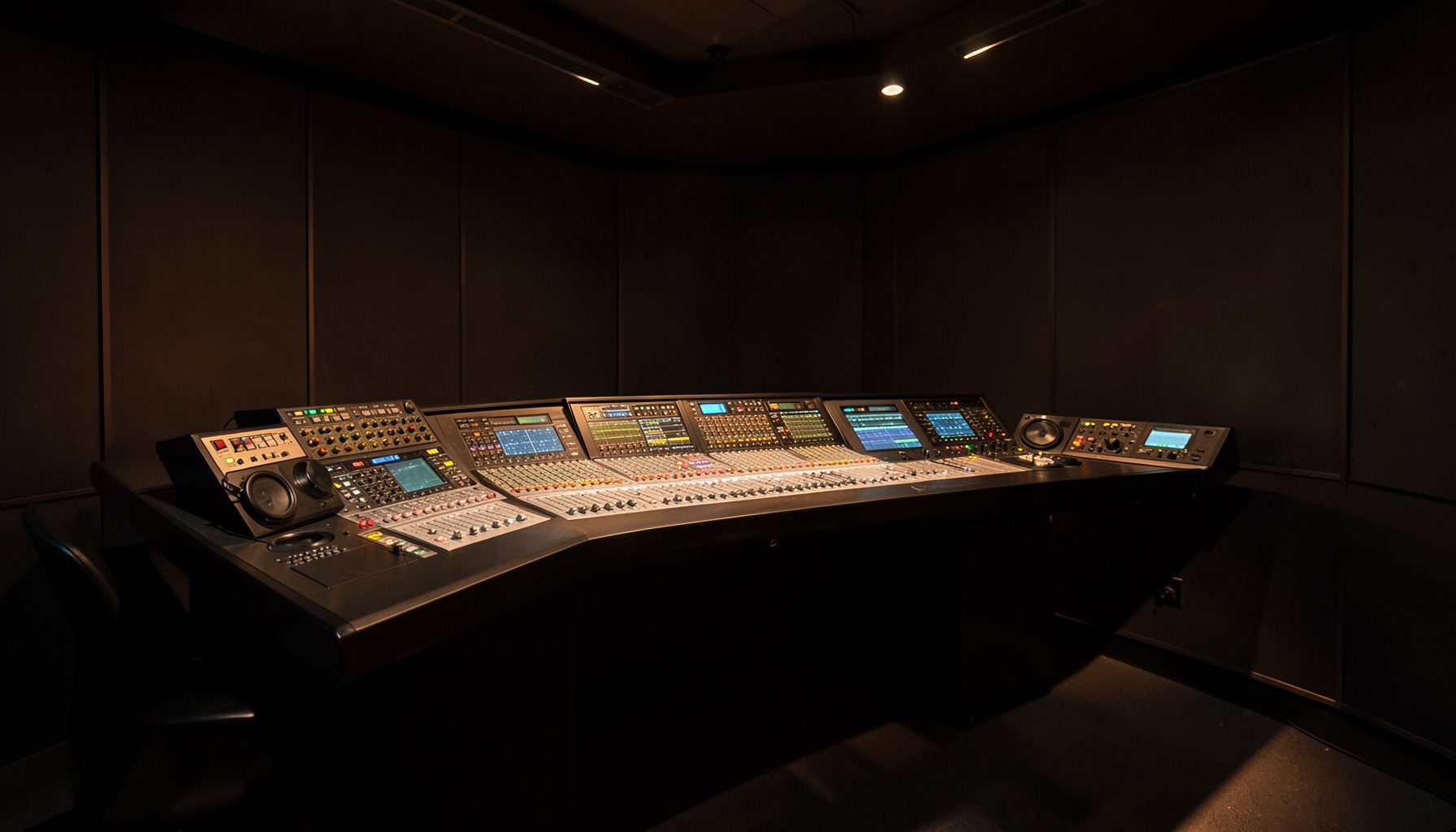
RƎLAY’s virtual patchbay for complex broadcast shows
Modern radio and live production often involve far more than a studio microphone and a transmitter. A single show may combine presenters, remote guests, outside broadcasts, music playout, codecs, automation systems, intercom, voice processing, streaming feeds, and contribution links. Routing all those signals reliably can become a technical task in its own right.
RƎLAY’s virtual patchbay addresses that complexity through software-based signal management. Instead of depending on a large physical patch field and repeated manual repatching, engineers can organize sources, destinations, mixes, and monitoring paths within a flexible networked workflow.
This approach is particularly useful when a production changes frequently. A morning radio program, a live sports broadcast, and a multi-location event may use the same infrastructure while requiring very different signal paths.
Why traditional routing becomes difficult
Physical patchbays remain familiar and useful, but complex shows can quickly fill them with connections that are difficult to trace. Every additional codec, guest line, studio, or distribution feed increases the chance of an incorrect connection or an overlooked signal path.
The problem becomes more pronounced when teams work across several rooms or locations. A source may be available in one facility while the required destination is somewhere else on the production network. Engineers need visibility into the complete audio system rather than a view limited to one rack or console.
A virtual patchbay provides that broader perspective. It turns routing into a software-defined task, allowing operators to manage audio paths from a graphical interface and adapt configurations without physically moving cables.
A software layer for networked audio
RƎLAY is designed for virtualized radio and media production workflows. Its routing environment can help connect microphones, playback systems, remote contributors, studios, processing resources, and transmission outputs within a common operational framework.
The underlying concept aligns with Lawo’s wider networked audio strategy. Audio nodes such as Power Core can provide processing and I/O resources that are managed as part of a scalable system, rather than as isolated hardware devices.
This separation between physical infrastructure and control software gives production teams more freedom. Hardware can remain in a central technical area while operators manage show-specific routing from their normal workstation or control surface.
Managing fast-changing show configurations
A complex program rarely uses one permanent signal layout. Guest segments may require additional mix-minus feeds, a live performance may need separate monitor mixes, and an outside broadcast may introduce temporary contribution paths. Rebuilding these arrangements manually takes time and creates opportunities for error.
With a virtual routing model, engineers can prepare configurations for different segments or production types. A show profile might include studio sources, remote callers, presenter monitoring, recording feeds, and transmission outputs. Another profile could prioritize multitrack capture, audience microphones, and performance monitoring.
Presets and repeatable configurations also help standardize operations between shifts. Instead of relying on individual knowledge of a particular rack or cable layout, the team can work from clearly defined routing views and established signal-flow templates.
Clearer control for distributed teams
Networked production frequently involves several operators with different responsibilities. A producer may need confidence monitoring, a sound engineer may manage processing and mix-minus feeds, and a technical director may supervise contribution and distribution paths.
A virtual patchbay can make those responsibilities easier to separate. Each user can work with the relevant part of the signal environment while the broader system remains available to authorized technical staff. This reduces unnecessary changes and supports more consistent operating procedures.
The visual nature of software routing is also valuable during troubleshooting. When a guest cannot hear the presenter or a destination feed is silent, engineers can follow the path through the interface, checking sources, destinations, processing stages, and monitoring assignments in sequence.
Comparing routing approaches
The right method depends on the scale of the production, the number of locations, and how often the signal architecture changes. A physical patchbay may still be appropriate for a compact and stable setup, while software-defined routing becomes increasingly valuable as systems expand.
| Routing approach | Best suited to | Main advantage | Common limitation |
|---|---|---|---|
| Physical patchbay | Small, fixed installations | Immediate tactile access | Manual repatching and limited visibility |
| Console-only routing | Single-room productions | Convenient for the console operator | Less flexible across rooms and devices |
| Networked virtual patchbay | Distributed, changing workflows | Centralized control and scalable paths | Requires careful configuration and permissions |
| Hybrid routing system | Large facilities with legacy gear | Combines familiar hardware with software flexibility | Needs clear documentation and system design |
A hybrid model can be especially practical for broadcasters upgrading existing facilities. Legacy equipment can remain in service while networked nodes and virtual tools handle expansion, remote access, and changing production requirements.
Supporting reliability and operational continuity
Signal routing is closely connected to resilience. A missed connection can affect a live broadcast, while an incorrectly assigned monitor path can interrupt communication during a critical segment. Clear routing logic helps engineers identify dependencies before a show goes on air.
RƎLAY’s virtualized approach can support centralized configuration and repeatable deployment across production environments. When systems are documented through named sources, destinations, and logical groups, technical staff can understand the workflow faster and make controlled changes.
This is also relevant to post-production and content reuse. Networked audio infrastructure can support recording, editing, and distribution without requiring every function to be tied to one physical room. Lawo’s discussion of networked audio nodes reflects the broader shift toward flexible, software-connected facilities.
Practical ways to get more from a virtual patchbay
A powerful routing system works best when its organization matches the way a production team actually operates. The following practices help keep complex configurations understandable and dependable:
- Use consistent names for microphones, codecs, studios, buses, and transmission outputs.
- Group signal paths by function, such as presenters, remote guests, monitoring, recording, and distribution.
- Build and test show-specific presets before a live broadcast rather than during the program.
- Restrict access to critical routing changes while allowing routine monitoring and control.
- Document fallback paths for major sources, remote links, and transmission feeds.
These habits make the virtual patchbay more than a collection of connections. They turn it into an operational map that supports faster fault finding, smoother handovers, and more predictable live production.
As radio and media facilities move toward Broadcast 3.0 workflows, routing must be as adaptable as the content itself. RƎLAY’s virtual patchbay gives teams a way to coordinate complex signal flows through software, networked infrastructure, and reusable control logic.
Explore how RƎLAY can fit into your studio, remote production, or live event workflow, and evaluate the routing architecture needed for your next demanding show.