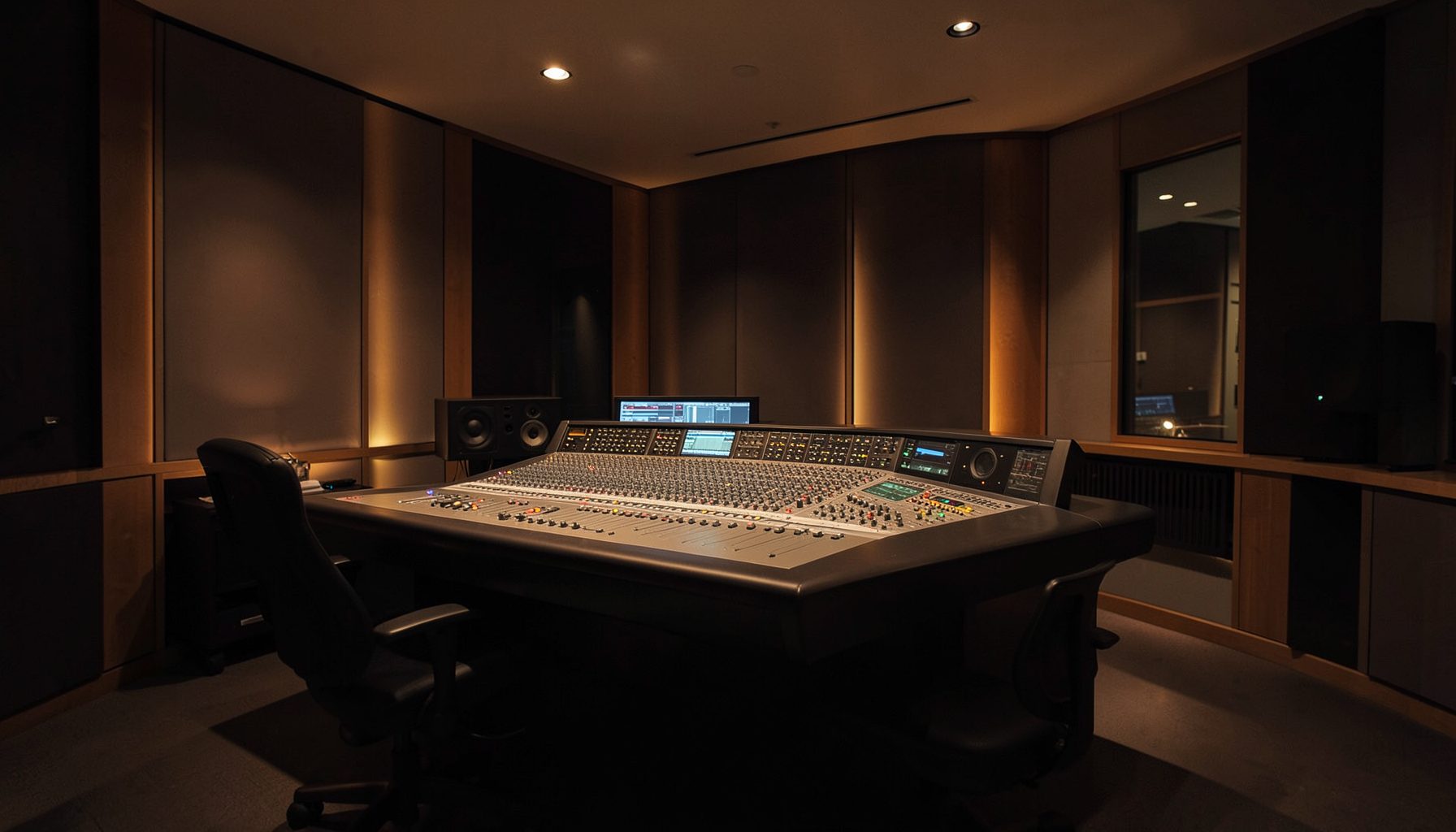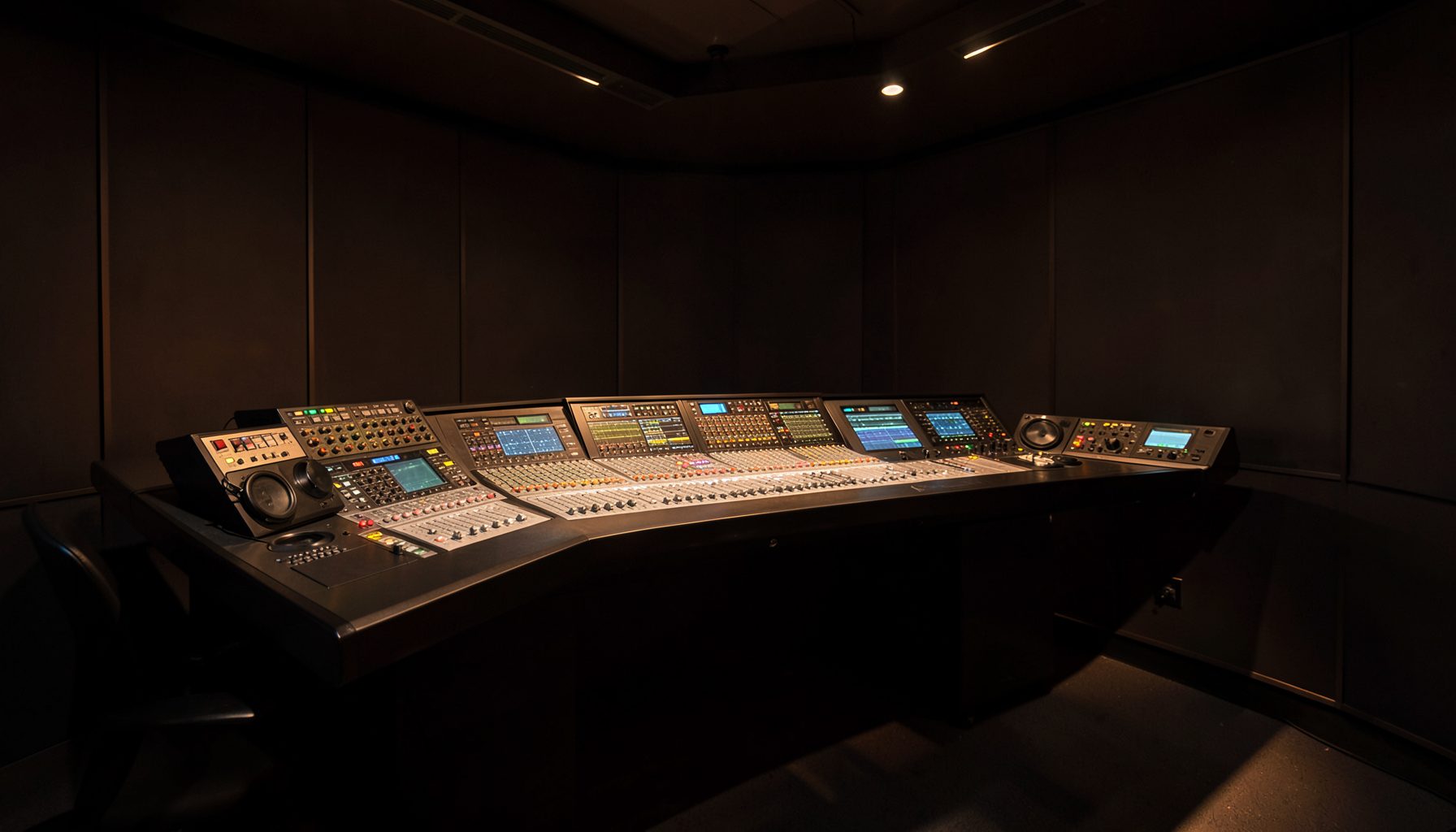
RƎLAY parallel processing for voice and music streams
Radio audio rarely arrives in a single, predictable form. A presenter’s close-miked voice may need control, clarity and presence, while a music stream may require a different balance of compression, equalisation and loudness management. Applying one fixed chain to both can make speech sound flattened or leave music inconsistent.
RƎLAY virtual radio tools address this by allowing separate processing paths to operate alongside one another. Voice, music, inserts and other programme elements can be treated according to their role, then combined at the appropriate point in the workflow.
This approach is useful for Australian broadcasters working across breakfast shows, drive programming, sport, community updates and automated overnight output. A station serving Sydney listeners may need a polished metropolitan sound, while a regional service in Queensland or Western Australia may prioritise dependable operation over complex studio intervention.
The key benefit is control without unnecessary duplication. Engineers can build parallel chains for different content types, retain consistent gain structure and make changes to one source without disturbing the rest of the programme.
| Source type | Typical priority | Suitable processing approach | Result |
|---|---|---|---|
| Presenter voice | Intelligibility and stable level | High-pass filtering, gentle compression and presence control | Clear speech without excessive pumping |
| Music stream | Tonal balance and musical dynamics | Program-appropriate EQ, multiband control and loudness management | Consistent music with preserved impact |
| Voice-over or promo | Forward placement | Dedicated vocal treatment and controlled limiting | Distinct station imaging |
| Remote contribution | Reliability and intelligibility | Noise control, corrective EQ and conservative dynamics | Usable audio from variable connections |
Why parallel chains suit radio content
A single insert path forces every source through the same compromises. Heavy voice compression may help a quiet presenter remain audible, yet the same treatment can reduce the movement and punch of a music bed. A music-oriented limiter can also make a spoken link feel dense and tiring.
Parallel processing separates those decisions. The voice path can focus on consonants, proximity-effect control and level stability, while the music path preserves rhythm and tonal movement. The separate outputs can then be mixed, ducked or routed according to the show format.
This is particularly helpful when a presenter speaks over beds, jingles or news stings. Rather than reducing the entire programme indiscriminately, the system can lower the music path while maintaining a controlled, intelligible voice signal. The result is a cleaner relationship between foreground speech and supporting audio.
Building a voice path that stays natural
A practical voice chain often begins with filtering below the useful speech range. Corrective EQ can reduce muddiness, followed by moderate compression that narrows level differences without making breaths and room noise too prominent. A final limiter can provide protection against sudden peaks, but it should not be asked to perform the main levelling work.
Parallel paths also make presenter variation easier to manage. One host may speak close to the microphone with a strong low-mid character, while another has a lighter, more distant delivery. Their inputs can use different treatments before entering the common programme mix, avoiding a compromise that suits neither voice.
For live radio, response speed matters as much as sound quality. A breakfast presenter in Melbourne may move rapidly from traffic information to conversation, then into a music segue. Processing should recover smoothly between phrases and avoid audible surges when the microphone opens or closes.
Keeping music energetic and controlled
Music processing benefits from a different set of priorities. Equalisation should maintain the character of the track, while multiband or broadband dynamics can manage wide level variations across a playlist. The aim is a stable listening experience rather than a visibly or audibly crushed waveform.
A separate music chain is also valuable for beds and production elements. A short station ident may need a more assertive treatment than a full song, while a competition promo may require extra density to remain clear beneath effects. RƎLAY can support these distinct routes without forcing every source into a universal preset.
Australian radio workflows often span FM, DAB+ and streaming outputs, each with its own delivery considerations. A station targeting listeners in Sydney, Perth or Brisbane may need to protect intelligibility on small speakers and mobile devices while retaining enough energy for car listening. Parallel processing provides a practical place to make those choices before final distribution.
Routing, timing and operational resilience
Parallel chains depend on disciplined routing. Engineers need clear source names, consistent gain staging and a defined point where processed paths are recombined. Monitoring should reveal whether the voice is genuinely clearer or simply louder, and whether music ducking is smooth enough to avoid distracting level jumps.
Timing deserves attention when paths use different processing loads. Even small delays between voice and music can affect transitions, especially when a presenter speaks over a beat or when a processed microphone is blended with an unprocessed talkback feed. Reference timing and measurement equipment, such as solutions from Cavendish Instruments, can support accurate checks across a studio system.
Resilience is equally important for stations operating with lean technical teams. A carefully designed dual-controller arrangement can keep essential services available during maintenance or a component fault; Lawo’s guidance on a dual-controller Ruby setup provides useful context for this wider design principle. Processing presets, routing states and backup paths should be documented so an operator can recover quickly during a busy shift.
Making the workflow manageable for operators
The technical design should remain understandable from the studio surface. Operators benefit from controls that expose the decisions they actually make: voice level, music level, ducking depth, chain bypass and monitor selection. Deep parameters can remain protected or managed through engineering access.
VisTool, Ruby and connected Lawo systems can help present these controls as part of a coherent networked workflow. The same processing logic may serve a live studio, a production room or a virtualised broadcast environment, provided each source and destination is clearly mapped.
For regional Australian stations, simplicity has a direct operational value. A small team may cover breakfast, local news and automation handover, sometimes with staff working across several rooms. A repeatable voice preset, a dependable music path and visible fault status reduce the chance of an avoidable mistake during a cyclone update, a live sports cross or an unscheduled outside broadcast.
The best implementation starts with representative material: several presenter voices, a range of music genres, station imaging and remote contributions. Build the chains conservatively, compare bypassed and processed audio at matched loudness, and document the routing. The practical takeaway is to give voice and music their own processing priorities, then combine them only after each has been made clear, stable and fit for its role.