RƎLAY local storage and backup for emergency standalone operation
A radio studio can be connected to a sophisticated IP network and still need to operate when that network is unavailable. A fibre fault, failed switch, damaged link to a central facility, or power event can quickly turn a normal networked workflow into an emergency broadcast situation. RƎLAY supports this kind of resilience by allowing radio production and playout tasks to be organised around local resources.
For Australian broadcasters, continuity planning has a particularly practical edge. A regional station may need to stay on air during a bushfire, cyclone, flood, or telecommunications outage, while a metropolitan newsroom in Sydney or Melbourne may lose access to shared systems during a building or network incident. Local files and a tested recovery process can keep essential output moving.
Local storage is useful because it reduces dependence on remote servers and wide-area connections. Backup is valuable because storage alone does not protect against accidental deletion, disk failure, malware, or an operator mistake. The strongest design combines both: a ready-to-run local environment and separate, verified copies of the material needed to operate it.
| Operational need | Local RƎLAY resource | Backup or recovery measure |
|---|---|---|
| Keep scheduled output available | Local audio, playlists, and show assets | Versioned copy on separate storage |
| Recreate a studio setup | Local configuration and control data | Exported configuration archive |
| Continue during network loss | Standalone workstation or server access | Offline access credentials and tested procedure |
| Recover after hardware failure | Replacement machine or spare storage | Current restore image and documented steps |
| Prove reliable operation | Logs, checks, and operator records | Periodic restore test and audit trail |
Build a local operating set
A practical emergency set should contain more than audio files. It may include current playlists, jingles, station IDs, music rotations, commercial material, voice tracks, news beds, scripts, show presets, and the configuration required to place those assets on air. The precise contents depend on how RƎLAY is deployed and integrated with the station’s wider automation and production systems.
Separate essential content from material that can wait. A small station may need only a day or two of commercials, imaging, music, and prepared programmes for a short outage. A larger service could require several days of scheduled programming and multiple language or regional feeds. The set should be easy to identify, with clear dates and a documented rule for replacing expired content.
Australian commercial broadcasters also need to consider licence and compliance obligations. Commercial announcements, sponsorship material, music usage records, and required identification elements should remain traceable during an emergency. Operational continuity does not remove responsibilities overseen by the Australian Communications and Media Authority, so local copies should be managed with the same discipline as normal broadcast assets.
Keep working when the network disappears
Standalone operation starts with removing unnecessary dependencies. If a RƎLAY workstation or local server normally reaches a central database, shared storage, authentication service, or network control layer, the fallback design should define what happens when each dependency is unreachable. Operators need to know which functions remain available locally and which must be replaced by a manual procedure.
A resilient studio can use local content and a local control path while preserving the familiar operator experience. This is especially useful for an ABC-style regional operation, a community station, or a commercial outlet serving a wide rural area where a leased link may be slower to restore than a city connection. Emergency procedures should identify the local machine, audio interfaces, monitoring path, and transmission hand-off point.
Testing should happen without waiting for a real outage. Disconnect the relevant network path during a quiet period, load the emergency set, run a short programme, and verify that audio reaches the required output. Include the return to normal operation, since duplicate playout, stale playlists, or unsynchronised commercial logs can create problems after connectivity is restored.
Protect configurations as carefully as content
A library of audio is not enough if the system loses its routing, user settings, show layouts, hotkeys, or control mappings. Configuration exports should be captured whenever a significant change is made and included in the station’s backup schedule. Keep a dated copy before major software upgrades, console changes, or integration work.
Where a station uses automated control, snapshots and presets can support repeatable recovery. For example, automatic console snapshots can help preserve consistent console states around recurring events, provided the procedure is designed and tested for the specific studio. RƎLAY recovery planning should similarly document which settings are essential for a basic emergency chain and which are merely convenient.
Store configuration packages with readable names and a short description of their purpose. A file called “backup-final-new” is difficult to trust at 3 am; a dated package stating the studio, software version, sample rate, and known-good status is far more useful. Keep a copy that can be accessed without relying on the failed production environment.
Use separate and recoverable backup copies
A local backup on the same internal disk is not a dependable backup. If that disk fails, becomes encrypted, or is accidentally reformatted, both the working files and the copy may disappear. Use separate physical storage, such as a dedicated backup appliance, removable drive, or another protected system, according to the station’s security and retention policy.
A sensible pattern is frequent local versioning combined with an offline or physically separated copy. The local version supports quick recovery from an operator error, while the separated copy provides protection from broader incidents. For critical assets, encrypt removable media and control who can take it off-site. A Melbourne station may use a secure secondary location, while a regional Queensland service may need a simpler rotating-drive process because connectivity and specialist support are limited.
Backups should be checked, not merely reported as successful. Open representative audio, restore a configuration, inspect file dates, and confirm that the backup includes the current emergency playlist. A failed restore discovered during a cyclone warning is not a backup strategy.
Design the room around the fallback path
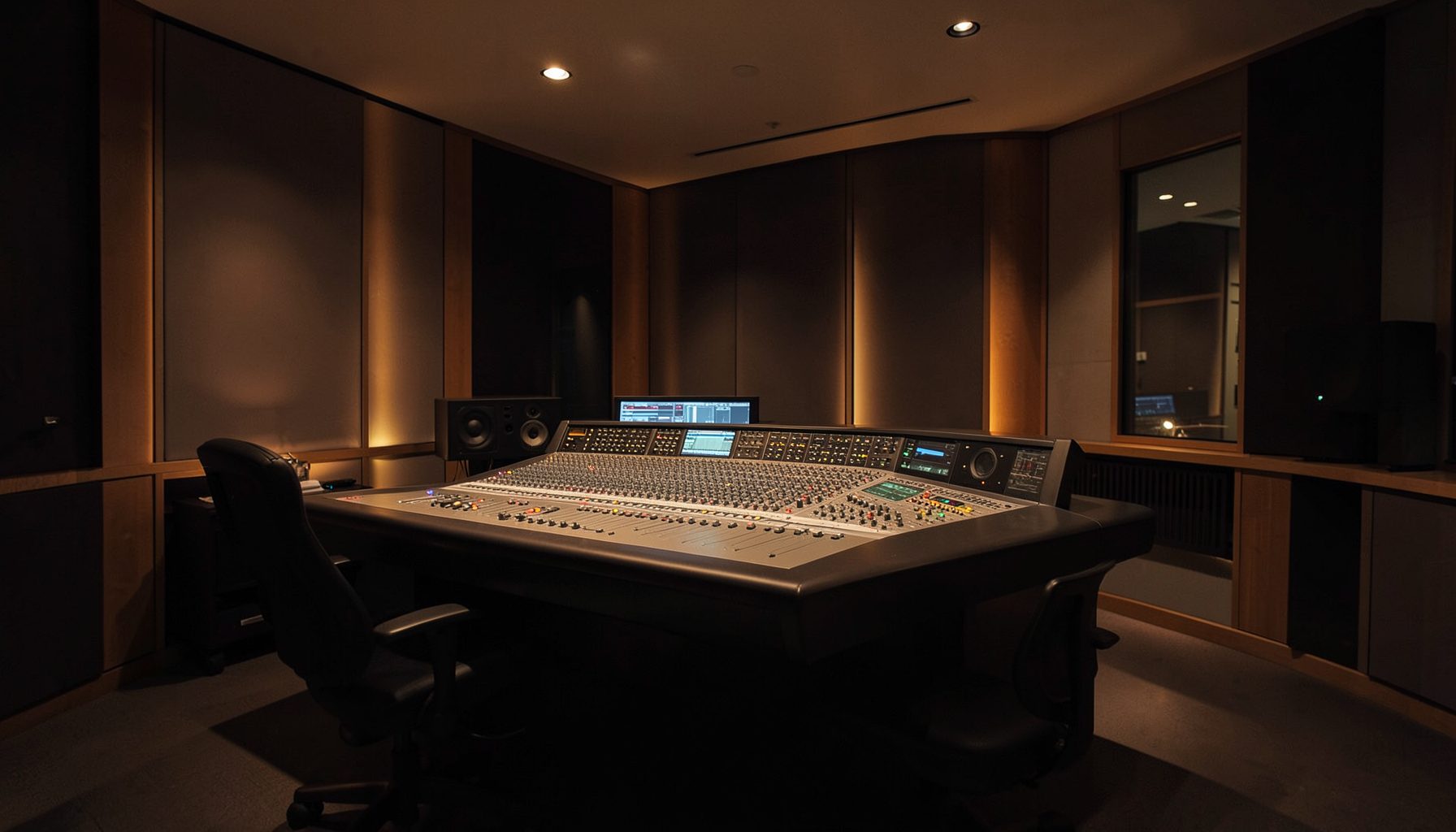
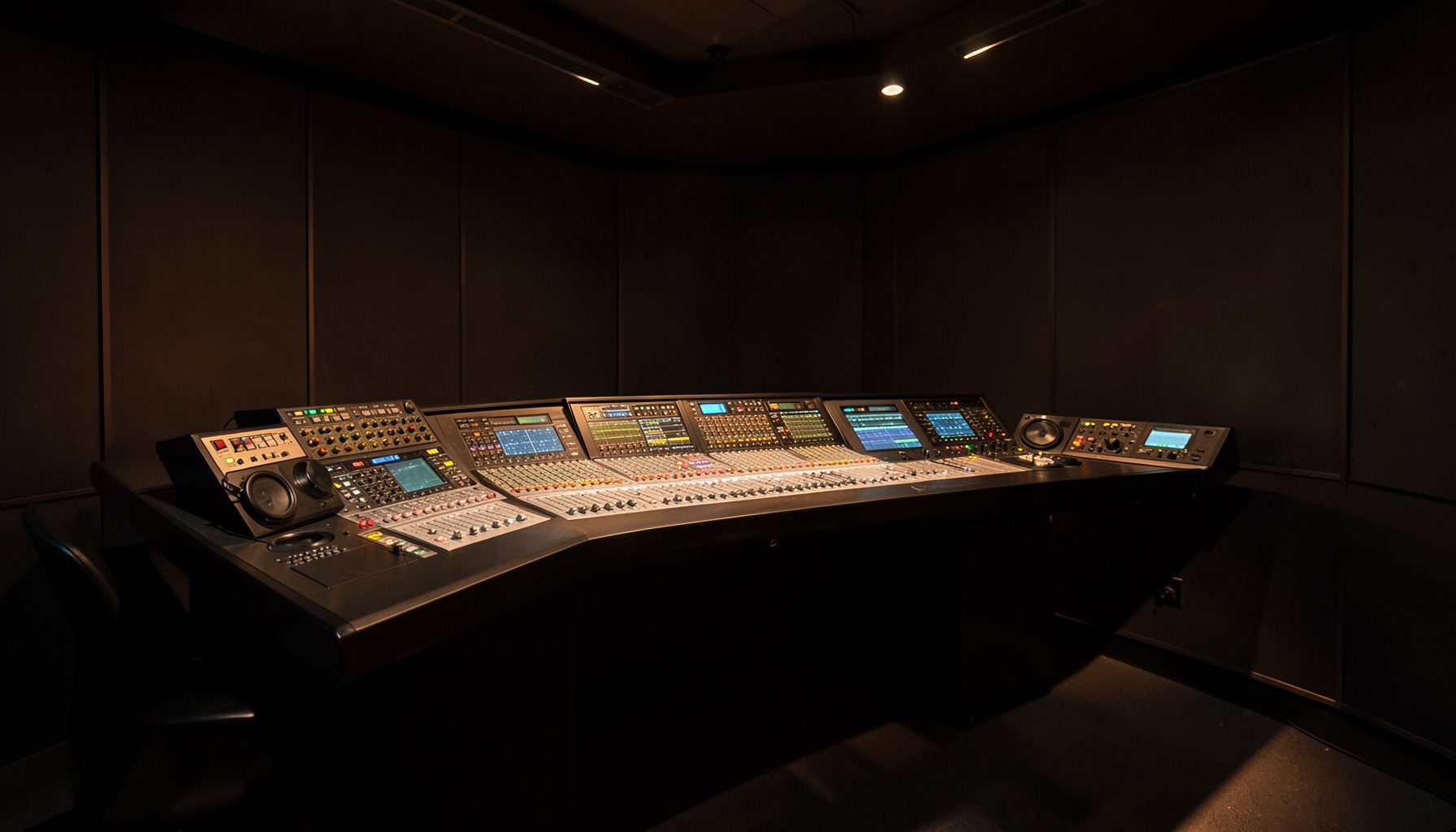
Emergency operation depends on the physical studio as much as the software. Local storage may be available, yet the studio can still fail if the operator cannot monitor the output, switch sources, communicate with the transmitter site, or power the required equipment. A UPS, labelled cabling, spare headphones, and a written changeover procedure can make a significant difference.
Visual information also matters when the operator is working under pressure. A properly designed screen arrangement can keep playout status, audio levels, scripts, and alerts visible without forcing constant window changes. Guidance on vision system design can be relevant when reviewing displays and control-room ergonomics, particularly in a compact Australian studio where several functions share one desk.
Plan for heat, dust, storms, and access restrictions. A station in Darwin may face cooling and wet-season risks, while a bushfire-prone site may need a remote operating plan and protected equipment location. The local fallback should be simple enough for a trained relief announcer to use, not just the engineer who built it.
Rehearse recovery and return to normal
A recovery runbook should state when to declare standalone mode, which local files to use, how to start the RƎLAY environment, how to select the emergency playlist, and who authorises changes. It should include contact details for the station manager, engineer, transmission provider, network support, and relevant content or compliance staff.
Schedule a short exercise at least several times a year and a fuller test after major system changes. Measure how long it takes to restore a basic programme, whether the audio chain remains stable, and whether operators can identify the active version of every critical file. Record the result and correct weaknesses while the circumstances are fresh.
When normal connectivity returns, reconcile logs, playlists, commercials, configuration changes, and locally created material before switching back. Preserve the emergency records required for reporting, then refresh the local operating set and backup copies. The practical rule is simple: keep a dated, tested local RƎLAY package, store it separately from the production system, and practise loading it before an outage makes the decision for you.