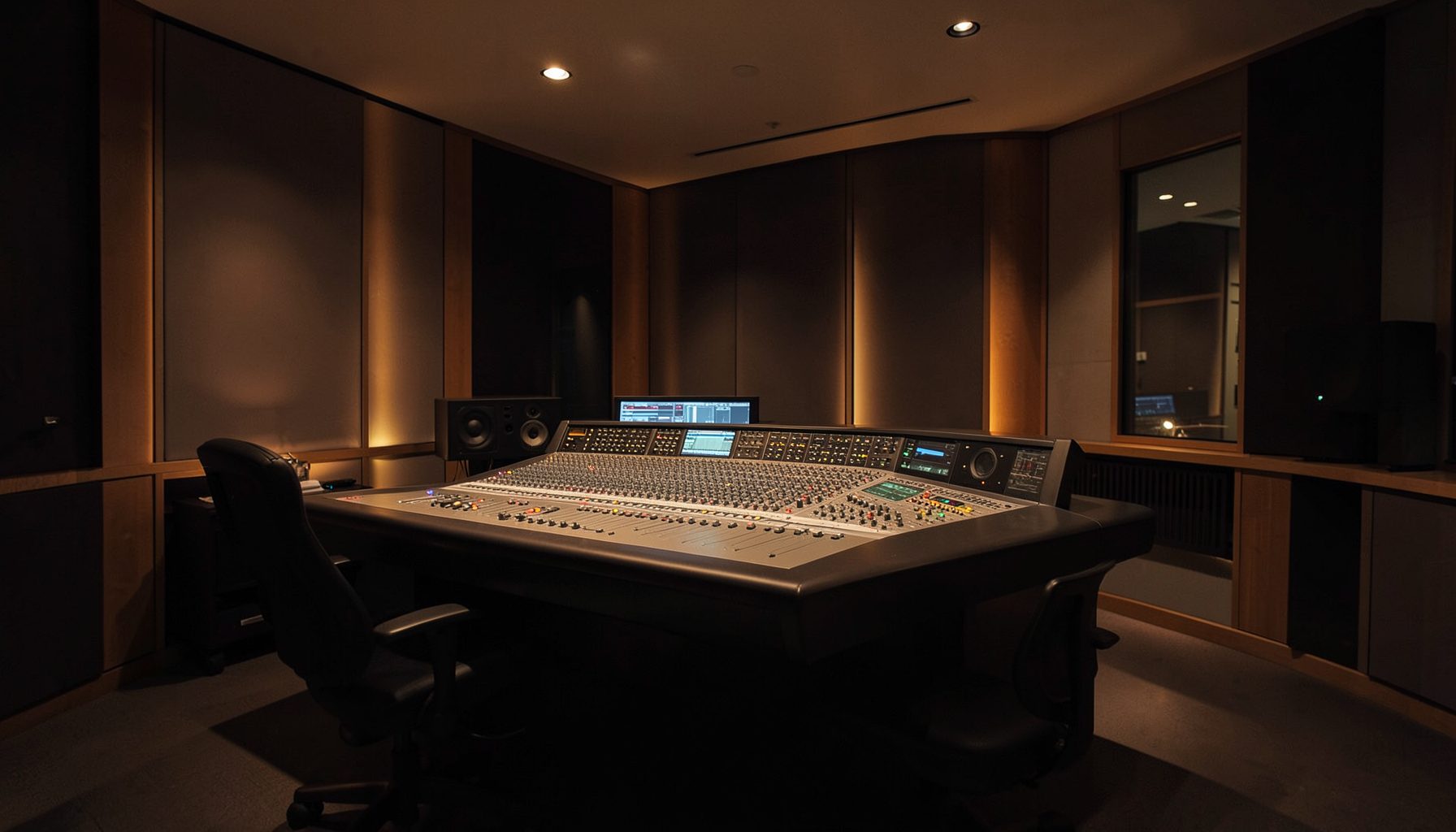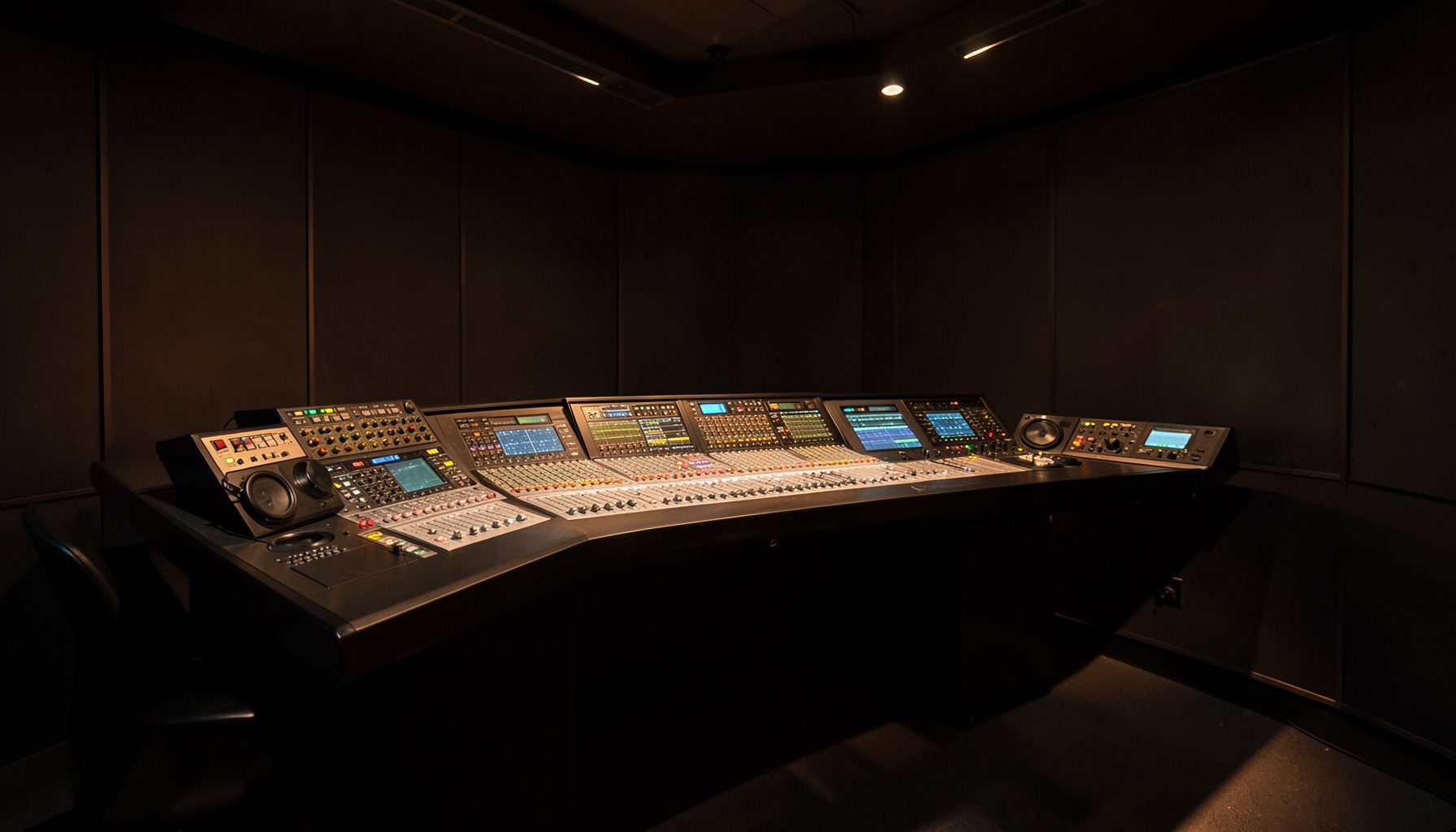
RƎLAY’s cloud-ready architecture for distributed radio production
Radio production is moving beyond the traditional studio. Newsrooms, presenters, producers, and technical teams increasingly work from different locations, while audiences expect consistent programming across live streams, broadcast channels, podcasts, and social platforms. This shift requires an architecture that can distribute production tasks without losing operational control.
Lawo’s RƎLAY virtual radio tools address this need through software-based workflows designed for flexible deployment. Instead of tying every function to a fixed physical console, broadcasters can combine cloud resources, remote contributors, networked audio, and centralized control in a scalable production environment.
The result is a model suited to multi-site radio groups, remote production teams, temporary studios, and hybrid operations. Cloud readiness is not simply about hosting software online; it is about making audio, control, communication, and monitoring available wherever the work happens.
A software foundation for distributed production
RƎLAY separates key radio functions from dedicated hardware. Playout, mixing, contribution, processing, and communication can be assembled as software services and connected through IP networks. This makes it easier to design workflows around a station’s operating model rather than forcing the operation into a fixed studio layout.
For distributed production, that separation is valuable. A presenter may work from a home studio, a producer may manage content from a central newsroom, and an engineer may supervise several sites remotely. Each role can access the tools and signals required for the job without duplicating an entire technical infrastructure at every location.
Cloud-ready systems also support gradual migration. A broadcaster can begin with virtualized production tools in a local data center, then extend selected services to a private or public cloud. This reduces the risk of a disruptive replacement project and allows technical teams to validate each workflow before expanding it.
Connecting people, sites, and signals
A distributed radio operation depends on reliable connectivity between studios, remote contributors, outside-broadcast positions, and central facilities. RƎLAY can form part of an IP-based audio environment in which live sources, mix-minus feeds, clean feeds, and program outputs move across managed networks.
This approach supports collaboration between geographically separated teams. A central producer can coordinate a live interview while a remote presenter receives a tailored return feed. Different stations can share resources, and regional content can be inserted without rebuilding the entire signal path.
Lawo’s wider ecosystem strengthens this model by linking audio infrastructure, control, and software. The centralized control model demonstrates how a Broadcast 3.0 approach can help operators manage complex environments across multiple locations while preserving a consistent operational view.
How the architecture supports radio teams
The practical value of a cloud-ready platform becomes clearer when production responsibilities are compared across operating models. A traditional studio remains effective for fixed local work, but distributed workflows provide additional flexibility for shared resources and remote collaboration.
| Production requirement | Fixed studio model | Distributed RƎLAY model |
|---|---|---|
| Presenter location | Primarily studio-based | Studio, home, office, or remote venue |
| Infrastructure | Dedicated hardware per site | Virtualized and networked services |
| Collaboration | Local or manually bridged | Shared access across connected locations |
| Scaling | Requires additional rooms or equipment | Add users, services, or capacity as needed |
| Disaster recovery | Often tied to a second physical site | Can use geographically separated resources |
| Operational control | Local console and engineering team | Centralized monitoring with distributed access |
This flexibility is especially useful for radio groups with several stations or brands. A shared production core can provide common services while individual stations retain local identity, scheduling preferences, and contributor access. Central teams can support smaller sites without requiring a full-time technical specialist at every facility.
Remote production also benefits from consistent user interfaces and repeatable configurations. When workflows are defined in software, a new studio or temporary location can be brought online more quickly. Presets, permissions, and signal paths can be standardized, reducing setup time and limiting configuration errors.
Resilience, security, and operational continuity
Cloud adoption must be matched by careful planning for resilience. Radio cannot depend on a single connection, server, or cloud region. Distributed RƎLAY deployments should therefore include redundant network paths, resilient hosting, backup power, and clearly defined fallback procedures.
Audio quality and latency also require attention. Live two-way conversations need predictable timing, while remote monitoring must provide enough confidence for operators to make quick decisions. Network performance should be measured continuously, with traffic prioritization and appropriate codecs selected for each contribution scenario.
Security is equally important. Role-based access, encrypted connections, strong identity management, and separation between administrative and production networks help protect both content and infrastructure. A cloud-ready design should make it possible to revoke access quickly and audit changes without slowing down daily production.
Integrating automation and creative tools
Distributed production becomes more efficient when routine tasks are automated. RƎLAY can be positioned alongside scheduling, metadata, production, and control systems so that operators spend less time managing technical steps and more time shaping the program. Automated routing, source recall, and repeatable show configurations can simplify complex live operations.
The same IP and software principles can connect radio production with wider media workflows. Visual radio, streaming, podcast publishing, and branded digital content can draw from shared sources and production assets. Lawo’s work around 3D graphics workflows also illustrates how broadcast environments can connect with demanding real-time media applications through flexible, networked architectures.
Automation should remain transparent to users. Operators need to understand what a system is doing, override actions when necessary, and recover quickly from unexpected events. The strongest workflows combine automatic execution with clear monitoring and straightforward manual control.
Practical deployment priorities
A successful distributed radio implementation depends on more than selecting virtual tools. The organization must define how people work, which services should be centralized, and what level of resilience each program requires.
- Map current signal flows, user roles, and dependencies before moving services.
- Separate critical live functions from lower-risk development and archive workloads.
- Establish network, latency, security, and redundancy requirements for every location.
- Use standardized templates for studios, remote contributors, and shared production rooms.
- Train operators to work with centralized monitoring, remote control, and fallback procedures.
A phased rollout is usually the most effective path. Start with a contained use case such as remote contribution, a secondary production room, or shared processing between two sites. Measure reliability and user acceptance, then extend the same architecture to additional stations or cloud resources.
Building a more adaptable radio operation
RƎLAY’s cloud-ready architecture gives broadcasters a way to distribute production without fragmenting their operation. By combining virtualized tools, IP audio, centralized management, and secure remote access, radio teams can respond to changing locations, staffing models, and content demands.
The broader advantage is operational choice. Broadcasters can retain local control where it matters, centralize common services where efficiency is gained, and scale resources as audience and channel requirements evolve. Explore how RƎLAY can support your distributed production strategy and connect your next-generation radio workflow.