RƎLAY as a Production Tool for Pre-Recorded Radio Magazine Features
Australia's radio landscape stretches across multiple time zones and thousands of kilometres, which is why the long-form magazine format has always thrived here. Programs on ABC Radio National, the Smooth network, and community stations in places like Alice Springs and Cairns rely on pre-recorded features that can be produced days before broadcast. This asynchronous approach lets a producer in Perth chase a sound check while a presenter in Brisbane records voice tracks at midnight, then stitches everything together the next morning.
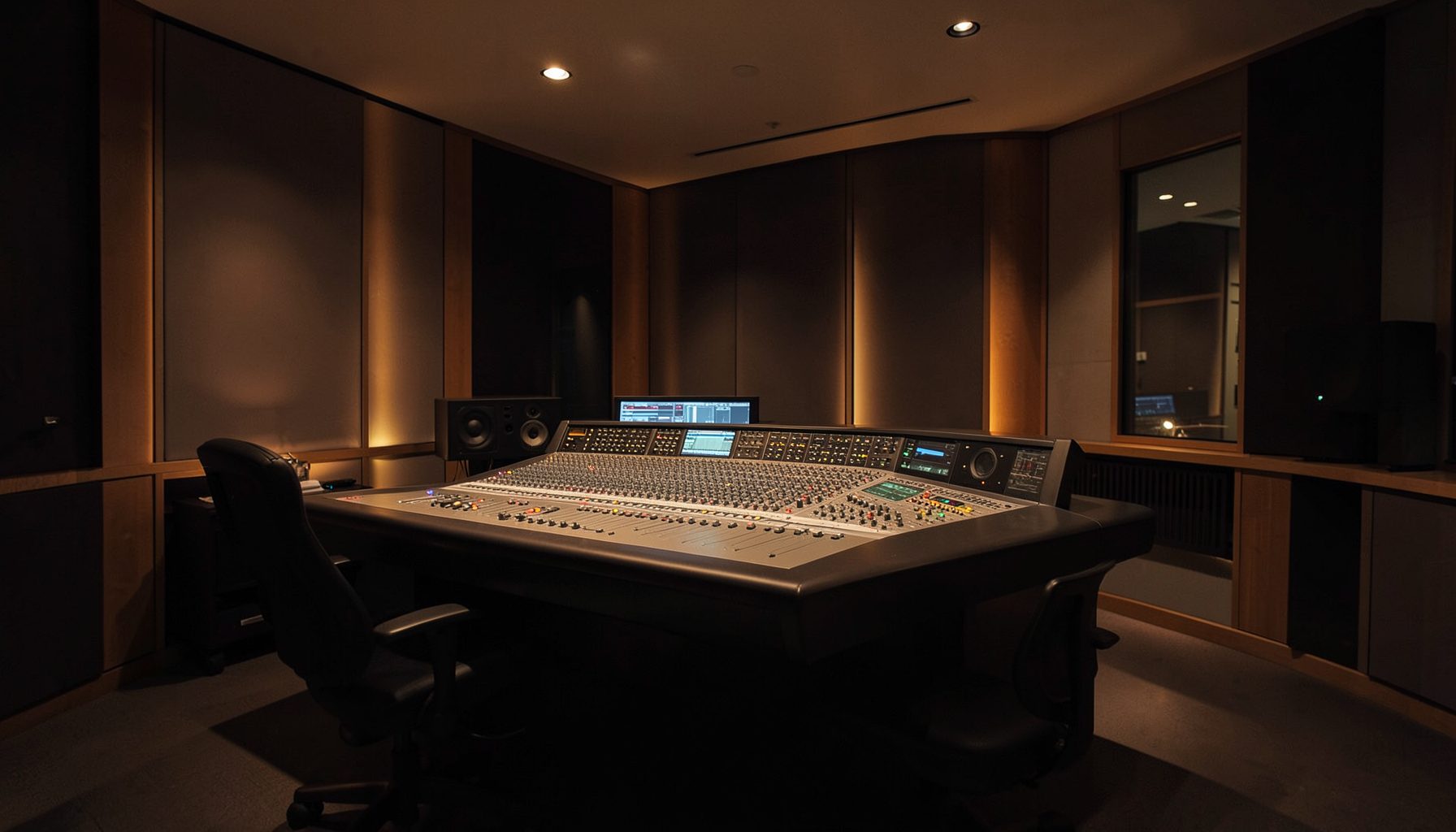
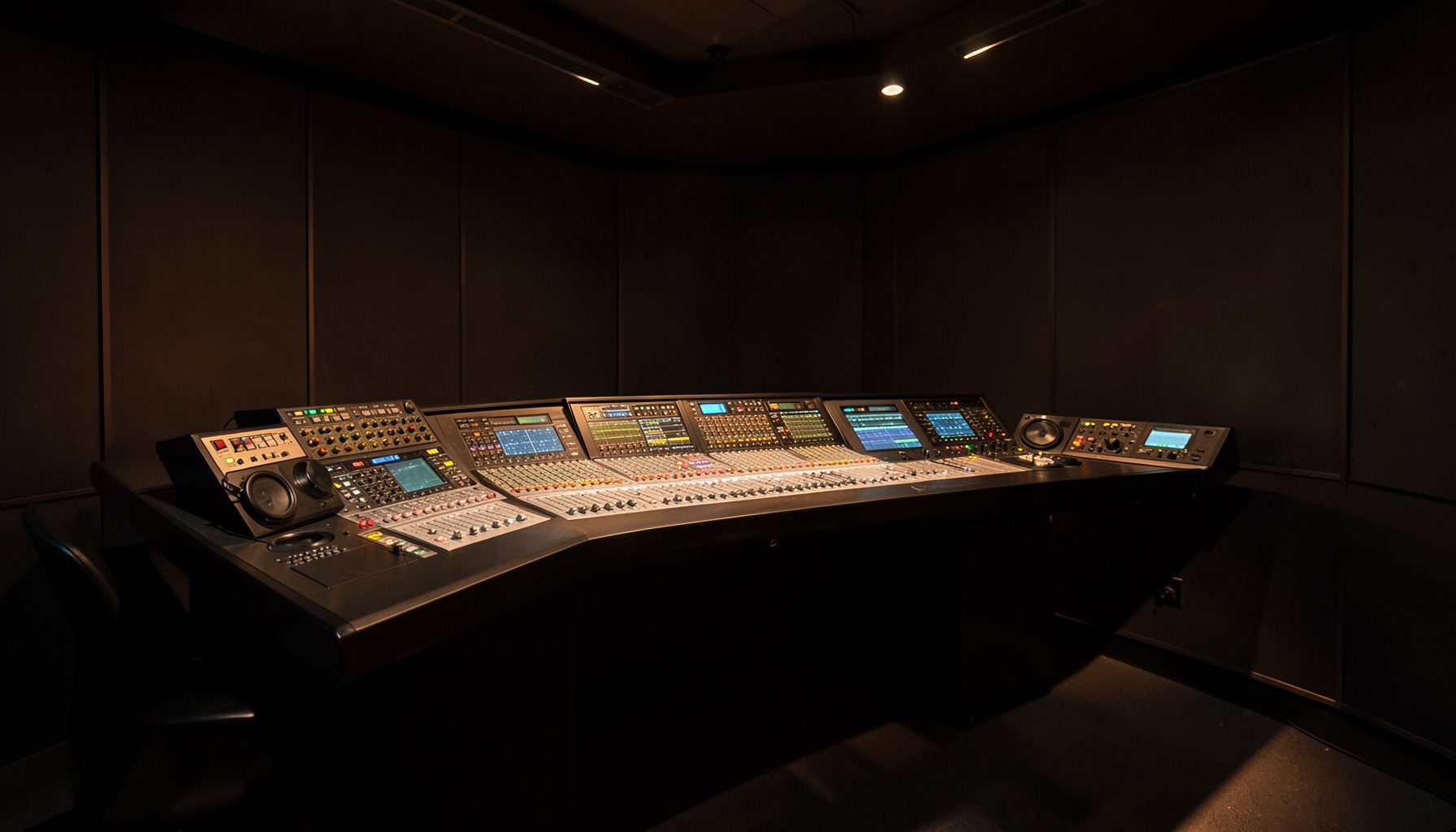
RƎLAY, Lawo's software-based radio platform, sits naturally inside that workflow. It turns a standard workstation into a fully functional mixing console, removing the need for physical rooms when crafting narrative segments, documentary-style packages, or interview-driven magazine items.
Software-first radio production in a continent-sized market
Distance shapes how Australian broadcasters plan their production calendars. A producer assembling a 22-minute feature on Indigenous art can gather field recordings from Arnhem Land, a studio interview from Melbourne, and ambient sound from a coastal town, all without booking a single physical room. The shift to software-first tooling reflects a market that has embraced remote workflows since the early 2020s and continues to invest in distributed teams.
For commercial groups such as ARN and Nova, magazine content also supports cross-platform monetisation through podcasts and on-demand apps. A clean, file-based chain from recording to on-air keeps that content flowing without bottlenecks, especially when contributors sit in different states.
Assembling a RƎLAY workflow for magazine features
A typical magazine build with RƎLAY begins in VisTool, where the producer maps faders, talkback channels, and routing pages to match the show's structure. Power Core can sit underneath for facilities that want extra I/O and redundancy, while RƎLAY itself handles mixing, processing, and playout of pre-recorded stems. AutoMix steps in when several contributors are layered together, keeping levels balanced without constant hands-on adjustment.
Because the entire chain runs over IP, contributors can log in from a home studio in Adelaide, a regional bureau in Hobart, or a hotel room in Sydney. Files drop into a shared pool, and the host or producer assembles the final package from a single screen.
Recording voice tracks without a physical studio
Pre-recorded features often start with the host reading a cold open or linking two segments. RƎLAY lets talent record those voice tracks directly into the project using a laptop, a condenser microphone, and a portable audio interface. The same workstation can host the editing session, the mix bus, and the playout engine, which collapses what used to be three separate rooms into one software window.
For programs originating from capital cities, this means a producer at the Sydney studios can collaborate with a reporter filing from a remote mine site in the Pilbara. The reporter records locally, uploads the high-resolution file, and the editor in Sydney pulls it straight into the RƎLAY timeline. Latency is irrelevant because the work is file-based, which also simplifies archival and compliance.
Dante networking and hybrid audio paths
Magazine production rarely lives on a single island. Most Australian facilities already run Dante across their studios, and RƎLAY slots into that ecosystem through virtual soundcard drivers and IP routing. Producers can move audio between RƎLAY instances, physical Lawo consoles, and third-party gear without leaving the network.
Teams that need a deeper look at this kind of integration can explore RƎLAY with Dante networks as a reference for hybrid audio workflows. The piece covers channel mapping, redundancy, and clocking across mixed environments, which is useful when a regional station inherits older Dante hardware alongside newer RƎLAY nodes.
Mixing and editing inside a software console
Mixing a magazine feature is about more than balancing levels. Voice should sit forward, ambience should fill the back, and music cues need to enter and exit cleanly. VisTool gives the producer custom pages for each contributor, with EQ, dynamics, and routing laid out exactly as the show demands. RƎLAY's internal processing handles compression, de-essing, and noise reduction without sending audio out to outboard gear.
That single-screen approach also simplifies handover between shifts. A producer finishing at 18:00 in Brisbane can leave detailed mix notes, and the overnight editor in Perth can pick up the session with every parameter visible. For networks running shows across AWST, ACST, and AEST, this continuity matters more than a polished hardware surface.
Comparing production approaches
Different facilities weigh the options differently. Production setups vary in cost, mobility, integration depth, and how well they handle narrative mixing. The comparison below weighs RƎLAY against a traditional hardware room and a purely cloud-based editing chain for pre-recorded magazine features.
| Criterion | RƎLAY software console | Traditional hardware room | Cloud-only editing |
|---|---|---|---|
| Setup cost | Moderate | High | Low |
| Mobility for contributors | High | Low | High |
| Integration with Dante | Native | Often requires converters | Limited |
| Suitability for magazine mix | Strong | Strong | Weak |
| Onboarding new staff | Fast via training mode | Slower | Fast but feature-limited |
The middle column still wins on tactile feel, but RƎLAY covers most of the same ground with far less infrastructure, and it handles narrative work particularly well because every channel is recallable.
Training teams and scaling across regional stations
Rolling out a new workflow across a network is half technology and half training. RƎLAY includes a training mode that mimics a full studio, which is helpful when regional volunteers in places like Broome or Mt Isa need to learn the system without affecting on-air output.
A useful overview of that training approach appears in a simulated studio walkthrough that shows how stations can onboard presenters from anywhere in the country. Combining that training with a shared RƎLAY template gives every regional bureau the same mix architecture, so a feature produced in Darwin sounds consistent with one built in Melbourne.
The most practical first step for a station still weighing its options is to trial a single RƎLAY instance on one magazine program for a month and measure the time saved between field recording and on-air delivery.