Building hybrid radio workflows with RƎLAY and Dante
Modern radio production rarely stays inside one console or one room. Presenters may work from a studio, guests may join remotely, and producers may need to move audio between playout, contribution, streaming, and post-production systems. A networked audio architecture makes these connections easier to manage, provided that formats, clocking, and control are planned together.
Lawo’s RƎLAY virtual radio tools fit naturally into this environment. Running as software rather than as a fixed hardware surface, RƎLAY can support flexible production positions, remote operation, and scalable channel layouts. Dante networks can extend that flexibility by connecting compatible microphones, interfaces, processors, computers, and studio devices over standard IP infrastructure.
The most effective design treats Dante as part of a wider hybrid system rather than as an isolated transport layer. With suitable gateways or Dante-enabled endpoints, RƎLAY can exchange audio with Lawo network infrastructure, Ruby mixing consoles, Power Core audio nodes, and third-party equipment while keeping routing visible and repeatable.
Where RƎLAY fits in a hybrid studio
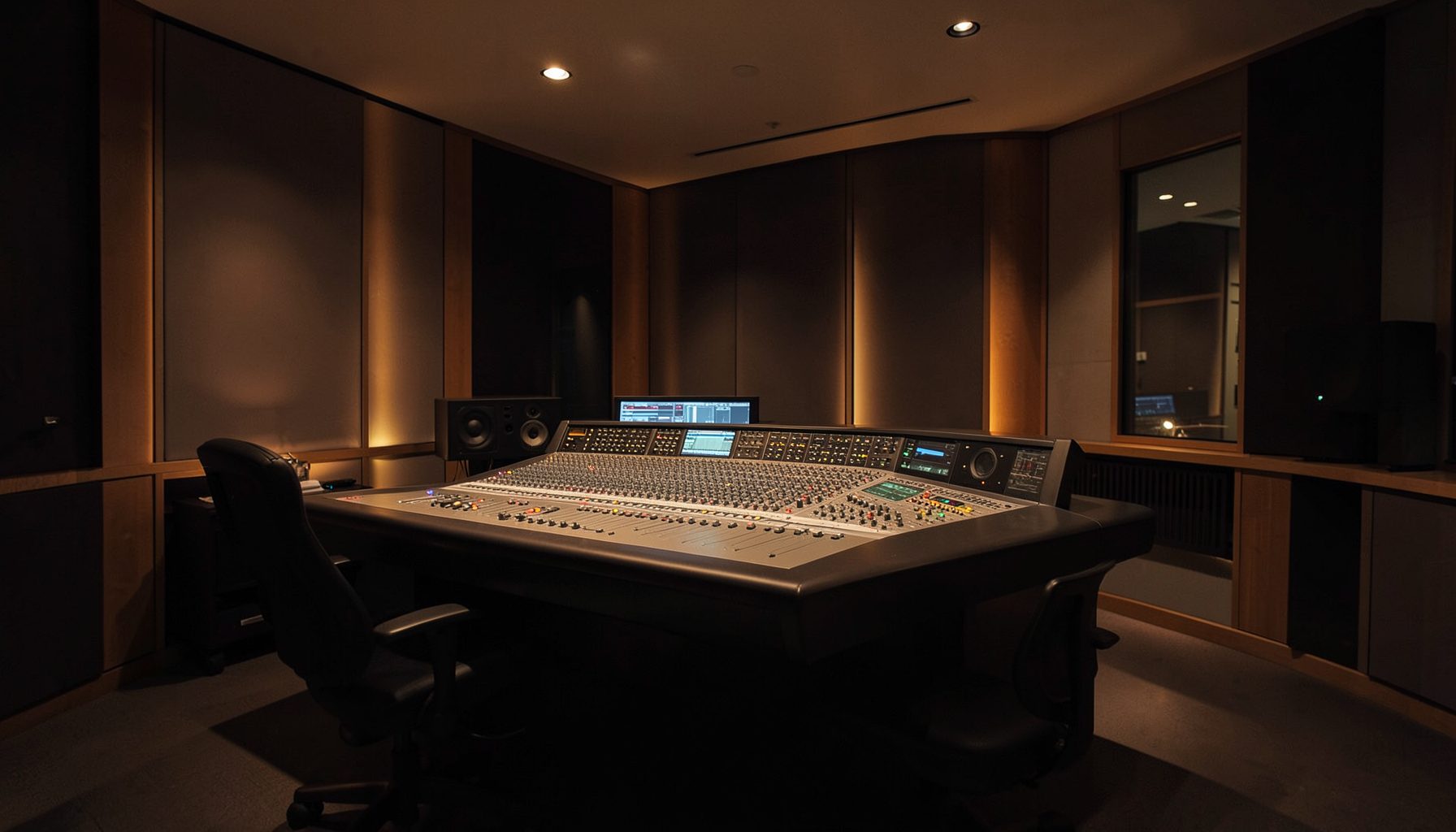
RƎLAY is well suited to workflows where the software interface needs to change with the production. A news booth, talk studio, podcast room, and backup control position can use different layouts while drawing from shared sources. This reduces dependence on a single physical console and makes it easier to add temporary or remote workstations.
Dante adds a practical connection method for equipment already deployed in many broadcast and production environments. Microphone preamps, monitor controllers, codecs, and computers can appear as network audio devices, while a Dante Controller-based design can define subscriptions and signal paths. The exact integration depends on the RƎLAY configuration and the interfaces used at each network boundary.
A hybrid architecture can therefore combine Dante endpoints with Lawo’s native IP audio environment. This approach preserves the advantages of each ecosystem, but it requires clear ownership of routing, sample rates, channel naming, and clock sources.
Designing the signal path
Start with a signal-flow map rather than with software settings. Identify microphone inputs, remote callers, music playback, mix-minus feeds, recording returns, monitor outputs, and transmission paths. Then decide which signals should be transported through Dante, which should remain within the Lawo network, and where conversion or gateway hardware is necessary.
A typical path might place studio microphones on Dante-enabled input devices, pass them to a RƎLAY production workstation, and send the program mix to a Lawo audio node or transmission interface. Separate mix-minus feeds can return to codecs or remote contributors. Keeping contribution, monitoring, and program outputs distinct helps prevent accidental feedback and makes fault diagnosis faster.
Channel labels should describe function and source consistently. Names such as “Studio A Host Mic,” “Guest Return,” and “FM Program” are more useful than generic labels such as “Input 1.” The same naming convention should appear in Dante subscriptions, RƎLAY layouts, console sources, and documentation.
Clocking, latency, and network discipline
Dante audio depends on accurate network timing, and a hybrid installation may also involve PTP domains used by other audio-over-IP equipment. Establish a deliberate clocking strategy before connecting every device. One preferred grandmaster, clearly defined fallback behavior, and compatible sample-rate settings are essential for stable operation.
Latency should be considered from the contributor’s perspective as well as the engineer’s. Local microphone paths need to feel immediate to presenters, while remote guests already introduce network delay. Avoid unnecessary conversions, long cascades, and excessive buffering. Use separate monitoring paths where needed so a presenter hears the appropriate mix without a delayed version of their own voice.
The physical network matters just as much as the audio software. Managed switches, suitable QoS settings, redundant links where supported, and separate control and media planning can improve resilience. Document multicast behavior and verify that firewall or VLAN policies do not block discovery, subscriptions, or control traffic.
| Workflow area | RƎLAY role | Dante contribution | Key planning point |
|---|---|---|---|
| Studio microphones | Provides sources to the virtual production setup | Connects networked preamps or interfaces | Confirm gain control and clocking |
| Talk-show callers | Builds contributor and mix-minus paths | Carries returns to codecs or computers | Keep send and return channels separate |
| Playout and music | Integrates playback with the active layout | Moves audio between workstations and endpoints | Label sources consistently |
| Monitoring | Presents operator and presenter feeds | Delivers monitor signals to compatible devices | Control latency and talkback routing |
| Recording and post-production | Supplies clean or processed outputs | Connects recorders and editing systems | Define pre-fade and post-fade feeds |
Connecting Lawo and third-party systems
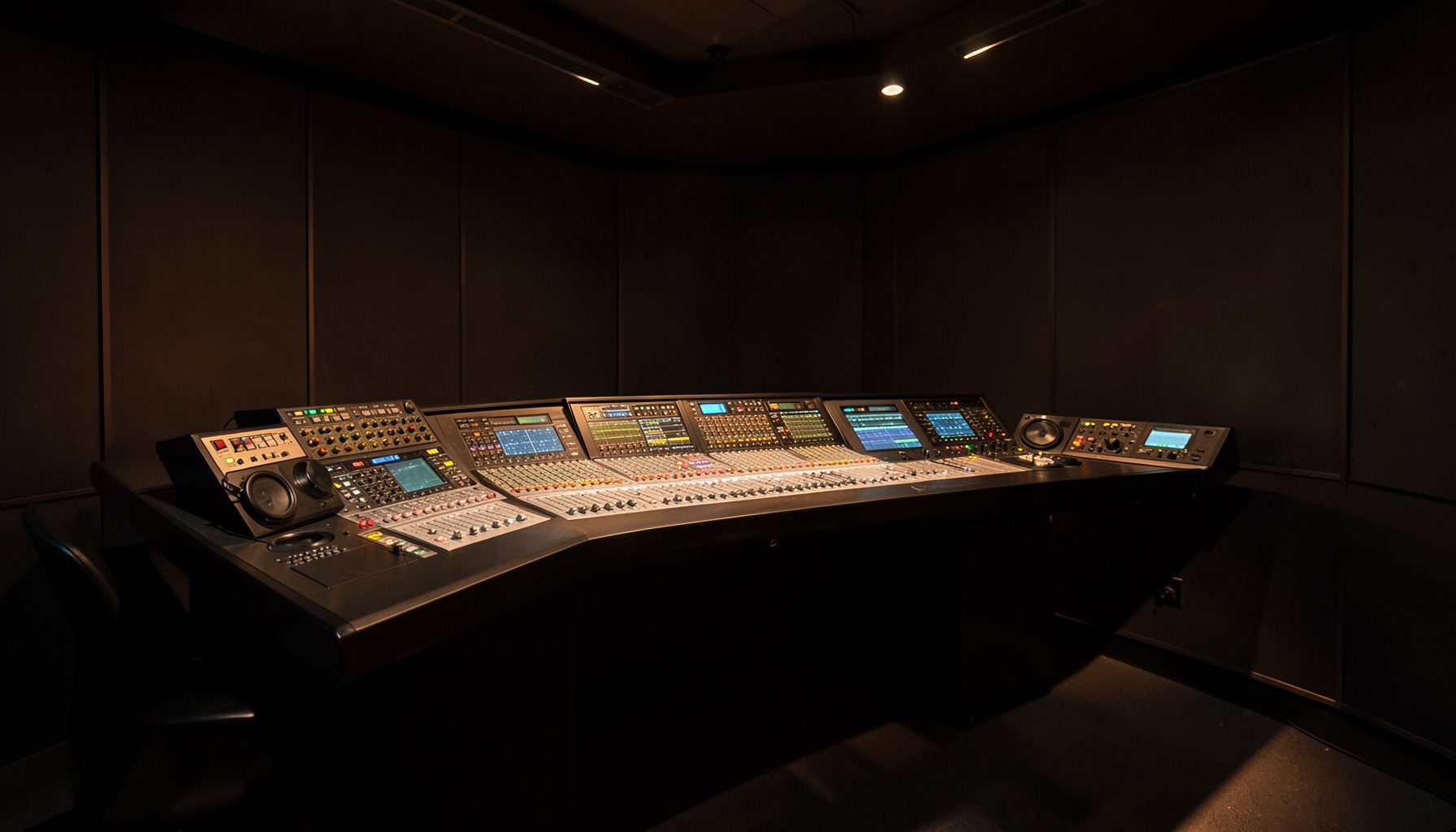
Power Core can provide a useful networked audio processing and I/O layer around the virtual workflow. Depending on the installation, it may handle routing, processing, mixing resources, or interfaces to other broadcast systems. Ruby can add a tactile operating surface for engineers who prefer physical controls while RƎLAY handles software-defined positions elsewhere.
VisTool can complement this setup by providing graphical control for selected functions and studio states. A producer may use a custom interface for source selection, signal visibility, or simplified show control, while an engineer retains deeper access to routing and processing. This division can reduce operational complexity without hiding critical system information.
Dante-connected third-party devices should be treated as managed components of the overall broadcast system. Check channel capacity, subscription limits, sample-rate support, redundancy options, and control integration before selecting an endpoint. A device that passes audio successfully may still require separate configuration for gain, phantom power, GPIO, or status monitoring.
Talk shows, remote guests, and automation
Talk shows benefit from clearly separated guest, host, program, and return paths. RƎLAY can provide the software workspace for these sources, while Dante distributes them to codecs, remote computers, recorders, and monitor destinations. Mix-minus feeds should be built deliberately for each caller so contributors receive the correct program without hearing their own delayed audio.
Automatic control can further reduce repetitive operator actions. Lawo’s AutoMix talk-show workflows describe ways to manage microphone activity and cleaner speech transitions. In a Dante-based system, the important point is to decide where processing occurs and to ensure that the processed and unprocessed signals remain clearly identifiable.
For remote production, network reliability becomes part of audio quality. Use stable contribution links, monitor return paths, and provide a fallback source or alternate workstation. If a guest connection fails, the operator should be able to remove it from the mix quickly without rebuilding the entire routing scheme.
Operational practices that scale
Hybrid workflows are easier to maintain when routing templates are created for recurring shows. Save standard layouts for news, interviews, music presentation, and emergency operation. Include source names, monitor assignments, talkback controls, and output destinations so a replacement operator can load a predictable starting point.
Access control and change management are equally important. Limit who can alter network subscriptions or core routing, record configuration changes, and test updates outside live transmission periods. A small amount of documentation can prevent a local adjustment from disrupting several studios.
Useful implementation priorities include:
- Define the master clock and sample-rate policy before commissioning.
- Separate program, mix-minus, monitor, and recording paths in the design.
- Use consistent channel names across RƎLAY, Dante, Ruby, and Power Core.
- Test failure scenarios, including lost endpoints, clock changes, and workstation outages.
- Keep a documented backup layout for essential transmission functions.
A well-planned RƎLAY and Dante deployment gives broadcasters room to adapt without abandoning operational clarity. Begin with a signal-flow diagram, validate the network with representative audio loads, and build reusable production templates before expanding to additional studios or remote positions. This turns a collection of connected devices into a dependable hybrid workflow for daily radio production.