Power Core for Simultaneous FM, AM, and Web Streaming Processing Chains
Australian broadcasters often need to serve several listening environments from one operation. A metropolitan station may transmit FM to car radios in Sydney, maintain an AM service for broader coverage, and deliver a live stream to listeners using mobile data in Melbourne, Brisbane or Perth. Regional operators face the same requirement with smaller teams and tighter technical resources.
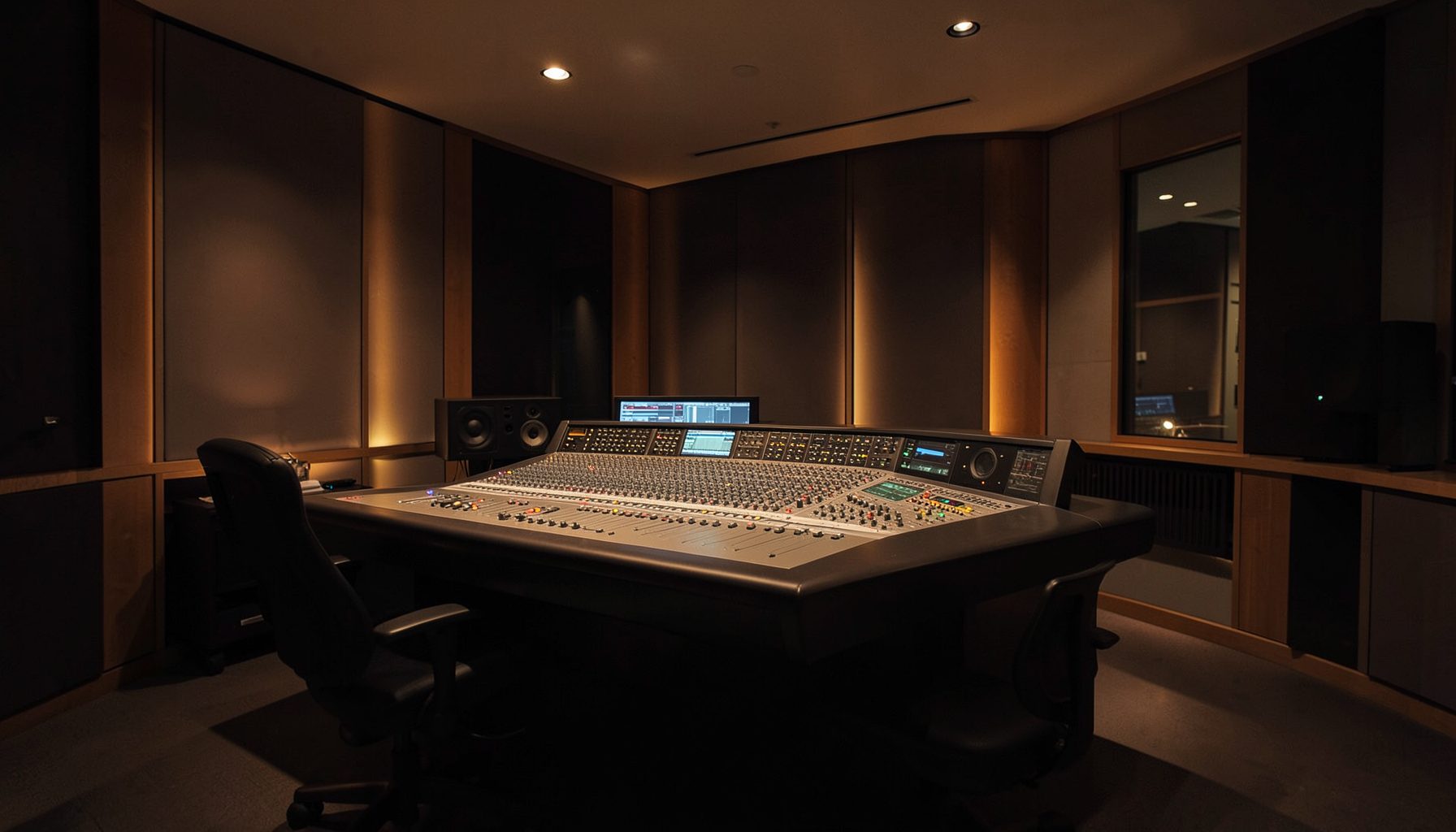
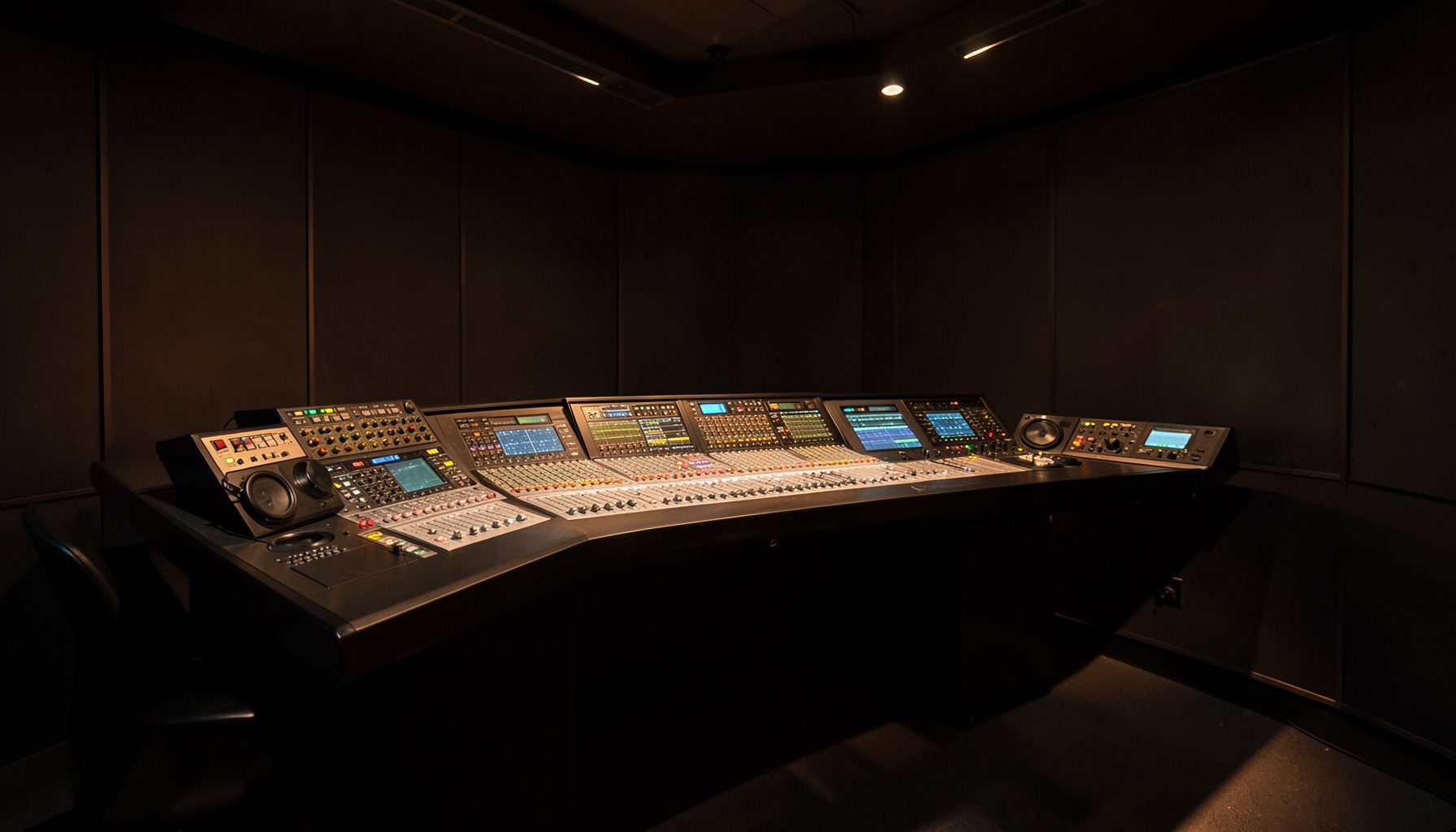
Power Core provides a networked audio platform for building these parallel processing paths. Instead of forcing every outlet through one identical signal chain, engineers can create separate routing, mixing and processing stages while maintaining central control. That approach suits radio stations moving towards software-based production, shared infrastructure and Broadcast 3.0 workflows.
One Source, Several Delivery Paths
A useful architecture begins with a clean programme feed from the studio playout, live assist desk or outside broadcast contribution. Power Core can distribute that feed to independent processing paths, allowing the FM, AM and online services to be treated according to their technical and editorial needs.
The FM chain may require processing designed for consistent perceived loudness, stereo presentation and modulation control. An AM service usually benefits from a different bandwidth and dynamics strategy, particularly where intelligibility and coverage matter more than a bright, highly processed sound. The streaming feed can have its own loudness target and may be optimised for speech, music or mixed listening over headphones and small speakers.
This separation also protects operational flexibility. A station can adjust the web output during a long interview, maintain a more conservative AM profile, and preserve the familiar FM sound without creating three disconnected studios.
Centralised DSP Without Losing Local Control
Power Core’s value is strongest when processing, routing and control are treated as shared network resources. Engineers can locate audio functions where they make operational sense rather than filling every rack with dedicated hardware. A central node can support multiple studios, contribution points and transmission feeds, with control surfaces and software interfaces presenting the functions required by each operator.
That model is relevant to Australian networks with a main newsroom in Sydney and smaller facilities in regional New South Wales, Queensland or Western Australia. Local presenters can work with familiar controls while technical staff manage templates, permissions and signal paths centrally. It also simplifies support when a station operates outside standard office hours, as is common with breakfast radio and overnight automation.
Redundancy should be designed into the signal plan from the beginning. Separate network paths, backup programme sources and monitored failover routes are more useful than simply adding spare equipment after installation. A Power Core deployment can be organised around those priorities, with alarms and metering giving operators visibility before an outage reaches listeners.
Processing For FM, AM And Online Loudness
Each outlet has a different listener expectation. FM audiences may notice changes in density, bass energy and stereo width during a commute. AM listeners may prioritise clear speech in noisy vehicles or across a wide regional area. Online audiences can switch between a smart speaker, a phone in Sydney traffic or earbuds on a train, where excessive compression quickly becomes tiring.
A shared input does not mean a shared sonic identity. Independent buses can host separate equalisation, dynamics, delay, limiting and loudness management, subject to the capabilities and configuration of the wider system. The stream can be delayed or encoded downstream without forcing the terrestrial feeds to follow the same timing.
The design should also account for metadata and programme continuity. Station imaging, ad breaks, emergency announcements and local opt-outs may need to diverge between services. Clear labelling of source, destination and processing profile helps prevent an AM configuration from being copied accidentally to FM or online output.
Networked Workflows Across Australian Operations
A networked audio core is particularly useful where production and transmission are separated. A live interview from Brisbane can be mixed at one site, monitored by a network team in Melbourne and distributed to local services through managed IP connections. The same principle supports syndicated breakfast shows, regional news inserts and shared sports coverage.
Timing and resilience require careful engineering. Australian operators must consider long distances between cities, variable carrier services and the practical limits of regional connectivity. Managed switches, redundant links, disciplined clocking and well-defined fallback sources should be part of the system design, rather than afterthoughts.
For distributed production and cloud-connected collaboration, Lawo’s RƎLAY cloud architecture provides useful context for how radio workflows can extend beyond a single physical studio. Power Core can sit within a broader environment that connects local consoles, remote contributors and virtualised production resources.
Compliance, Monitoring And Operational Confidence
Australian stations operate under licences and technical conditions overseen by the Australian Communications and Media Authority. The exact obligations vary by service and licence type, but the engineering team still needs reliable monitoring of programme levels, transmission feeds, alarms and changes made to processing. A well-documented chain makes it easier to demonstrate consistent operation and investigate complaints.
DAB+ is also relevant in Australia’s major metropolitan markets, while AM, FM and internet radio continue to serve different audiences. A station may therefore need a fourth distribution path in addition to the three considered here, or it may use the web stream as a common source for an app and smart-speaker service. The architecture should allow additional outputs without multiplying operator tasks.
Monitoring should include source presence, silence detection, peak and loudness measurements, delay status, codec health and output confidence. Fibre and optical infrastructure can be part of the wider transport design, so specialist advice from Genoptics SPR may be relevant when planning inter-site connectivity and physical network resilience.
A Practical Deployment Path
Implementation is easier when the station maps its signal flows before choosing processing presets. Document the studio source, playout output, local inserts, terrestrial feeds, streaming encoder, delay requirements and fallback behaviour. Then build the Power Core configuration around named buses and reusable templates rather than ad hoc point-to-point routes.
The following model separates the creative and technical objectives of each service:
| Service | Primary listener need | Processing priority | Typical operational focus |
|---|---|---|---|
| FM | Consistent, engaging local radio sound | Loudness control, stereo management and modulation-safe output | Commuter listening and local station identity |
| AM | Speech intelligibility and robust coverage | Controlled bandwidth, clear dynamics and stable levels | Regional reach, talk formats and vehicle reception |
| Web stream | Reliable sound across devices and networks | Codec-aware loudness, manageable peak levels and metadata continuity | Mobile, app, smart-speaker and on-demand listening |
Before going live, run parallel tests during breakfast, music-heavy programming, talk segments, advertising and an outside contribution. Compare the three outputs on representative receivers, verify failover behaviour, and document the approved presets. For project coordination or configuration discussions, the station can use Lawo’s contact page as the next technical planning step.