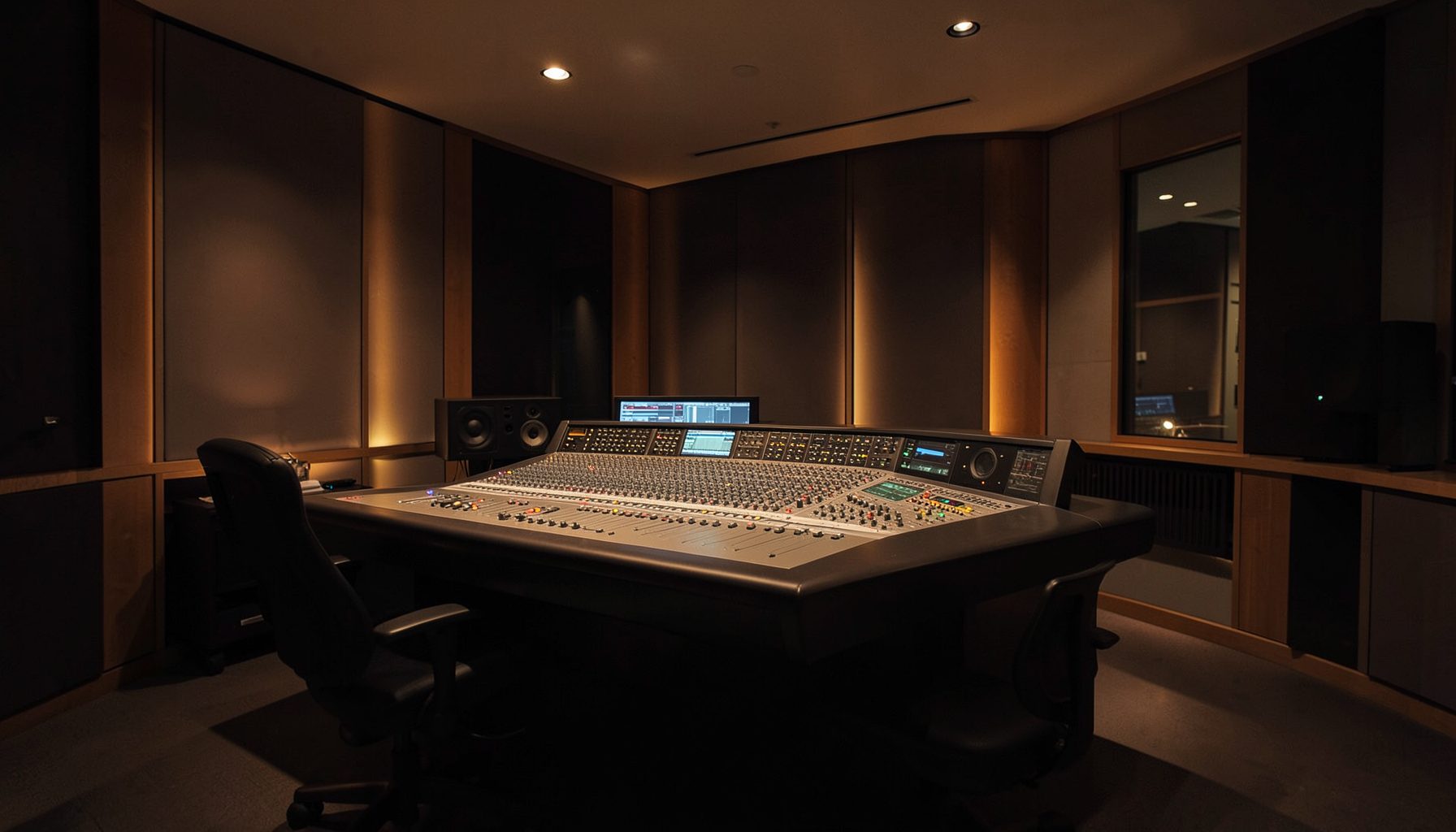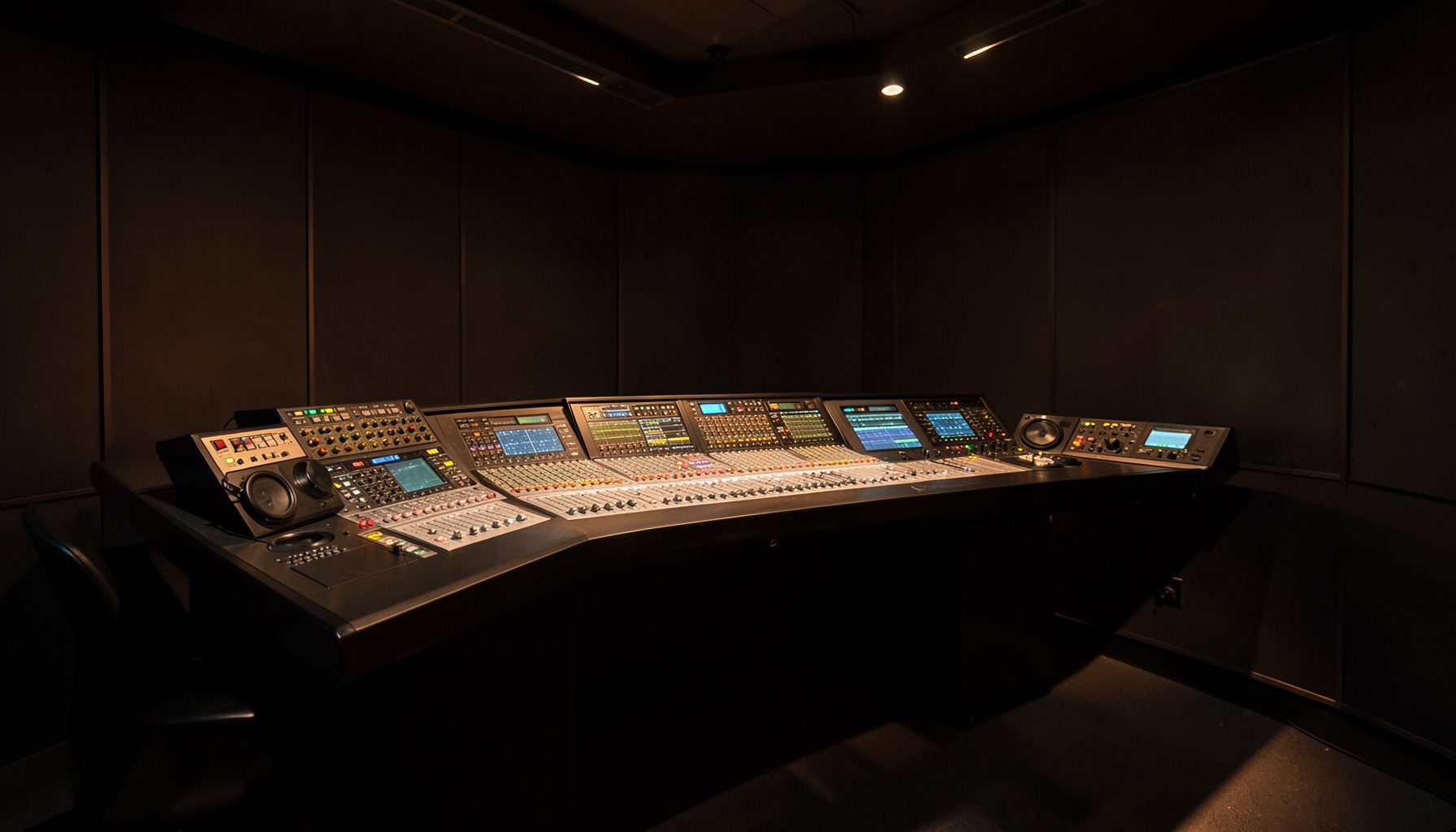
N-1 Bus Management on Ruby for Clean Phone Interview Audio
Phone interviews remain central to Australian radio, from a breakfast presenter speaking with a councillor in Brisbane to a regional newsroom connecting with a witness near Dubbo. The challenge is keeping the caller’s voice clear while preventing the studio mix from returning through the phone line and creating an echo, howl, or distracting delay.
On Ruby, an N-1 bus, also called a mix-minus or clean-feed bus, gives the phone guest everything needed for the conversation except their own voice. With a carefully built signal path, presenters can manage live interviews naturally while the technical system handles the separation between programme audio, caller audio, and return audio.
Why N-1 matters on air
A phone caller needs to hear the presenter, studio guests, beds, and selected playback. They must not hear their own microphone signal coming back from the console. If they do, even a short delay from a mobile network or codec can make conversation difficult and cause the caller to stop speaking.
The N-1 bus solves this by combining the required studio sources while excluding the caller return. Ruby can treat that feed as a dedicated destination for a hybrid, codec, or telephone interface. The caller’s incoming audio remains available to the main programme mix, recording, monitoring, and downstream distribution.
This separation is especially useful during fast-paced breakfast radio, where the presenter may move from a traffic update to an interview with little warning. A stable clean feed reduces the need for manual muting and helps maintain consistent levels during live conversation.
Build the mix-minus path
Start by identifying the phone interface’s input and output channels. The input carries the caller into Ruby; the output sends the N-1 return back to the caller. Create a bus containing the presenter microphone and any studio sources the caller should hear, then remove the caller input from that bus.
The presenter microphone should normally sit at the heart of the return mix. Depending on the programme, the bus may also include a co-host, studio guest, music bed, or playout audio. Keep the selection deliberate: a caller usually needs context, not every source appearing on the station’s main output.
Ruby’s routing and control approach makes it practical to expose the important functions to the operator. A dedicated mix-minus level, caller send control, and talkback or pre-fade listen path can be placed where the presenter or producer can reach them quickly. If the studio uses Lawo’s broader networked workflow, the same logic can be coordinated across connected audio resources rather than tied to one physical socket.
Keep the presenter and caller intelligible
Clean phone interview audio begins with gain structure. Set the caller input so normal speech has useful headroom, then use Ruby’s processing to control peaks without making the telephone channel sound unnaturally loud or compressed. Excessive processing can exaggerate network artefacts, room noise, and clipped consonants.
The return feed should be monitored from the caller’s perspective. Listen to what leaves the studio, not just to the main programme mix. A presenter microphone that sounds balanced in the control room can still be too quiet in the N-1 feed, while a music bed that works on air may mask speech for the person on the line.
For remote guests using mobile phones in Perth, Cairns, or a noisy railway station in Sydney, a small amount of carefully applied ducking can help. The presenter’s voice should remain dominant, but the caller should still hear enough programme sound to know when they are live. Avoid aggressive gating, which can cut off the beginnings of words and make natural conversation feel awkward.
| Routing approach | Caller hears | Main advantage | Common risk |
|---|---|---|---|
| Presenter-only N-1 | Presenter microphone | Maximum clarity and low complexity | Caller may lack programme context |
| Presenter plus studio guest | Selected microphones | Natural multi-person interview | Requires disciplined source selection |
| Presenter plus programme bed | Voice and controlled bed | Preserves show identity | Music can compete with speech |
| Full programme minus caller | Most programme sources except caller | Flexible for larger shows | Accidental feedback or clutter |
| Separate clean-feed buses | Custom feed per destination | Supports phones, codecs, and remotes | More setup and monitoring required |
Adapt the workflow to Australian radio
Australian stations often combine local presentation with syndicated segments, networked breakfast shows, and regional opt-outs. A caller in Adelaide may need one return feed for a local interview, while a network contribution may require a different mix that excludes local commercials or a station-specific bed. Separate N-1 buses prevent one production decision from affecting every destination.
Time zones add another operational detail. A producer in Melbourne may be coordinating with a guest in Darwin or a network source in Perth, where timing and availability differ. Preparing the return bus as a reusable Ruby scene or control layout reduces last-minute routing changes when a guest joins earlier or later than expected.
Connectivity also varies across the country. Mobile calls from rural Queensland or Western Australia can introduce noticeable delay, packet loss, or changing speech levels. The N-1 path cannot remove network delay, but it can prevent the console from adding a second return path that makes the delay sound like an echo.
For social and online extensions, the studio may need additional mixes with different content priorities. Lawo’s virtual mixer workflow illustrates how software-based control can support parallel destinations, while the radio operator keeps the phone interview feed focused and predictable.
Coordinate buses with talkback and monitoring
Talkback should be kept separate from the programme-facing N-1 unless the producer specifically needs to speak to the caller. A dedicated talkback route allows an operator to cue a guest, resolve a technical issue, or ask for a shorter answer without sending private studio remarks to air.
Use pre-fade listen and confidence monitoring to verify each stage. Check the caller input, the N-1 output, and the main programme output independently. If the hybrid offers its own return monitoring, compare that with the console feed so an incorrect patch or duplicated monitoring path is easy to identify.
For a multi-studio broadcaster, labels matter as much as routing. Names such as “Phone 1 Caller,” “Phone 1 N-1,” and “Phone 1 Talkback” are clearer than generic channel numbers. Consistent labels help a casual relief operator in a regional newsroom work safely during a busy local bulletin.
Make the setup repeatable
A reliable Ruby phone workflow should be easy to recall and difficult to misuse. Store the routing, bus membership, nominal levels, processing, and control assignments in a prepared configuration. Keep source selection visible so the presenter can see whether a co-host, bed, or remote guest is included in the return.
Before going live, run a short line check: confirm the caller hears the presenter, confirm the caller does not hear their own voice, and confirm the main mix contains the caller at the intended level. Repeat the check after changing hybrids, codecs, studios, or network destinations.
The most useful final safeguard is a short recorded test from the actual phone path. Play it back on headphones, verify that the return is clean and intelligible, and then save the tested Ruby configuration as the standard phone-interview setup for the station.