RƎLAY brings broadcast control to social live streams
Live streaming has evolved from a simple camera-and-microphone setup into a demanding production workflow. Broadcasters now combine presenters, remote guests, music, clips, sponsorship messages, background beds, and platform-specific program feeds while maintaining consistent sound quality.
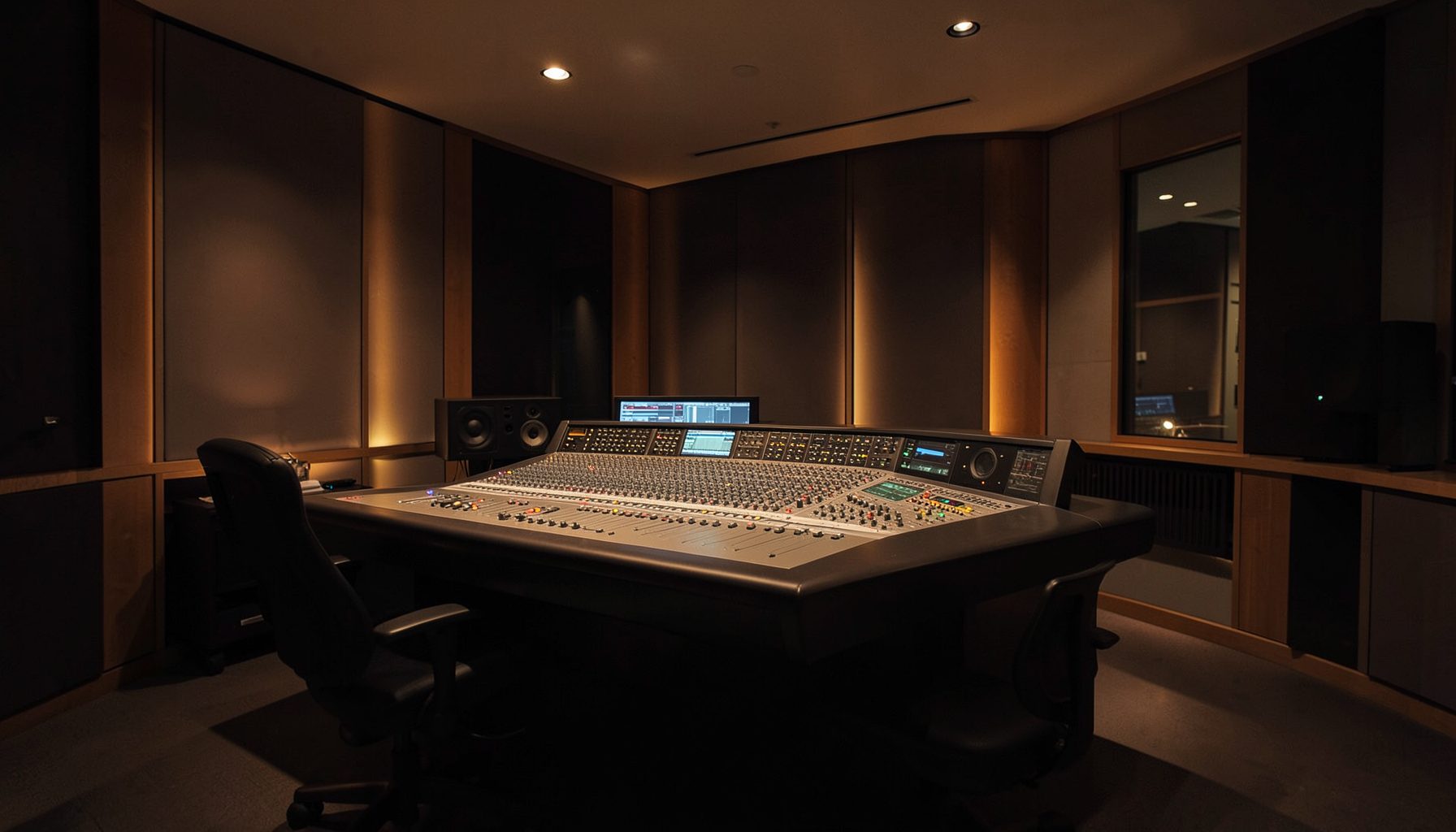
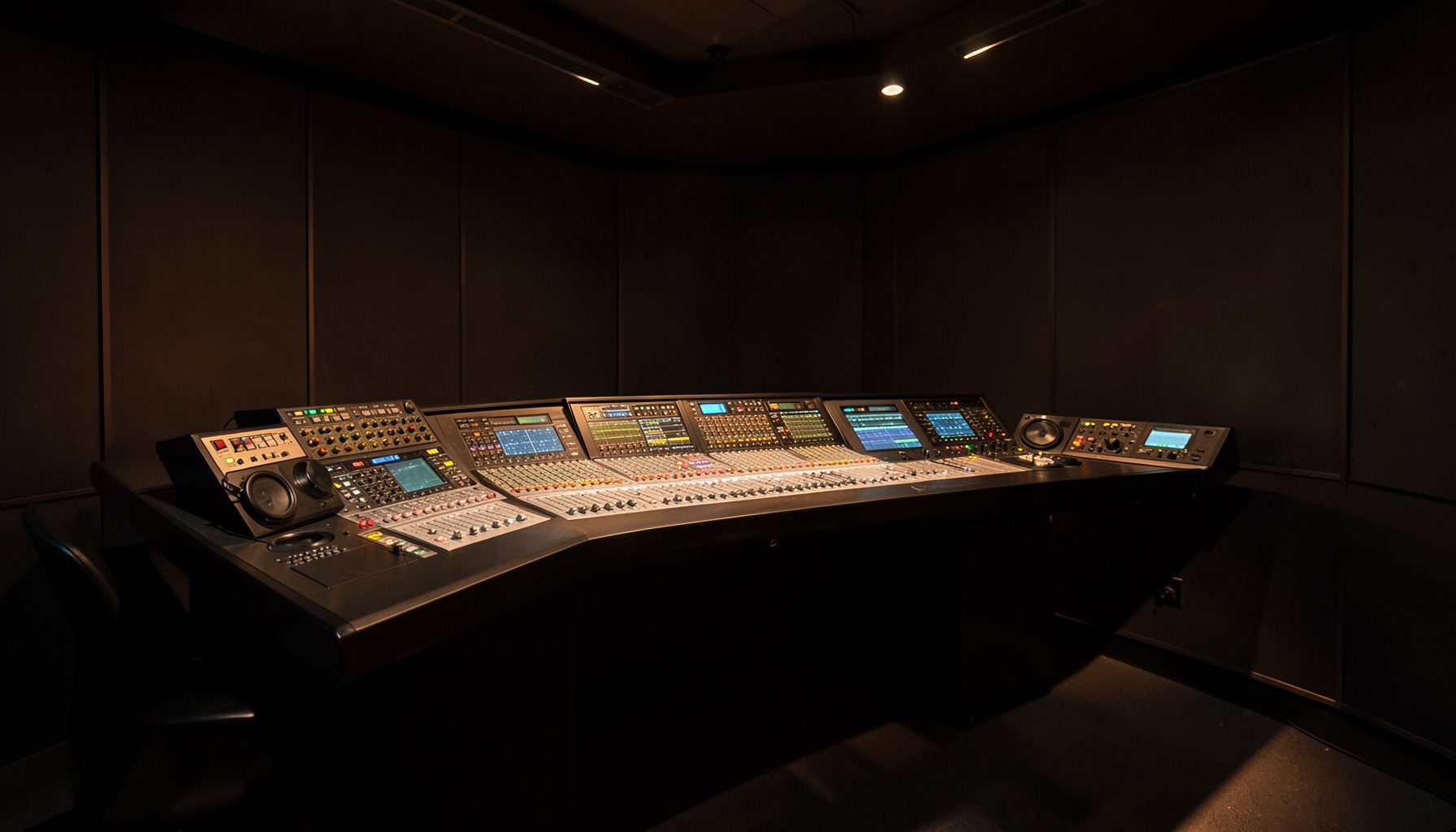
RƎLAY gives radio producers a software-based way to manage these sources in a virtual mixing environment. Instead of building every show around a physical console, teams can create a flexible audio workflow that follows the needs of a social broadcast, podcast, webcast, or hybrid production.
This approach suits broadcasters that need fast changes, remote operation, and reliable routing without sacrificing the discipline of professional audio. It also connects naturally with Lawo’s wider networked production ecosystem.
A virtual mixer built for changing formats
A social media stream can shift quickly between a host speaking to camera, a remote contributor joining from another location, a pre-produced video, and a music or sponsor element. A virtual mixer helps operators handle those changes from a software interface rather than relying on a fixed hardware layout.
RƎLAY can serve as the central audio layer for these productions. Inputs may include microphones, remote callers, playback systems, application audio, and network sources. The operator can balance levels, mute channels, apply processing, and send the appropriate mix to the streaming workflow.
The result is a production environment that can be adapted for different shows without rewiring a studio. A morning radio simulcast, a product launch, and a live interview can each use their own source layout and operating logic.
Cleaner routing for presenters and guests
Audio routing becomes especially important when a stream includes several people in different locations. Presenters need to hear selected sources, remote guests need a controlled return feed, and the online audience must receive a coherent program mix. Poor routing can create echoes, doubled voices, or distracting background audio.
With a virtualized RƎLAY setup, operators can define separate program, monitor, cue, and mix-minus paths. This gives each participant the audio they need while keeping unwanted signals out of the broadcast feed. It also supports a more predictable workflow when guests connect through conferencing applications or remote contribution tools.
Networked audio resources can further reduce the distance between the production team and the content. A producer may manage the stream from a control room while sources and operators remain distributed across a facility or production network.
From studio production to platform delivery
RƎLAY handles the mixing and routing layer, while the final delivery path can be connected to the selected streaming service through an encoder or production platform. This separation is useful because social networks frequently change their formats, resolutions, audience features, and delivery requirements.
A production team can preserve its audio workflow while adjusting the video and distribution side for different destinations. The same finished mix may feed a live social channel, a website player, a podcast recording, or an internal monitoring stream, with levels and routing adapted as needed.
For operators who need a visual control surface, Lawo’s VisTool software interface can complement a networked production environment by presenting controls in a format tailored to the task. This helps simplify complex systems for presenters, producers, and technical staff.
| Production approach | Physical mixer workflow | RƎLAY virtual workflow |
|---|---|---|
| Studio changes | Often requires repatching or hardware changes | Layouts and routing can be reconfigured in software |
| Remote guests | May need additional hardware or external mixing | Guest feeds and return paths can be integrated into the audio workflow |
| Multiple program feeds | Requires careful physical routing | Separate buses and destinations can be created as needed |
| Distributed operation | Usually centered on the console location | Networked resources can support remote or shared production |
| Scaling for new shows | Additional equipment may be necessary | Software-based expansion can simplify reuse and adaptation |
Consistent sound for social audiences
Social viewers may listen through laptop speakers, earbuds, phones, or small Bluetooth devices. A mix that sounds acceptable in a control room can become harsh, quiet, or unclear on those systems. Voice intelligibility therefore matters as much as creative presentation.
A virtual mixer supports a repeatable approach to gain structure, equalization, dynamics, and bus management. Producers can give spoken content enough presence while keeping music and effects under control. Preset-based workflows can also help maintain a recognizable sonic identity across recurring streams.
The platform itself does not determine the quality of the show. A well-managed audio signal, sensible monitoring, and careful control of loudness give audiences a smoother experience whether they are watching a live radio program, an esports segment, or a branded event.
Efficient production for small teams
Many social broadcasts are produced by compact teams. One person may coordinate guests, monitor the stream, manage graphics, and operate audio. A virtual mixer can reduce the number of separate interfaces and make the most important controls available in a single production workspace.
RƎLAY supports this streamlined model by allowing workflows to be designed around the operator rather than around a traditional console surface. Frequently used actions can be organized into clear controls, while more advanced routing remains available when a show requires it.
That flexibility is valuable for broadcasters that move between studio, remote, and event locations. A consistent software workflow can reduce setup time and help staff work confidently across different production spaces.
Building a repeatable live streaming workflow
A reliable setup starts with a defined signal path. Identify every microphone, remote contribution, playback source, and return feed before the broadcast begins. Then determine which sources belong in the main program, presenter monitoring, guest mix-minus, recording, and backup paths.
Useful practices include:
- Create separate layouts for interviews, music-led shows, and branded events.
- Keep presenter, guest, playback, and audience feeds clearly labeled.
- Prepare mix-minus and monitoring paths before guests connect.
- Establish a consistent loudness and dynamics approach for spoken content.
- Test the encoder and platform destination with the complete audio chain.
Templates can make recurring productions faster to launch, while operator-friendly controls reduce the risk of accidental routing changes during a live segment. Recording a clean local copy also provides a useful fallback for on-demand publishing or post-event editing.
Connecting broadcast discipline with social reach
Live social video rewards immediacy, but audiences still notice unstable levels, echo, noise, and unclear speech. RƎLAY brings established broadcast practices into a software-defined environment that can support the speed and variety of modern online programming.
For radio stations, production companies, and media teams, the value lies in creating a reusable audio core. That core can serve a livestream today, a remote interview tomorrow, and a larger networked production later without forcing every project into the same physical configuration.
Explore how RƎLAY can fit into your live production architecture, define the sources and destinations your team uses most, and build a virtual mixer workflow that delivers polished audio to every social audience.