Managing Multiple Talk Shows Simultaneously with Ruby and VisTool
Producing several talk shows from one facility requires more than enough microphone inputs. Producers need clear source management, predictable mix-minus feeds, fast access to talent controls, and a way to keep each program’s identity intact. A networked audio architecture helps the technical team handle these demands without turning the studio into a maze of hardware.
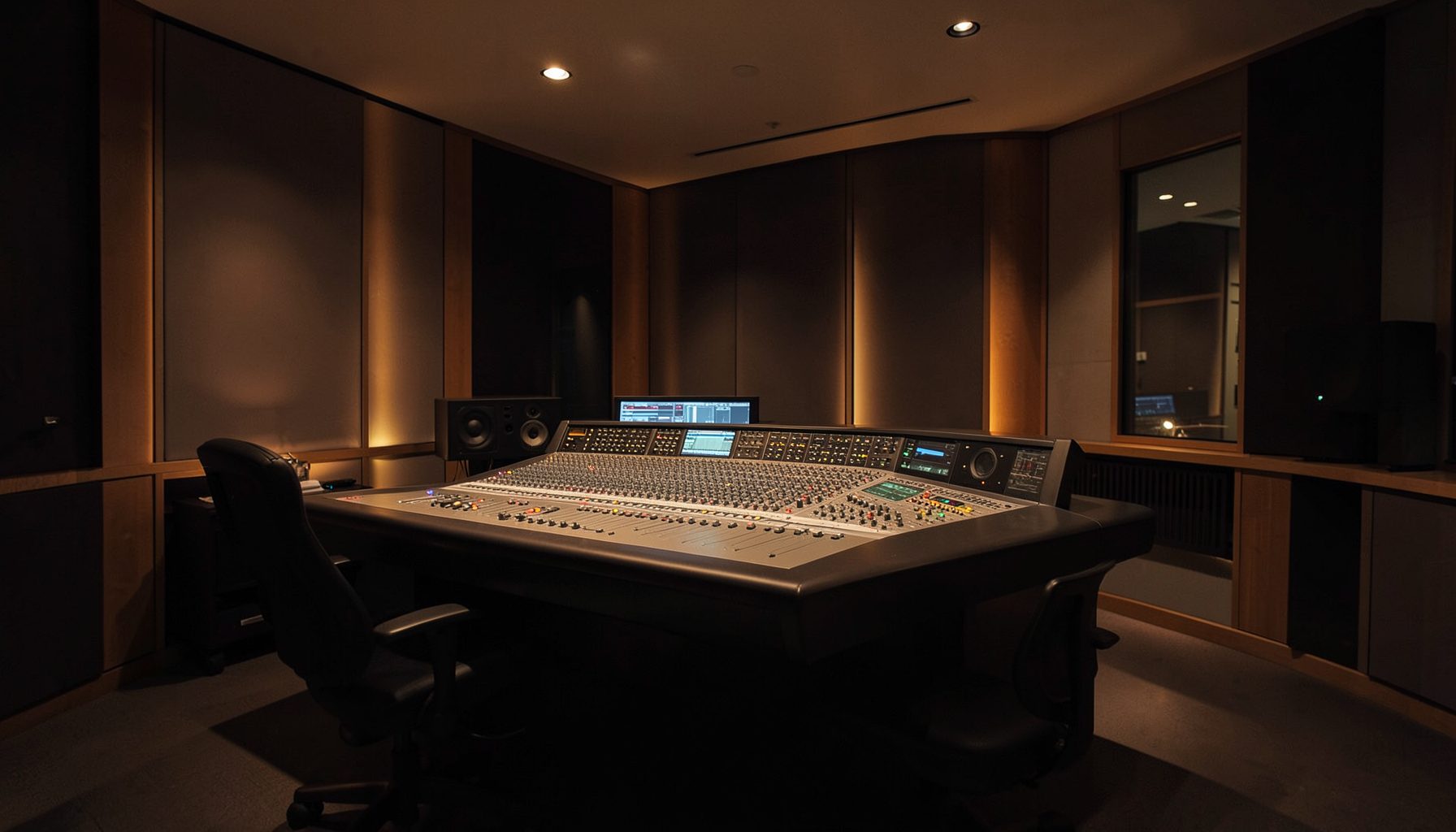
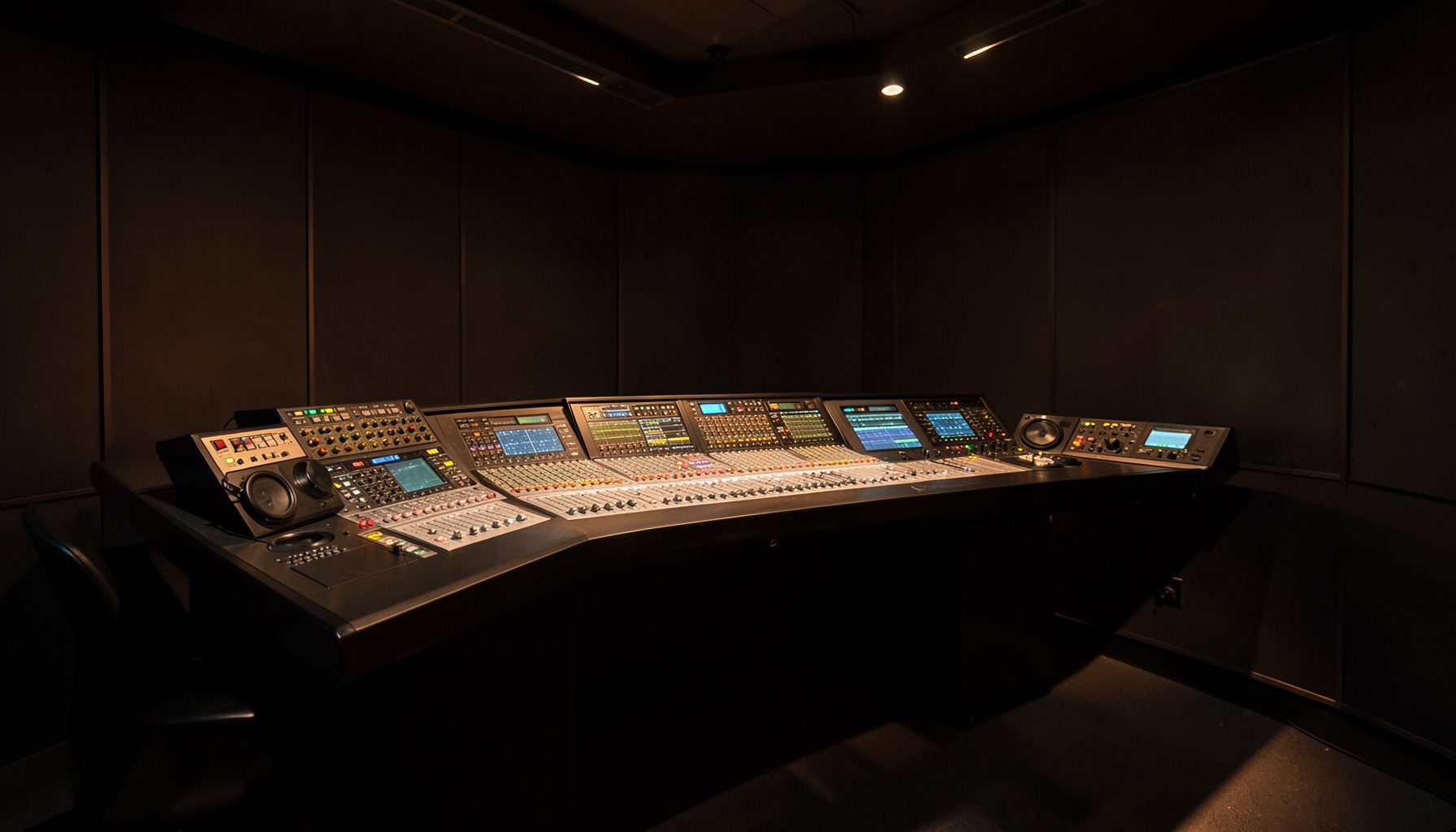
Ruby mixing consoles and VisTool studio software provide a practical foundation for managing multiple talk shows simultaneously. Ruby supplies tactile control for operators, while VisTool can present customized control pages for producers, presenters, and support staff. Together, they make complex routing and control tasks easier to understand at a glance.
The workflow becomes especially effective when audio processing, routing, and control are distributed across the network. With Power Core audio nodes handling core signal functions and Ruby surfaces assigned to specific rooms or shows, a station can scale production without duplicating every piece of equipment.
Build a shared but disciplined control structure
The first step is to define which resources should be shared and which should remain dedicated. Microphone inputs, codecs, telephone hybrids, playout systems, and remote contribution channels can feed a central networked infrastructure. Each show can then receive its own buses, monitor paths, mix-minus feeds, and processing presets.
Ruby gives operators physical access to essential functions such as fader levels, source selection, monitoring, and talkback. This is valuable during live discussion, where a presenter may need an immediate adjustment without navigating several software windows. VisTool can complement the console with role-specific pages for tasks that do not need a dedicated physical control.
A carefully designed control layer also reduces accidental changes. A producer can adjust guest levels or trigger a studio cue on a restricted VisTool page, while the main operator retains authority over transmission output and critical routing.
Give every program a defined audio identity
Multiple talk shows may share guests, studios, and technical staff, but each program still needs a consistent sonic character. Store separate profiles for host microphones, guest channels, remote callers, music beds, and processing chains. These profiles can be recalled quickly when a different production moves into the same room.
Ruby and Power Core support a networked approach in which processing and routing are available where the production needs them. A show can use a consistent microphone chain even when its console position changes, provided the relevant sources and control permissions are mapped correctly.
This separation also makes handovers more reliable. Instead of rebuilding a mix from scratch, an operator loads the appropriate show configuration, checks the active sources, and verifies the transmission and recording destinations before going live.
Coordinate guests, callers, and remote contributors
Talk radio becomes technically demanding when several external voices join the discussion. Every caller or remote guest needs a clean return feed that excludes their own voice, while the presenter and other contributors need an intelligible monitor mix. Separate mix-minus buses for each connection prevent echo and preserve conversational flow.
A central audio node can simplify this arrangement by making sources and destinations available across the facility. The same architecture can serve live radio, post-production, and other performance environments; Lawo’s latency optimization guide explains why predictable network behavior matters when contributors and monitoring paths must remain tightly synchronized.
VisTool pages can expose the controls that matter during a call: connection status, send level, return level, mute, and talkback. Producers do not need access to the entire routing system. They see a focused interface that supports fast decisions while protecting the underlying configuration.
Match controls to each production role
A single interface rarely suits everyone in a busy broadcast operation. The main operator may need a full Ruby surface with detailed channel access, while a producer may only require guest level, delay, recording, and cue controls. Presenters often benefit from a simple panel containing cough mute, talkback, and selected source controls.
VisTool allows these views to be designed around responsibilities rather than equipment locations. A producer can work from a dedicated screen in a control room or studio, and multiple pages can reflect different programs without changing the core audio design.
Access control is equally important. Keep high-risk functions, such as transmission routing and system-wide resets, limited to trained operators. Provide less experienced users with clearly labeled controls and sensible defaults. This combination of customization and permission management supports faster production without sacrificing stability.
| Production need | Ruby console role | VisTool role | Networked audio benefit |
|---|---|---|---|
| Presenter control | Immediate fader, mute, and monitor access | Simple personal control page | Consistent access across studios |
| Guest contribution | Hands-on level and talkback control | Connection and cue status | Flexible routing to any assigned room |
| Producer workflow | Source and bus supervision | Show-specific control panels | Fewer duplicated hardware positions |
| Program handover | Recallable surface configuration | Preset-based interface views | Faster changeover between shows |
| Recording and archive | Monitoring and bus selection | Destination status and triggers | Centralized signal availability |
Automate repeatable tasks without losing oversight
Automation should remove repetitive actions, not hide important decisions. VisTool can provide buttons or panels for recurring operations such as opening a guest channel, enabling a remote return, changing monitor sources, or preparing a recording feed. These actions can be grouped into clearly named show macros or presets.
AutoMix can help manage microphone activity when several participants speak in the same segment. By controlling open microphones intelligently, it can reduce accumulated room noise and make the conversation easier to follow. The operator should still retain the ability to override the process when a particular editorial moment calls for manual handling.
Consistent naming is essential when several shows operate in parallel. Use predictable labels for hosts, guests, codecs, telephone lines, mix-minus buses, and destinations. A clear naming convention improves fault finding and prevents an operator from sending the wrong source to air.
Prepare for simultaneous operation and fast recovery
Before scheduling concurrent programs, map the complete signal path for each one. Document inputs, processing, monitor feeds, mix-minus outputs, recording destinations, and emergency sources. Then test the paths under realistic conditions, including a remote guest, a local caller, a music insert, and a presenter switching between monitor sources.
Create a fallback for every critical contribution. A backup microphone, alternate codec route, spare monitoring path, or preconfigured emergency bus can keep a show moving while the technical team investigates a fault. Because networked systems can distribute resources, resilience planning does not always require a duplicate console for every room.
Run short rehearsals for operators and producers. They should know how to load a show profile, confirm active routing, identify a muted source, and reach technical support. These simple procedures reduce the pressure of managing several live productions at the same time.
Establish a repeatable operating routine
- Create a dedicated Ruby and VisTool profile for every regular program.
- Assign separate mix-minus buses and monitor paths to each remote contribution.
- Limit VisTool pages to the controls required by each user role.
- Test simultaneous shows with realistic guest, caller, and recording scenarios.
- Keep documented backup routes and an emergency transmission source available.
A repeatable routine turns the system from a collection of advanced tools into a dependable production platform. Operators can concentrate on editorial timing and conversation quality because the technical workflow remains visible, organized, and recoverable.
Configure one representative studio first, then validate the routing, control pages, presets, and permissions with a live-style rehearsal. Once that workflow is stable, extend the same design to additional talk rooms and production positions, creating a scalable foundation for efficient Broadcast 3.0 operations.