Optimizing latency for live performances with Lawo audio nodes
Live performance audio depends on timing. Musicians, presenters, performers, and engineers must hear reliable signals without distracting delay, while audiences expect every microphone, playback cue, and visual action to remain tightly aligned. Even a small amount of latency can affect confidence, musical feel, and the accuracy of a live production.
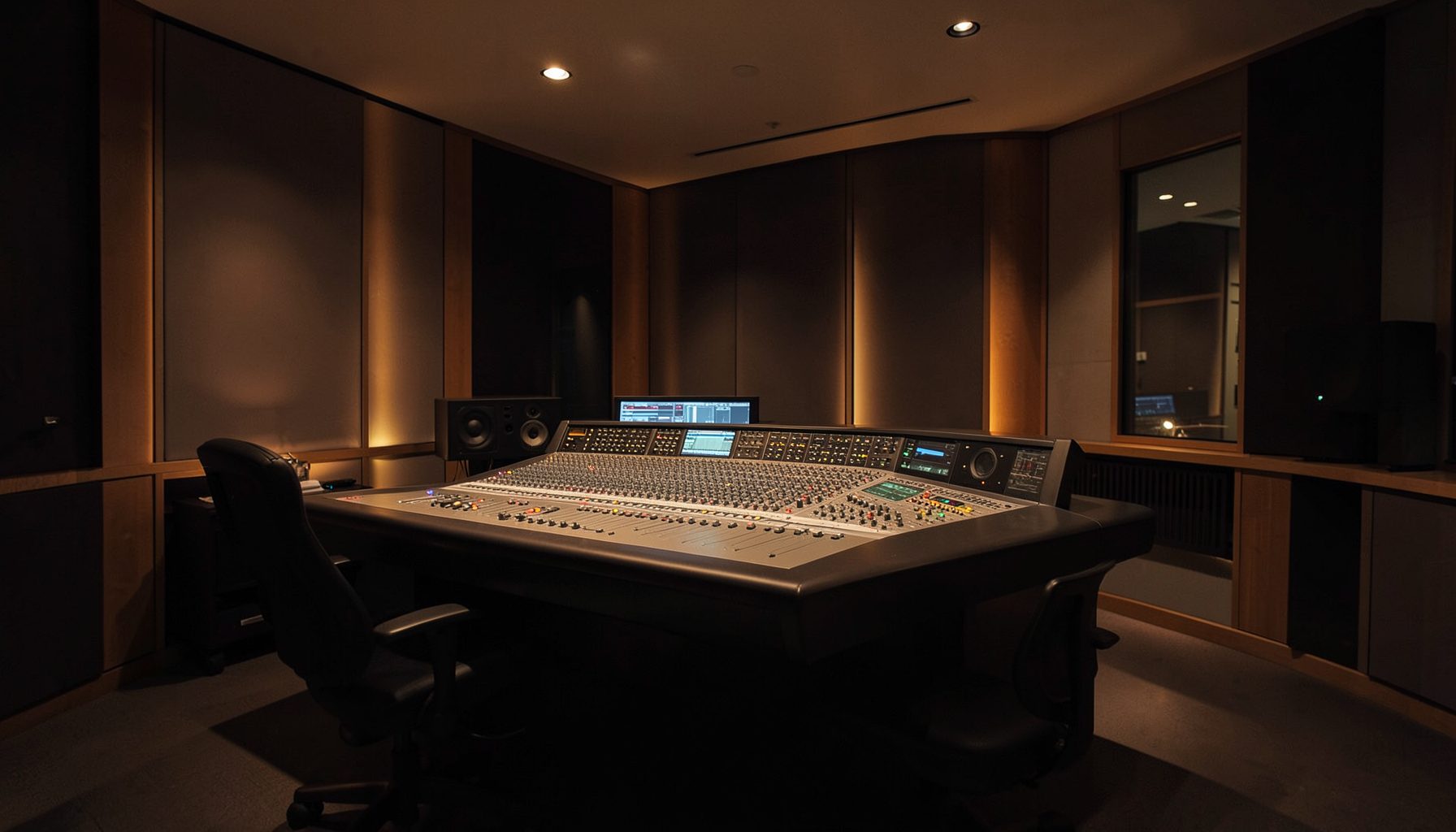
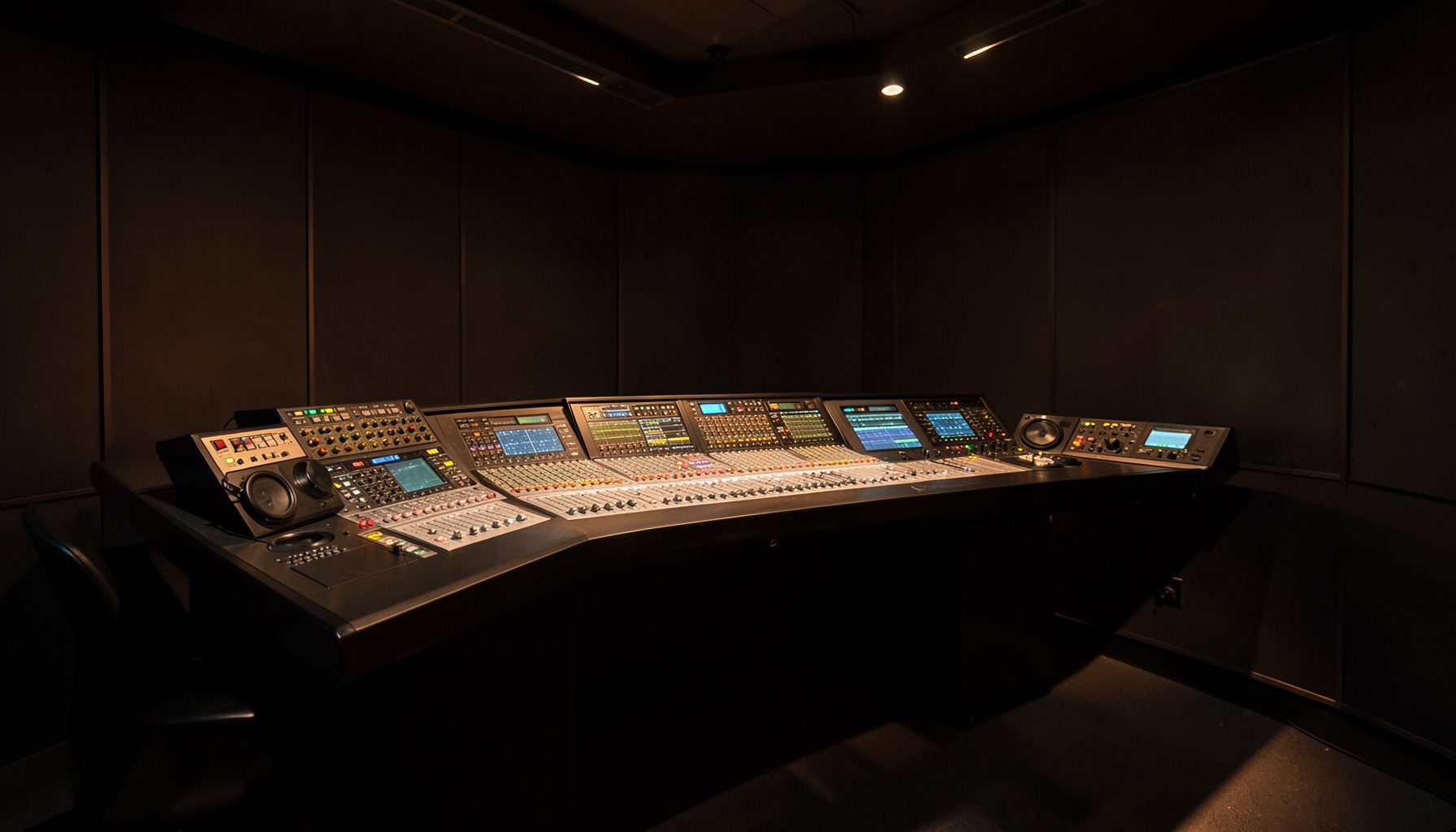
Lawo’s networked audio approach gives production teams a way to manage this timing across consoles, stage inputs, processing, monitoring, and distribution. Power Core audio nodes, Ruby mixing consoles, and compatible software tools can form a flexible signal path that supports both fixed venues and changing touring requirements.
The most effective latency strategy begins before the show. Engineers need to understand where delay is introduced, which paths require the fastest response, and where additional processing can be placed without affecting performers. A carefully designed system can then deliver low-latency monitoring while retaining the routing and processing benefits of an IP-based workflow.
Map every signal path
Latency is cumulative, so the first step is to document the complete route from source to destination. A vocal microphone may travel through an input stage, network transport, console processing, effects, monitor output, amplifiers, and loudspeakers. Each stage can add a small delay, and the total becomes noticeable when several stages are combined.
Power Core nodes can centralize or distribute audio processing close to the sources and destinations that need it. Keeping critical monitor paths short reduces unnecessary network hops and makes timing easier to predict. Separate paths should be mapped for performer monitoring, front-of-house sound, broadcast feeds, recording, and backstage communication.
A signal-flow review should also identify conversions between analog and digital domains. Analog inputs, digital interfaces, sample-rate converters, plug-ins, and external processors may all affect response time. Measuring the complete path is more useful than relying on the latency figure of one device.
Prioritize performer monitoring
The monitor mix is usually the most latency-sensitive part of a live system. Performers need their voices, instruments, and cues to feel immediate. A front-of-house mix can often tolerate more processing than an in-ear monitor or stage-wedge path, particularly when the audience mix includes look-ahead dynamics or complex effects.
Use direct or near-direct monitoring for essential sources whenever possible. Vocalists may benefit from a clean, low-latency microphone path with carefully selected compression, while time-intensive effects can be routed to a parallel audience or broadcast mix. This preserves the performer’s sense of connection without removing creative processing from the production.
Lawo’s routing and control environment supports different mixes from shared network resources. Engineers can create dedicated monitor buses, assign appropriate processing to each bus, and keep latency-sensitive signals independent from slower production paths. This separation is especially valuable when a live performance also feeds streaming, recording, or radio distribution.
Build a predictable network
A high-performance audio network should be designed for consistent timing, not merely high bandwidth. RAVENNA and AES67-compatible workflows depend on accurate synchronization, stable clocking, and properly configured switches. Network redundancy can protect the show from a link or device failure, but redundant routes should be tested to confirm that a changeover does not create an audible interruption.
Use managed switches with appropriate quality-of-service settings and keep audio traffic logically separated from unrelated data. Multicast behavior, port configuration, and clock distribution should be verified before equipment reaches the venue. Network congestion can create packet delay variation even when the average bandwidth appears adequate.
The same planning matters in productions where audio supports fast-moving content and audience interaction. For example, a studio segment covering slot tournament rewards may require precise presenter cues, playback triggers, and remote contribution feeds. Consistent transport timing helps these elements remain coordinated when a production expands beyond a simple stage mix.
Balance processing against response time
Every processor should earn its place in a latency-sensitive path. Equalization and moderate compression generally have minimal impact, while linear-phase filters, look-ahead limiters, convolution reverbs, and some noise-reduction algorithms can introduce significantly more delay. The right choice depends on whether the signal is feeding performers, the audience, or a downstream broadcast.
A useful approach is to create processing tiers. The monitor tier should use fast dynamics and essential tone shaping. The house mix can include more detailed processing, while a broadcast or post-production feed can use additional loudness management and restoration tools. This structure avoids forcing every destination to accept the slowest processing chain.
Ruby consoles and Power Core processing resources can be allocated according to these priorities. Engineers should compare bypassed and active paths, confirm plug-in latency values, and avoid inserting a processor across a shared bus unless every destination can tolerate its delay. When a creative effect is essential, a parallel route can retain immediacy on the dry signal.
| Signal path | Main latency priority | Practical design choice | Typical processing approach |
|---|---|---|---|
| In-ear monitors | Immediate performer response | Short dedicated route | Low-latency EQ and compression |
| Stage wedges | Fast acoustic feedback control | Minimize conversions and hops | Basic dynamics and tonal shaping |
| Front-of-house mix | Balance and clarity | Allow moderate processing | Bus compression, effects, system EQ |
| Broadcast or stream feed | Consistent delivery timing | Match audio to video and remote sources | Loudness control and delay compensation |
| Recording or post-production | Flexibility and fidelity | Prioritize clean capture | Detailed processing after recording |
Align audio with video and remote sources
Live performances increasingly combine stage action with IMAG screens, cameras, remote guests, playback servers, and streaming platforms. Audio may be fast at the console but still appear late against video if the complete production chain is not aligned. The solution is often to delay the faster path rather than add delay indiscriminately throughout the system.
Measure camera, display, encoder, and contribution delays, then establish a reference point for synchronization. A small, intentional delay on a front-of-house or broadcast feed may provide better lip-sync than attempting to eliminate every millisecond from every device. Performer monitoring should remain separate so video compensation does not affect the stage experience.
Clock discipline is equally important. A shared timing reference helps networked devices maintain stable sample relationships and reduces drift during long events. Engineers should verify synchronization after system startup, network changes, and any switch to a redundant path.
Test with real show conditions
Latency checks should use the actual microphones, monitor systems, processing presets, network topology, and loudspeaker deployment planned for the event. Bench tests can confirm device behavior, but they cannot reveal the effect of long cable runs, wireless systems, venue acoustics, or a last-minute routing change.
Walk the system with performers and listen from the stage, control position, and audience area. Check spoken-word cues, rhythmic material, click tracks, wireless microphones, and communication channels. Record measured values for each important path so that the team has a baseline for troubleshooting.
A pre-show checklist can keep the process repeatable:
- Confirm sample rate, clock source, and network synchronization.
- Measure monitor, house, broadcast, and recording paths separately.
- Verify processing latency after every preset or plug-in change.
- Test redundant network links and recovery behavior.
- Check audio-to-video alignment at the final delivery point.
Turn measurements into a repeatable workflow
Low latency is most reliable when it becomes part of system design rather than a last-minute adjustment. Store routing templates, document approved processing chains, and label destinations according to their timing requirements. This gives operators a clear framework when a production grows from a local performance into a networked broadcast.
Lawo’s software-based ecosystem can support that repeatability by combining centralized control, networked I/O, and adaptable signal distribution. With VisTool, teams can present operational controls suited to the venue, while RƎLAY and other production tools can extend the workflow into virtualized or remote environments without abandoning signal-path discipline.
Start by measuring one complete performance path, then apply the findings to every destination. Configure the Lawo audio network around those measurements, rehearse with the actual show material, and make latency verification part of the technical check before every live performance.