Seamless Audio Redundancy with SMPTE ST 2022-7 on Lawo AoIP Networks
For Australian broadcasters moving from baseband audio to fully networked studios, the promise of AoIP goes well beyond cleaner cabling. It offers resilience, scalability, and the chance to centralise production across sites like Pyrmont, South Bank, and Collins Street without losing the immediacy listeners expect from a Triple J news break or an AFL call from the MCG. As facilities in Sydney, Melbourne, and Perth rebuild their playout chains, the question is no longer whether to move to IP, but how to keep that IP chain alive when a fibre pair flickers or a switch decides to take an unscheduled holiday.
That is where SMPTE ST 2022-7 earns its keep. Often described as a hitless merge or seamless protection scheme, the standard takes two identical RTP streams down physically diverse paths, aligns them at the receiver, and silently drops the bad packets without a pop, drop, or reboot. On a Lawo AoIP network built around Power Core and the wider Broadcast 3.0 ecosystem, ST 2022-7 is not an add-on card tucked into a back room. It is part of the fabric, and it changes how an engineer in Adelaide or Brisbane thinks about back-up paths.
Why Hitless IP Redundancy Matters Down Under
Australia's radio and television sector has long relied on dual-feed arrangements: a primary circuit and a standby, switched manually or via a relay panel when trouble struck. That model still works in a single studio, but it strains when a network operator is feeding ARN stations in Melbourne, Perth, and Brisbane from a single production hub. A one-second audio hole during a State of Origin call from Suncorp Stadium is not a technical footnote. It is the moment listeners flick to a podcast.
ST 2022-7 removes that exposure by treating redundancy as a continuous state rather than an event. Both streams arrive at the receiver at all times, and the receiver simply discards whatever the bad path delivers. The output never knows there was a problem, which means on-air presenters in Perth can talk through a switch reboot without anyone in the control room reaching for the silence detector.
Inside the Hitless Merge Protocol
The mechanism is straightforward on paper. A sender transmits two identical RTP streams, each tagged with a sequence number, down separate network paths. The receiver buffers incoming packets, compares the sequence numbers, and forwards each packet exactly once to the mixer or monitor, choosing the cleanest copy when duplicates differ. Because the merge happens below the audio layer, no DSP resource is consumed at the console and no glitch is inserted.
| Feature | SMPTE ST 2022-7 | Traditional 1+1 Hot Standby | Single Path with Manual Failover |
|---|---|---|---|
| Switchover behaviour | Hitless, packet-level | Brief mute on relay | Audible drop, operator action |
| Bandwidth required | 2× stream rate | 2× stream rate | 1× stream rate |
| Receiver complexity | Moderate | Low | Low |
| Suitability for live sport | High | Medium | Low |
The bandwidth cost is real, but it is the same 2× figure any 1+1 scheme demands. What an engineer gains is the absence of a transition moment, which is precisely what ACMA-licensed services are expected to deliver.
Power Core and Power Core Edge as the Anchor
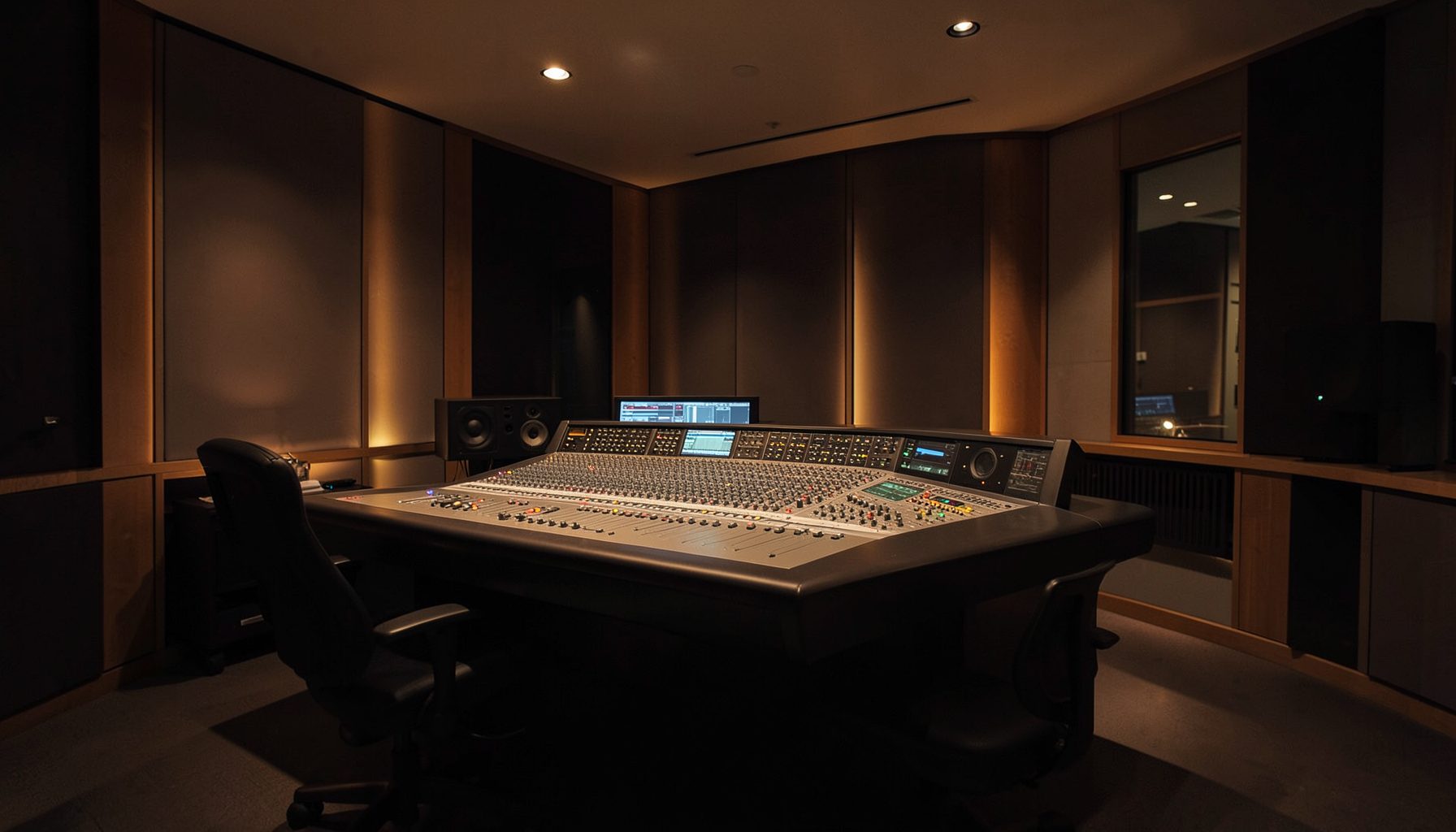
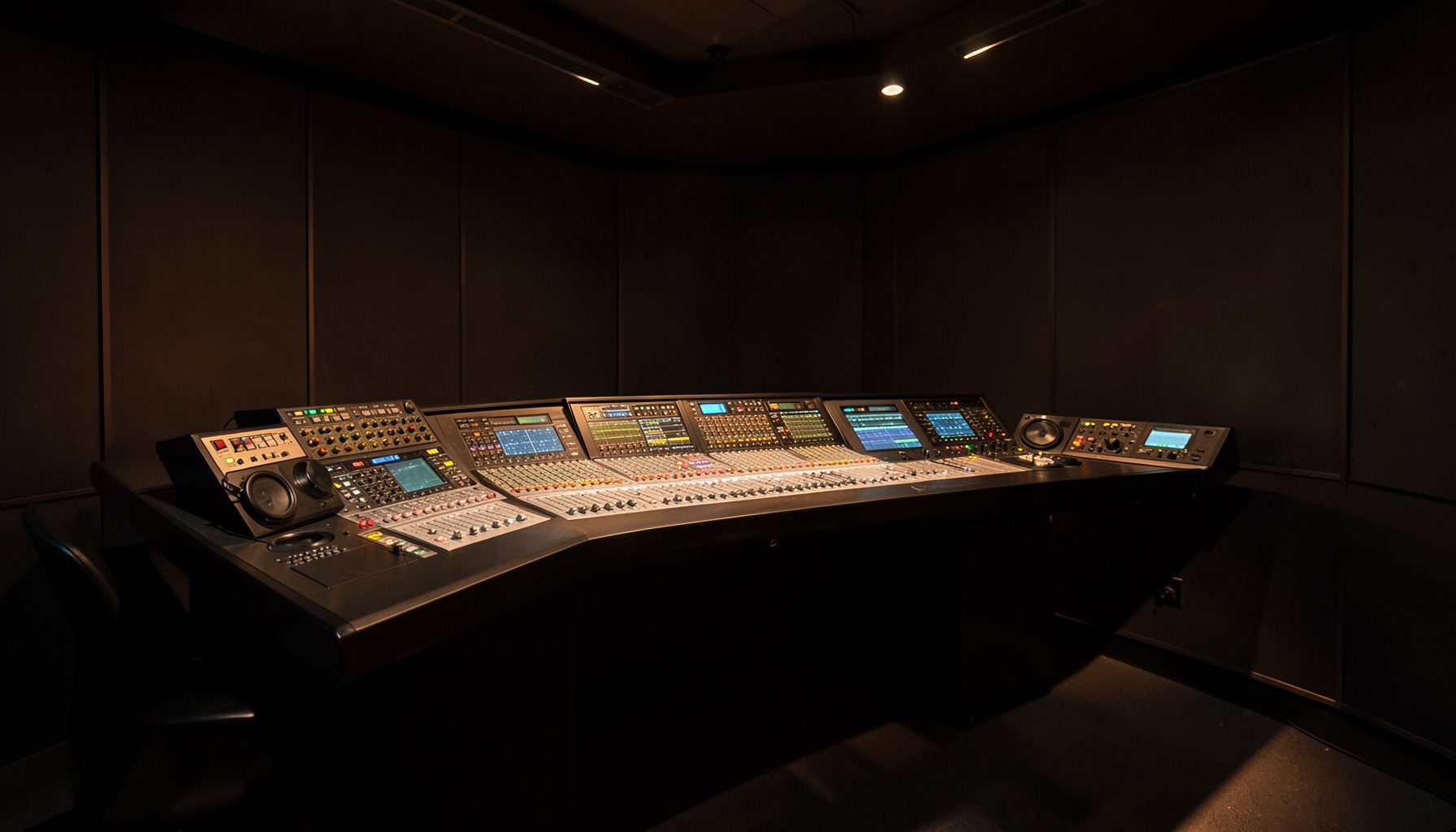
Within a Lawo AoIP network, the Power Core engine is where ST 2022-7 terminates and where the redundant paths are ingested. Each Power Core can accept primary and secondary streams on separate network interfaces, internally merging them so that downstream Ruby consoles and RƎLAY virtual devices see a single, perfect source. For sites that need a smaller footprint, Power Core Edge delivers the same dual-stream ingest without filling a full rack, which suits regional studios in Hobart, Darwin, or regional Western Australia.
Because the merge is performed in the engine, the redundancy survives console reboots, firmware updates, and even a full Ruby surface swap mid-show. Operators in Sydney's Ultimo broadcast precinct have begun to treat Power Core redundancy as a routine deployment, not a special project.
Monitoring and Control with VisTool
Visibility is the difference between redundancy that works and redundancy that merely exists. Lawo's VisTool studio software gives engineering teams a live picture of both ST 2022-7 paths, surfacing per-stream packet loss, jitter, and merge buffer health on a customisable panel that can sit alongside on-air faders or be relegated to a remote diagnostics wall.
In Australian installations, VisTool is often configured to push stream-quality alarms to a centralised NOC, so a fault at a remote transmitter site in Kalgoorlie or a studio in Canberra is flagged long before a presenter hears it. The result is a redundancy layer that the operator trusts because the operator can see it.
Hybrid Setups with RƎLAY and Dante
Not every device on a studio network speaks ST 2022-7 natively, which is why RƎLAY virtual radio tools have become a common bridge. RƎLAY can take a Dante feed from a regional contributor or a remote talent kit and present it to the wider Lawo network as a protected stream pair, allowing seamless hand-off between legacy and IP-native gear.
The practical pattern is well documented, including in resources that walk through hybrid RƎLAY and Dante workflows across studio, OB, and remote production use cases. For an Australian broadcaster juggling commentary positions at the Gabba, a studio in Surry Hills, and a remote producer dialling in from a beachside motel in Noosa, that hybrid pathway keeps the on-air product identical everywhere.
Engineering Trade-offs Worth Naming
Hitless merging is not free. Every protected stream consumes double the bandwidth, which translates into double the switch ports, double the fibre pairs, and careful IGMP and PTP planning to keep the two paths truly diverse. Engineers in Brisbane and Sydney have learned the hard way that two fibres in the same conduit are not two paths at all. Genuine diversity means separate risers, separate switches, and ideally separate power feeds.
Latency also climbs slightly because the receiver must wait long enough to accept late packets from the slower of the two paths. A merge buffer of around 10 to 20 milliseconds is typical, which is negligible for on-air talent but worth measuring carefully for IFB and round-trip cue loops to remote sites.
What Real Rollouts Look Like in Australia
A common pattern in 2025 is the central-hub model: a major broadcaster consolidates playout for multiple regional services into a single networked facility, then uses ST 2022-7 to protect every feed leaving the building. Local studios in Adelaide and Newcastle retain their on-air personalities and mix positions, but the routing intelligence, redundancy, and monitoring now sit on Lawo infrastructure in a hardened core.
Smaller operators, including community stations on the Capricorn coast and in the Hunter Valley, are adopting similar patterns with Power Core Edge and RƎLAY, scaling the same hitless approach to fit a single-rack footprint. The Australian market has settled on a working formula: diverse paths into Power Core, VisTool as the eyes, RƎLAY as the bridge, and ST 2022-7 as the silent safety net that nobody on air ever has to think about.
A practical first move is to map every current single-path audio circuit at your facility and tag the ones carrying live, on-air content. That list becomes the immediate candidate list for ST 2022-7 protection.