Building Multi-Site Audio Workflows with Broadcast 3.0
Radio groups are moving from isolated studios towards distributed production environments. A breakfast programme may originate in Sydney, take network audio from Melbourne, insert local advertising in Brisbane and feed regional transmitters through a shared infrastructure. This model demands precise routing, resilient connectivity and operational visibility across every site.
Lawo’s Broadcast 3.0 approach addresses that requirement by treating audio, control and processing as services on a managed IP network. An SDN controller can coordinate connections between Ruby mixing consoles, Power Core audio nodes, VisTool interfaces and software-based RƎLAY tools without forcing operators to manage individual device paths manually.
For Australian broadcasters, the design must account for long distances, variable WAN performance and a market that combines national networks with highly localised commercial stations. A production hub in Melbourne does not have the same network conditions as a regional newsroom in northern Queensland, even when both need the same programme feed.
Successful implementation therefore involves more than installing an SDN controller. It requires a clear service model, disciplined addressing, resilient timing, sensible access policies and a staged migration plan that protects live radio output.
Define The Operational Model First
Begin by mapping the audio services the organisation actually needs. Typical examples include studio microphone feeds, clean programme audio, presenter talkback, codec returns, remote contribution, commercial inserts, monitoring and confidence feeds. Each service should have an owner, a destination, a priority and a recovery method.
This service inventory prevents the network from becoming a collection of unexplained multicast flows. It also clarifies which paths require deterministic latency and which can tolerate buffering. A live presenter return and an archive transfer may use the same physical infrastructure, yet they should receive very different treatment from the controller.
The SDN controller should then become the central point for provisioning and visibility. Operators can select an approved source and destination rather than manually editing routes on several devices. Role-based access is important here: a producer may need to switch programme sources, while an engineer retains authority over clocking, VLANs and emergency routes.
Build Around Interoperable Network Audio
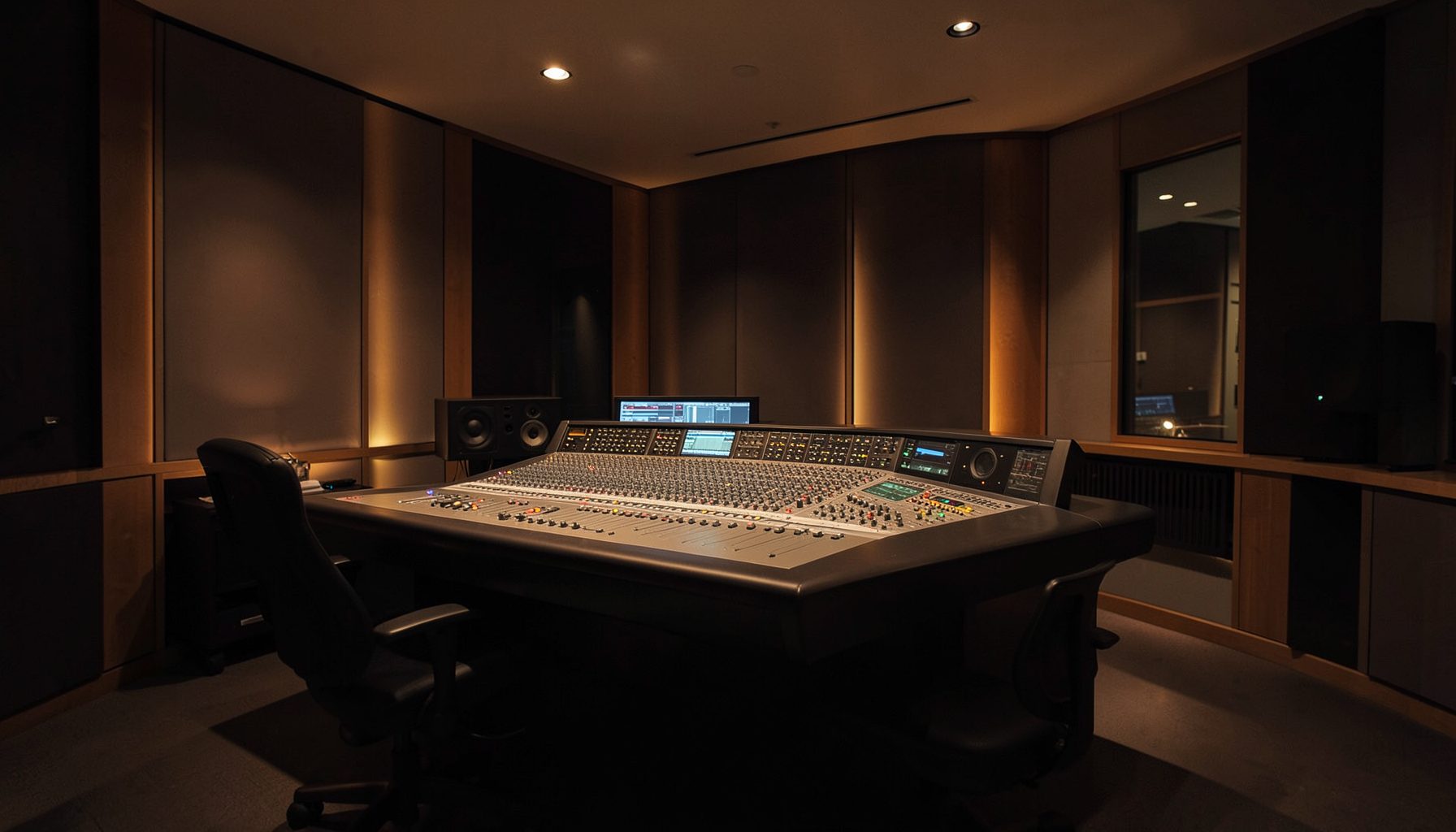
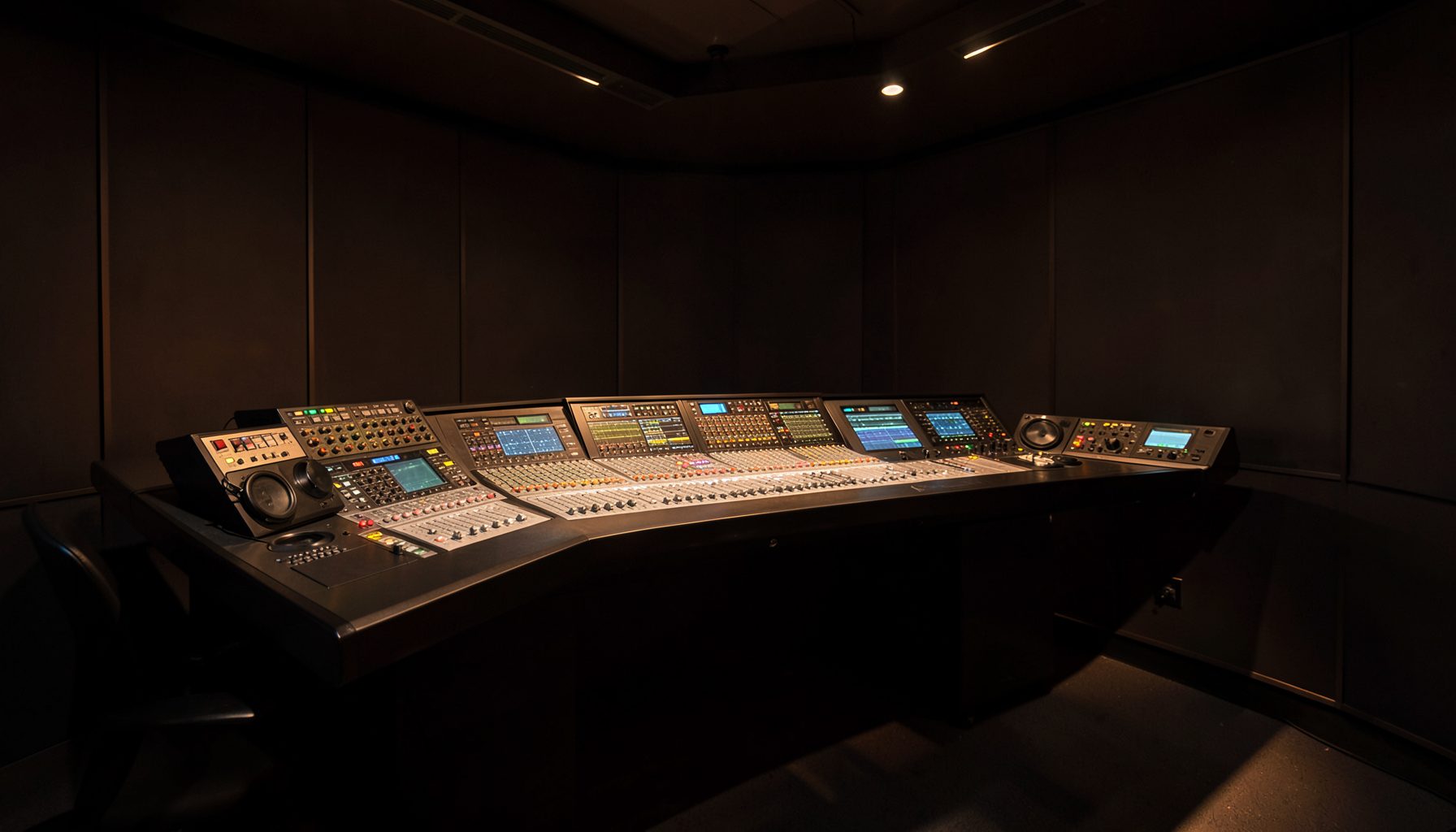
Broadcast 3.0 is most effective when the audio plant is designed as a coherent IP ecosystem. Power Core can provide centralised processing and I/O, while Ruby consoles offer familiar control surfaces for studios and production rooms. VisTool can expose tailored control panels for operators who need fast access to routing, levels or source selection.
Where video and audio share the same facility, SMPTE ST 2110 principles help maintain separate, synchronised essence streams. Lawo’s explanation of ST 2110 integration is useful when planning a mixed-media core, particularly where audio flows must remain discoverable and independently routable.
The controller should support a consistent naming convention across all sites. Names such as SYD_STUDIO1_PGM or PER_NEWS_MIC3 are easier to interpret than switch-port references. Use metadata, documented multicast ranges and standard profiles so that a replacement node can join the system without creating a new operational language.
Engineer Resilience For Australian Distances
A multi-site design should separate local continuity from wide-area distribution. Each station needs enough local processing and routing to remain on air if the intercity link fails. National programme feeds can be restored when connectivity returns, while local presenters retain access to microphones, playout and emergency sources.
| Design area | Recommended approach | Operational benefit |
|---|---|---|
| Local studio | Keep essential mixing, monitoring and playout paths on site | The station can continue during WAN loss |
| Inter-site transport | Use redundant links and managed QoS | Critical audio receives predictable treatment |
| Timing | Deploy resilient PTP architecture with suitable boundary clocks | Devices remain synchronised during path changes |
| Control | Central SDN management with local fallback permissions | National oversight does not remove local autonomy |
| Recovery | Maintain documented alternate sources and destinations | Operators can restore service quickly |
Sydney, Melbourne, Brisbane and Perth facilities may have strong carrier options, but regional sites often face fewer diverse paths and longer repair windows. A practical design uses dual carriers where justified, diverse building entries and local fallback content. Satellite, bonded cellular or encoded contribution can provide another recovery layer for major events and remote broadcasts.
Time zones also matter. A Perth newsroom coordinating with the east coast needs schedules and maintenance windows expressed in a consistent reference time. The controller’s logs, alarms and change records should retain unambiguous timestamps so that an overnight incident can be reconstructed accurately.
Protect Timing, Security And Compliance
Audio over IP depends on reliable timing. PTP grandmasters, boundary clocks, switch configuration and monitoring should be treated as core broadcast infrastructure rather than ordinary IT services. Alarm thresholds need to identify clock drift, packet loss, jitter and route instability before listeners hear a fault.
Security should cover both the control plane and the media plane. Segment management traffic, restrict controller APIs, use named accounts and record configuration changes. A staged permission model reduces the chance that an accidental route change affects every station at once. The same failure-domain discipline found in regulated gaming operations is relevant here: availability, auditability and controlled change are inseparable.
Australian broadcasters must also consider ACMA licensing obligations and the Broadcasting Services Act 1992 when designing operational procedures. Recording, retaining or distributing presenter and caller material may raise privacy, consent and copyright questions under Australian law. The network architecture cannot solve those issues by itself, but clear access logs and retention policies make compliance easier to manage.
Connect Remote Production Without Losing Control
RƎLAY and related virtualised tools can extend studio functions to remote presenters, journalists and production teams. A contributor in regional New South Wales might need a managed return feed, talkback and a clean programme path, while the central studio retains control over the final mix.
The SDN controller should expose only the routes required for each role. Temporary contribution circuits can be provisioned from approved templates, then removed after the programme. This is safer than leaving permanent open paths between every site and helps keep troubleshooting focused.
Video workflows sometimes share the same operational environment, especially for radio brands producing livestreams and social clips. Although the principal implementation is audio, an informed infrastructure team can still benefit from understanding CCD and CMOS sensors when coordinating camera inputs, vision timing and audio-follow-video production in a shared facility.
Roll Out In Controlled Stages
A sensible migration starts with one studio and a limited group of services. Test source discovery, route creation, PTP stability, alarm behaviour and recovery from a failed switch or WAN path. Operators should rehearse common tasks until the new workflow is faster and clearer than the legacy method.
The next stage can connect a second site and introduce shared resources such as central processing, network-wide monitoring or national programme distribution. Measure route-change times, packet-loss tolerance, recovery duration and the number of manual interventions required. These figures provide a practical basis for refining templates and capacity planning.
The finished system should leave each station with a clear local operating mode, while giving engineering teams a unified view of the wider network. Broadcast 3.0’s SDN controller is most valuable when it turns a complex collection of consoles, nodes and links into predictable services: named, monitored, recoverable and ready for the next live transmission.