Using Ruby Snapshots For Recurring Weekly News Shows
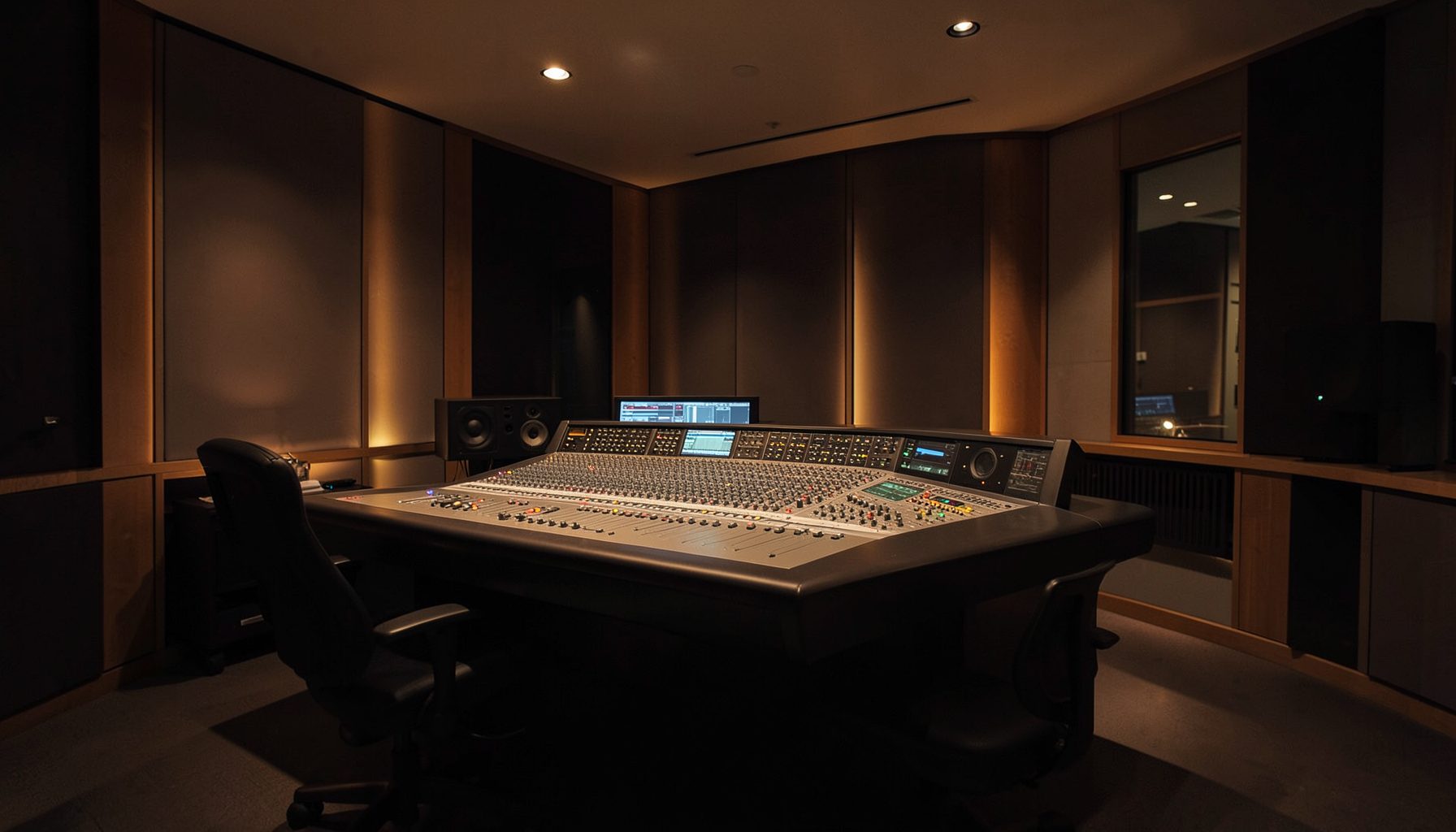
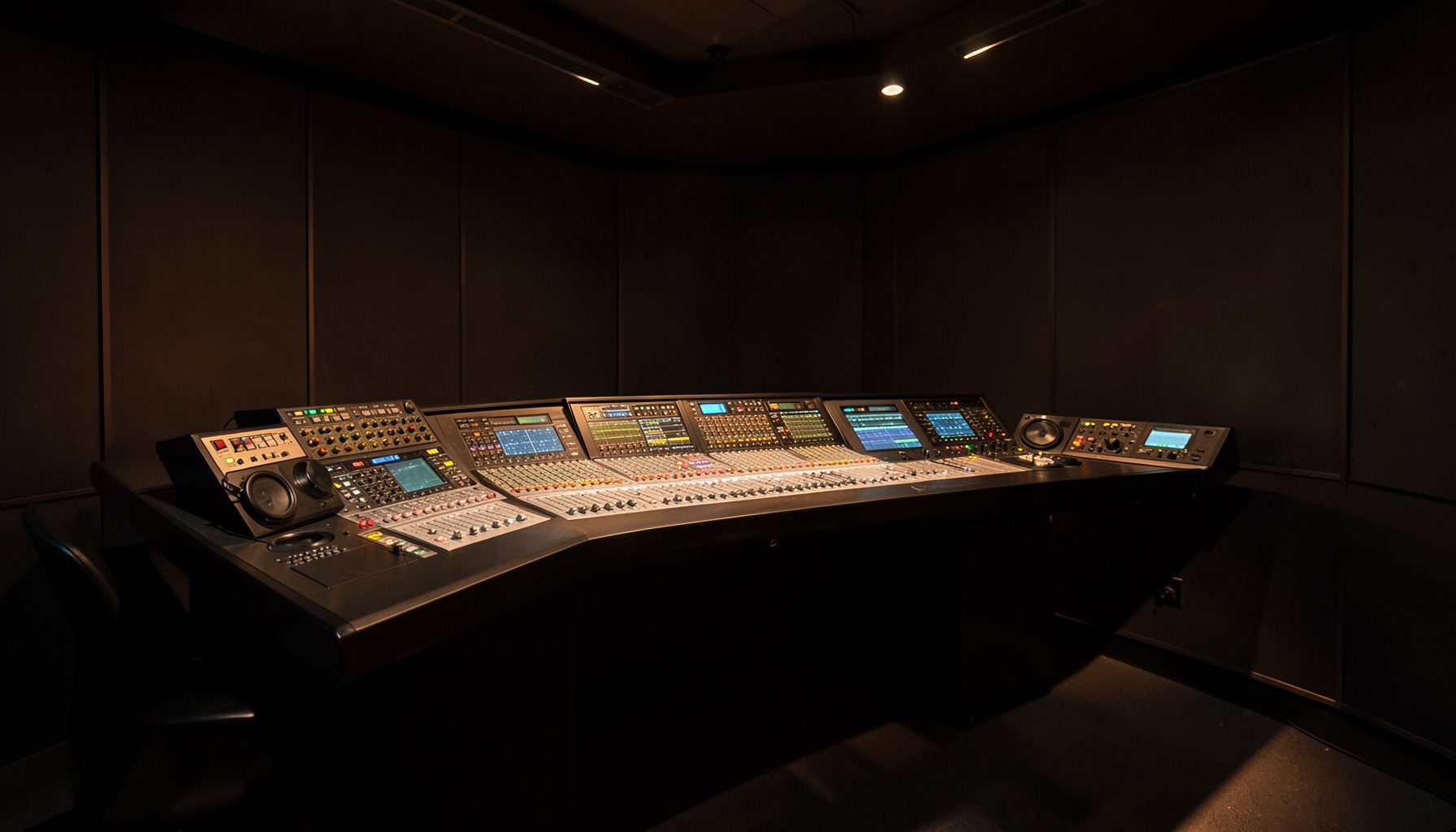
A weekly news programme needs consistency without making every bulletin sound mechanically identical. Lawo Ruby snapshots can provide that balance by storing repeatable console states for presenters, producers and technical operators. A carefully prepared snapshot can recall source assignments, fader positions, monitor settings and processing choices in seconds.
For an Australian station, the same workflow may serve a breakfast programme in Sydney, a regional bulletin in Toowoomba or a weekend current-affairs segment in Perth. Each production can have different contributors and local inserts, while the underlying control-room setup remains predictable.
Snapshot automation is most useful when it reflects the actual running order. Instead of creating one large preset that changes everything, divide the show into practical moments: opening titles, presenter discussion, outside broadcast, interview, advertisement break and closing headlines. This makes recalls easier to verify and safer to adjust.
The operator should still treat snapshots as controlled starting points rather than unattended production. A presenter may join late, a satellite guest may arrive on a different circuit, or an emergency announcement may interrupt the planned sequence. Human oversight remains essential, particularly for live radio and emergency broadcasting.
| Show Moment | Snapshot Content | Operator Check |
|---|---|---|
| Opening headlines | Presenter microphones, music source and studio monitor level | Confirm microphones are live and music is faded |
| News discussion | Host and guest channels, phone or codec return | Check remote contribution and mix-minus |
| Local insert | Regional source, playback channel and talkback | Verify the correct city or bureau feed |
| Advertising break | Playout return and presenter preview | Confirm the scheduled break material |
| Closing | Presenter microphone, outro bed and monitoring | Check the next programme source |
Prepare A Snapshot Structure
Begin with a clean Ruby project for the programme rather than modifying a general-purpose console setup. Name snapshots according to the running order, such as “Open”, “Interview”, “Break Return” and “Close”. Consistent names help a relief operator understand the sequence during an early-morning shift.
Record which parameters each snapshot is allowed to change. A news-show snapshot might recall fader levels, channel on/off states, bus assignments, monitor selection and relevant processing. It should not unexpectedly overwrite a setting being used for a separate live contribution or an urgent newsroom feed.
Create a base state before the weekly variations. This can contain the standard presenter microphones, studio monitor path and playout returns. Duplicate that state for each edition, then alter only the elements that genuinely differ, such as a sports commentator, a council interview or a regional opt-out.
Automate The Running Order Carefully
A useful automation sequence follows the programme clock without assuming that every segment will finish exactly on time. Use scheduled or manually triggered recalls for predictable points, such as the opening bed and a planned advertisement break. Keep interviews and live crosses under manual control unless their timing is reliably fixed.
For each automated change, establish a short and safe transition. Fader moves should be smooth enough to avoid clicks or abrupt level jumps, while microphone activation should allow the operator to confirm the source first. Include a visible cue in the control interface so the operator can see which snapshot is active and what is due next.
Ruby’s value increases when the snapshot plan is connected to the wider Lawo environment. Audio nodes, networked sources and control surfaces can support a distributed workflow in which a studio in Melbourne shares resources with another room or a remote production position. For larger systems, Power Core clustering is relevant when processing capacity and resilience need to extend across a sizeable network.
Protect Live News Sources
Keep emergency and editorially critical sources outside risky bulk recalls where possible. In Australia, stations may need to carry authorised emergency information under arrangements involving the Australian Communications and Media Authority, state authorities or local emergency services. A snapshot that silences a monitoring path or changes a transmission route at the wrong moment can create an operational problem.
Create a protected monitor path for the programme director, news editor and technical operator. The path can provide confidence monitoring of the transmission output, studio microphones and incoming remote sources without relying on the current presenter mix. Document how to bypass automation and where the manual controls are located.
Privacy and recording practices also deserve attention. A phone interview, contributor feed or newsroom communication may contain personal information, and the Privacy Act 1988 can apply depending on the organisation and activity. Set clear rules for recording, replay and access to contribution sources, particularly when a weekly show retains interviews for digital publishing.
Match Snapshots To Australian Workflows
Australian radio often combines national material with local relevance. A Brisbane breakfast show may take a network bulletin, then switch to traffic and weather; a station in Adelaide may insert local council coverage; a remote community station may rely on a smaller pool of presenters and shared playout resources. Build snapshot names around these real production roles rather than abstract technical labels.
Time zones should be part of the operating procedure. A networked show crossing Sydney, Darwin and Perth may encounter Australian Eastern Standard Time, Australian Central Standard Time and Australian Western Standard Time, with daylight-saving changes affecting some states but not others. The snapshot itself cannot resolve an incorrect clock, so the automation schedule and studio clock must be checked before each edition.
Operators can make the visual state easier to read by tailoring metering to the programme. A layout that places presenter levels, transmission output and remote contribution meters together reduces scanning during a live cross. The guide to custom metering layouts offers a practical reference for shaping that monitoring view in VisTool.
Test, Document And Refine
Test the complete snapshot chain in a quiet rehearsal, then repeat it with the actual presenter microphones, playout system, codecs and monitoring paths. Confirm that every recall changes the intended controls and leaves protected sources untouched. Listen for level changes, clipped returns, incorrect mix-minus feeds and unexpected monitor switching.
Keep a version record for the weekly show. Note the date, editor, changes made and reason for each revision. When a presenter’s microphone is replaced or a new codec is added, update the relevant snapshot and test it rather than making an undocumented live adjustment.
At the end of each programme, review the automation log and operator notes. If the “Interview” snapshot was bypassed because a guest arrived late, that may indicate a timing issue rather than a technical fault. The next practical step is to run the entire weekly sequence once in rehearsal, verify each recall against the running order, and save the approved version as the protected master snapshot.