How AutoMix Handles Acoustic Feedback in Live Studio Audiences
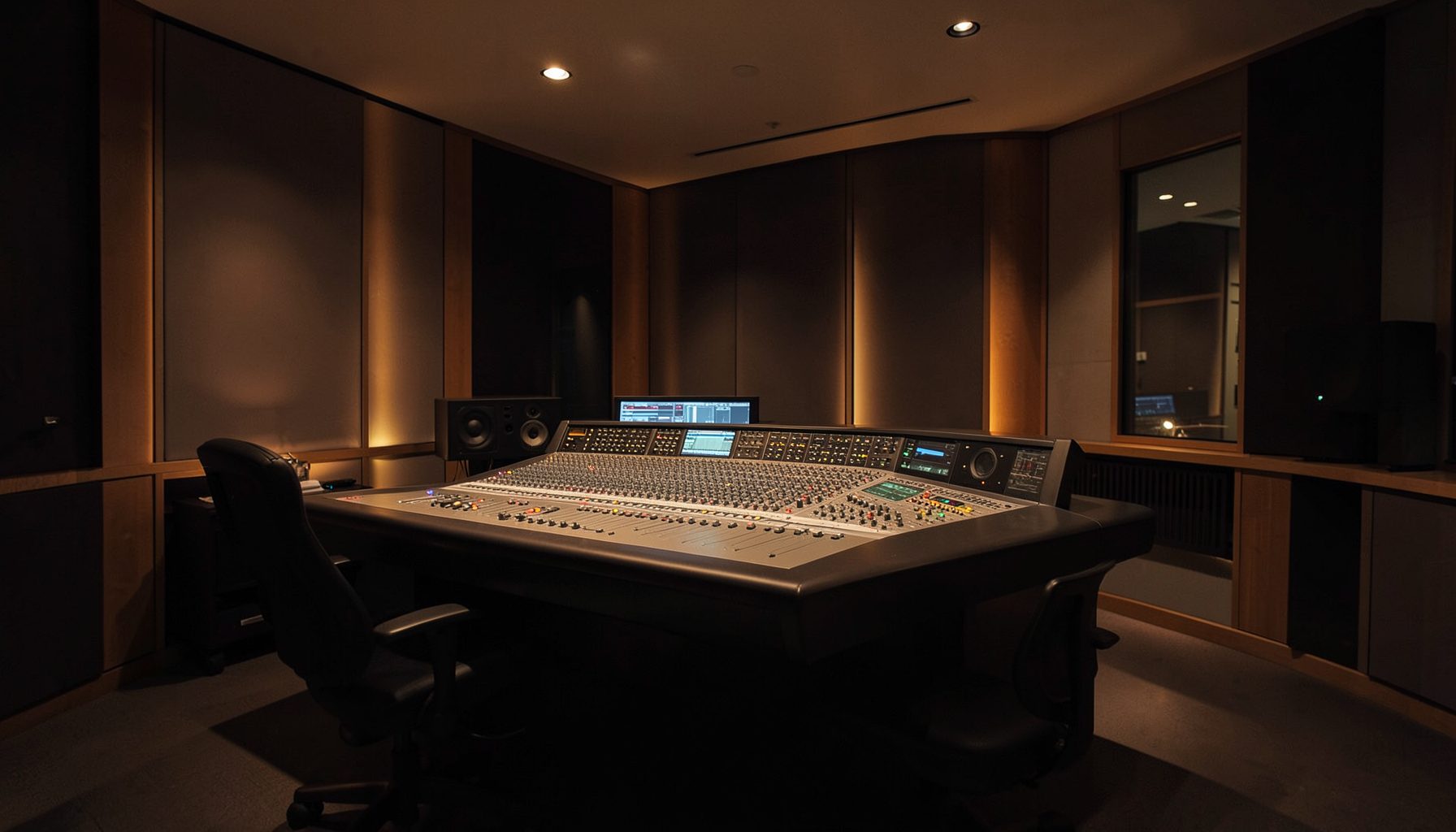
Live radio and television studios become acoustically demanding when presenters share space with guests, performers, and a small audience. Open microphones capture room reflections, loudspeaker spill, chair movement, and applause, creating conditions in which feedback can develop quickly.
AutoMix helps manage this complexity by balancing active microphones automatically. Its purpose is not to replace careful system design or act as a standalone feedback eliminator. Instead, it reduces unnecessary microphone gain, keeps speech levels consistent, and limits the number of open channels contributing to the acoustic loop.
That approach is especially valuable in networked production environments built around Lawo consoles, audio nodes, and software-defined control. Engineers can preserve a natural conversation while giving each microphone enough presence for the broadcast mix.
Why Live Audiences Increase Feedback Risk
Acoustic feedback occurs when sound from a loudspeaker returns to a microphone, is amplified, and travels through the system again. If the loop gain reaches a critical point at a particular frequency, the result may be ringing, howl, or a sudden tonal buildup.
A live studio audience adds several variables. People absorb and reflect sound differently from an empty room, while applause can encourage operators or presenters to raise microphone levels. Guests may also turn away from their microphones, prompting higher gain that reduces the available margin before feedback.
Multiple lavalier microphones can make the problem more subtle. Their small capsules remain close to clothing and body movement but may sit farther from the mouth, requiring additional gain. Lawo’s guidance on multiple lavalier use explains why shared microphone environments need disciplined level management.
Gain Sharing Instead of Abrupt Gating
AutoMix addresses the problem through automatic gain sharing. When several microphones are available, it distributes overall mix gain according to which sources are currently contributing to the conversation. A person speaking into one microphone can remain prominent without every inactive channel adding equal ambient sound.
This is different from relying solely on hard gates. Conventional gates may open and close audibly when a guest begins speaking, cuts off quiet syllables, or allows room noise to rise between phrases. Gain-sharing behavior can create a smoother result, because inactive channels are attenuated rather than simply treated as fully on or fully off.
The practical benefit is a lower combined microphone level in the room. Fewer open channels mean less audience spill and less energy returned from studio loudspeakers to microphone capsules, improving the system’s gain-before-feedback margin.
How AutoMix Supports a Stable Signal Path
AutoMix works best when the rest of the audio path is configured correctly. Microphone placement, polar patterns, loudspeaker direction, monitor levels, acoustic treatment, and equalization still determine how much feedback resistance the system has before automatic mixing is applied.
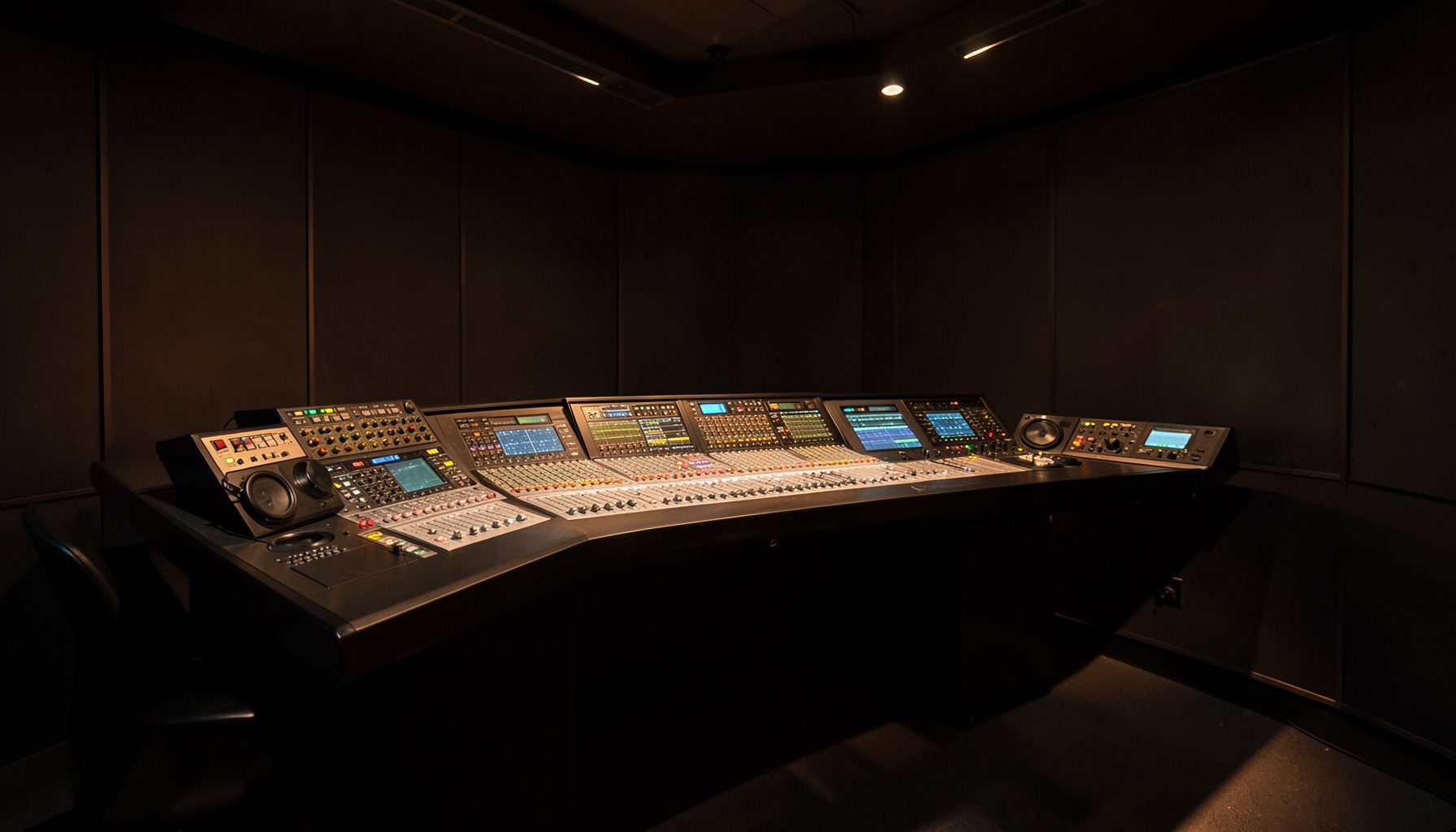
In a Lawo workflow, the processing can be coordinated across console channels and networked audio resources. A production team might route several presenter and guest inputs through a Power Core environment, apply AutoMix to the speech group, and send the controlled result to the studio, recorder, or transmission chain.
| Studio condition | AutoMix contribution | Engineering priority |
|---|---|---|
| One guest is speaking | Gives the active channel useful prominence | Set appropriate preamp gain |
| Several people speak together | Shares gain across contributing microphones | Preserve natural overlap |
| Guests pause between remarks | Reduces inactive-channel contribution | Avoid excessive room pickup |
| Audience applause begins | Limits the number of open speech paths | Keep monitor levels controlled |
| A lavalier is moved or covered | Maintains a steadier group balance | Check placement and clothing noise |
Preserving Natural Conversation
A live audience production should sound responsive rather than mechanically quiet. If the system suppresses every microphone too aggressively, a guest may appear to disappear when speaking softly or while turning their head. AutoMix therefore needs suitable thresholds, priorities, and channel relationships for the people on stage.
The operator should treat the algorithm as part of the mix design. Presenter microphones may receive different treatment from audience contributions, while a host who must guide the program can be assigned an appropriate priority. These decisions help maintain intelligibility without forcing the engineer to ride every fader during a fast exchange.
Good setup also includes testing interruptions, laughter, applause, and simultaneous speech. The system should remain stable when several microphones become active at once, rather than creating a noticeable level jump or allowing background sound to dominate the broadcast.
Coordinating Monitors and Audience Sound
Feedback control begins with the physical arrangement of the room. Studio monitors should point away from microphone rejection zones where possible, and their level should be high enough for comfortable communication without becoming the loudest sound source near the presenters.
Headphones are often preferable for contributors who need confidence monitoring, since they reduce the amount of amplified sound in the room. If floor monitors or loudspeakers are essential for a performance segment, their placement and equalization should be checked with every microphone active.
AutoMix can reduce the acoustic load, but it cannot correct a loudspeaker aimed directly at a microphone or compensate for excessive preamp gain. The strongest result comes from combining sensible room design with automatic microphone management.
Operating AutoMix During a Broadcast
Before going live, the engineer should set input gain with the loudest expected speaker and verify that each microphone has sufficient headroom. A short rehearsal with the audience present is more useful than a line check in an empty studio, because crowd absorption and reflections change the acoustic response.
During the program, watch for repeated attenuation, unusual channel activity, and rising monitor levels. These signs may indicate a misplaced microphone, a guest speaking too far from the capsule, or a change in room conditions. AutoMix should make normal operation easier, while its metering helps reveal issues before they become audible.
Integration with Lawo control and mixing environments can also support repeatable show operation. Saved configurations allow teams to recall channel groups, priorities, and routing for recurring formats, reducing the risk of improvised settings when a live audience is already in the room.
Practical Setup Priorities
A reliable configuration combines automatic processing with clear operational discipline:
- Place microphones close enough to the speaker to avoid unnecessary preamp gain.
- Keep loudspeakers outside the most sensitive pickup areas of the microphones.
- Group related presenter and guest channels so AutoMix can manage them together.
- Rehearse applause, interruptions, overlapping speech, and audience questions.
- Monitor both the on-air output and the acoustic room sound during setup.
The goal is controlled openness: every speaker should sound present, while inactive microphones contribute as little room energy as practical. This gives the broadcast a natural sense of space without allowing the acoustic loop to build unchecked.
AutoMix is most effective when it forms part of a complete Lawo production workflow rather than being treated as a last-minute fix. Explore its use with your studio’s microphone layout, monitor arrangement, and networked signal path, then validate the result with the full audience present before the next live broadcast.