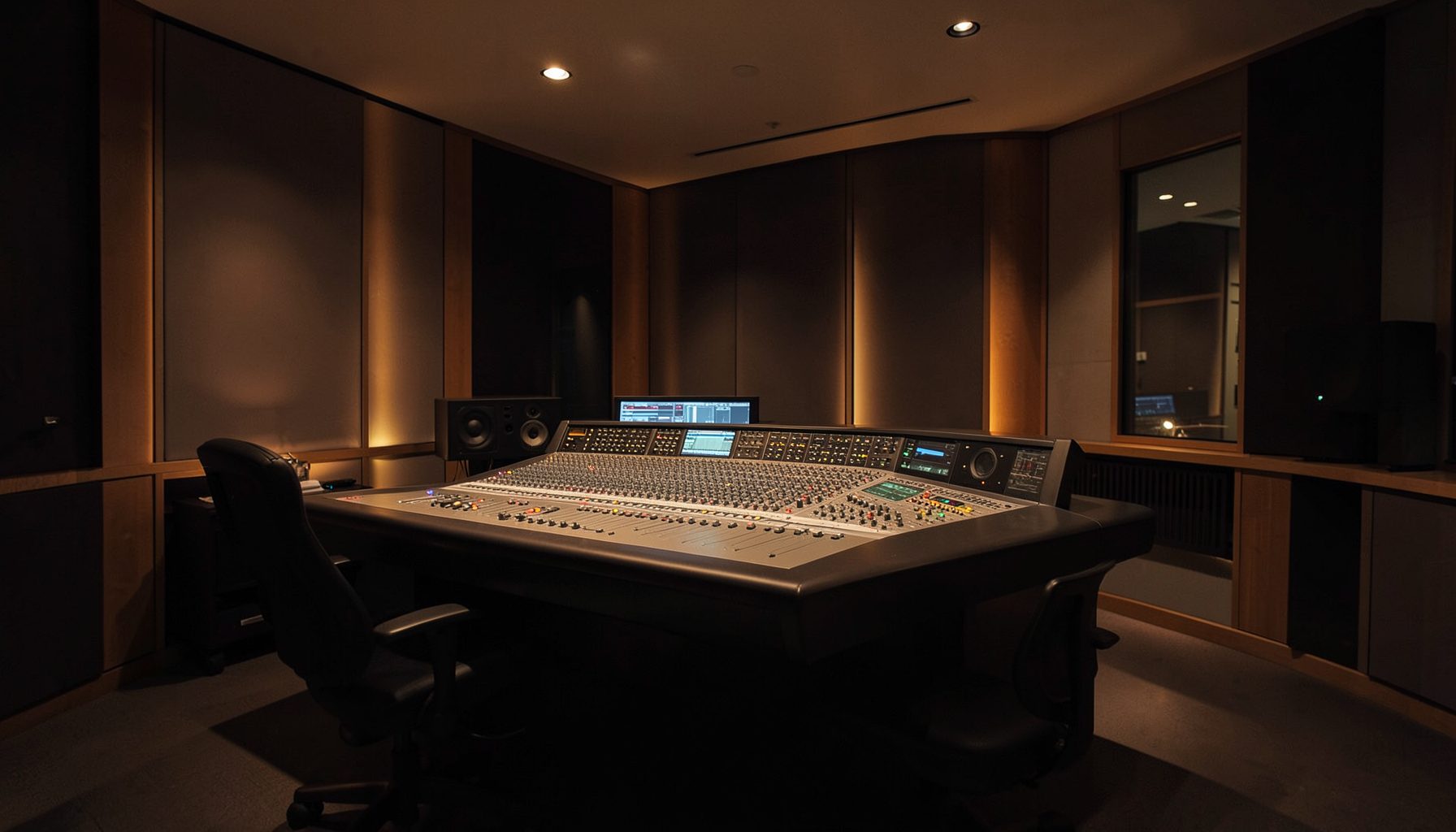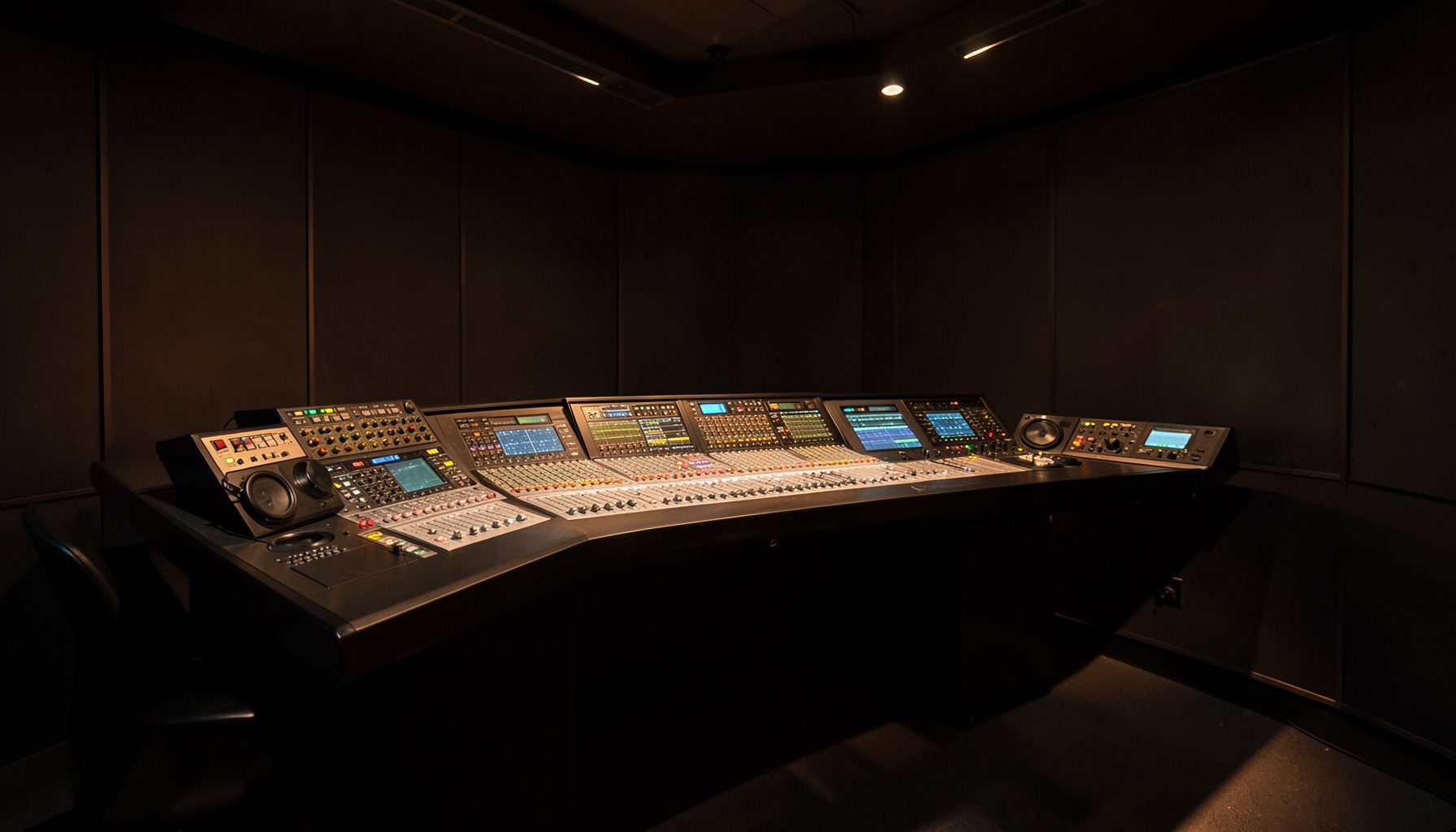
Firmware version management for Ruby, Power Core and VisTool
Firmware Version Management for Ruby, Power Core, and VisTool installations is a practical discipline rather than a one-off software update. In a modern radio facility, a Ruby console, Power Core audio node, and VisTool control surface operate as parts of one networked production environment. A change to one component can affect audio paths, control pages, GPIO behaviour, or operator access.
For Australian broadcasters, this matters across very different operating conditions. A metropolitan station in Sydney or Melbourne may have dedicated engineering support, while a regional service in Queensland, Western Australia, or Tasmania may rely on remote assistance and a smaller technical team. A controlled release process reduces the risk of losing studio availability when replacement hardware or on-site expertise is hours away.
The objective is to keep every installation on a known, supportable combination of software and firmware. That means recording current versions, checking compatibility before deployment, preserving rollback files, and testing the complete workflow rather than a single device. It also means allowing for local broadcast schedules, Australian Eastern, Central, and Western time zones, and daylight-saving changes where they apply.
Lawo’s networked approach fits this method well. Ruby provides the operator interface, Power Core handles audio processing and routing, and VisTool presents custom control and monitoring functions. Managed together, they can support reliable playout, live production, outside broadcasts, and hybrid studios without treating each update as an isolated task.
Establish a dependable version baseline
Begin with an inventory that identifies every Ruby surface, Power Core unit, VisTool workstation, connected computer, and relevant network service. Record hardware model, serial number, installed release, licence status, IP address, configuration file location, and the date of the last verified backup. Screenshots alone are insufficient because they rarely capture dependencies or configuration history.
Create a compatibility matrix for the intended release. Confirm which Ruby software version is supported by the installed Power Core firmware, which VisTool build is required, and whether ancillary applications or drivers need updating. Keep the approved package set together in a controlled repository, with checksums or another method of confirming that files have not been altered.
A version baseline is especially valuable when a station operates 24 hours a day. A brief maintenance window in Perth may need to be coordinated with teams in Brisbane or Adelaide, while a national network may have separate local playout arrangements. Documenting the baseline gives engineers a shared reference before any change begins.
Separate preparation, testing, and deployment
Preparation should happen away from the live studio. Export Ruby and VisTool configurations, back up Power Core settings, and preserve the current installation media. Capture routing, source naming, fader assignments, logic, snapshots, user permissions, and VisTool page relationships. A backup is useful only if it can be restored, so test at least one recovery procedure on a non-production system.
Testing should reproduce the workflows that matter to operators. Check microphone and codec paths, mix-minus feeds, monitor levels, talkback, GPIO, automation interfaces, silence detection, and control-page responses. Verify that a VisTool action produces the expected result in Power Core and that Ruby displays the correct state. Include cold starts and network interruptions, not just a successful application launch.
Schedule the production change during a defined engineering window and assign clear roles. One person should perform the update, another should observe key audio and control functions, and a named owner should authorise rollback. For a broadcaster covered by Australian workplace and safety obligations, the procedure should also identify how engineers will avoid unsafe rack access, unexpected loudspeaker levels, or uncontrolled changes during a live shift.
Manage network and software dependencies
Power Core installations depend on dependable network design as much as on firmware. Confirm VLANs, multicast behaviour, clocking, redundancy, switch configuration, and management access before upgrading. A new device release may expose an existing network weakness that was invisible during ordinary operation. Keep management traffic separate from general office activity where the design permits.
VisTool workstations require equal attention. Check operating-system support, graphics drivers, antivirus policies, user permissions, and automatic updates. On a station using central IT controls, coordinate exceptions with the IT team instead of disabling protection informally. Retain installation logs and record any changed firewall rules, especially when remote support crosses a public or shared network.
Remote workflows deserve a specific test. Some Australian broadcasters use metropolitan data centres, regional studios, and temporary facilities connected over commercial services with variable latency. Confirm that control actions, monitoring, and recovery remain practical over the actual link. Where a station also handles streaming, a virtual mixer workflow can introduce additional software and network dependencies that should appear in the same change record.
Use controlled releases and rollback plans
Do not update every room at once. Start with a lab, spare workstation, or less critical studio, then run a defined observation period. Compare audio levels, routing states, operator pages, system logs, and startup behaviour against the baseline. If the release passes, move to one production room before extending it to the rest of the facility.
Rollback planning should be as specific as the upgrade plan. Store the previous firmware, application installers, configuration exports, licence information, and documented network settings where they can be reached without relying on the system being repaired. Define the symptoms that trigger a rollback, such as failed control connections, incorrect GPIO states, unstable audio, or unacceptable recovery time.
Keep a change log with release numbers, dates, engineer names, test results, deviations, and approvals. Australian organisations may also need to consider privacy and information-security requirements when logs contain user names, remote-access records, or operational data. Limit access to the repository and apply the station’s retention policy rather than leaving sensitive records on personal laptops.
Align maintenance with operational reality
A good schedule distinguishes security updates, bug fixes, feature releases, and major platform changes. Security-related changes may need faster assessment, while feature releases deserve a wider test plan and operator briefing. Avoid updating immediately before a major sports broadcast, election program, public holiday, or seasonal schedule change when recovery resources may be limited.
Operators should receive a concise change note covering visible differences, new controls, known limitations, and the rollback contact. Engineers should review alarms and logs after deployment, then perform a second check after the first full operating cycle. This catches issues that appear only after automation, overnight unattended running, or a handover between shifts.
| Area | Ruby | Power Core | VisTool |
|---|---|---|---|
| Primary role | Mixing and operator control | Audio processing, routing, and I/O | Custom visual control and monitoring |
| Main checks | Surface connection, assignments, snapshots, meters | Firmware compatibility, clocking, DSP, GPIO, redundancy | Workstation support, pages, drivers, permissions |
| Backup priority | Show files and console configuration | System configuration and routing | Projects, layouts, licences, and workstation settings |
| Rollback concern | Lost control or incorrect surface state | Audio interruption or routing failure | Missing pages or unresponsive controls |
| Post-update test | Faders, monitoring, talkback, source selection | Signal flow, sync, processing, recovery | Actions, status feedback, navigation |
Firmware version management becomes sustainable when it is treated as a lifecycle process. Review versions after each release, retire unsupported packages, and keep the inventory accurate as studios are moved or expanded. The next concrete step is to export the current Ruby, Power Core, and VisTool configurations and place them in a dated, access-controlled backup repository.