Designing a Redundant AoIP Network for Radio Stations Using Lawo Gear
A resilient audio-over-IP network gives a radio station the flexibility of software-defined production without making a single switch, cable, or timing source responsible for every output. For stations using Lawo equipment, the design should connect mixing, processing, control, and distribution into a dependable system that can keep audio on air during maintenance or component failure.
Redundancy is more than installing two network switches. It requires separate traffic paths, disciplined timing, predictable multicast behavior, and operational procedures that engineers can understand under pressure. The goal is seamless continuity where possible, with clear fallback modes where manual intervention is required.
Lawo’s Broadcast 3.0 approach supports this model by combining networked audio, open standards, centralized control, and virtualized workflows. A well-planned installation can serve a main studio, production rooms, news areas, remote contribution, and future software-based services without rebuilding the entire infrastructure.
Define the failure model first
Begin by listing the events the station must survive. A failed switch, damaged fiber, unavailable Power Core unit, lost control workstation, faulty PTP source, or accidental configuration change can each affect the system differently. The design should state whether it must tolerate one failure at a time or maintain service during planned maintenance on an entire network path.
Audio continuity and control continuity should be assessed separately. A console may continue passing audio while a control application is unavailable, or a backup source may remain reachable while routing changes become impossible. Documenting these distinctions helps engineers decide which functions need automatic failover and which require a defined manual procedure.
Build physically independent network paths
A redundant AoIP network should use two logically and physically separate fabrics wherever the equipment and protocol design support it. Each path should have its own switches, power feeds, uplinks, and cable routes. Avoid placing both “redundant” switches in the same rack without considering shared cooling, power, and physical access risks.
RAVENNA and AES67-compatible workflows depend heavily on correct multicast handling. Configure dedicated audio VLANs, appropriate IGMP snooping, and a reliable querier arrangement. QoS should prioritize clocking and real-time media, while management and general data remain isolated. The Power Core architecture is particularly useful when planning how processing and I/O resources can scale across a networked infrastructure.
| Design area | Primary path | Redundant path | Engineering check |
|---|---|---|---|
| Switching | Core switch A | Core switch B | Separate hardware and power |
| Audio transport | AoIP VLAN A | AoIP VLAN B | Independent routes and port settings |
| Timing | PTP grandmaster A | PTP grandmaster B | Verified priority and holdover |
| Processing | Main Power Core resource | Standby or alternate resource | Confirm license and preset availability |
| Control | Main VisTool or console control | Backup workstation or panel | Test access during network loss |
| Monitoring | Main confidence path | Independent monitor path | Keep fault alarms audible and visible |
Assign Lawo equipment clear roles
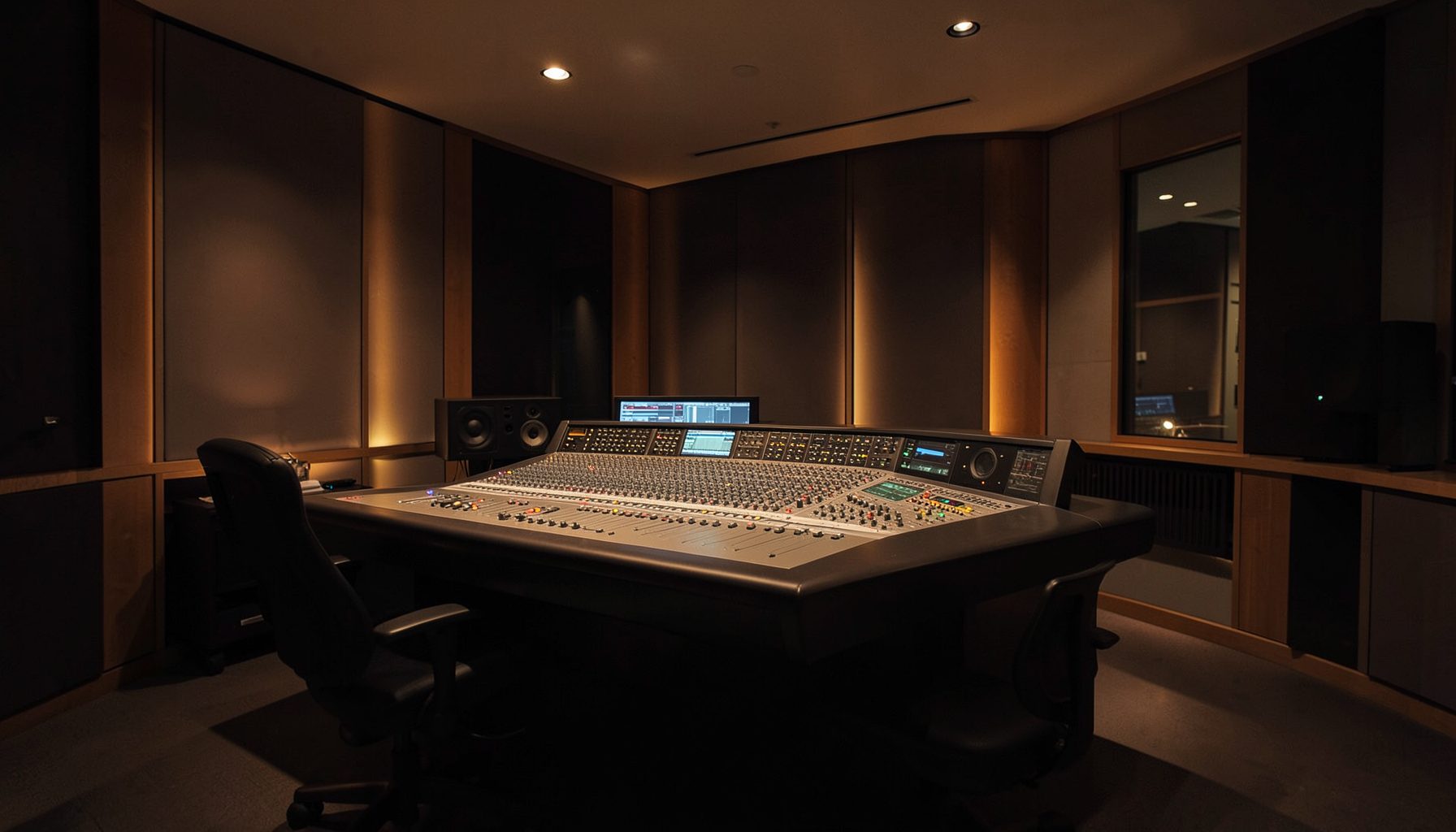
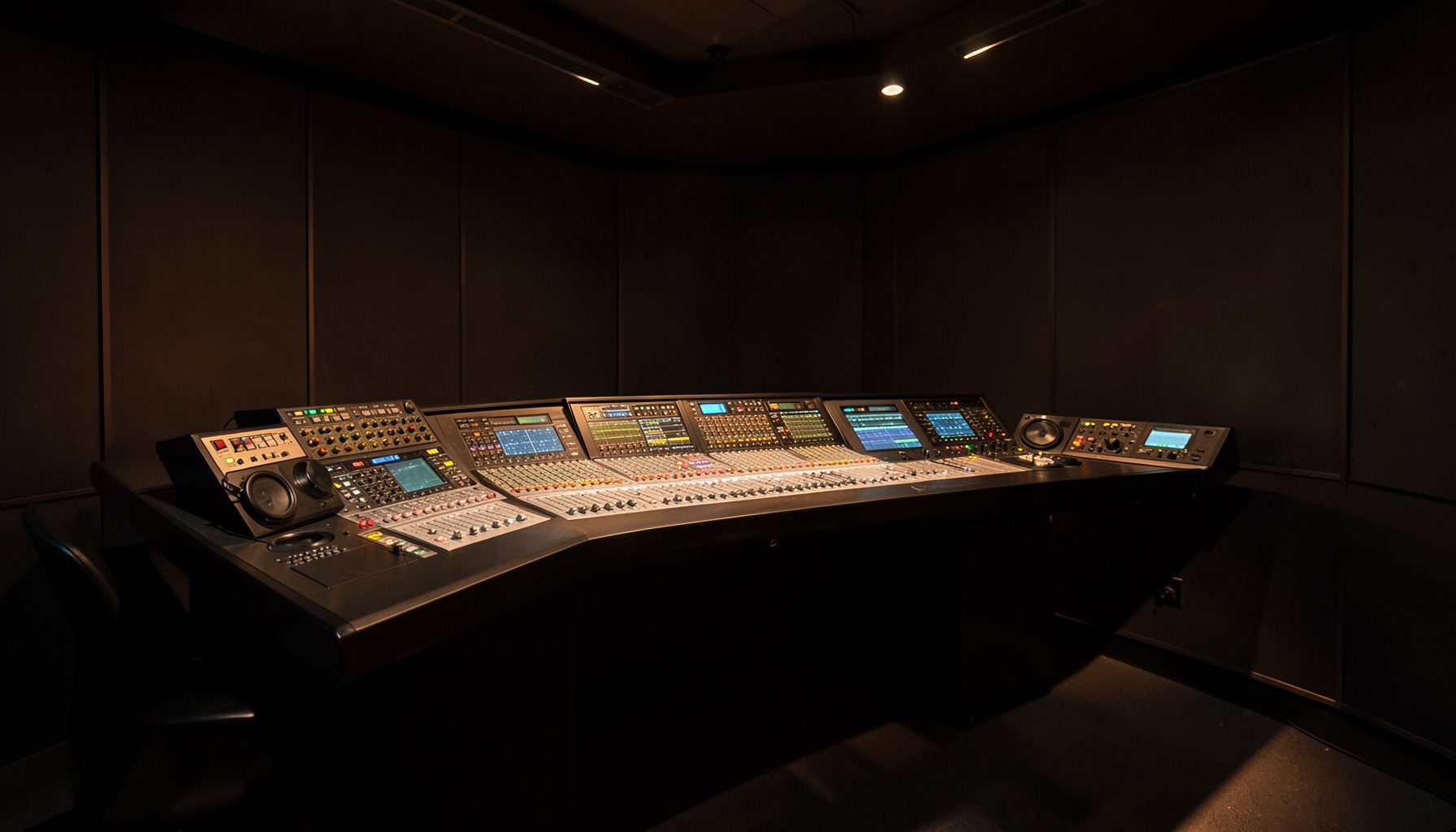
Ruby mixing consoles can serve as the primary operator surface while Power Core audio nodes provide centralized processing, routing, and I/O resources. This separation allows the station to place audio engines close to sources or destinations while keeping control surfaces convenient for presenters and producers.
VisTool can provide tailored control panels for routing, levels, monitoring, and facility-wide status. Build those panels around operational tasks rather than exposing every technical option. RƎLAY can extend the same software-based philosophy to virtual radio production, while AutoMix can support consistent microphone management when configured with appropriate source priorities and limits.
A resilient design should preserve useful service if a workstation or surface disappears. Store approved presets and routing definitions in controlled locations, document the relationship between physical ports and logical signals, and verify how each Lawo component behaves when its preferred network path is unavailable.
Engineer timing, multicast, and power
PTP is the foundation of synchronized AoIP. Use dedicated, stable grandmasters with a secondary source capable of taking over when the primary clock fails. Check antenna, GPS, oscillator, and holdover requirements rather than assuming that a backup grandmaster automatically provides equivalent performance. Monitor clock state, offset, and source changes continuously.
Switch configuration deserves the same attention as audio configuration. Validate IGMP joins, querier behavior, buffer capacity, PTP treatment, and link-convergence times under realistic load. Keep switch firmware and Lawo device software aligned with tested interoperability guidance, and protect the control plane with role-based access and change records.
Power diversity completes the design. Connect redundant network devices and critical Lawo resources to separate UPS-backed circuits where practical. A generator may protect against a utility outage, but it does not remove the need for local power distribution, cooling, and maintenance bypass planning.
Test failure recovery before going live
Commissioning should include deliberate fault insertion. Disconnect one uplink, shut down one switch, remove the preferred PTP source, reboot a control workstation, and isolate a Power Core resource. Measure whether audio remains continuous, whether subscriptions recover, and how long operators need to identify the active fault.
Test everyday procedures as well as dramatic failures. Schedule a maintenance drill during a controlled off-air window, restore a saved configuration, change a route, and confirm that alarms reach the right people. Record the expected behavior for each device so that an unfamiliar engineer can distinguish a harmless path transition from a condition that threatens transmission.
Recommendations for a resilient rollout
Use these practices to keep the network dependable as the station grows:
- Design two genuinely independent AoIP paths, including separate switching, power, and cable routes.
- Reserve and document multicast, management, control, and timing VLANs before connecting production devices.
- Provide primary and secondary PTP sources, then monitor clock quality and holdover continuously.
- Keep Ruby, Power Core, VisTool, RƎLAY, and AutoMix configurations versioned, approved, and recoverable.
- Perform scheduled failover drills and update the runbook with measured recovery times.
A useful rollout starts with one production area and a documented signal map, then expands to news, studios, and remote workflows. Each addition should be tested against bandwidth, multicast, clocking, licensing, and operator-control requirements rather than treated as a simple port expansion.
A redundant Lawo environment is strongest when engineering, IT, and operations share the same failure plan. Use the platform’s networked capabilities to create flexible routing and processing, while applying disciplined infrastructure practices to protect the station’s most important output: dependable audio.
Review the current studio signal flow, identify its single points of failure, and map a dual-path architecture around the station’s Ruby consoles, Power Core resources, timing system, and control tools. Engage Lawo specialists and qualified network engineers to validate the design before implementation and turn the plan into an operationally tested broadcast system.