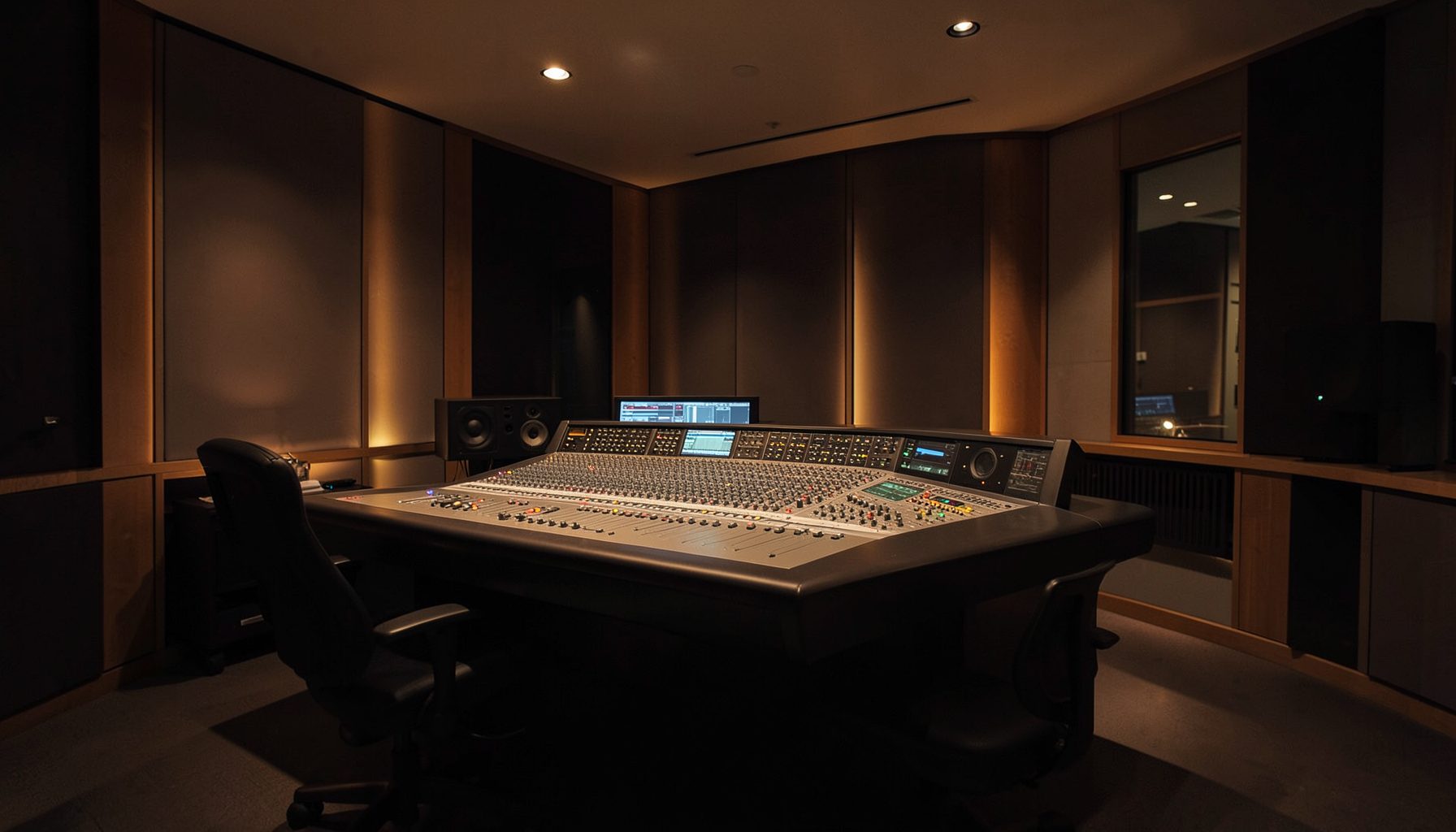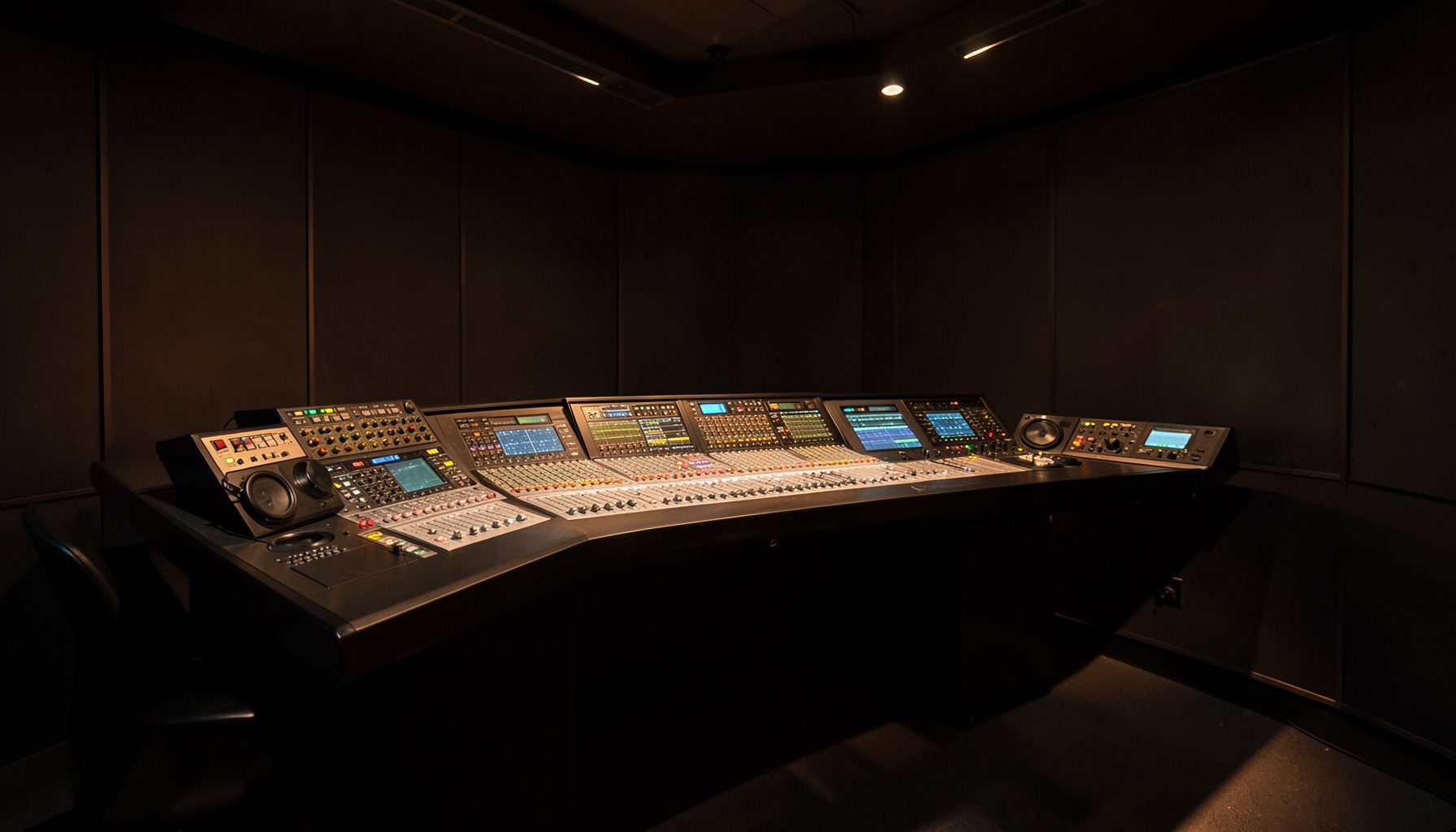
Power Core Audio Nodes for Scalable Broadcast Networks
Modern broadcast facilities need to move audio between studios, control rooms, remote operators, and production spaces without creating a maze of dedicated point-to-point connections. Networked audio nodes provide the infrastructure for that shift, combining signal transport, processing, routing, and control within a managed IP environment.
Lawo Power Core audio nodes are designed for this role. They provide a flexible foundation for radio stations and other media operations that need to expand gradually, centralize resources, and support software-driven workflows. Instead of treating every studio as an isolated system, broadcasters can build a shared audio platform that serves multiple rooms and applications.
This approach supports the broader Broadcast 3.0 vision: open, networked, virtualized, and scalable production. It also gives technical teams more options when adding studios, remote contribution, automation, or live performance capabilities.
A Networked Foundation for Broadcast Audio
Power Core functions as a high-density audio engine within an IP-based production environment. It can handle routing, mixing, processing, and signal distribution while working as part of a wider Lawo ecosystem. Audio resources can be shared across facilities rather than duplicated in every control room.
This architecture reduces dependence on fixed wiring and isolated hardware. A station can connect consoles, microphones, playout systems, codecs, intercom resources, and external feeds through a common network fabric. Centralized processing also makes it easier to maintain consistent signal paths and operational standards.
The result is a cleaner infrastructure that can adapt as the broadcaster’s requirements change. New sources or destinations can be introduced through configuration and licensing options rather than a complete rebuild of the audio plant.
Scaling Without Re-Engineering the Facility
A traditional studio expansion often requires additional racks, converters, patch bays, and dedicated signal paths. Networked audio nodes change that calculation. Capacity can be added where it is needed, while existing infrastructure remains in service.
Power Core can support different facility sizes and operational models, from a single radio studio to a multi-room broadcast center. Its modular design helps organizations match resources to current demand and expand in stages. This is especially valuable for stations adding podcasts, digital channels, remote production, or additional transmission paths.
| Infrastructure approach | Expansion method | Operational effect | Suitable use |
|---|---|---|---|
| Fixed point-to-point audio | Add wiring and dedicated hardware | High physical dependency | Small, stable installations |
| Centralized networked node | Add processing and network resources | Shared, flexible control | Multi-studio radio facilities |
| Distributed IP audio system | Scale nodes across locations | Supports remote and hybrid work | Larger broadcast networks |
| Software-led workflow | Add applications and licenses | Fast role and function changes | Virtualized production environments |
A scalable design also helps protect capital investment. The network, control layer, and core processing can remain in place while studios, workstations, and user interfaces evolve around them.
Centralized Control With Flexible Interfaces
A shared processing core is most effective when operators can access it through clear, purpose-built control surfaces. Power Core can work with Lawo consoles and software tools, allowing engineers to define workflows for presenters, producers, technical operators, and remote contributors.
VisTool provides a graphical control layer for custom panels and operational views. Teams can use VisTool studio software to present routing, monitoring, source selection, and facility controls in a way that matches their daily procedures. This reduces the need for every user to understand the underlying signal architecture.
Centralized control also supports consistency. Engineers can establish standard layouts, permissions, monitoring logic, and source naming across studios. Operators then work within familiar interfaces even when the underlying resources are located elsewhere in the network.
Supporting Radio, Production, and Live Workflows
Radio facilities rarely perform a single task. A studio may handle live programming in the morning, recording in the afternoon, and podcast production later in the day. The same infrastructure may also feed an outside broadcast, a streaming service, or a performance venue.
Power Core audio nodes are suited to these mixed environments because routing and processing can be adapted to the production context. A newsroom can access shared microphones and codecs, while a production room uses separate monitoring and recording paths. Resources can be assigned according to the workflow rather than permanently tied to one room.
This flexibility is useful for organizations operating several channels or sites. Audio sources can be managed centrally, while local operators retain the controls they need. It supports efficient resource sharing without forcing every department into an identical operating model.
Automation, Processing, and Consistent Sound
Consistent loudness and intelligibility are essential across live radio, recorded content, and streaming distribution. Network-based processing makes it possible to position dynamics, equalization, delay, and other functions where they are most useful in the signal chain.
Automation can also reduce repetitive manual work. Lawo’s AutoMix processing tool can help manage microphone levels in panel discussions, interviews, and speech-heavy productions. By maintaining a balanced mix, it allows operators to focus on editorial decisions and production timing.
A carefully designed node-based workflow can apply processing consistently across multiple studios. Engineers can establish reliable templates for voice, music, remote guests, and contribution feeds while retaining the ability to adjust settings for specific shows.
Planning A Reliable IP Audio Deployment
The technical benefits of networked broadcast infrastructure depend on thoughtful planning. Network capacity, redundancy, clocking, access control, monitoring, and recovery procedures should be considered before the first node is installed. Clear documentation is equally important when resources are shared across several rooms.
A phased deployment can reduce disruption. Many broadcasters begin with one studio or a central routing requirement, then extend the platform to additional production rooms, remote workflows, and software-based control. This provides operational experience while preserving a path for future growth.
Useful planning priorities include:
- Define the audio sources, destinations, and processing requirements for each room.
- Separate essential broadcast paths from less critical production traffic where appropriate.
- Plan redundancy for network switches, power, clocking, and key processing resources.
- Establish naming conventions, user permissions, and monitoring standards early.
- Allow capacity for future studios, remote contribution, streaming, and automation.
This preparation turns a collection of devices into a coherent broadcast system. It also makes troubleshooting faster because engineers can identify the intended path and ownership of each resource.
Build A More Adaptable Broadcast Core
Power Core audio nodes give broadcasters a practical way to move from isolated studio hardware toward a shared, software-oriented infrastructure. Their value lies in the combination of centralized processing, flexible routing, scalable capacity, and integration with Lawo control and production tools.
For radio stations planning a new facility or modernizing an existing one, the platform can support gradual migration without sacrificing day-to-day reliability. Explore the Power Core ecosystem and related Lawo solutions to design a networked audio environment ready for today’s broadcasts and tomorrow’s workflows.