Designing multi-language broadcasts with Ruby mix-minus
A translator sitting in a booth needs to hear the show clearly without hearing their own voice. In a shared mix-minus, every translator microphone is removed from the common return feed. Ruby’s dedicated mix-minus approach is more flexible: each translator receives a purpose-built feed with their own channel excluded and only the required programme sources included.
That distinction matters in Australia, where SBS in Sydney carries English and many community languages across radio, digital and online channels, while ABC Radio serves local and regional audiences from centres such as Melbourne and Perth. Broadcasts may involve English, Mandarin, Punjabi, Arabic or Indigenous languages, including Warlpiri and Noongar, within one working period. Each language desk needs the same news but may also need a different mix of studio, remote and playback sources.
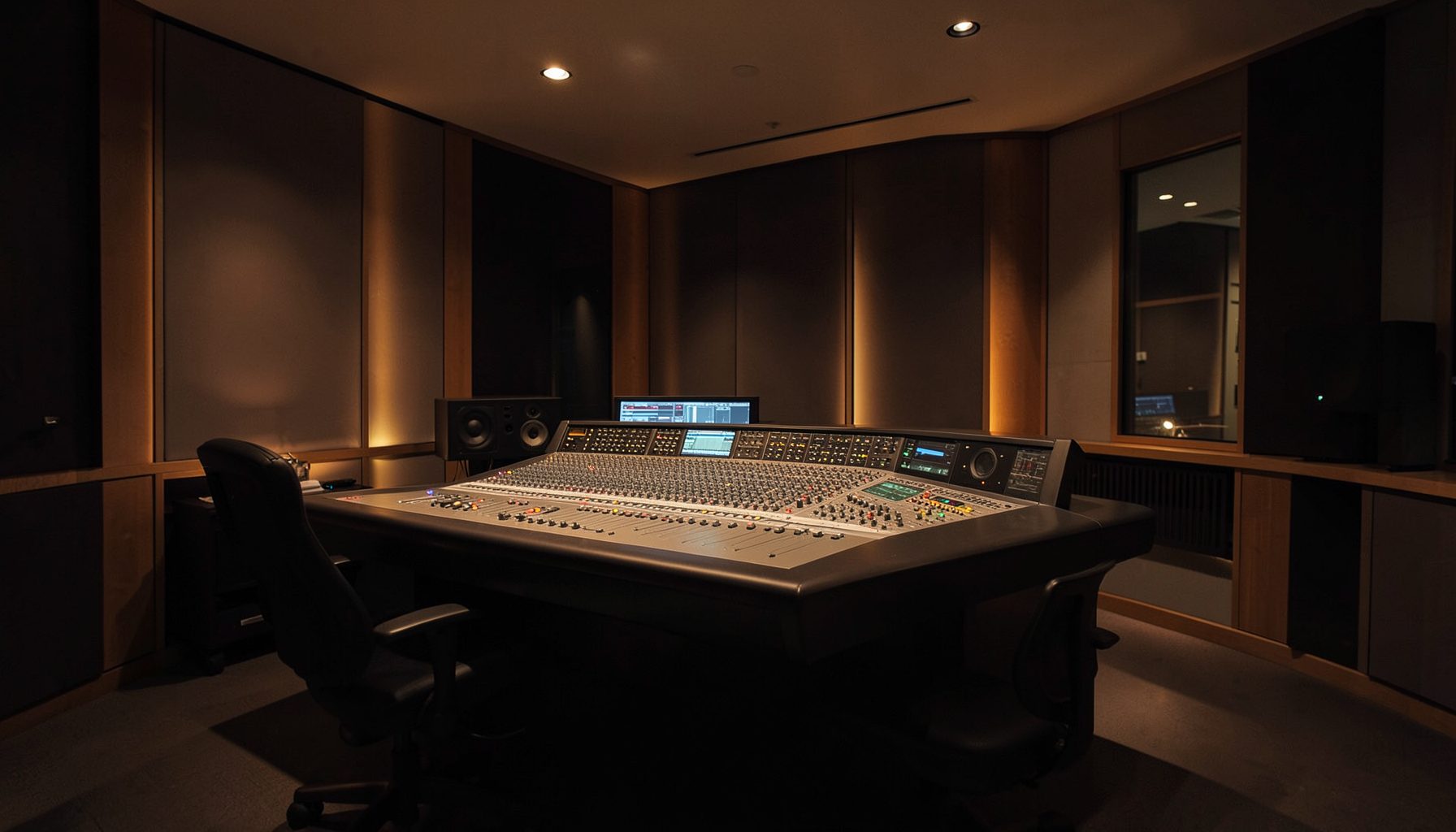
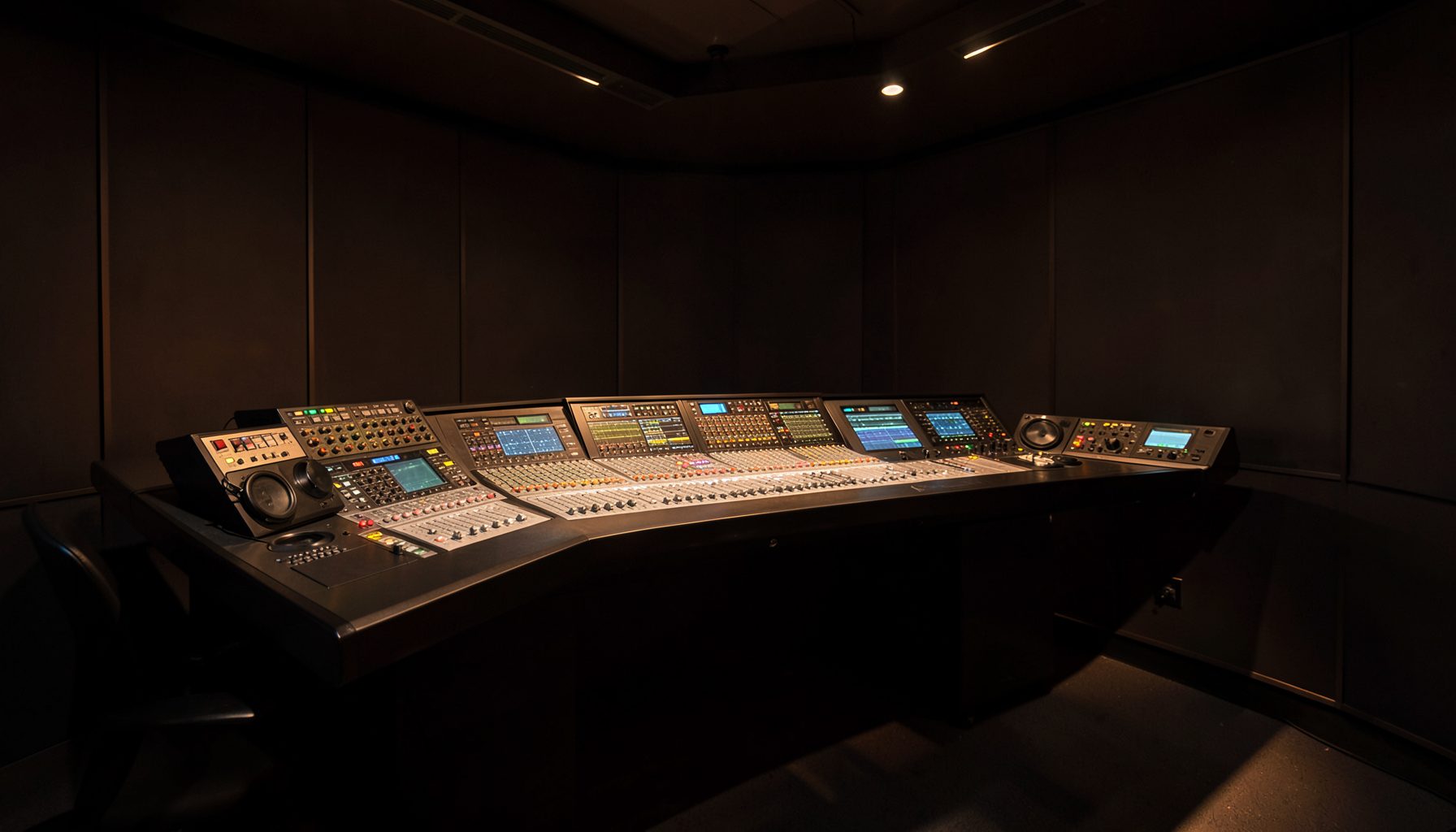
Ruby can provide those tailored paths while VisTool supplies a visual view of the desk and Power Core nodes distribute audio over the network. The design should be rehearsed as an audio workflow rather than improvised when a translator arrives or a live caller appears. Clear source assignment, talkback rules and monitoring checks prevent a useful translation feed from becoming a feedback loop.
Map each translator’s listening path
Start with a complete source list: presenter microphones, reporter feeds, telephone callers, playback, network audio and every translator channel. These sources enter the Ruby desk, while each translator receives a named return generated from a dedicated mix-minus. Naming buses by language and destination helps prevent the wrong feed from being selected during a busy bulletin.
| Monitoring requirement | Shared mix-minus | Dedicated Ruby mix-minus |
|---|---|---|
| Translator’s own microphone | Removed | Removed |
| Other translator microphones | Removed | Selectable for each translator |
| Studio, playback and remote sources | Common selection | Selected separately for each bus |
| Talkback | Kept off the shared feed | Routed independently where required |
| Practical result | Simple and uniform | Flexible, isolated and easier to troubleshoot |
With a shared bus, every translator receives an identical programme feed with all booth microphones removed. This is safe but can omit useful material, such as a remote correspondent feeding only one language channel. A dedicated Ruby mix-minus can exclude the translator’s own voice while retaining selected voices and sources, such as a Noongar contributor joining from Kununurra. Each translator’s microphone still reaches the director’s mix and, where required, the language recording or transmission chain.
Build a controlled source matrix
Treat the Ruby desk as the junction between programme production and translator monitoring. Programme output and translator returns must remain separate branches. Never route a mix-minus back into an input that feeds that same mix-minus, because that closed loop creates immediate feedback. In VisTool, clearly label the main programme meter, individual translator meters and each return so operators can identify a crossed path quickly.
Power Core nodes can distribute the resulting mix-minus feeds to translator booths and other endpoints around the studio. For a production involving a Perth guest and a Sydney studio, maintain a known-good route if the primary network connection fails. Eastern and western Australian schedules also require testing against daylight-saving changes, particularly when snapshots or automated recalls are used for recurring programmes.
Keep talkback and confidence monitoring separate
Talkback has a different purpose from the translator’s confidence feed. Route it through a dedicated talkback system or headphone amplifier, with clear permission for the producer to address one booth without exposing every translator. It should never become part of an open programme path through an accidental routing change. Keep talkback indicators visible in VisTool and confirm that its level reaches the booth without leaking into the transmission mix.
Headphone choice and monitoring level are part of the routing, not an afterthought. Cavendish Instruments headphones can be evaluated at the desk with each translator, checking intelligibility against Australian names such as Kalgoorlie-Boulder and the delivery used by the network’s English presenters. A comfortable level also reduces the temptation to turn up a noisy return feed until it sounds distorted.
Make rehearsals repeatable with snapshots
During rehearsal, ask each translator to read the same passage while their dedicated bus is soloed, then add the presenter and remote correspondent one at a time. This proves that their own voice is absent without removing a source they genuinely need. Test a handover between two translators and a live remote feed, because routing errors often appear during a change rather than in the nominal setup.
Recurring programmes make repeatable states especially useful, and Ruby snapshot automation shows how snapshots can support a regular weekly news show. Load the approved translator routing, source levels and talkback states for each rundown, then treat changes as a new, named state rather than an undocumented adjustment. The same approach suits an SBS service with several language editions or an ABC regional bulletin produced to different Australian time schedules.
Commission the workflow before going live
Commissioning should happen with the people who will operate it. Let every translator listen at the intended booth, confirm the programme feed and talkback route, and place a log meter at the return input; nobody should need to infer a routing error from echo during the first live segment. Record a short reference take from the main mix and each language feed for later comparison.
Document bus names, patch points, nominal levels, fallback routes and the person authorised to change each snapshot. Keep a redundant audio route available for regional contributions and check how every mix-minus behaves when a remote feed drops out. For the next production rehearsal, configure one translator’s dedicated Ruby mix-minus from the final source matrix and have that translator verify the complete return feed before the rest of the language team is added.