Shared VisTool Control for Collaborative Broadcast Engineering
Modern radio facilities rarely depend on one engineer sitting beside one console. A breakfast programme may begin in Sydney, continue through a network operation in Melbourne and rely on technical support in Perth. VisTool helps teams manage that distributed reality by providing a visual software layer for operating, monitoring and adapting networked broadcast systems.
Its value is especially clear when several engineers need access to the same studio infrastructure without constantly moving between rooms. Shared control can shorten fault recovery, support flexible work patterns and give production teams a clearer view of what is happening across audio paths, processing and connected devices.
| Collaboration requirement | VisTool approach | Operational benefit |
|---|---|---|
| Several engineers need access | Shared visual control interfaces | Faster coordination and fewer handovers |
| Different users need different functions | Role-based layouts and permissions | Safer access to critical settings |
| A studio must be supported remotely | Network-accessible control | Assistance without travelling to site |
| Operators work across multiple rooms | Centralised views of connected systems | Consistent workflows between studios |
| Faults occur during live output | Clear status and control feedback | Quicker diagnosis and recovery |
A Shared View Of The Studio
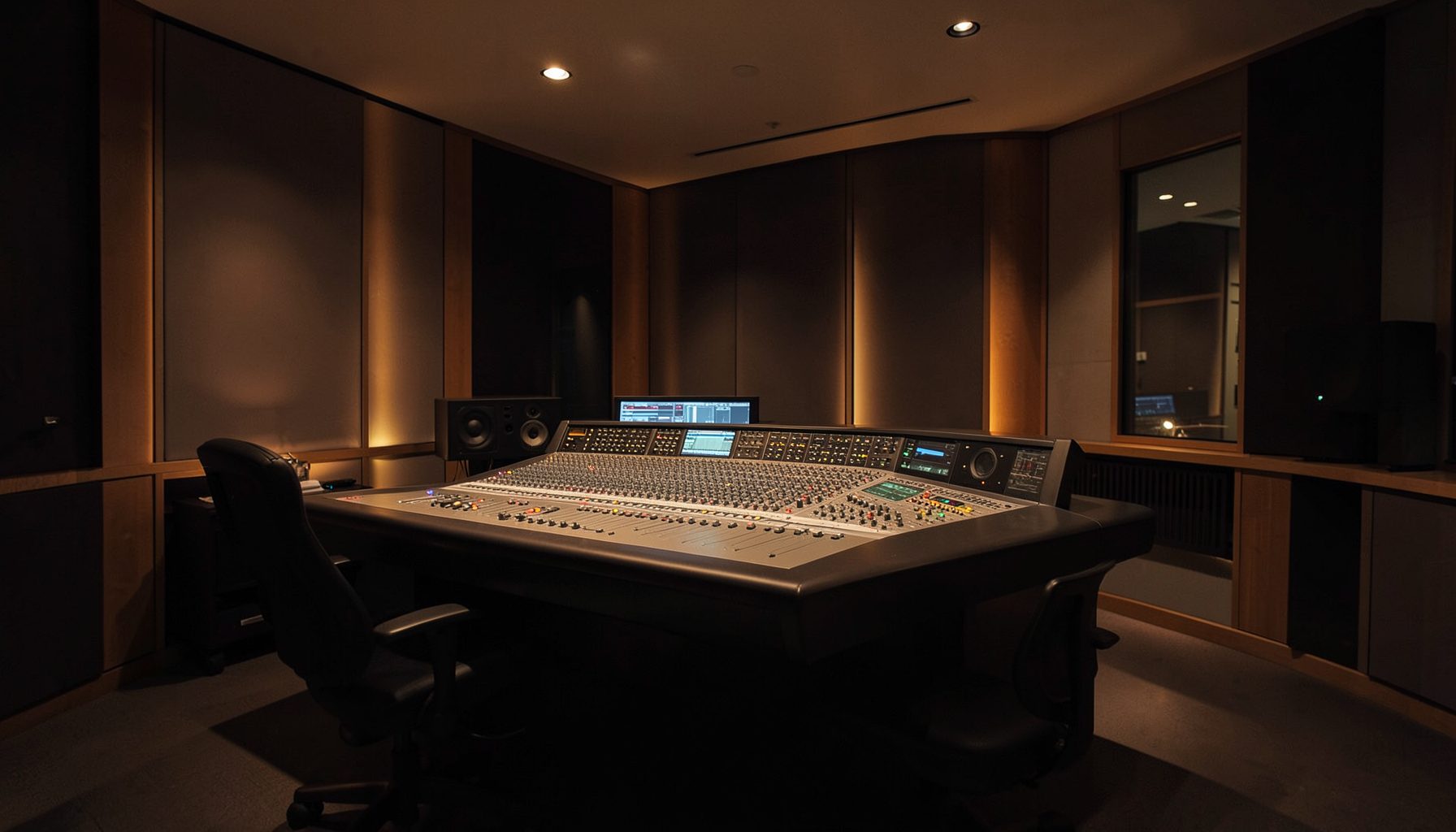
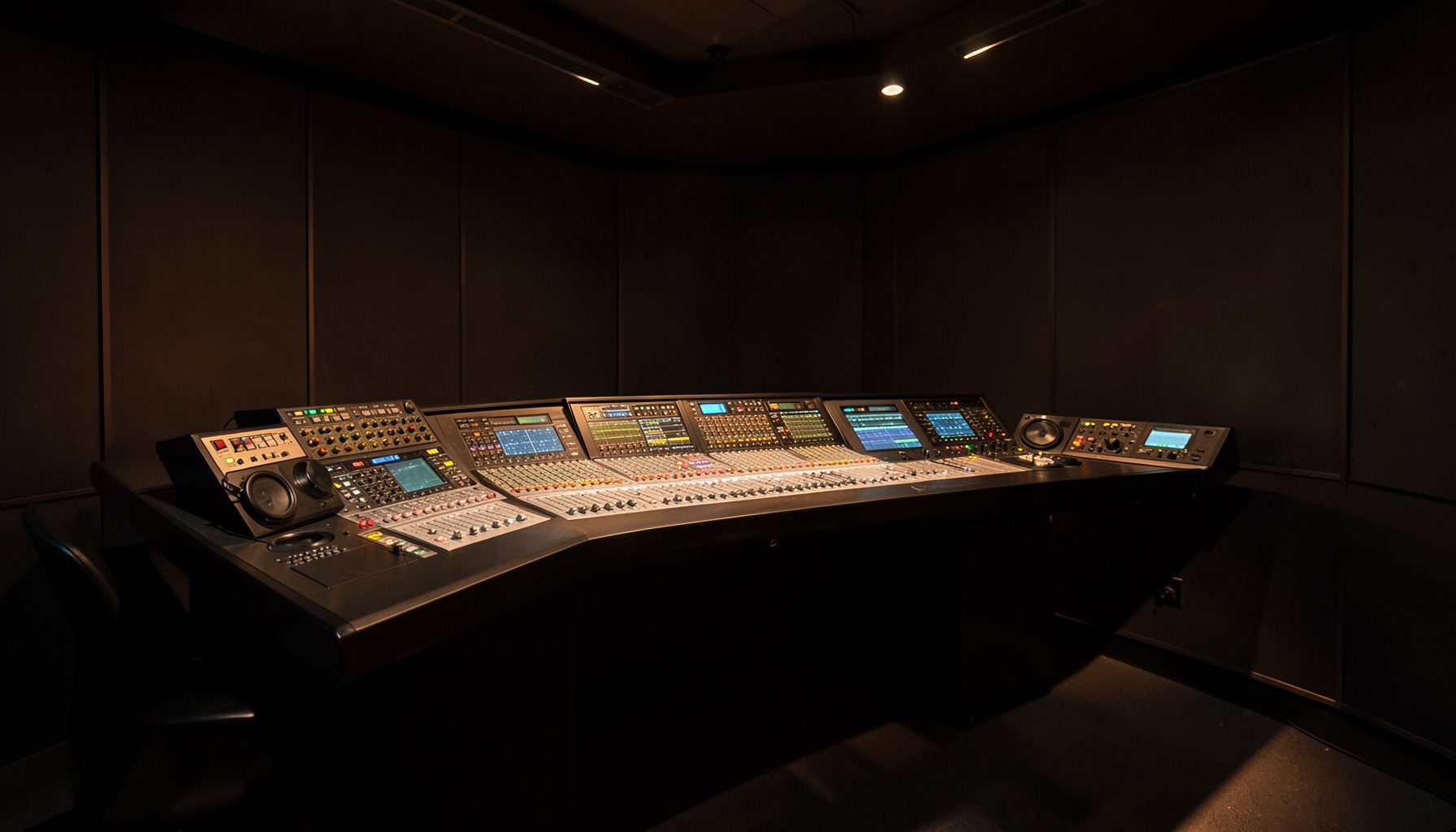
VisTool can present controls for audio engines, routing, signal processing and connected equipment through configurable graphical interfaces. Instead of requiring every engineer to understand the same physical console layout, the facility can provide views designed for particular tasks. A studio operator might see source selection and monitoring, while a technical specialist works with routing, levels and device status.
This separation is useful in Australian radio operations, where a metropolitan network may support local breakfast shows, syndicated programming and regional opt-outs from the same technical environment. Engineers in Melbourne can assist a station in Adelaide without requiring the local presenter to leave the studio or interpret unfamiliar engineering screens.
A shared interface also creates a common reference point. When a fault is reported, a producer, operator and engineer can discuss the same source, bus or control element rather than describing different hardware panels. That reduces ambiguity during time-sensitive live broadcasting.
Coordinating Multiple Engineers
Collaboration works best when access is organised rather than unrestricted. VisTool deployments can be structured around user roles, workstation locations and operational responsibilities, allowing a facility to decide who can monitor, adjust or administer a particular function. This supports a practical division between day-to-day production control and engineering-level configuration.
For example, a network operations engineer may oversee routing between studios, codecs and transmission feeds, while a local operator handles microphone balance and presenter monitoring. Both can work within the same broader system, yet each receives a view suited to their responsibilities. Clear permissions help prevent accidental changes to settings that affect several programmes or sites.
This model suits teams with mixed experience levels. A senior engineer can keep critical functions under controlled access while giving junior staff useful visibility into signal paths and system status. Shared control then becomes a way to transfer knowledge, rather than a source of competing commands.
Supporting Remote And Hybrid Workflows
Australian broadcasters often operate across large distances, and travel between capital cities or regional sites can make on-site support expensive. Remote access to visual controls can let an engineer investigate a routing issue, check a processor state or assist with a studio change from another location. The engineer still needs secure network access and suitable operational policies, but the workflow can reduce delays when a specialist is not physically present.
The same principle applies within a large facility. A technical team might supervise several studios from a central control area while producers work in adjacent rooms. VisTool can expose the relevant controls in a form that is easier to interpret than a collection of unrelated device panels.
Security and accountability remain important. Australian stations handling caller audio, interviews and recorded contributions should consider the Privacy Act 1988 and the Australian Privacy Principles when remote access could expose personal information. Strong authentication, permission management, network separation and audit procedures should form part of the control design, particularly when contractors or shared-service teams are involved.
Connecting Control With Broadcast Workflows
VisTool becomes more powerful when it operates as part of a wider networked production system rather than as an isolated display. It can provide an operational layer for Lawo infrastructure, including audio cores, consoles and processing resources. For teams working with Ruby mixing consoles, a complementary visual control environment can help extend access beyond the physical surface.
This is useful when a studio needs several types of interaction. The presenter may require a simple, dependable interface for routine operations, while the engineer needs detailed access to routing, monitoring and signal processing. A configurable control page can bring relevant functions together without forcing every user to navigate the entire system.
Shared control also supports repeatable studio design. A broadcaster can create consistent layouts for breakfast, talkback, sport or outside-broadcast support, then deploy familiar views across locations. That consistency matters in a market where staff may move between Sydney, Brisbane and regional stations, or where a network’s central team supports multiple brands.
Making Collaboration Reliable On Air
The strongest collaborative setup is designed around live operating habits. Engineers should agree which controls are safe for concurrent use, which functions require a handover and how urgent changes are communicated. A visible status convention, naming standard and clear ownership of critical paths can prevent two people from making conflicting adjustments.
Facilities should also test failure scenarios before relying on remote or shared control during transmission. Useful checks include loss of a network connection, a failed audio source, an unavailable workstation and a mistaken route selection. Engineers can document recovery actions directly in operating procedures, giving less experienced staff a dependable response during an incident.
For stations using virtualised or distributed tools, shared control can extend beyond the main studio. Lawo’s RƎLAY radio tools reflect the wider move towards software-based production, where control, monitoring and contribution may span conventional studios, home contributors and network operations centres. The practical goal is a consistent operating picture, not simply adding more screens.
A sensible deployment begins with a small group of users and a defined set of workflows. Map who needs access, identify the controls that matter during live output, apply permissions, and test the arrangement under real programme conditions. When every engineer can see the right information and act within clear boundaries, VisTool turns shared access into a dependable part of daily broadcast operations.