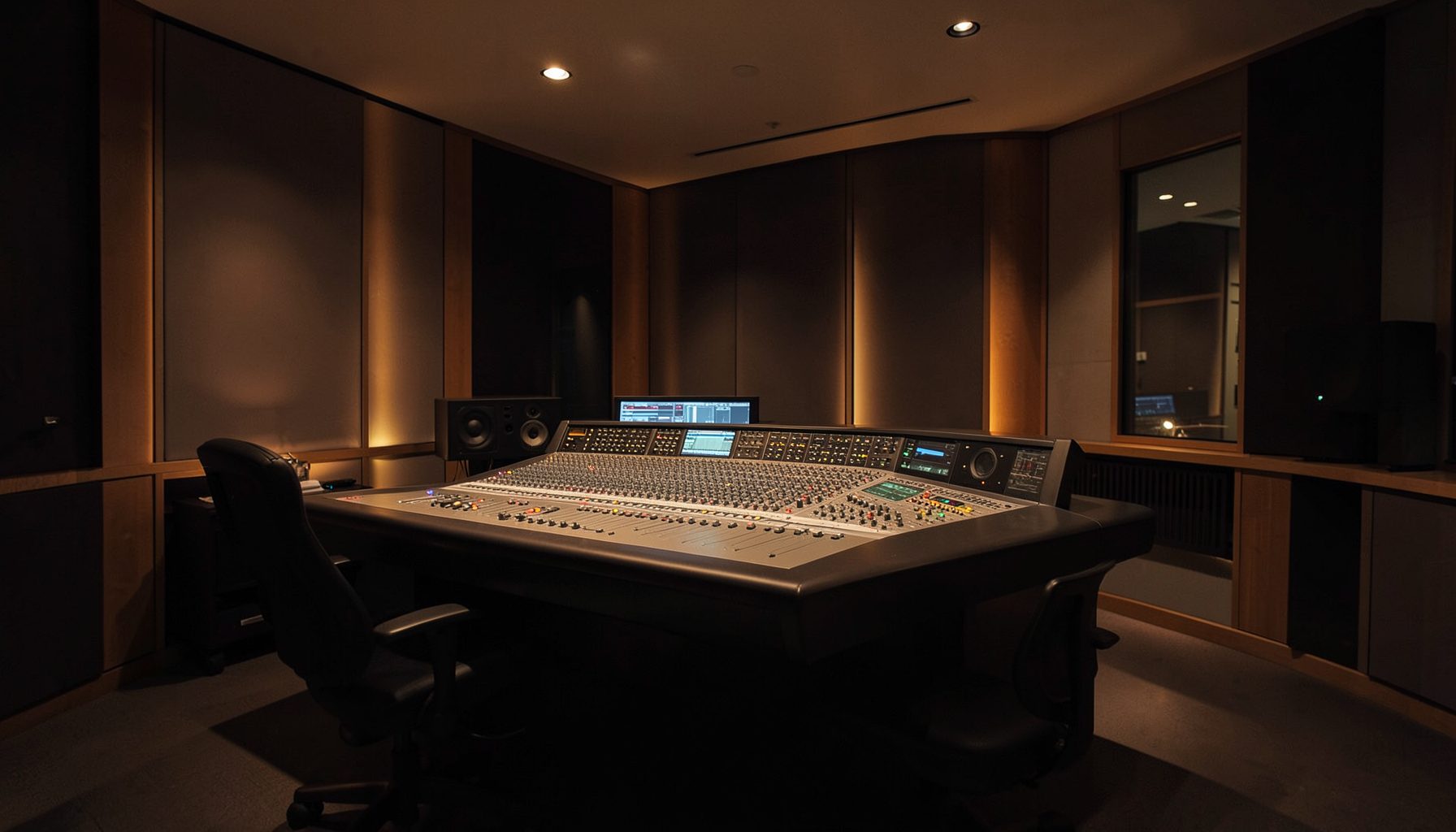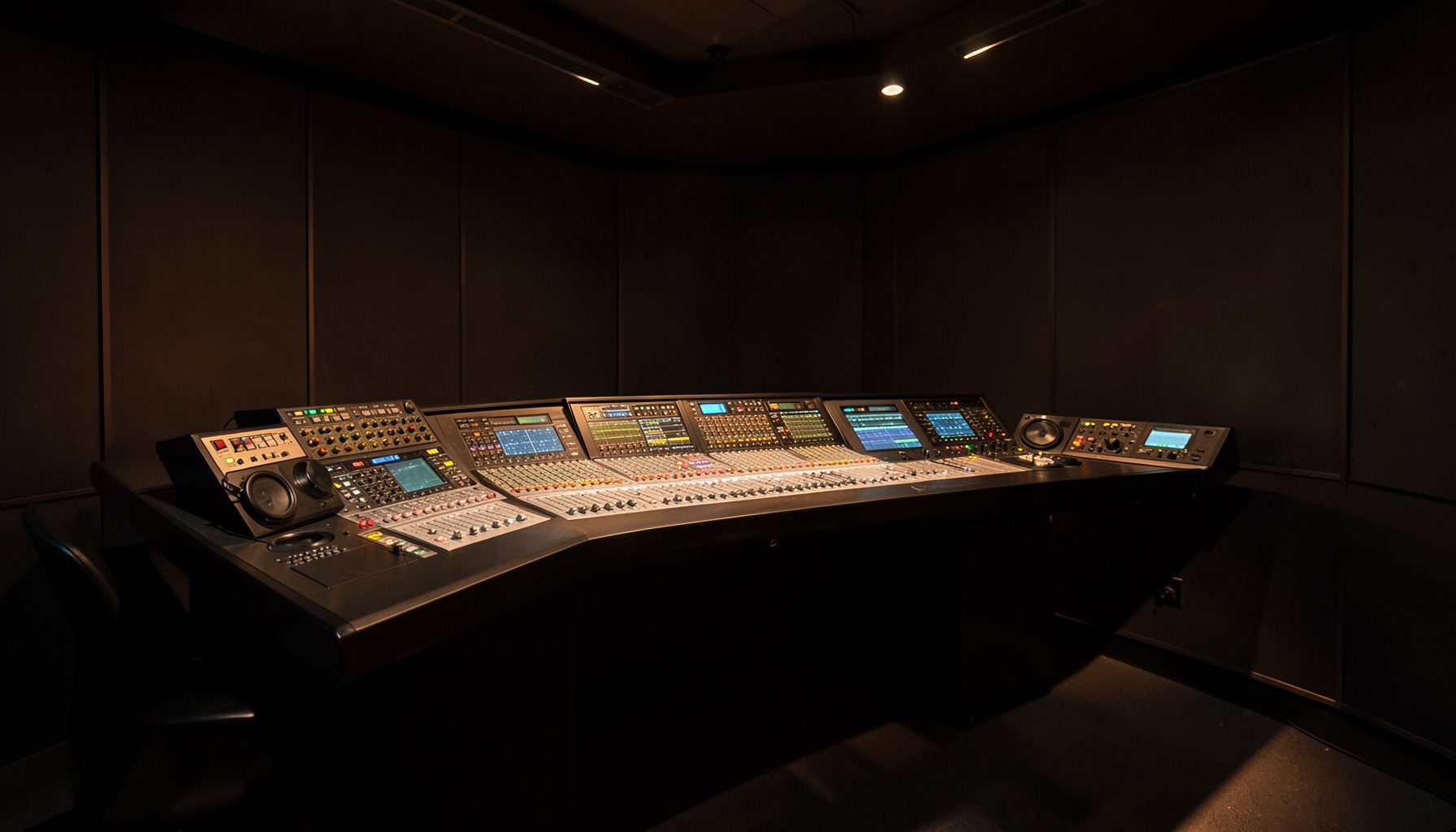
Ruby's Monitor Bus Powers Remote News Desk Return Audio
Australia's vast geography creates unique challenges for radio broadcasters. Studios in Sydney often coordinate with news desks in Melbourne, Brisbane, Perth, or regional hubs hundreds of kilometers away. When a journalist files from a satellite studio, the host needs a clean return feed to communicate without bleeding into the broadcast. Ruby's monitor bus architecture manages these distributed audio pathways effectively.
The monitor bus serves a distinct purpose from the program bus. While program audio travels to listeners, monitor audio travels to talent for talkback and cue monitoring. Ruby's flexible routing matrix lets operators designate specific sources for the monitor bus, ensuring remote news desk return audio reaches the right ears at the right moment.
Modern Australian broadcasters have embraced networked workflows allowing journalists to report from press galleries in Canberra, sporting fixtures at the MCG, or regional events across Hobart and Darwin. The monitor bus becomes the connective tissue between these remote locations and the studio.
Ruby's interface exposes monitor bus routing through controls tailored for breaking news urgency. Assigning feeds to the monitor bus rather than the program bus preserves audio quality while creating dedicated communication channels for talent working remotely.
Understanding the monitor bus architecture
Ruby's monitor bus functions as a parallel audio pathway within the console's routing engine. Unlike the program bus that feeds on-air signals to transmitters and streaming encoders, the monitor bus delivers audio to headphone amplifiers and talkback speakers. This separation prevents unwanted audio from contaminating broadcasts.
The console routes specific sources including off-air program feeds, remote codec returns, and intercom channels. Each input configures individually, allowing different monitor mixes for the host, producer, and guest talent. Ruby consoles connect via the HOME management network to Power Core, providing deterministic latency and redundant audio paths suitable for delivery across Australia.
Wiring remote news desks across long distances
Connecting a remote news desk to the main studio requires careful consideration of bandwidth, latency, and redundancy. Australian broadcasters commonly use IP codecs to carry program audio and return feeds between capital cities. The monitor bus feeds these codecs as a separate stream, allowing remote journalists to hear the host without their own audio bleeding back through the program chain.
Network reliability varies considerably across the country. Stations in Sydney, Melbourne, and Brisbane typically access robust fibre. Outlets in Hobart, Darwin, or regional Western Australia often face bandwidth constraints demanding efficient compression. A practical setup involves a remote codec at the news desk sending program audio via the monitor bus while the host's microphone travels the opposite direction through a separate channel.
Configuring talkback and program feeds
Talkback configuration on the monitor bus allows producers to speak to talent without listeners hearing the conversation. Ruby provides dedicated talkback buttons routing producer microphones directly to the monitor bus, bypassing the on-air feed. This proves essential during news bulletins when producers give time cues or warn about breaking developments.
Program feed routing ensures talent hears the on-air signal, helping them time entrances and exits naturally. The monitor bus carries the full program mix or a pre-fade listen excluding the talent's own microphone. Many Australian hosts prefer pre-fade listen because it eliminates the slight echo when their voice returns through headphones.
Return audio from remote codecs requires careful level matching. Ruby's monitor bus includes trim controls for each source, allowing engineers to balance loudness across studio microphones, remote correspondents, and intercom feeds.
Real-world workflow in Australian newsrooms
A morning news round on a Melbourne commercial network might involve the host in studio, a reporter at a press conference in Canberra, and a sports correspondent covering cricket in Adelaide. Each remote location sends audio via IP codec, and Ruby's monitor bus routes appropriate feeds back to each participant. The host hears the program mix minus their own voice, allowing seamless segment introductions.
AutoMix integration streamlines this process by managing multiple open microphones automatically. When AutoMix handles gain sharing across remote feeds, the monitor bus passes through the balanced mix to each participant's headphones. This combination reduces operator workload during fast-paced news cycles.
VisTool software provides visual feedback showing active monitor bus sources, open talkback channels, and healthy remote codecs. This transparency helps prevent mistakes during high-pressure broadcasts when attention focuses on content rather than technical details.
Comparing monitor bus routing options
| Routing Method | Latency | Complexity | Best Use Case |
|---|---|---|---|
| Direct program bus | Low | Simple | Single remote guest |
| Dedicated monitor bus | Medium | Moderate | Multi-talent news rounds |
| IP codec with talkback | Variable | High | Distributed news desks |
| HOME network integration | Very low | Moderate | Studio-to-studio links |
Direct program bus routing suits basic interviews. Ruby's dedicated monitor bus implementation delivers the sophistication and reliability required for complex multi-source scenarios during breaking news.
Troubleshooting monitor bus issues
Audio dropouts on the monitor bus often stem from network congestion rather than console settings. Australian broadcasters operating across vast distances sometimes encounter packet loss during peak internet usage periods. Ruby's diagnostic tools display signal presence, level metering, and route confirmation for every monitor bus assignment, letting engineers verify routing at a glance.
Maintaining broadcast infrastructure also requires attention to digital assets. Proper management of stream domains through whois record updates ensures listeners can always find the station's online presence alongside properly maintained physical equipment.
Best practices for reliable return audio
Consistent naming conventions for monitor bus sources prevent operator confusion during live broadcasts. Stations should label each source clearly, including location, talent name, and signal type. Ruby's software allows custom labels appearing on the console screen and in VisTool. Regular testing of remote feeds identifies failing hardware before it causes on-air problems.
Documentation should capture every monitor bus configuration detail. Network diagrams, signal flow charts, and configuration backups ensure any engineer can step in during emergencies. Ruby's preset system allows instant recall of complex routing setups, invaluable when covering elections, natural disasters, or major sporting events.
Schedule a hands-on demonstration of Ruby's monitor bus capabilities with a Lawo applications engineer, focusing on specific remote news desk requirements and network topology.