Using Ruby’s Meter Bridge for EBU R128 Loudness Compliance
Consistent loudness is a fundamental part of professional radio delivery. EBU R128 provides a common framework for measuring programme loudness, controlling true peak levels, and reducing the abrupt volume changes that can occur between links, commercials, music, and recorded features.
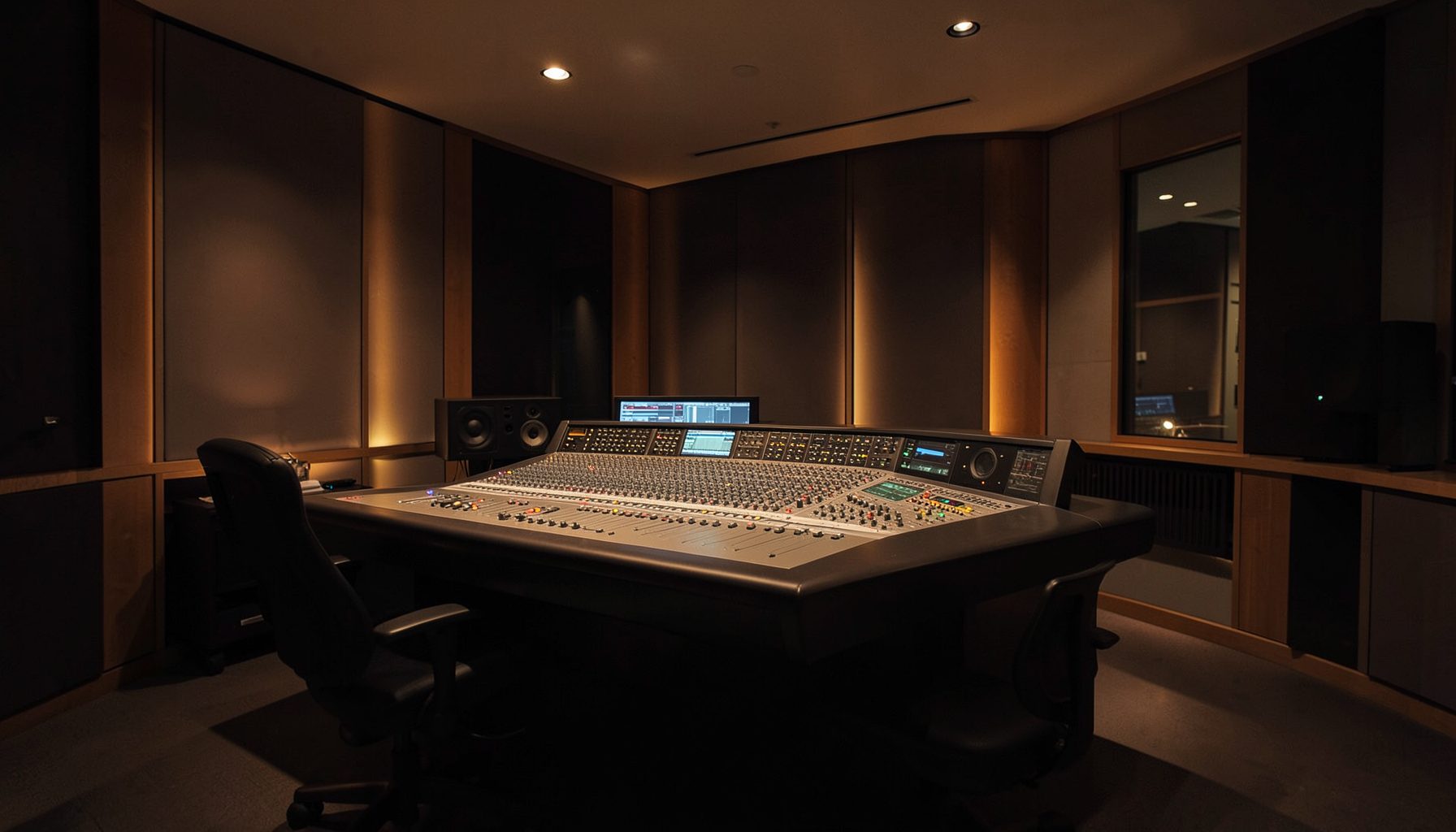
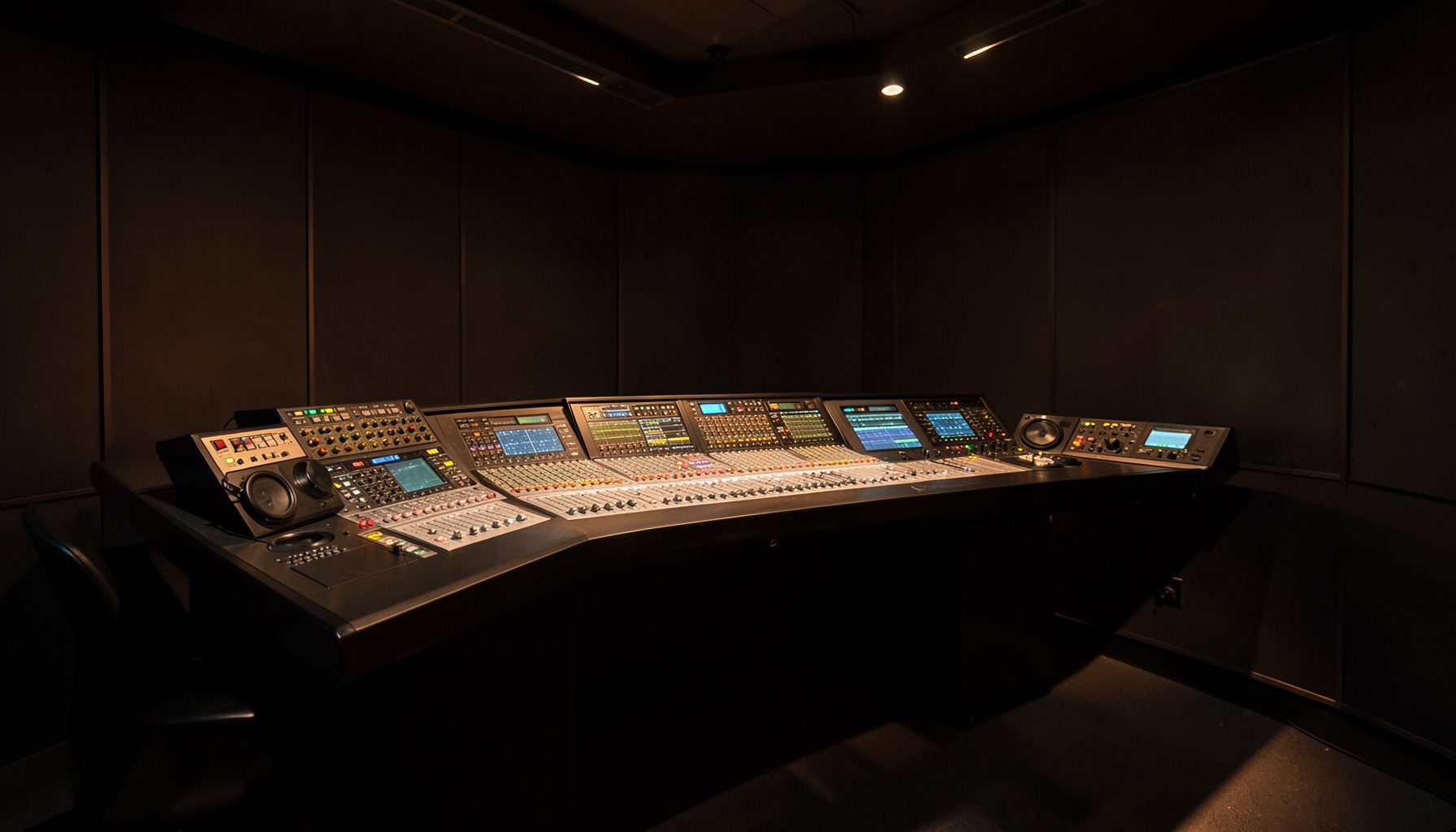
Ruby’s meter bridge gives operators a visual reference while they work. Instead of relying only on channel faders or peak meters, production and playout teams can observe loudness over different time windows and make informed adjustments before audio reaches transmission.
The most effective approach combines accurate metering with disciplined gain structure. A loudness display is valuable when it supports good operational habits, clear presets, and a workflow that treats compliance as a continuous process rather than a final technical check.
Why Loudness Monitoring Matters
Traditional peak meters show whether an audio signal is approaching a digital ceiling. They do not reliably indicate how loud that signal feels over time. Two programmes can reach the same peak level while producing very different perceived loudness because of differences in compression, density, spectral balance, and dynamics.
EBU R128 addresses this problem by using LUFS-based measurements. The reference programme loudness target is generally -23 LUFS, with true peak control helping to prevent overloads during conversion, encoding, or downstream processing. In practice, stations define acceptable operating tolerances around the target and apply them consistently across their output.
A Ruby console can place this information directly in the operator’s working environment. That makes it easier to spot a consistently hot source, a quiet remote feed, or a heavily compressed commercial before the difference becomes obvious to listeners.
Understanding The Meter Bridge Readouts
A useful loudness display normally includes integrated, short-term, and momentary measurements. Integrated loudness describes the average level across a complete programme or selected period. It is the most relevant figure for checking a finished item against a delivery specification.
Short-term loudness typically represents a moving three-second window, making it useful for judging the current section of speech, music, or a package. Momentary loudness reacts more quickly and helps identify sudden changes, although it should not be used alone to decide whether an entire programme is compliant.
Loudness range, often shown as LRA, provides additional context about programme dynamics. A low value may indicate aggressive compression, while a high value can signal wide variation between quiet and loud passages. True peak readings should be watched alongside loudness because an item can meet its LUFS target and still create inter-sample peaks that cause problems later.
Establishing A Reliable Reference
Before adjusting sources, confirm how the Ruby system is configured and where loudness is being measured. The meaningful point may be a bus, programme output, monitor path, or another defined stage in the signal chain. Measuring too early can hide the impact of processing that follows.
Set a clear station reference based on the applicable delivery standard. For many EBU-oriented workflows, -23 LUFS integrated is the central reference, while the true peak ceiling is commonly set near -1 dBTP to provide practical headroom for distribution. The exact limits should follow the broadcaster’s technical policy and the requirements of the transmission chain.
Avoid chasing every movement on the meter. Short-term and momentary values naturally rise during emphatic speech or musical peaks. Operators should make gradual corrections based on sustained readings, using the integrated result for completed content and the other scales for real-time control.
| Loudness Indicator | What It Shows | Practical Use |
|---|---|---|
| Integrated LUFS | Average loudness over the measured programme | Final compliance and delivery checks |
| Short-Term LUFS | Average over a moving short window | Balancing current speech, music, or packages |
| Momentary LUFS | Rapid loudness response | Detecting sudden changes and transitions |
| Loudness Range | Variation between quieter and louder sections | Assessing dynamics and listener consistency |
| True Peak dBTP | Estimated inter-sample peak level | Preventing overload during processing and encoding |
Monitoring Live Radio In Real Time
Live presenters and producers need a meter that supports decisions without distracting them from the programme. Watch the programme bus during links, songs, outside broadcasts, and pre-recorded inserts. If short-term loudness remains significantly above the station reference, check the relevant source processing before simply pulling down the master level.
A well-organised Ruby workflow separates source correction from output correction. Adjust microphone gain, channel trim, or dynamics processing when one source is responsible for the problem. Use the programme bus for broad control, but avoid solving every mismatch with a final fader move because that can compromise other material.
Networked audio workflows make this approach especially useful when multiple studios, presenters, or remote sources share resources. With systems such as Power Core and associated control software, teams can standardise signal paths and maintain predictable monitoring across locations.
Checking Recorded And Automated Content
Pre-recorded features, commercials, imaging, and music beds should be measured before they enter an automated schedule. A loudness-normalised file can still contain unsuitable true peaks or excessive dynamics, so integrated LUFS is only one part of the check.
Use Ruby’s meter bridge during rehearsals and playout tests to compare content at the point where it will actually be broadcast. Pay close attention to transitions: a compliant interview followed by a heavily limited promo may create an apparent jump even when both items look acceptable in isolation.
For virtualised radio operations, loudness checks can be incorporated into software-based production and playout practices. A team using RƎLAY VRX tools can apply the same monitoring discipline to remote or distributed workflows, provided the measurement point and reference target are clearly documented.
Creating A Consistent Operator Routine
Compliance improves when every operator follows the same sequence. Define the target, identify the correct meter location, observe the programme over sufficient time, and correct the source rather than reacting to isolated peaks. Save approved console configurations where appropriate so that a new shift begins with a known monitoring setup.
Use these operating habits as a practical baseline:
- Confirm the loudness target and true peak limit for each delivery path.
- Monitor integrated and short-term LUFS together rather than relying on peaks alone.
- Check transitions between speech, music, commercials, and recorded inserts.
- Investigate persistent deviations at the source, channel, or processing stage.
- Log recurring problems so presets and production guidance can be improved.
Turning Measurements Into Better Sound
A meter bridge is most effective when it becomes part of the station’s sound policy. Regularly review delivered programmes, compare readings with listener reports, and check whether processing choices are preserving clarity as well as meeting numerical targets. Loudness compliance should support intelligibility and a comfortable listening experience, not encourage operators to flatten every dynamic contrast.
Use the measurements to refine microphone technique, compressor settings, music automation levels, and contribution-feed gain. When the whole chain is aligned, Ruby’s metering becomes a dependable reference for live work, post-production, and automated broadcast operations.
Configure a clear EBU R128 monitoring routine on your Ruby system, document the station’s reference values, and begin checking each major source at the point where it enters the programme path. With consistent practice, loudness compliance becomes a natural part of daily broadcast control rather than a last-minute correction.