Designing Expandable Ruby Fader Banks for Radio Scale
Large-format radio shows demand more than a generous channel count. A breakfast programme may combine several presenters, remote guests, music beds, phone calls, news feeds, social clips, production returns, and multiple transmission paths. The console must keep these sources accessible without turning the operator’s workspace into a maze of identical controls.
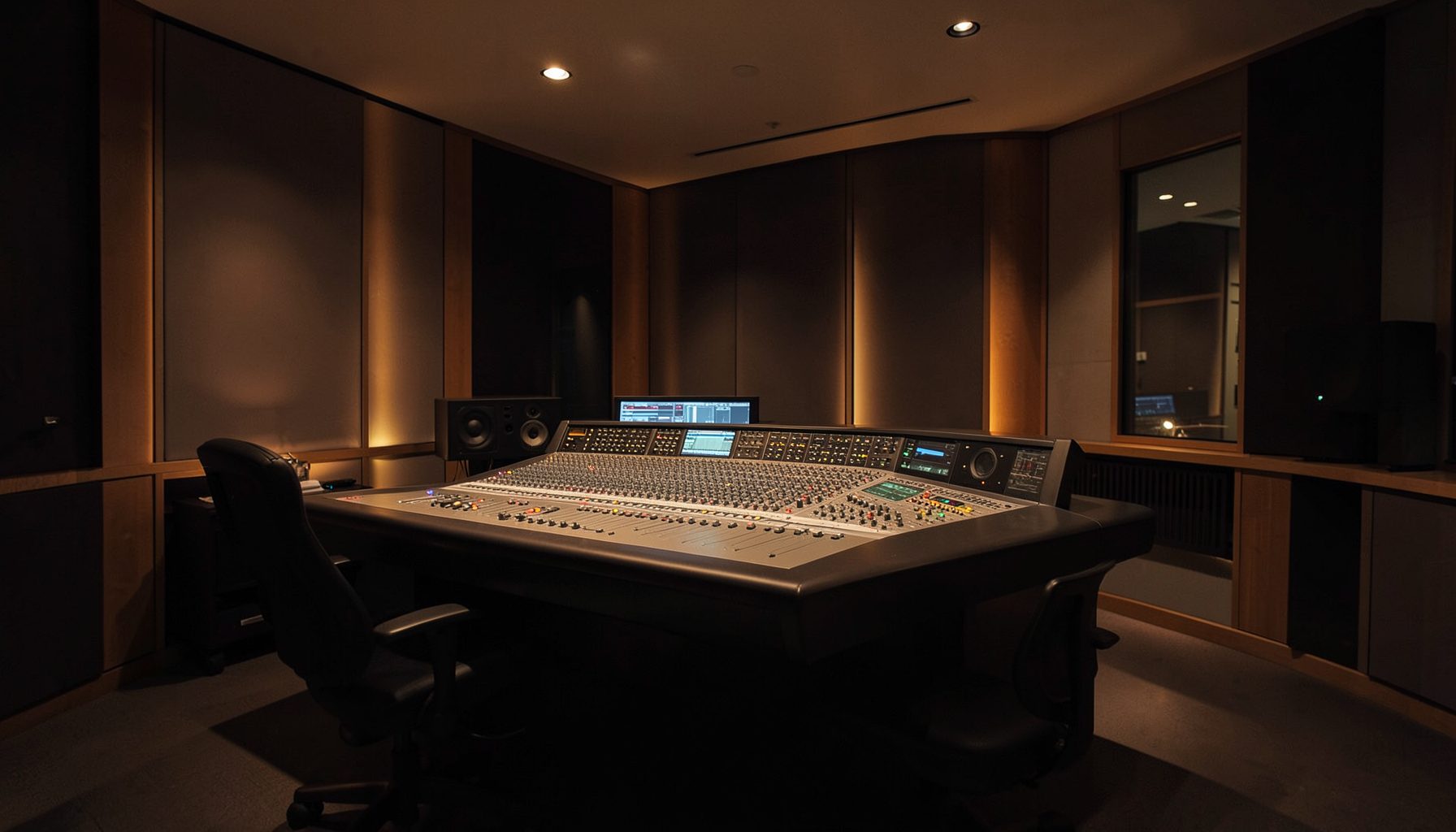
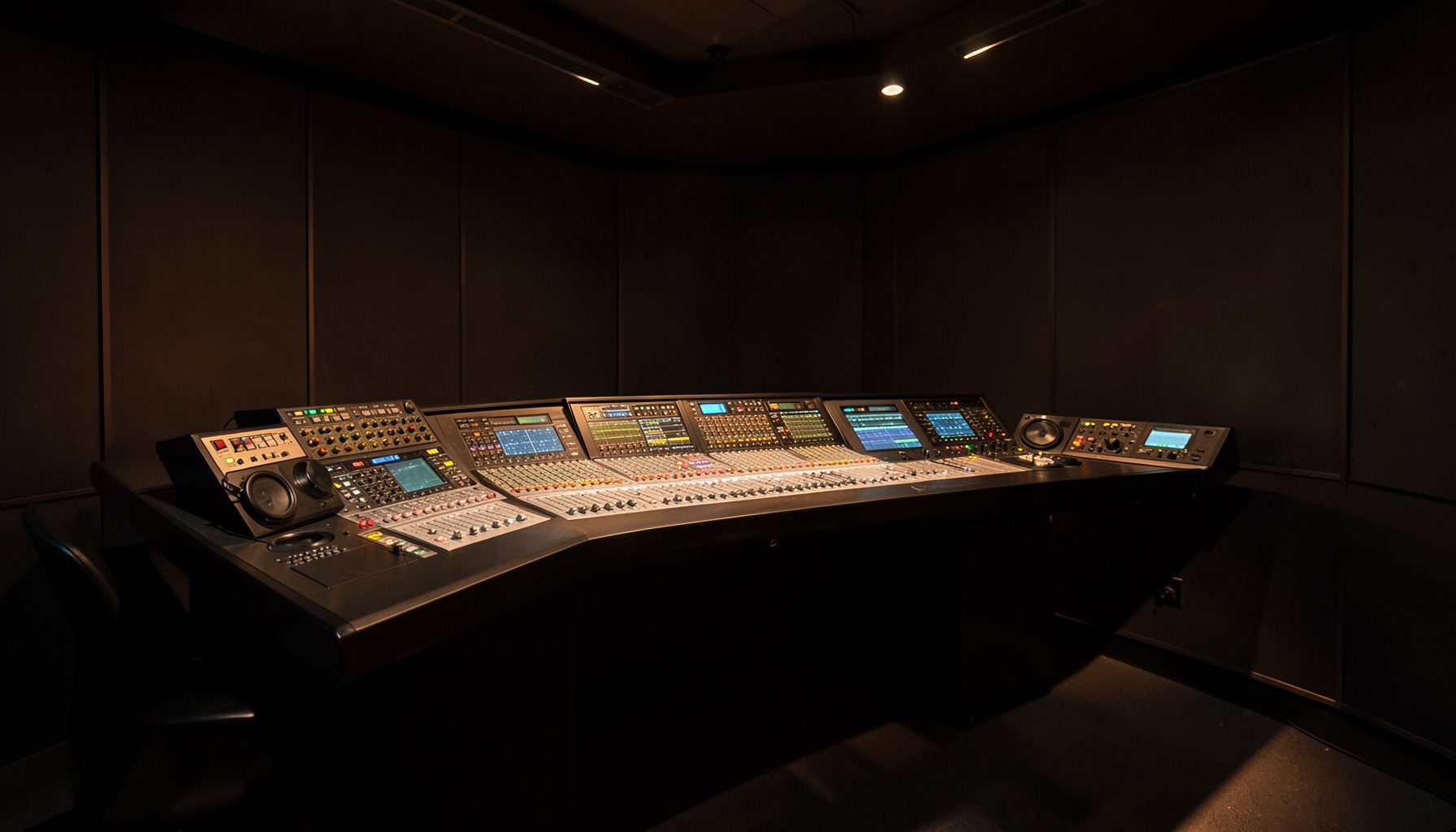
Ruby’s expandable fader-bank approach gives engineers a practical way to scale a radio mixing surface around the show. Additional faders can support more contributors and sources, while layers and custom assignments keep the most important controls close at hand. This makes the surface adaptable as a programme grows in complexity.
The result is a workflow that connects physical control with networked audio architecture. Ruby can sit within a wider Lawo environment involving audio nodes, software tools, routing, control, and automation. The Lawo broadcast platform provides the broader context for building that type of integrated production system.
Match Fader Capacity to the Programme
A compact console can handle a straightforward studio shift, but large-format radio often outgrows a fixed surface quickly. Each additional presenter, codec, playout source, monitor return, and processing path competes for immediate access. Expandable Ruby fader banks let the surface grow with the operational brief rather than forcing every show into the same layout.
The key is to plan around roles instead of simply counting inputs. One bank might serve the main presenter and co-hosts, another might hold remote contributors and telephone hybrids, while a further section manages music, effects, and production playback. This arrangement gives each operator a clear visual zone and reduces unnecessary page changes.
Build Logical Layers for Fast Access
Expandable hardware is most effective when its layers follow the way the programme is produced. A live presenter layer should contain microphones, cough groups, talkback, and relevant mix-minus controls. A contribution layer can bring together codecs, remote guests, and return feeds. A production layer may hold jingles, beds, sound effects, and cart players.
Ruby’s configurable approach supports these role-based layouts while preserving consistent control logic. Operators should be able to move between banks without losing track of what is live, muted, or routed to a specific bus. Clear labelling, sensible colour conventions, and disciplined source naming are as important as the number of faders installed.
Separate Immediate Actions from Deep Control
A large radio console should make high-pressure actions obvious. Presenter microphone levels, phone contribution trims, monitor volume, and key bus controls deserve a stable location. Less frequently used functions, such as detailed processing parameters or unusual routing changes, can remain available through secondary controls or software interfaces.
This separation helps prevent fader-bank expansion from becoming visual overload. The surface becomes a set of focused work areas rather than a wall of channels. During a live segment, the operator can keep attention on the active bank while still reaching other sources through layers when required.
Coordinate Ruby with Networked Audio
Fader expansion has greater value when the underlying audio system can deliver sources wherever they are needed. Networked audio nodes can centralise processing and connectivity while allowing the control surface to remain tailored to the studio. That architecture is useful when a show includes multiple rooms, remote production positions, or shared technical resources.
Lawo’s company profile describes the manufacturer’s wider focus on professional audio, video, networking, and control. In practice, a Ruby installation can be considered as one control point in a broader Broadcast 3.0 workflow, with routing and processing handled across connected systems rather than confined to a single frame.
| Production requirement | Recommended Ruby layout | Operational benefit |
|---|---|---|
| Two-presenter studio show | Main microphones, playout, beds, and monitor controls on the primary bank | Fast access with minimal layer changes |
| Multi-guest interview | Dedicated contributor bank with codecs, phone paths, and mix-minus returns | Cleaner guest management during live conversation |
| Music-led breakfast programme | Separate presenter, music, effects, and production banks | Better separation between speech and entertainment sources |
| Networked regional broadcast | Local studio sources plus shared remote or central resources | Scalable control across connected facilities |
| High-volume news or sports format | Multiple operator zones and clearly grouped source layers | Faster reaction to changing live feeds |
Design for Multiple Operators
Large-format radio shows are often supported by more than one person. A presenter may need direct access to a microphone or talkback function, while a technical operator manages routing, callers, playback, and transmission feeds. Expandable fader banks can assign these responsibilities to separate physical areas without duplicating the entire system.
For shared facilities, consistency matters. Every bank should use predictable source names, channel ordering, and bus conventions. If a relief operator moves from one studio to another, familiar layouts reduce training time and lower the risk of opening the wrong microphone or sending an unintended source to air.
Recommendations for a Reliable Fader Layout
Before adding banks, document the show’s source groups, critical actions, and likely expansion points. A scalable design should leave room for new contributors and evolving programme features rather than filling every fader on day one.
- Place presenter and host microphones in the most immediate operating position.
- Reserve a dedicated bank for callers, codecs, remote guests, and mix-minus returns.
- Group music, beds, effects, and production playback separately from speech sources.
- Keep monitor, talkback, cue, and transmission controls consistent across operator positions.
- Use clear labels and stable layer conventions so substitute operators can work confidently.
A short rehearsal with the intended team can expose layout problems that a channel spreadsheet will miss. Test the moments that create pressure: adding a caller, taking a remote guest live, switching to breaking news, changing a music bed, and moving between studios. The best fader arrangement is the one that remains understandable when the programme changes direction without warning.
Scale the Surface Around Future Needs
Expansion should support both today’s show and tomorrow’s workflow. A programme may begin with two presenters and a handful of playback sources, then add video-linked guests, audience interaction, additional studios, or a second transmission stream. Planning cable paths, network capacity, control positions, and naming conventions early can make later growth far less disruptive.
Ruby’s expandable fader banks are therefore a production design tool, not simply an increase in channel capacity. They help translate a complex radio format into clear physical zones, while networked processing and software-based control provide room for further development. Configure the surface around the show’s real operating rhythm, test it under live conditions, and build the next expansion point into the design from the start.