Building reliable cue feeds with Ruby's bus architecture
In a busy radio control room, the way monitor cue feeds are routed can shape everything from on-air timing to presenter comfort. For broadcasters in Sydney, Melbourne, and the smaller regional markets across Australia, getting those feeds right is especially important during long breakfast shifts, sports coverage, and rolling news blocks. The Ruby's bus architecture offers a flexible approach that suits the demands of networked studios and multi-host formats common in the country.
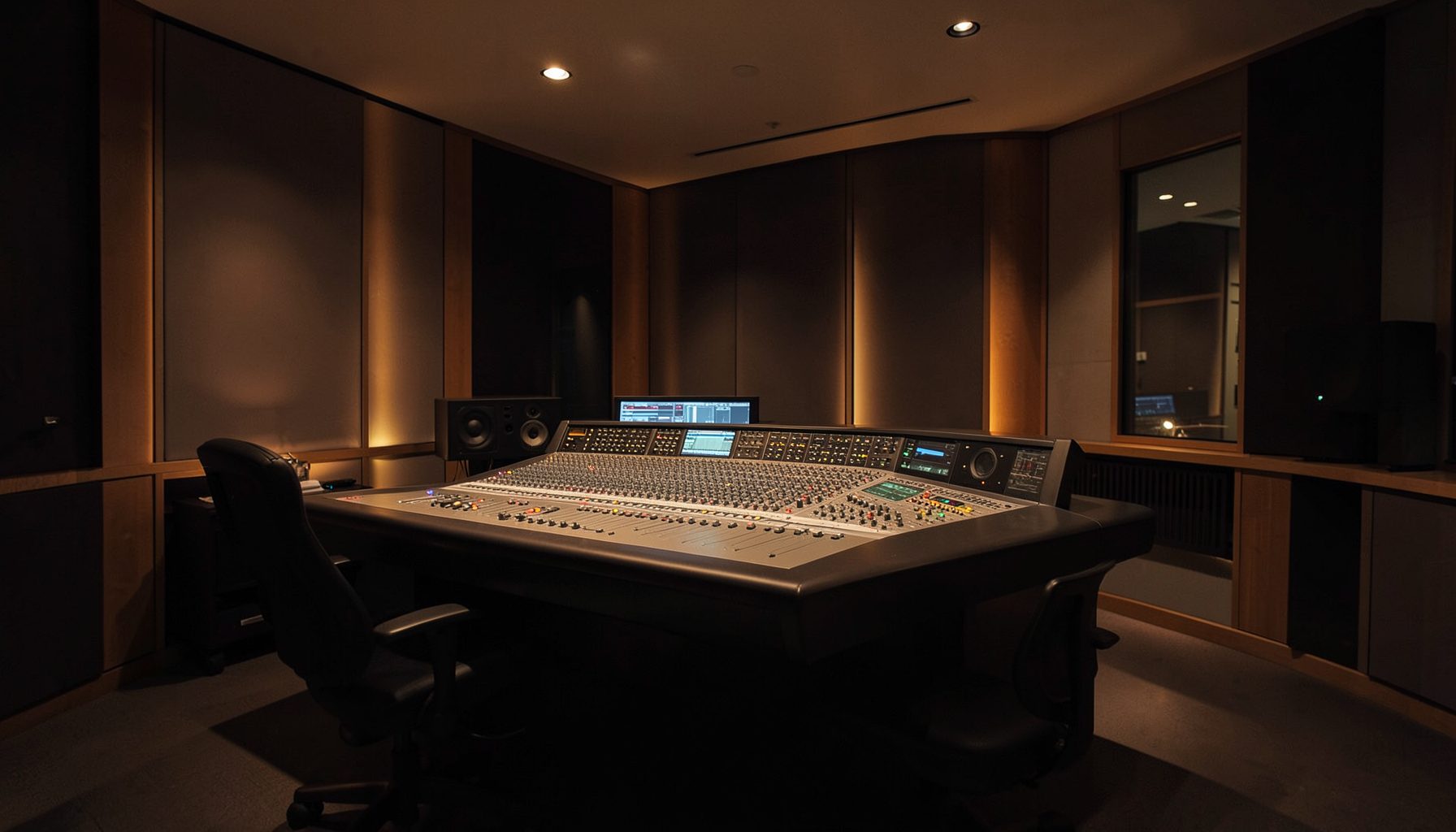
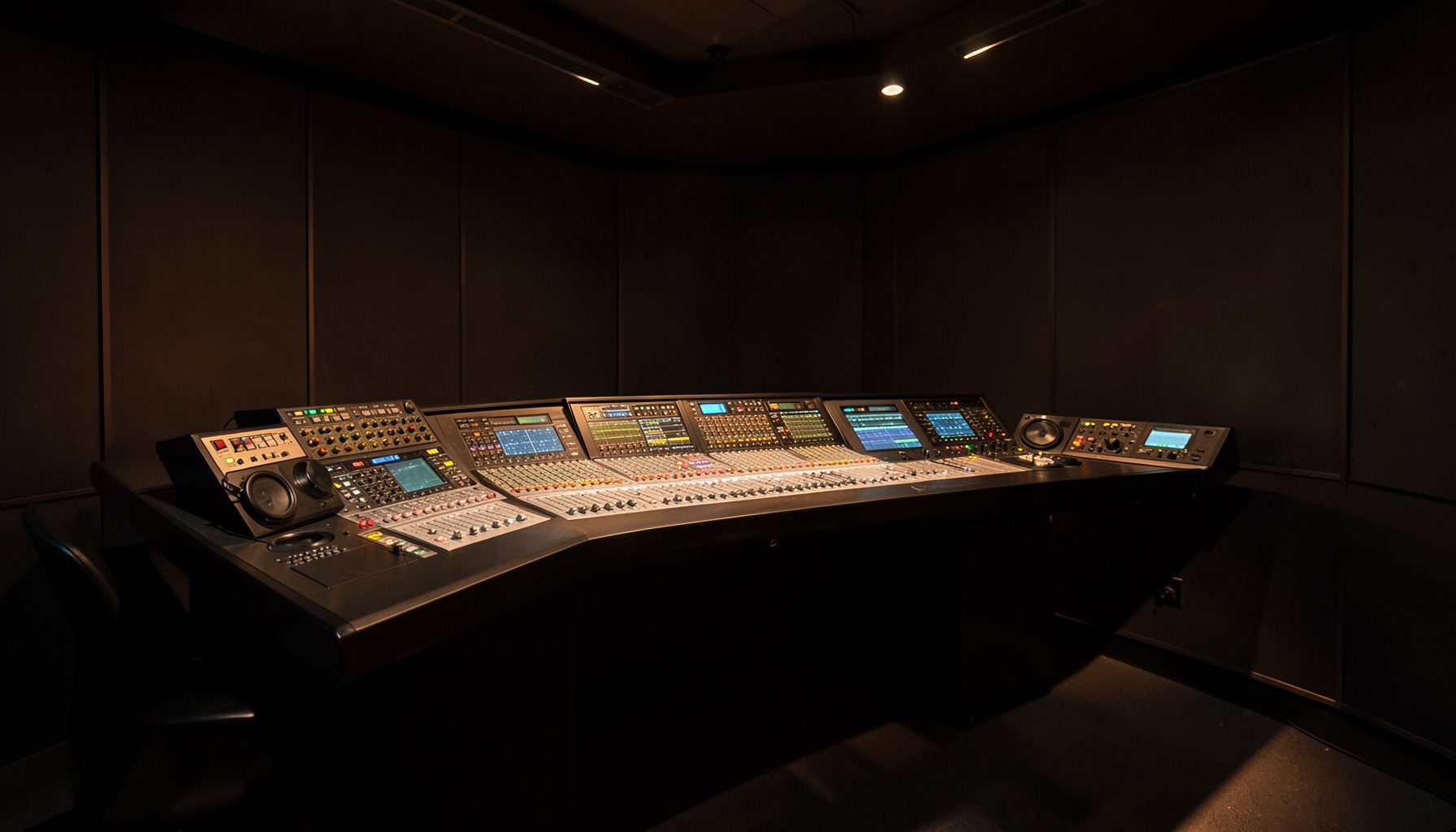
The console treats audio routing as a layered system, with dedicated buses that can be configured for clean feed, talkback, programme output, and monitor cue mixes. When automatic ducking is layered on top of this structure, operators can keep presenter headphones clear without manually riding faders during every break or interview segment. The wider broadcast product range from Lawo supports this approach with companion power core and software tools.
Inside the Ruby's bus layout
The Ruby console is built around a modular bus framework that separates programme audio, communication channels, and monitoring from one another. Each input source can be patched into multiple buses simultaneously, which means a microphone channel can live on the main PGM bus, a separate record bus, and a cue bus without conflict. This separation matters in Australian networks where a single studio might be used for breakfast programming, networked sports calls, and after-hours production.
The architecture also exposes auxiliary sends and n-1 mix-minus capabilities through the same routing layer. For shows that take callers from Hobart or international feeds via Sydney's hub studios, an n-1 return prevents the guest from hearing their own delayed voice, which is a common complaint in legacy setups. Operators can store these routing templates and recall them across shifts, reducing the risk of human error during overnight automation in markets like Perth or Brisbane.
Building monitor cue feeds that actually work
A monitor cue feed is more than a copy of programme audio; it is a tailored mix that gives presenters what they need at a given moment. Ruby's bus structure allows engineers to assemble cue mixes that include the host microphone at a comfortable level, the talkback return, off-air rehearsal audio, and a separate feed for the producer's talkback slate. Each element sits on its own bus or send, which keeps the routing legible and easy to troubleshoot.
The Ruby also supports dedicated PFL functionality, letting a producer preview a source before it is live without affecting the on-air feed. In Australian regional stations, where one operator may juggle commercials, live crosses, and networked programming, that level of isolation helps prevent awkward moments such as a PFL bleeding into a city-to-city interview. The console's visual routing screen shows the active path at a glance, which is a practical benefit during fast-paced shows like Friday night AFL coverage.
Automatic ducking without the awkwardness
Automatic ducking is the process of lowering one audio source when another takes priority, and the Ruby implements it at the bus level rather than on individual channels. This means a talkback microphone on a dedicated bus can duck the entire programme cue feed for the duration of a producer's instruction, then restore levels automatically when the talkback is released. The result feels natural to the presenter, who does not have to ride headphones during a long shift.
Ducking on a bus also means it can be applied selectively. A producer talkback bus might duck the host's cue mix, while a guest talkback bus only ducks the guest's own cue. For triple j style shows in Adelaide or community stations handling multilingual content, this kind of targeted control reduces the cognitive load on operators. Threshold, attack, and release parameters are adjustable per bus, allowing engineers to tune the response for spoken word, music beds, or live sports commentary.
Crosstalk and open-air studios
Open-air studio layouts are common in Australian commercial radio, where glass-walled rooms and shared operator desks can introduce acoustic bleed between sources. The Ruby's bus architecture helps manage this by isolating each source onto its own routing path before any summing occurs, so crosstalk is less likely to be amplified downstream. The open-air studio automation guide explains how ducking layers can further reduce the impact of bleed on cue mixes.
Engineers can pair bus-based ducking with a sidechain trigger from a designated reference channel, allowing the console to react only to genuine presenter input rather than background noise. This is particularly useful in studios where the host speaks softly between songs or during a quiet interview segment. Stations in coastal markets such as the Gold Coast, where open windows and live audiences are part of the format, have found that careful threshold setting keeps cue feeds intelligible without constant operator intervention.
Comparing bus configurations
| Configuration | Programme bus | Talkback bus | Ducking behaviour | Best use case |
|---|---|---|---|---|
| Single cue mix | Combined PGM and talkback | One shared | Whole feed ducks | Solo host, simple shows |
| Split host and guest | Separate per source | Per source | Targeted ducking | Interviews, networked crosses |
| Producer-led | PGM plus producer TB | Dedicated | Producer overrides host | News rooms, live sport |
| Automation assist | PGM plus AutoMix | Shared | Adaptive based on input | Overnight playout, regional stations |
Practical workflows for Australian broadcasters
For morning shows in Sydney and Melbourne, a split host and guest configuration is often the most reliable starting point, with each presenter on their own cue bus and a shared talkback bus that ducks only the relevant feed. Regional stations running networked programming from Brisbane or Adelaide can use the producer-led layout to keep the network anchor's instructions clear during rolling coverage. The console's scene recall means operators can switch between formats quickly when a station moves from music programming to live sports without rewiring the desk.
Engineers should start by mapping all sources to buses on paper, then test each cue feed in isolation before combining them. Listening tests with actual presenters, in the actual room, reveal issues that a meter bridge cannot catch. With bus-based ducking in place, the Ruby turns what used to be a manual monitoring chore into a consistent, repeatable workflow that suits the long shifts and varied content schedules common across Australian radio.