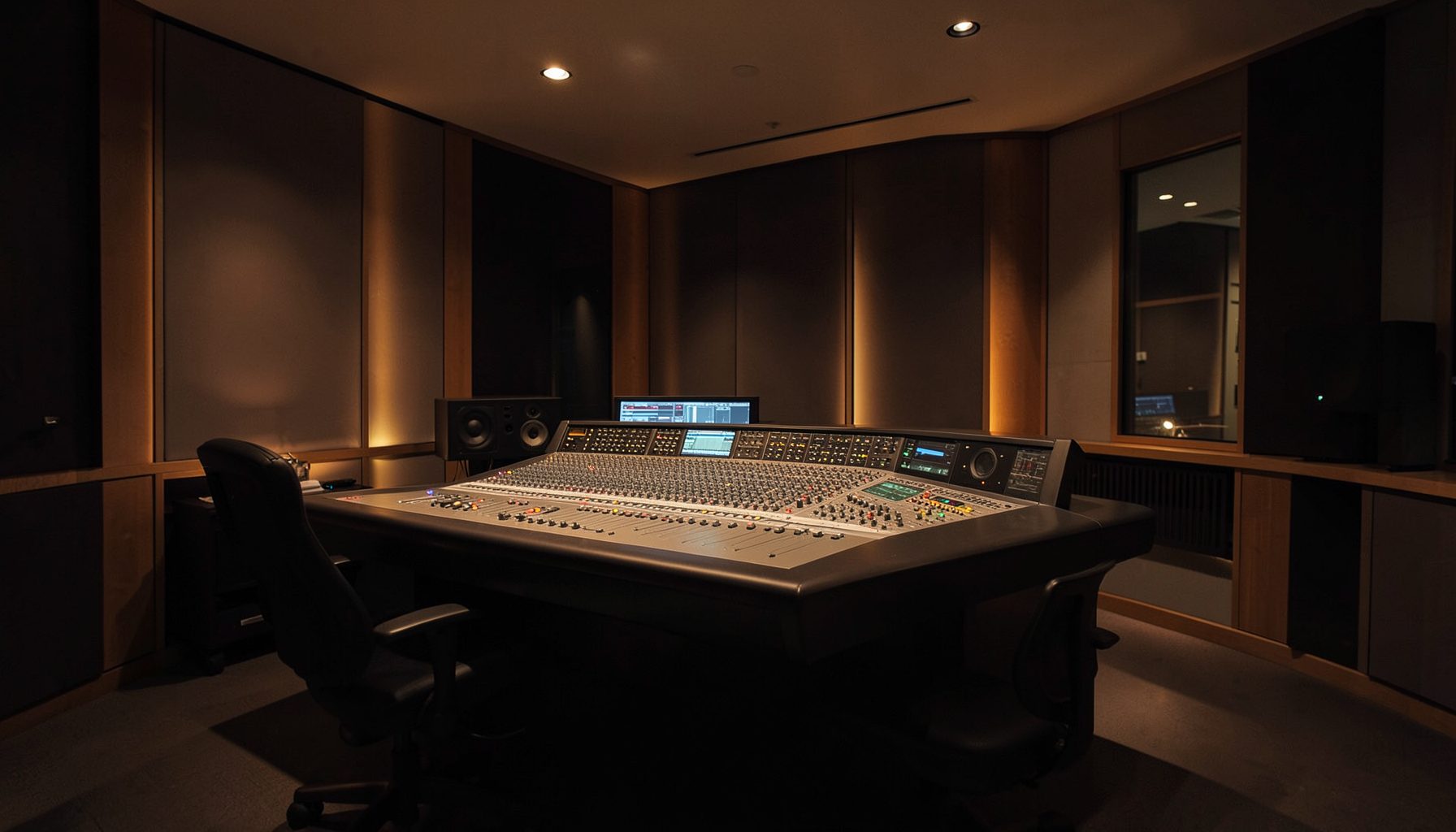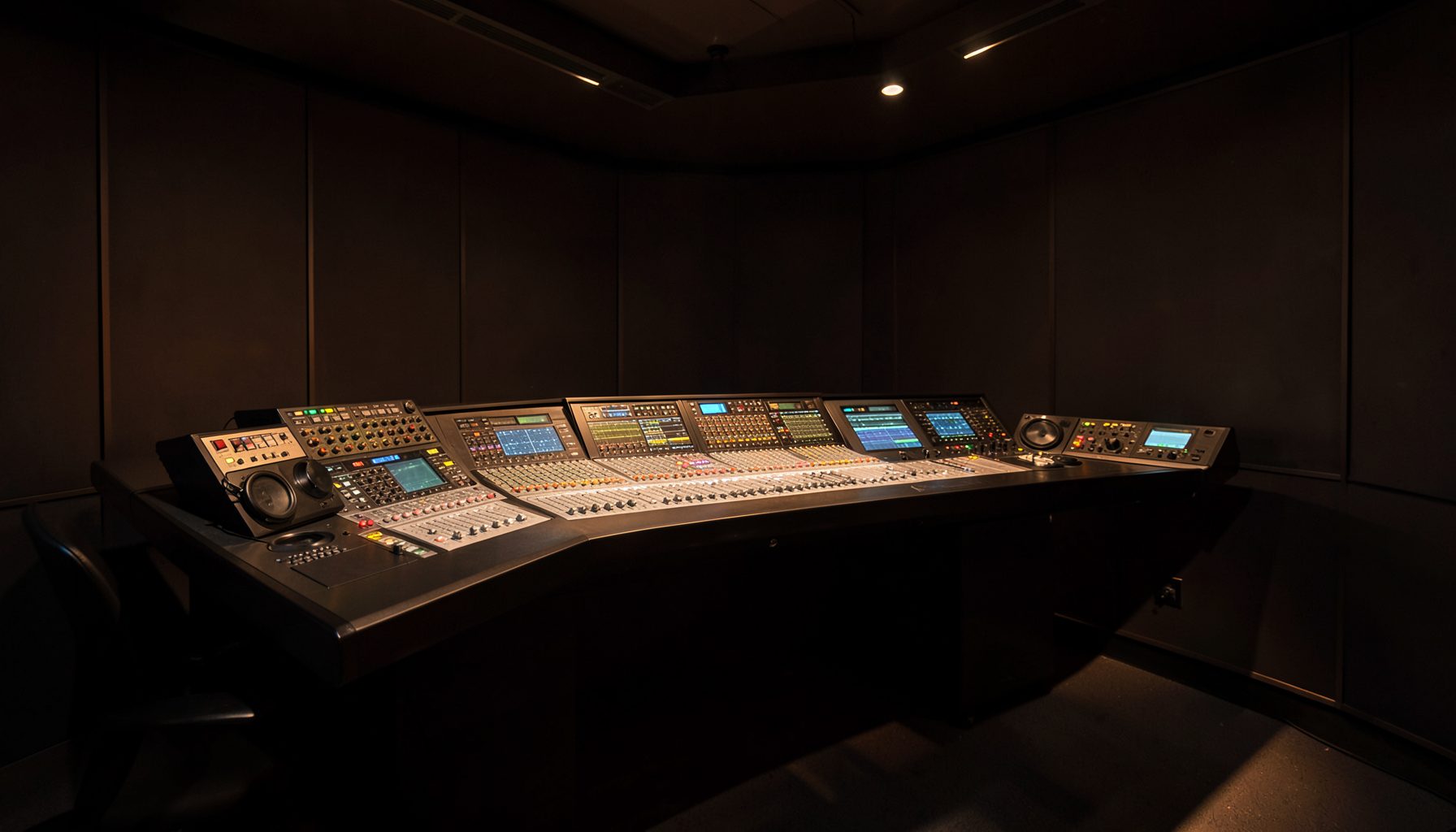
Using Power Core’s Meter Bridge to Visualize Audio Levels Across All Channels
In a modern radio facility, level control is a network-wide task rather than something handled at a single mixing desk. Sources may arrive from studios, codecs, playout systems, outside broadcasts and remote contributors before being routed to presenters, production rooms, transmitters or digital platforms. Power Core’s Meter Bridge provides a clear visual layer for understanding those signals as they move through the system.
For Australian broadcasters, this visibility is useful across everything from a Sydney breakfast program to a community station in regional Queensland. A well-organised metering display helps operators spot silence, unexpected peaks and channel imbalance quickly, even when the audio path includes multiple networked devices and software-based workflows.
Why broad level visibility matters
A single meter on a console channel can confirm what is happening at one point in the signal path. It cannot always reveal whether a problem began at the microphone, inside a processing stage, on a network source or at an output bus. Viewing multiple channels together makes relationships between signals easier to understand.
For example, an operator might see that a presenter microphone is healthy while a remote codec return is silent, or that a music source is consistently hotter than voice channels. This is particularly valuable during fast-paced live programming, where switching between pages or devices can hide a fault until listeners notice it.
The meter bridge can also support consistent gain structure. When channel labels, signal names and level indicators are arranged logically, the operator spends less time searching and more time making informed adjustments. That clarity matters during AFL or NRL coverage, election-night programming and outside broadcasts where several contributors may be active at once.
Designing a useful meter bridge
A practical layout starts with the way the studio operates. Place related sources together: presenter microphones, guest inputs, telephone hybrids, playout channels, codecs, effects returns and programme buses. Use meaningful names rather than generic channel numbers so an operator can identify the source immediately.
Meter scales should match the station’s operating practice. Peak information helps expose overloads and sudden transients, while average or loudness-oriented information gives a better picture of perceived programme balance. Colour zones can make normal, cautionary and excessive levels visible without requiring constant numerical inspection.
Power Core installations can be paired with Lawo control and visualisation tools to present the information where it is most useful. A producer may need a compact overview, while an audio engineer may prefer a denser display with more channels and routing context. For remote or temporary facilities, the same principle of clear status visibility applies to remote-site monitoring: operators need reliable information without having to inspect every subsystem individually.
Reading levels during live operation
Metering is most effective when it supports decisions rather than becoming a wall of constantly moving graphics. Operators should be able to identify a missing signal, a clipped source or an unusual stereo relationship within seconds. Grouping and ordering are therefore as important as the meters themselves.
A sensible view might show microphone inputs first, followed by contribution feeds, playback channels, mix-minus outputs and the main programme path. A second view could focus on transmission and streaming outputs. This avoids forcing one screen to serve every role and allows the display to remain readable during busy shifts.
Australian stations often combine local programming with syndicated material and networked news feeds. During a handover between Melbourne and Perth, for example, a meter bridge can help confirm that the incoming feed, local insert and outgoing programme path are all active. It also assists when a station carries live sport while retaining local advertising and continuity elements.
Supporting consistent broadcast workflows
A visual level overview becomes more useful when it is part of a wider operational workflow. Presenters, producers and engineers should share an understanding of what normal levels look like, which channels are expected to remain active and which paths are intentionally silent outside certain programmes.
That shared reference can be valuable for commercial radio as well as specialist content. Stations covering regulated or commercially sensitive subjects, including Australian gaming context, benefit from being able to distinguish a genuine source fault from an intentional mute, switched insert or separate compliance path. Clear labelling reduces the risk of changing the wrong signal under pressure.
Power Core’s networked architecture also suits facilities that need to expand or reconfigure without replacing the entire operating model. Additional sources can be integrated into the monitoring scheme, while software-based control surfaces can expose the relevant channels to different users. This helps a station support production, live performance or theatrical work alongside broadcast operations.
Turning metering into a daily control habit
A meter bridge should be checked during setup, not only after a fault appears. A short pre-show routine can confirm microphone activity, playback output, remote feeds, mix-minus returns and programme delivery. Operators can also look for channels that remain unexpectedly high, remain silent or show a different balance from the established studio norm.
The display is especially useful when paired with intelligent processing. Lawo’s AutoMix processing can help manage multiple microphone inputs, while the meter bridge gives the operator a direct view of how those channels behave before and after the mix. Metering does not replace listening, but it provides fast evidence when several voices are active at once.
| Monitoring approach | Strength | Best use |
|---|---|---|
| Individual console meters | Immediate feedback on a selected channel | Hands-on mixing and source adjustment |
| Power Core Meter Bridge | Simultaneous visibility across many networked channels | Studio-wide status and fault detection |
| Output-only metering | Clear view of the final programme path | Transmission and streaming checks |
| Loudness analysis | Helps assess perceived programme consistency | Compliance, post-production and delivery |
| Visualisation with labels and grouping | Faster identification of sources and routes | Complex facilities and multi-user workflows |
The practical takeaway is to design the Meter Bridge around real operating decisions: group related channels, label every source clearly, choose level information that matches the task and check the complete signal path before going live. That turns Power Core metering from a passive display into a dependable daily reference for Australian broadcast teams.