Using Power Core to Keep Announcer Presence Consistent
A convincing announcer should sound present, intelligible and comfortably controlled from the first link of a breakfast programme to the final bulletin at night. That consistency becomes harder when presenters share a studio, microphones vary, or voices move between speech, music beds and live crosses.
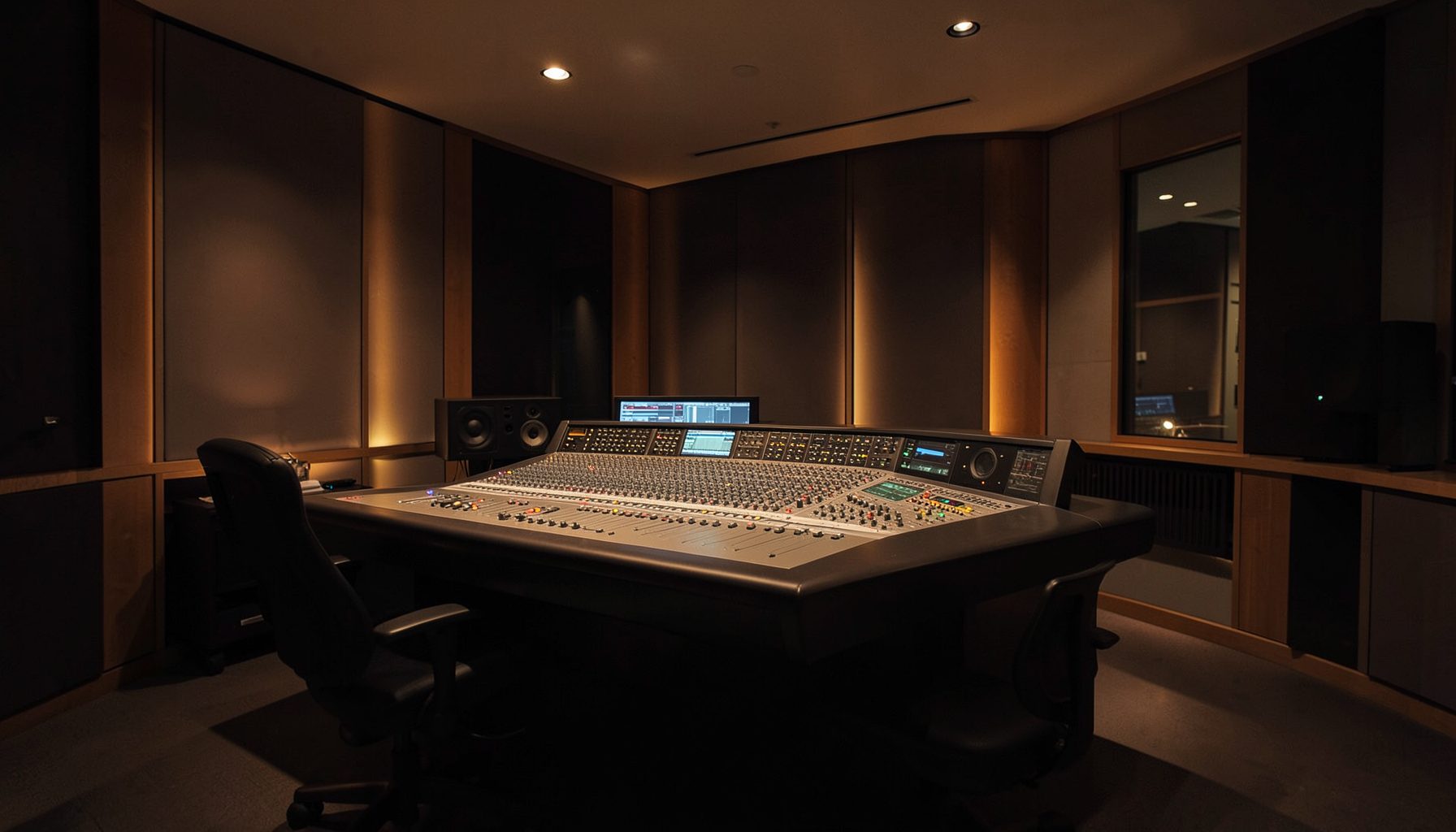
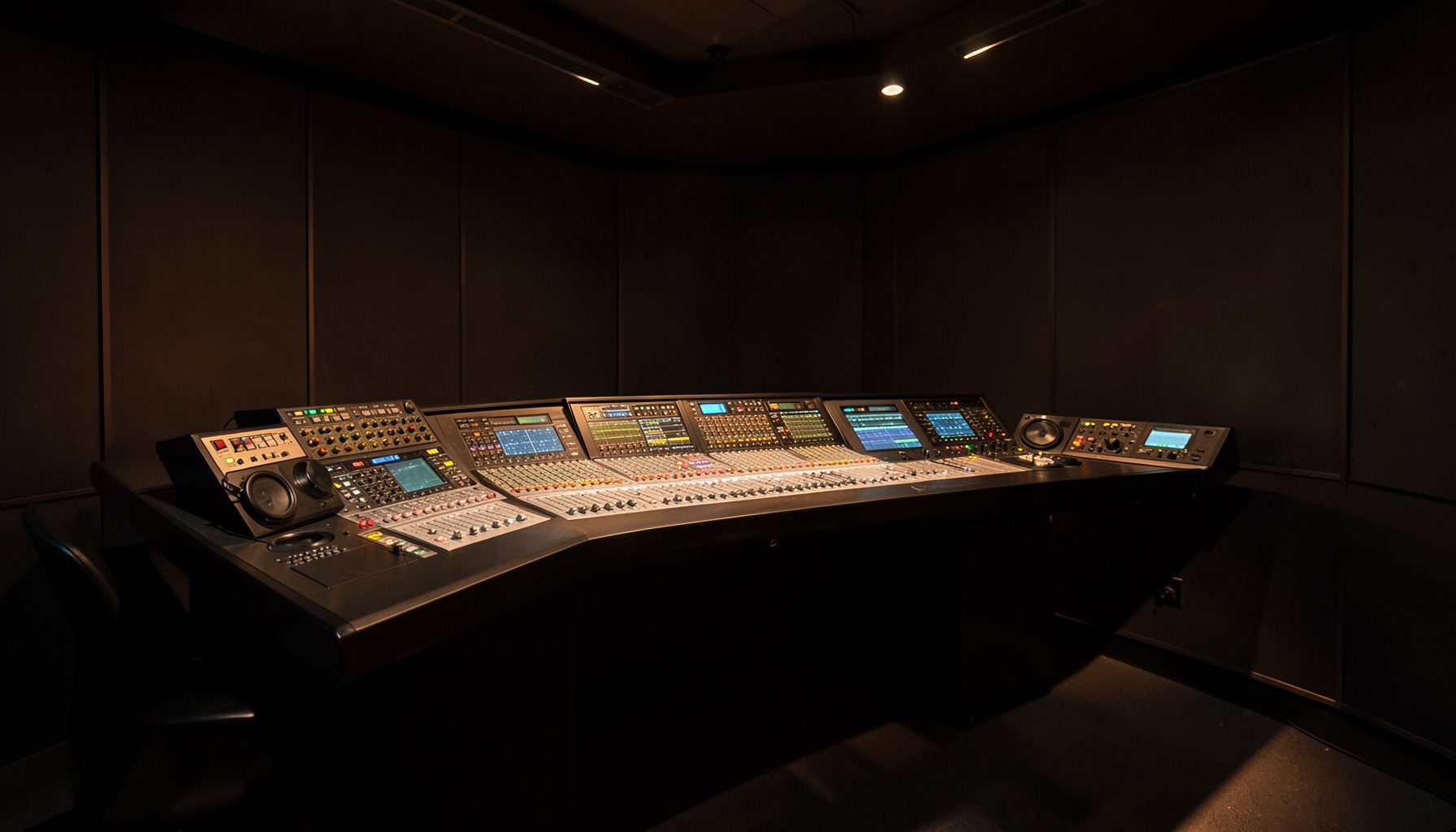
Power Core gives broadcasters a networked way to shape those signals within a centralised audio environment. Equalisation, dynamics processing, routing and gain management can be combined into repeatable processing paths rather than adjusted differently by every operator.
For Australian stations, this matters across very different working conditions. A Sydney breakfast studio may move rapidly between traffic updates and outside callers, while a regional Queensland service may need dependable operation with fewer technical staff on site. The same processing philosophy can support both.
The aim is not to make every voice identical. It is to preserve the character of each announcer while keeping level, clarity and tonal balance stable enough for listeners moving between DAB+, FM, streaming and smart speakers.
| Audio challenge | Power Core approach | Practical result |
|---|---|---|
| Uneven microphone distance | Input gain and gentle compression | Fewer sudden level changes |
| Boomy or thin speech | Parametric EQ and high-pass filtering | Clearer vocal weight |
| Sibilance and harsh consonants | Controlled de-essing or targeted EQ | Smoother intelligibility |
| Noisy studio moments | Expander or gate used conservatively | Cleaner pauses without clipped words |
| Rapid presenter changes | Saved, repeatable processing paths | Faster and more consistent operation |
Build A Voice-First Processing Path
Begin with microphone placement and input gain before reaching for heavy processing. A presenter who works close to the capsule will usually produce stronger proximity effect and greater plosive energy than someone sitting farther away. Power Core can then be used to make measured corrections rather than compensate for inconsistent technique.
A practical chain often starts with a high-pass filter to reduce rumble, followed by modest parametric EQ. Remove unwanted low-mid congestion before adding presence. A small, broad lift in the upper-mid range may improve articulation, but excessive boost can make a voice tiring on headphones and harsh through small kitchen or car speakers.
Use Dynamics To Control Movement
Compression is central to a stable announcer sound, but aggressive settings can flatten personality and exaggerate room noise. Start with a moderate ratio, a threshold that catches normal peaks, and an attack time that retains consonant definition. Release should be fast enough to recover between phrases without creating audible pumping.
An expander can help during pauses, particularly in a shared studio or a room with computer fans and air conditioning. Set it gently enough to preserve quiet syllables and natural breaths. A gate that closes abruptly can remove word endings, so it should rarely be treated as a simple on/off solution.
Protect Clarity Across Different Voices
Male, female and younger voices can occupy different spectral areas, and even one announcer’s tone changes with fatigue, illness or microphone technique. The useful approach is to save a baseline profile for each regular presenter, then adjust only what the current session requires.
De-essing is valuable when a voice becomes sharp after presence EQ has been added. It should reduce excessive “s” and “sh” energy without producing a dull or lisping result. Listening at ordinary monitoring volume is important: a setting that appears impressive when loud may sound thin during a long shift.
Make Presets Work In Live Radio
A preset is most useful when it reflects the real programme workflow. Create clearly named paths for regular announcers, newsreaders, phone contributors and emergency backup microphones. Keep the differences purposeful, with matching target levels and broadly similar tonal expectations.
This becomes especially helpful during high-pressure outside broadcasts, such as an AFL match in Melbourne or a festival link in Brisbane. Failover and operational resilience are central to live delivery, as shown in Lawo’s discussion of Ruby failover workflows. Power Core processing can support that wider architecture by ensuring that an alternate source does not arrive wildly louder or less intelligible than the primary one.
Coordinate Processing With The Mix
Announcer presence depends on the relationship between voice, music beds, jingles and remote sources. A beautifully shaped microphone can still disappear if a music bed is too dense in the vocal range. Use the console and routing environment to establish sensible fader levels, and leave enough headroom for unexpected peaks.
AutoMix or other level-management functions may assist when several live sources compete for attention, but automatic control should complement editorial judgement. The presenter must remain understandable over a local traffic report, station ident or sports update without sounding detached from the programme.
For stations working across Australia’s time zones, repeatable settings also reduce handover errors. A networked breakfast show prepared in Sydney may feed affiliates in Adelaide, Perth or regional New South Wales, where different operators need to recognise the same signal behaviour quickly.
Monitor, Measure And Refine
Use headphones, nearfield monitors and a consumer-style playback device when checking a processing path. Voice presence should survive on a smartphone speaker and remain natural in a car, not just sound impressive in the control room. Watch peak and loudness meters, but trust careful listening to identify pumping, sibilance or missing consonants.
Keep a short record of useful adjustments: microphone model, presenter position, EQ changes and compressor behaviour. When a production partner or event team needs coordinated audio support, an experienced event production team can also help maintain consistent microphone practice across temporary locations. The technical target remains simple: stable speech level, clear words and enough headroom for the unexpected.
Power Core is most effective when its shaping tools are treated as a repeatable operating method rather than a collection of dramatic effects. Set the gain correctly, filter unwanted energy, compress with restraint, control sibilance and compare the result on realistic playback systems. For an Australian broadcast team, that disciplined chain keeps announcer presence dependable from a Sydney studio to a remote regional link.