Using Broadcast 3.0 With Software-Defined Networking
Radio facilities are moving away from fixed, room-by-room signal paths towards software-controlled production environments. Audio can now travel across IP networks, be processed by shared resources, and reach presenters, studios, transmitters, or digital platforms without requiring a separate hardware chain for every destination.
Using Broadcast 3.0 with software-defined networking for flexible audio routing makes that shift practical. The approach combines networked audio, virtualised processing, central control, and automation so broadcasters can adapt a facility without constantly rebuilding its infrastructure.
| Approach | Routing model | Strengths | Trade-offs |
|---|---|---|---|
| Conventional baseband | Fixed physical connections | Familiar operation, predictable paths | Difficult expansion and limited flexibility |
| Software-defined Broadcast 3.0 | Configurable IP routes and shared services | Scalable, remote-friendly, efficient | Requires careful network design and staff training |
| Hybrid transition | Baseband and IP workflows together | Lower migration risk and staged investment | More interfaces and operational complexity |
How Broadcast 3.0 Changes Audio Infrastructure
Broadcast 3.0 treats the facility as a connected production ecosystem rather than a collection of isolated devices. Audio sources, mixing engines, processing tools, control surfaces, and distribution outputs can operate as services on a managed network. This allows a station to allocate resources according to the programme schedule instead of permanently assigning equipment to one studio.
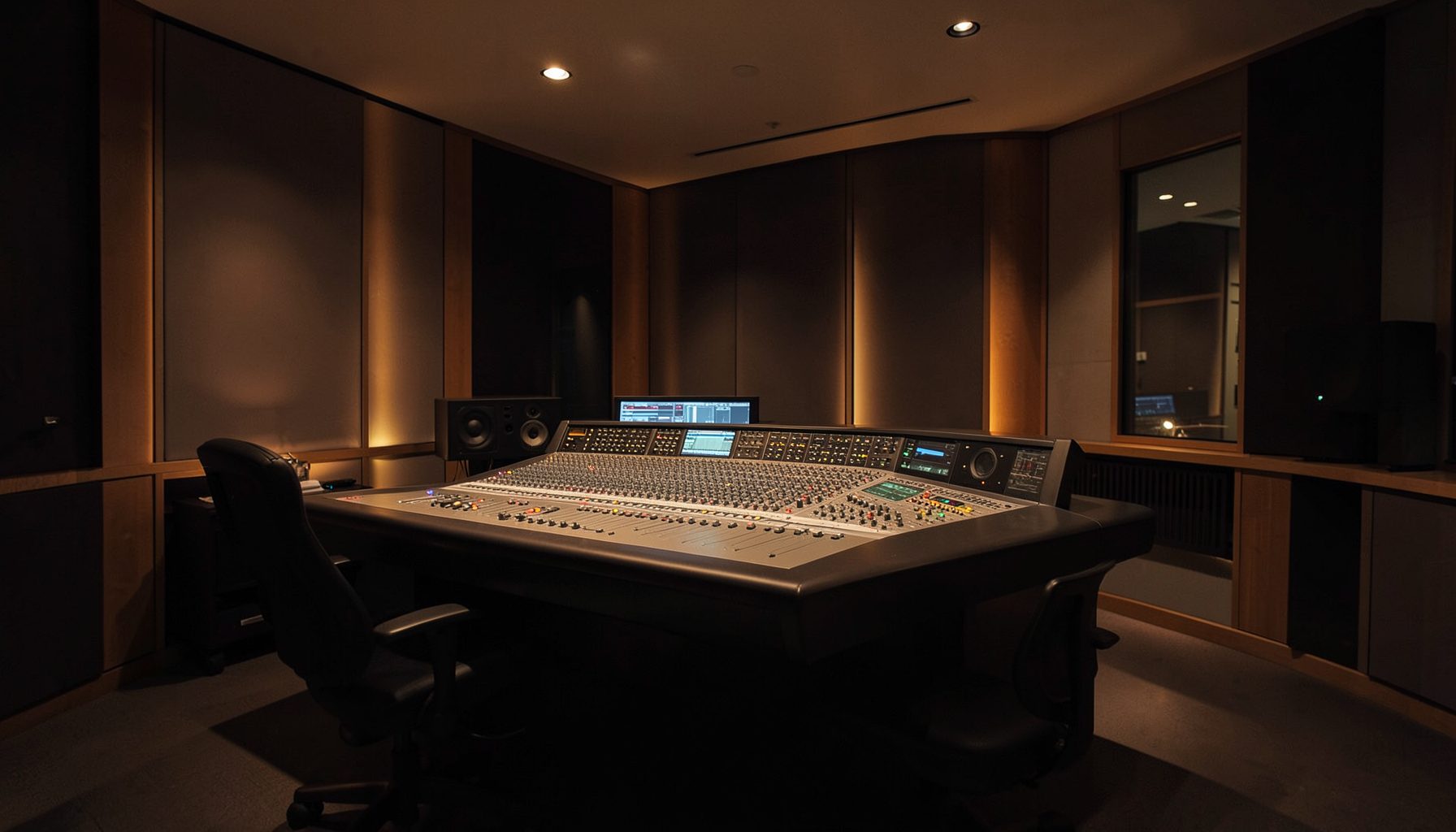
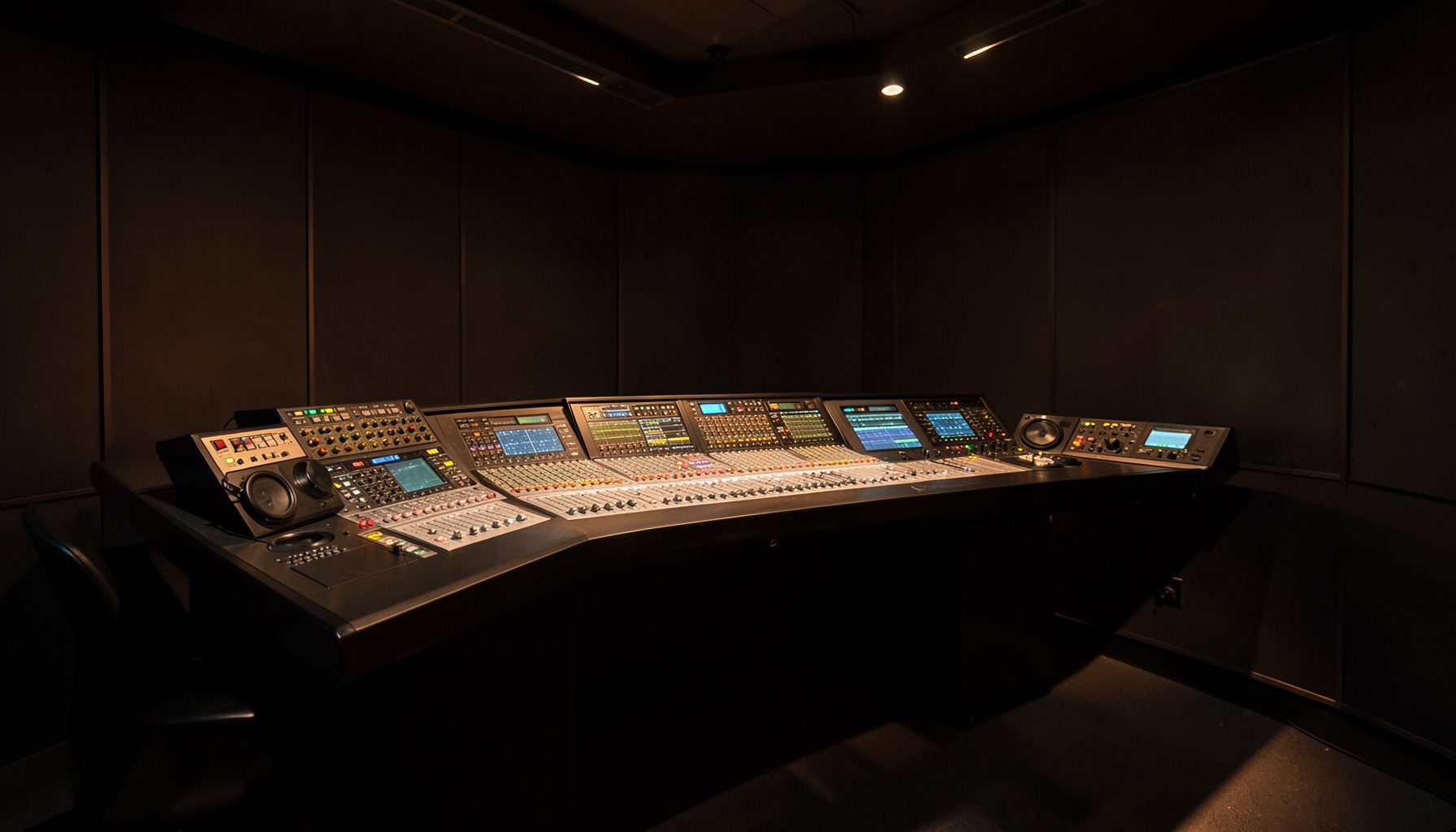
For example, a Ruby mixing console can work with Power Core audio nodes to provide processing and I/O across multiple rooms. VisTool can give operators a graphical control layer, while RƎLAY supports virtualised radio workflows. The result is a production environment where a morning programme, a news bulletin, and a remote broadcast can use the same core resources with different routing profiles.
SDN Provides Order Behind The Flexibility
Software-defined networking separates traffic control from individual switches and devices. In a broadcast environment, this makes it easier to create controlled paths for microphone feeds, codec returns, intercom, monitoring, and programme audio. Network policies can prioritise real-time media, isolate operational traffic, and preserve redundancy across critical links.
Standards such as AES67 and SMPTE ST 2110 can support interoperable, low-latency media flows, while PTP provides timing alignment. Engineers still need to account for multicast behaviour, packet loss, switch capacity, and clock resilience. A flexible network is useful only when its behaviour is visible and repeatable during an outage or a fast studio changeover.
Routing For Australian Broadcast Conditions
Australia’s geography makes centralised production attractive, especially for groups operating across Sydney, Melbourne, Brisbane, Perth, and regional markets. A metropolitan hub can host shared processing while smaller stations contribute local content through managed WAN connections. The design must allow for variable link quality and the long distances between capital cities and remote communities.
Commercial, public, and community broadcasters also work to different budgets and schedules. A regional station may need a straightforward studio with occasional access to central resources, while a network newsroom may require several simultaneous feeds. During an AFL match, election night, or a breaking news event, operators need fast access to clean feeds and alternate programme paths without manually repatching racks.
The practical test is often expressed in plain Australian terms: if a presenter says a feed is “a bit crook”, the engineer needs immediate visibility of where the fault sits. Telemetry, labelled routes, and preconfigured fallback paths turn that moment into a controlled recovery rather than a frantic search through cables.
Virtualised Processing Supports Faster Change
Software-based audio processing allows facilities to deploy functions where they are needed. AutoMix can help manage speech and microphone levels for panel discussions, interviews, and remote contributions, reducing the amount of manual gain riding required from an operator. Processing resources can be assigned through a control interface instead of being tied permanently to a single console channel.
This model is valuable when studios have changing roles. A production room can become a podcast space in the afternoon, a live performance control room in the evening, or a backup newsroom during a major event. Presets can recall routing, processing, monitoring, and user permissions together, helping teams move between formats without lengthy setup work.
The Lawo Broadcast platform brings these elements into a broader ecosystem of audio, video, networking, and control. That common architecture helps engineering teams plan incremental upgrades instead of replacing every system at once.
Resilience Must Be Designed Into The Network
Flexible routing should include protection from equipment failure, link interruption, and operator error. Dual network paths, redundant power, synchronised clocks, and automatic failover can keep essential programme audio available. Critical sources should have defined secondary routes, while monitoring should confirm both the selected path and the backup path.
Resilience also applies to commercial and specialist services. Sports audio, remote contribution links, and high-value branded programming may have different availability requirements. A discussion of reliable betting insight illustrates why dependable information flows matter in services where timing and continuity carry commercial weight. In broadcast engineering, the equivalent principle is simple: every important signal needs a known route, a monitored state, and a recoverable alternative.
Australian facilities should also consider internet diversity. A studio relying on one carrier or one building entry point remains exposed, even if the internal SDN design is excellent. Separate fibre paths, cellular backup, or a secondary regional access route can provide useful protection when construction work, storms, or local outages affect the primary connection.
A Practical Path From Fixed To Flexible
A staged migration reduces disruption. Start by documenting current signal paths, identifying high-value sources, and separating core programme traffic from general IT services. The next stage can introduce an IP audio node, a controlled switch fabric, and a small set of virtualised tools while existing consoles and baseband equipment continue operating.
Operators should be involved early because route flexibility changes daily habits. Clear labels, role-based access, simple source selection, and visible alarm states matter as much as technical capability. Training should include routine changes and fault scenarios, such as moving a studio to a backup source or sending a regional contribution to a different destination.
The next concrete step is to map one studio’s sources, destinations, timing requirements, and fallback paths, then model that workflow as a managed IP routing profile before expanding the design across the facility.