AutoMix For Courtroom-Like Settings With Many Open Microphones
Courtroom-style production places unusual demands on an audio system. Several participants may speak from fixed desks, counsel tables, witness boxes, remote connections or a public gallery, while every microphone remains open for much of the session. The aim is clear, natural speech without constant manual fader moves or distracting changes in room ambience.
AutoMix is designed for this kind of managed microphone environment. It automatically balances active voices by reducing the contribution of microphones that are not carrying the current speaker, helping the main voice remain intelligible while preserving a consistent overall level.
The approach is valuable wherever proceedings must be recorded, streamed or relayed to another room. A municipal hearing in Brisbane, a tribunal session in Melbourne or a public inquiry in Sydney may involve formal speech, interruptions, interpreters and remote attendees within the same production.
Australian venues also vary considerably. Some rooms have strong reverberation from timber, stone or glass, while others rely on installed conferencing systems and ceiling loudspeakers. A flexible networked audio workflow can help operators adapt without rebuilding the entire signal path for every hearing.
Why Open Microphones Create Difficulties
With many open microphones, each capsule captures a mixture of direct speech, room reflections, paper movement, chair noise and distant voices. When several channels are left at equal gain, the combined sound can become diffuse and reverberant. The problem becomes more noticeable when a hearing is relayed to a remote participant using a laptop or video-conferencing codec.
Manual operation is possible, but it requires close attention throughout a long session. An operator must anticipate who will speak next, manage coughs and interruptions, protect against feedback and keep the recording feed consistent. In a formal proceeding, even a short lapse can make a statement difficult to understand or transcribe.
AutoMix addresses the level-sharing problem by weighting the microphones according to speech activity. The active channel receives priority, while inactive or less relevant channels are attenuated. This keeps the room’s acoustic character present without allowing every open microphone to contribute equally to the mix.
Setting Up AutoMix For Formal Proceedings
A reliable setup begins with sensible input preparation. Each microphone should have appropriate gain, high-pass filtering and equalisation before it reaches the automixing stage. Desk microphones at the bench, gooseneck microphones at counsel tables and boundary microphones for a witness area may need different processing, even when they belong to the same AutoMix group.
Group microphones according to how the room operates. The judge or chair may require a protected channel, while counsel, witnesses, interpreters and public participants can be placed in separate groups. This arrangement allows the operator to apply suitable priorities and prevent a nearby side conversation from taking control of the entire programme feed.
The system should also reflect the difference between a room mix and a broadcast mix. Loudspeaker reinforcement may need conservative levels to avoid acoustic spill, while a recording feed may require a more detailed balance. Keeping these destinations under separate control helps preserve intelligibility for the archive without making the in-room sound feel unnaturally dry.
Managing Speech Priority And Interruptions
Courtroom-like discussions rarely follow a perfect turn-taking pattern. A chair may interrupt a witness, counsel may object, and a clerk may provide a short procedural announcement. AutoMix can provide a stable baseline, but the operator still benefits from assigning priority to microphones that must remain available in urgent moments.
A chair or presiding officer’s microphone can be given independent control, allowing it to cut through when necessary. The same principle applies to an interpreter or emergency announcement channel. Priority decisions should be tested with realistic overlapping speech rather than relying on a quiet soundcheck.
The best result is usually controlled rather than aggressive. Excessive attenuation can make non-speaking participants appear to vanish abruptly, while insufficient attenuation leaves too much room noise in the mix. A moderate response, shaped by the room’s reverberation time and the microphones’ placement, generally sounds more natural during cross-talk.
Connecting AutoMix To A Networked Workflow
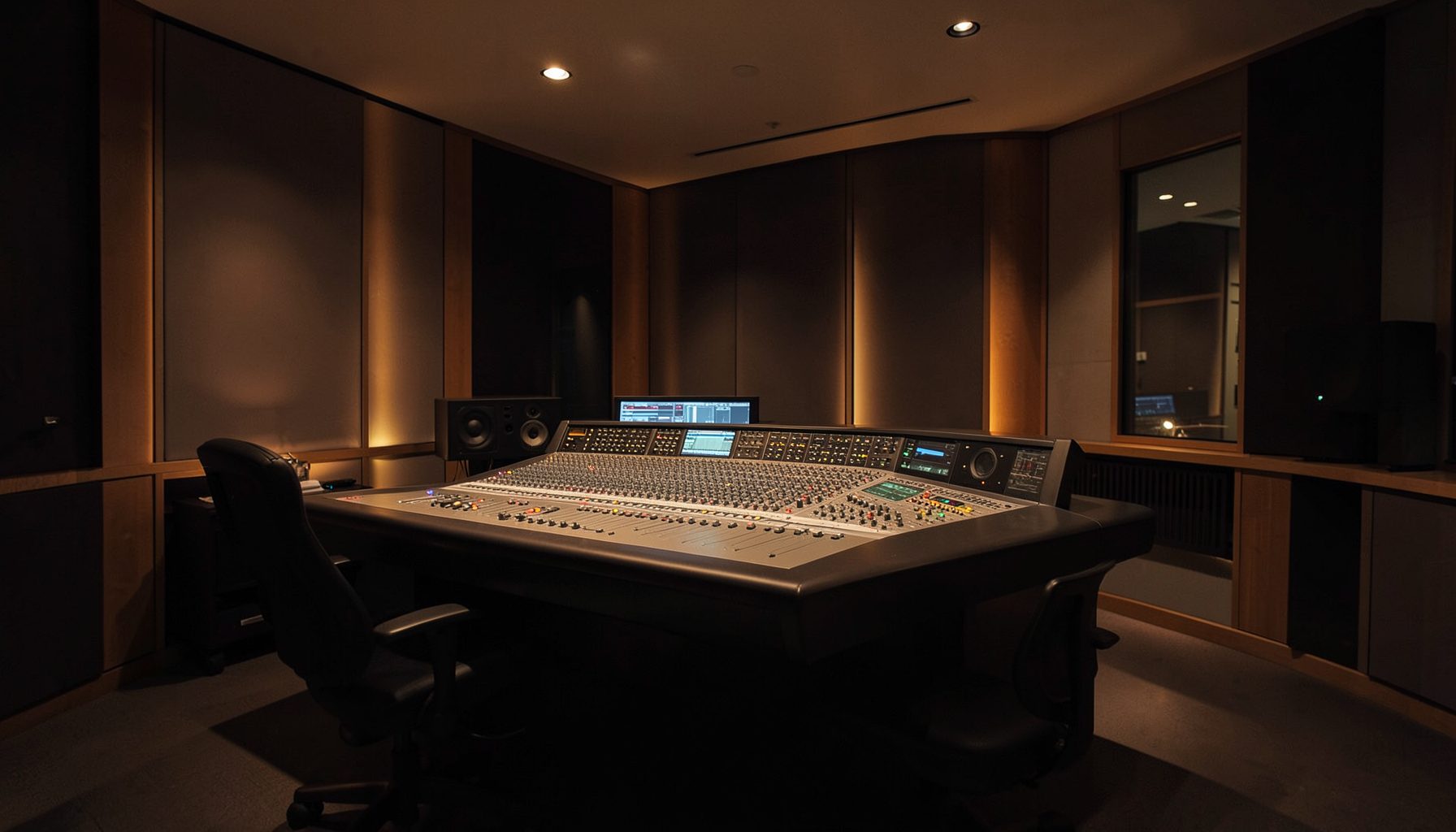
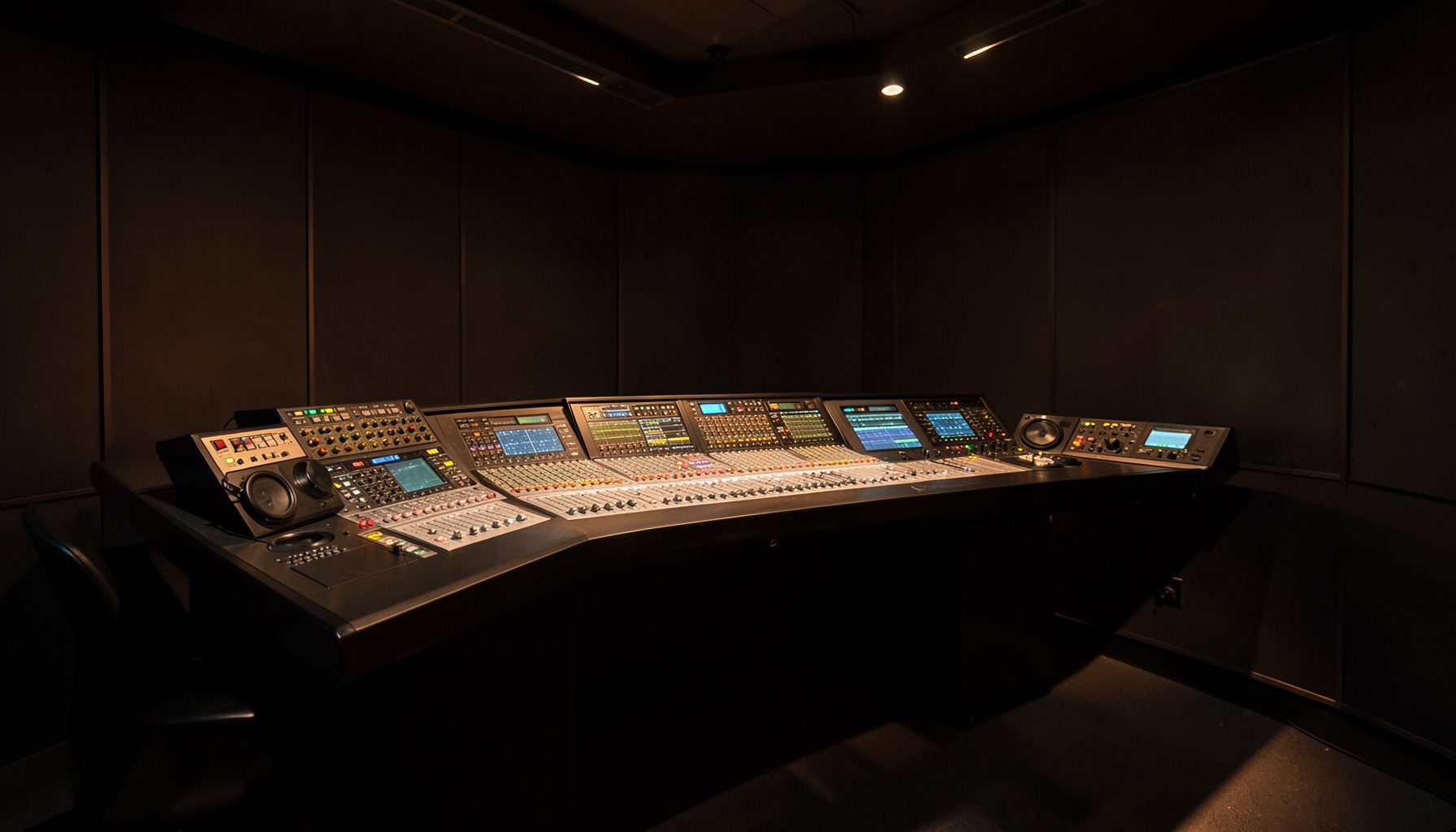
Lawo’s networked approach allows audio sources, processing and control surfaces to be distributed around a facility. Microphones can feed a central audio node, while the operator manages levels and routing from a production position away from the courtroom. This is useful in venues where the technical rack is located in another room or on another floor.
Visual control is especially useful when a hearing has many sources and destinations. With VisTool studio software, operators can work from purpose-built screens showing microphone status, mix groups, routing, mute states and essential meters rather than searching through unrelated controls.
A networked design can also support multiple outputs: a room reinforcement feed, a clean recording mix, a stream for online viewers, a media feed and a feed for remote participants. In an Australian courthouse or council chamber, this separation can simplify links between the local room, a transcription service and participants joining from Perth, Canberra or regional New South Wales.
Protecting Recordings And Remote Feeds
A clear recording requires more than a well-balanced live mix. Proceedings may be reviewed long after the event, so speech should remain intelligible when played through ordinary headphones or small computer speakers. AutoMix helps by reducing cumulative ambient sound, but careful microphone placement and conservative processing remain essential.
Remote contributors introduce further complications. Their return audio may arrive with delay, compression and inconsistent levels. Mix-minus routing should prevent each participant from hearing their own voice returned through the programme feed, while local microphones should be kept separate from unnecessary conferencing audio.
A practical test should include a full remote connection, overlapping speech and a realistic chairperson’s interruption. Testing only one speaker at a time can conceal the pumping, echo or priority conflicts that appear once a hearing is underway. It is also worth checking that the recording feed captures every required source independently where procedural or archival rules demand it.
Operating In Australian Venues
Australian production teams often work across permanent broadcast rooms, hired civic venues and multipurpose chambers. A system configured for a modern Sydney facility may need to be adapted for an older regional courthouse with different acoustics, cabling limitations and microphone positions. Preset-based control can reduce setup time while retaining access to manual overrides.
Local speech patterns and room behaviour should be included in commissioning tests. Australian English, varying speaking distances and the use of names from many language backgrounds can affect speech detection and intelligibility. A microphone that performs well for a close, steady speaker may need different gain and equalisation when used by a quieter witness seated further away.
Operators should label channels in plain language, document the priority structure and keep a fallback route available. If a network device or control surface becomes unavailable, essential proceedings should still reach the recorder and monitoring position. With sensible gain staging, carefully defined AutoMix groups and regular rehearsal, many open microphones can remain manageable without making the production sound over-processed.
The practical takeaway is to treat AutoMix as part of a complete courtroom audio design: prepare each input, define speaking priorities, separate room and programme feeds, test remote connections, and retain manual control for exceptional moments. This produces a clearer, steadier record while allowing the operator to focus on the proceedings rather than constant fader chasing.