Broadcast 3.0 And The IP-Native Radio Studio
Radio studios are moving beyond hardware-centered production models. Audio, control, distribution, and monitoring increasingly operate as connected services, allowing broadcasters to adapt workflows without rebuilding an entire facility whenever a new format or platform appears.
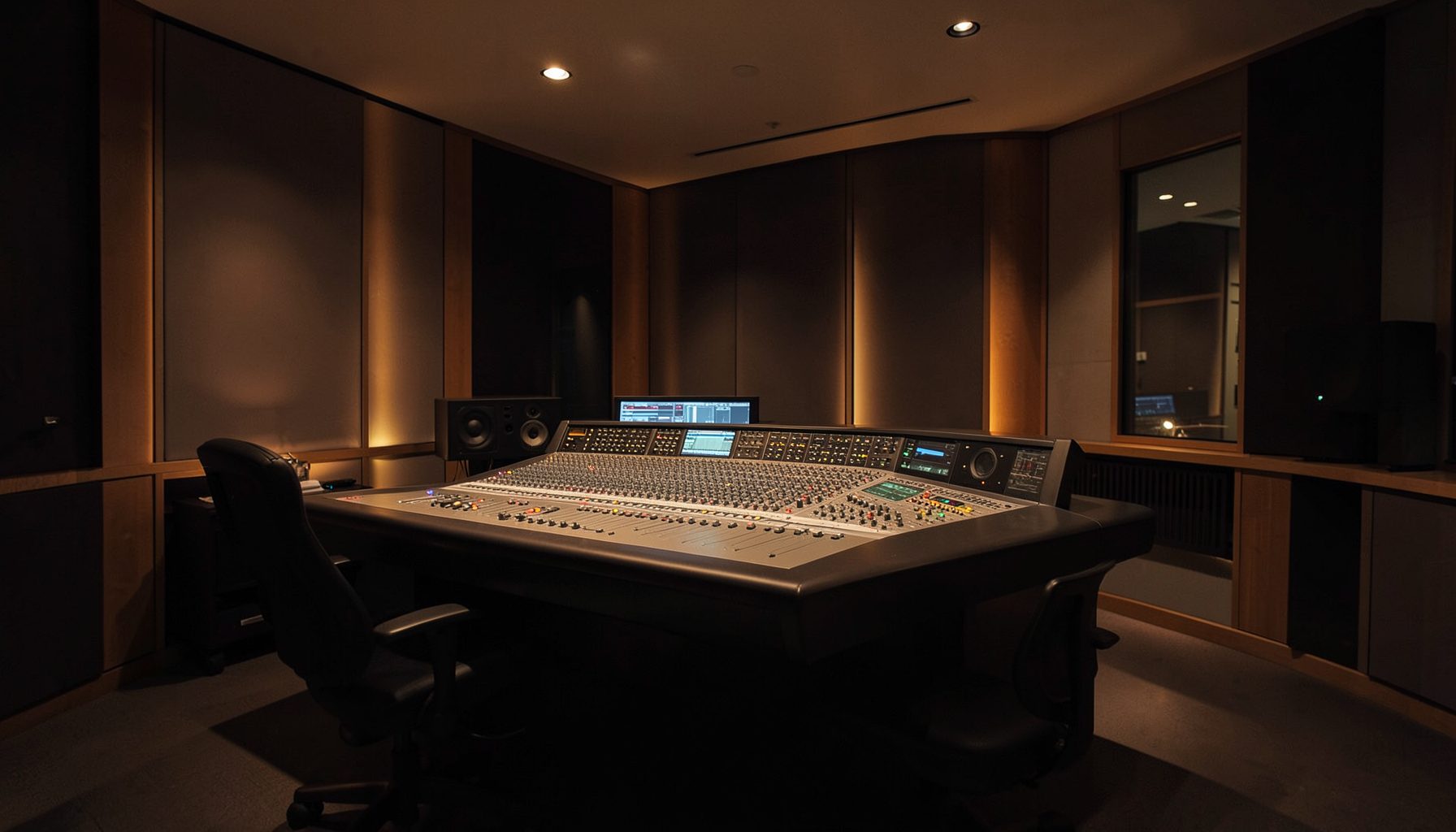
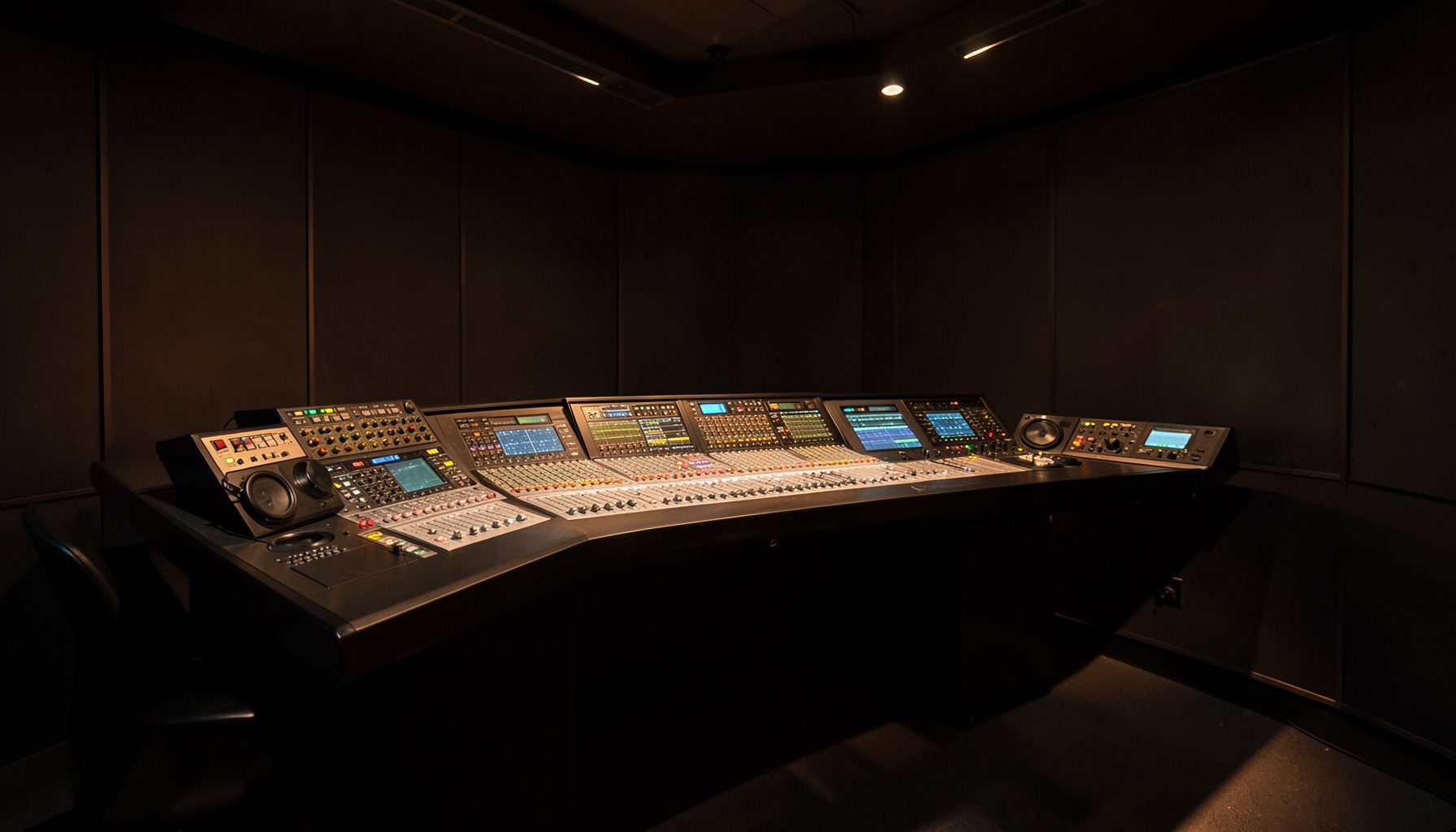
Lawo’s Broadcast 3.0 vision describes this shift toward an IP-native, software-oriented environment. Rather than treating the studio as a collection of isolated devices, it connects production resources through standardized networks, centralized management, virtualization, and flexible user interfaces.
For radio operators, the result is a more adaptable production ecosystem. A presenter can work from a familiar console, a producer can contribute remotely, and technical teams can allocate processing or control resources where they are needed.
Why Radio Needs A New Architecture
Traditional studios often depend on fixed signal paths and dedicated equipment. This approach can be reliable, but it may make expansion expensive and remote collaboration difficult. Adding a new studio, stream, or production role can require additional wiring, interfaces, and hardware configuration.
An IP-based architecture separates functionality from physical location. Audio can travel across a managed network, while control surfaces, processing engines, and software applications interact through shared resources. The studio becomes easier to scale because its capabilities are defined by configuration as much as by equipment.
This flexibility is valuable for broadcasters operating several channels or facilities. Newsrooms, production suites, voice booths, and outside-broadcast positions can share infrastructure while retaining distinct operational profiles.
What Broadcast 3.0 Represents
Broadcast 3.0 is built around the convergence of networking, software, automation, and media production. In a radio context, it means that core studio functions can be distributed across IP infrastructure rather than locked inside a single console or rack.
Lawo’s approach combines physical and virtual components. Ruby mixing consoles provide a familiar operational layer, while Power Core audio nodes deliver processing, routing, and I/O within a networked environment. VisTool adds customizable graphical control for users who need a tailored interface rather than a conventional fader surface.
This model also supports gradual migration. A broadcaster can retain established microphones, codecs, and studio equipment while introducing IP connectivity and software control in stages. The architecture can evolve with operational requirements instead of forcing a single disruptive replacement project.
From Console To Network
In an IP-native studio, the console is an important control point, but it is no longer the entire system. Mixing, routing, processing, and contribution paths can be distributed across network endpoints and managed centrally.
Power Core can serve as a shared audio engine for multiple production environments. With the right design, one processing infrastructure can support live radio, post-production, streaming, and other applications while maintaining logical separation between workflows.
| Studio Requirement | Broadcast 3.0 Approach | Practical Benefit |
|---|---|---|
| Multiple studios | Shared networked audio resources | Easier expansion and resource allocation |
| Remote production | Software and IP-based access | Greater location flexibility |
| Fast format changes | Configurable control and routing | Reduced setup time |
| High channel counts | Distributed processing | Scalable infrastructure |
| Mixed legacy and IP equipment | Gateways and staged migration | Lower transition risk |
| Automated presentation | Integrated control and software tools | More consistent operation |
The network therefore becomes part of the production environment, not simply a transport layer. Redundancy, synchronization, access control, and monitoring become central design considerations, especially when several services depend on common infrastructure.
Software As A Production Resource
Software-defined tools allow broadcasters to create workflows around roles and tasks. A producer may need routing and monitoring controls, while an announcer requires an intuitive mix interface and rapid access to sources. Customizable applications can present each user with only the functions they need.
VisTool is suited to this kind of personalized control. Graphical panels can be designed for studio operation, engineering, or supervisory tasks, helping teams manage complex systems without exposing every underlying parameter.
Virtualization also broadens the range of available production environments. RƎLAY provides software-based radio tools that can support flexible playout, presentation, and remote-production models. These capabilities are particularly relevant as broadcasters distribute content across terrestrial radio, digital platforms, podcasts, and online streams.
Automation can further reduce repetitive workload while preserving operator oversight. For stations looking to streamline level management and improve consistency, intelligent AutoMix control can become part of a broader audio workflow rather than a standalone processing step.
Resilience, Control, And Operational Choice
An IP-native design should make the studio more resilient, not simply more sophisticated. Redundant paths, centralized visibility, and clear failover procedures help technical teams respond quickly when a device, connection, or service becomes unavailable.
Control is equally important. A distributed architecture can become difficult to operate if users cannot see signal status, routing, or system health. Consistent interfaces and role-based access help transform a large technical environment into a manageable daily workspace.
Lawo’s Broadcast 3.0 ecosystem addresses this balance by combining networked audio infrastructure with dedicated consoles, graphical control, software tools, and automation. The objective is operational choice: engineers can centralize resources, while production teams retain direct and familiar control over their work.
Designing The IP-Native Radio Studio
A successful transition begins with workflow analysis rather than a simple equipment list. Broadcasters should identify which activities require low-latency live control, which can be virtualized, and which resources should be shared between studios.
A practical design should also account for network capacity, timing, redundancy, cybersecurity, training, and future expansion. The most useful architecture is one that supports everyday operations clearly while leaving room for new services and production models.
Key planning priorities include:
- Map audio, control, monitoring, and contribution paths before selecting devices.
- Define resilient network, synchronization, and power strategies for critical services.
- Use shared processing where it improves efficiency without compromising isolation.
- Give each user role a clear interface suited to its responsibilities.
- Introduce virtualization and automation in stages that teams can test and support.
The value of Broadcast 3.0 lies in its ability to connect these decisions into one coherent operating model. It gives radio organizations a path from fixed studios toward adaptive, networked production without abandoning the reliability and immediacy that live broadcasting demands.
Explore Lawo’s radio production ecosystem to see how Ruby, Power Core, VisTool, RƎLAY, and automation technologies can fit into an IP-native studio strategy. With the right architecture, the radio facility becomes a flexible platform for today’s broadcasts and tomorrow’s distribution channels.