The future of radio consoles is software-defined
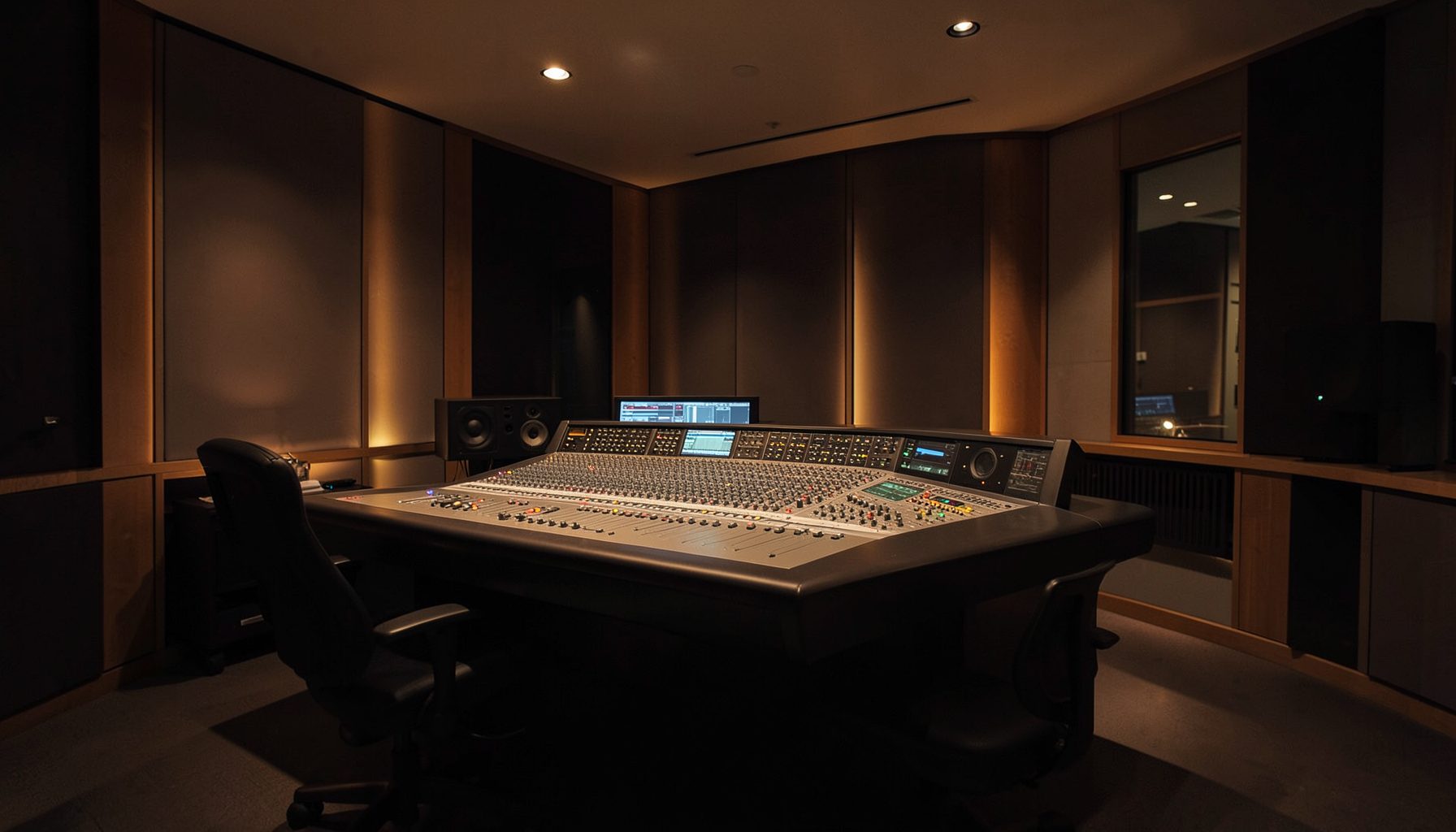
Radio studios are moving from fixed-purpose hardware toward flexible, networked production environments. The console remains central to the presenter’s workflow, yet its capabilities increasingly come from software, shared processing resources, and IP connectivity rather than from a large physical surface alone.
This shift changes how broadcasters design studios, manage staff, and respond to new distribution demands. A software-defined mixing system can support traditional FM and DAB services while also handling streaming, podcasts, remote contribution, live production, and emerging digital formats.
For radio operators, the goal is not to replace tactile control. It is to combine the confidence of physical faders with the adaptability of virtual interfaces, centralized processing, and intelligent automation.
From fixed hardware to adaptable platforms
Traditional radio consoles typically combine control surfaces, audio routing, signal processing, and monitoring in a single tightly integrated unit. That approach can be dependable, but expansion often requires additional hardware, specialist installation, and significant downtime.
Software-defined mixing separates the user interface from the underlying audio engine. A presenter can still work with physical faders and familiar controls, while the system’s routing, processing, and control logic run on scalable network infrastructure. New functions can be enabled through configuration or software updates instead of a complete console replacement.
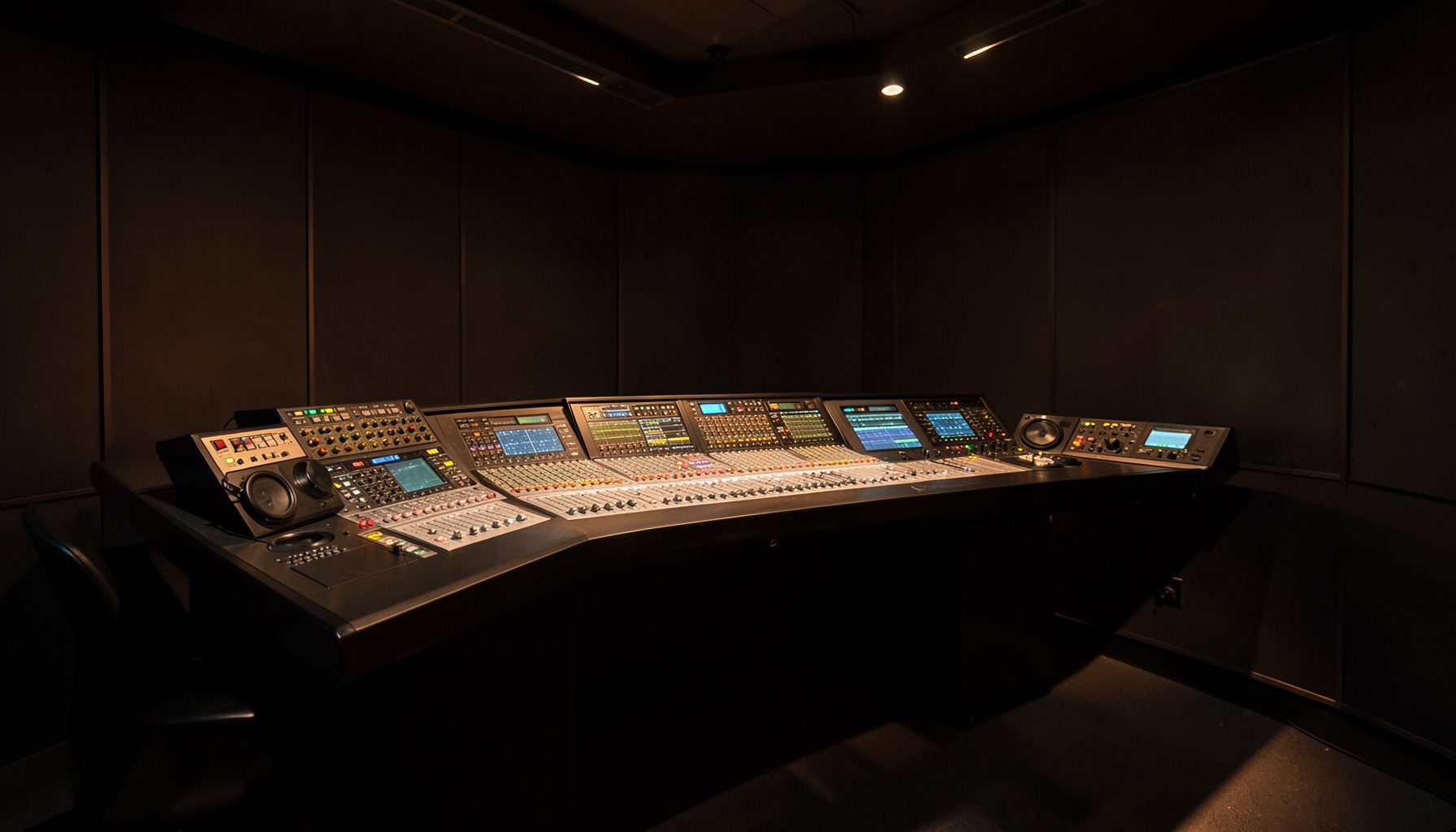
This model also supports different studio roles. A compact surface may suit a news booth, while a larger control surface can serve a flagship studio. Both can access shared resources, presets, and connected sources across the same production ecosystem.
Why IP connectivity changes studio design
Audio over IP allows microphones, playout systems, codecs, intercoms, and mixing engines to communicate through a managed network. Standards such as RAVENNA and AES67 help broadcasters build interoperable systems, while centralized control makes it easier to monitor signal paths and identify faults.
A networked architecture reduces the dependence on point-to-point cabling. It can also place processing close to the source or allocate resources where they are needed. For example, a Power Core audio node can provide DSP and routing capacity to multiple workspaces without requiring every studio to contain a complete processing rack.
This flexibility is valuable during studio moves, temporary productions, and hybrid work. Engineers can reassign sources, create backup paths, and support remote operators without redesigning the entire facility.
The operator experience still matters
Automation and virtualization should simplify production rather than distance the operator from the sound. A well-designed radio console gives presenters immediate access to channel levels, monitoring, talkback, source selection, and essential processing. The technology behind those controls can be sophisticated, but the workflow should remain clear under live pressure.
Modern systems also allow control surfaces to be tailored to the program format. A music presenter may need fast access to playout and microphone channels, while a news team may prioritize telephone hybrids, remote guests, and flexible mix-minus feeds. Software makes these layouts easier to adapt without changing the underlying infrastructure.
Automation can assist with repetitive tasks while leaving editorial decisions with the production team. Lawo’s intelligent level control illustrates how software-assisted mixing can help maintain consistent speech levels and reduce routine fader work in busy radio environments.
Comparing console architectures
The most suitable design depends on a station’s scale, workflow, staffing model, and long-term technology strategy. A small local studio may value simplicity and predictable operation, while a networked broadcaster may prioritize shared resources and centralized administration.
| Capability | Conventional fixed console | Software-defined radio system |
|---|---|---|
| Processing model | Dedicated hardware in each console | Shared or distributed network processing |
| Expansion | Often requires new hardware | Frequently handled through licensing or configuration |
| Studio integration | Primarily local connections | IP-based access to local and remote sources |
| Workflow changes | May require rewiring or replacement | Layouts, presets, and logic can be adapted in software |
| Resilience | Usually tied to local equipment | Can support redundant engines and alternate control points |
| Multi-purpose use | Limited by original design | Suitable for radio, streaming, production, and live applications |
The comparison is not simply about replacing hardware with software. The strongest systems combine both. A tactile surface can provide speed and confidence, while virtual tools and network services provide the flexibility needed for changing production models.
Automation and virtualization extend capacity
Radio teams increasingly produce more content for more channels, often with fewer people available at each workstation. Virtual mixing tools can let an operator manage multiple services, contribute remotely, or prepare content away from a traditional control room. They can also support browser-based or software-based workflows for temporary studios and distributed teams.
Automation is particularly useful when it handles predictable operations. Level management, source switching, routing presets, and repeatable production tasks can be standardized, reducing errors and freeing staff for interviewing, timing, and editorial work.
Lawo’s Ruby ecosystem and RƎLAY virtual radio tools reflect this broader direction. A broadcaster can combine physical control, touchscreen interfaces, software applications, and centralized audio engines according to the needs of each facility. That creates a more consistent operational model across primary studios, backup rooms, and remote locations.
Security, resilience, and lifecycle value
A software-defined console requires disciplined IT and broadcast engineering practices. Network segmentation, access control, software version management, monitoring, and cybersecurity become part of routine operations. Broadcasters must also plan redundancy for processing, network paths, power, and control access.
When these foundations are in place, the lifecycle advantages can be substantial. A station can refresh software, add functions, and reconfigure workflows without discarding an entire hardware platform. Centralized monitoring can help engineering teams diagnose issues before they affect transmission.
The architecture should be selected with realistic operational requirements in mind. Open standards, documented interfaces, reliable support, and clear recovery procedures matter as much as the number of channels or available features.
Building a practical migration path
Broadcasters do not need to modernize every studio at once. A phased approach can begin with networked audio in a secondary room, a virtualized production workflow, or shared processing for a group of studios. Lessons from that deployment can guide larger changes later.
Useful priorities include:
- Map current signal paths, control requirements, and failure points before selecting equipment.
- Choose interoperable IP audio and control technologies to avoid unnecessary vendor lock-in.
- Separate essential live controls from optional automation so operators always retain direct authority.
- Plan redundant processing, network connectivity, power, and monitoring from the beginning.
- Train presenters and engineers around real workflows rather than around product features alone.
The strongest migration plans also measure operational results. Faster studio reconfiguration, simpler maintenance, reduced cabling, improved remote contribution, and consistent audio quality are practical indicators that the new architecture is delivering value.
Software-defined mixing matters because radio is no longer confined to a single room, a single output, or a single production method. It gives broadcasters a way to preserve the immediacy of console operation while gaining the scale and agility of modern IP infrastructure. Explore networked control, shared processing, and intelligent production tools to create a radio workflow ready for the next generation of audiences.