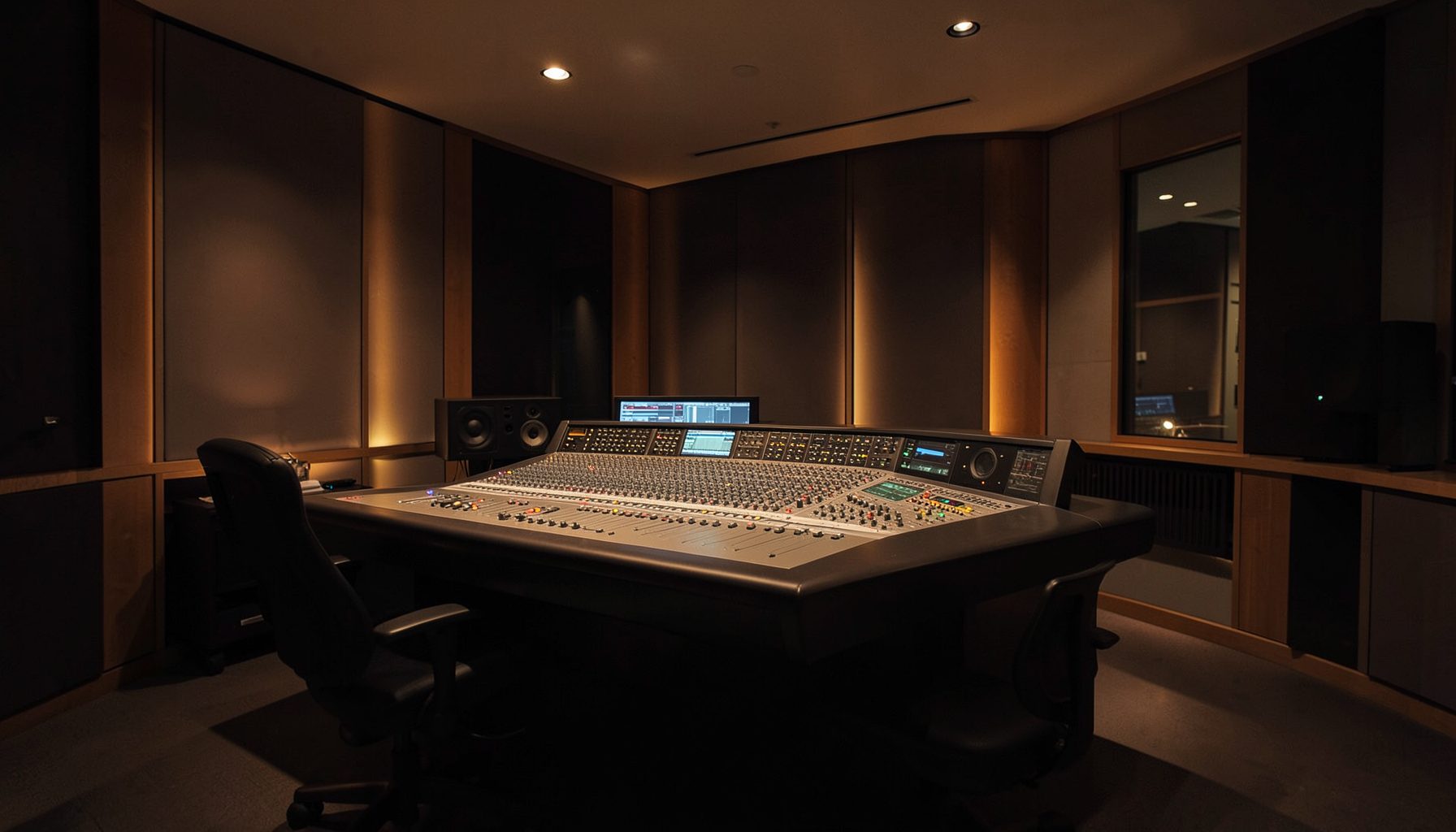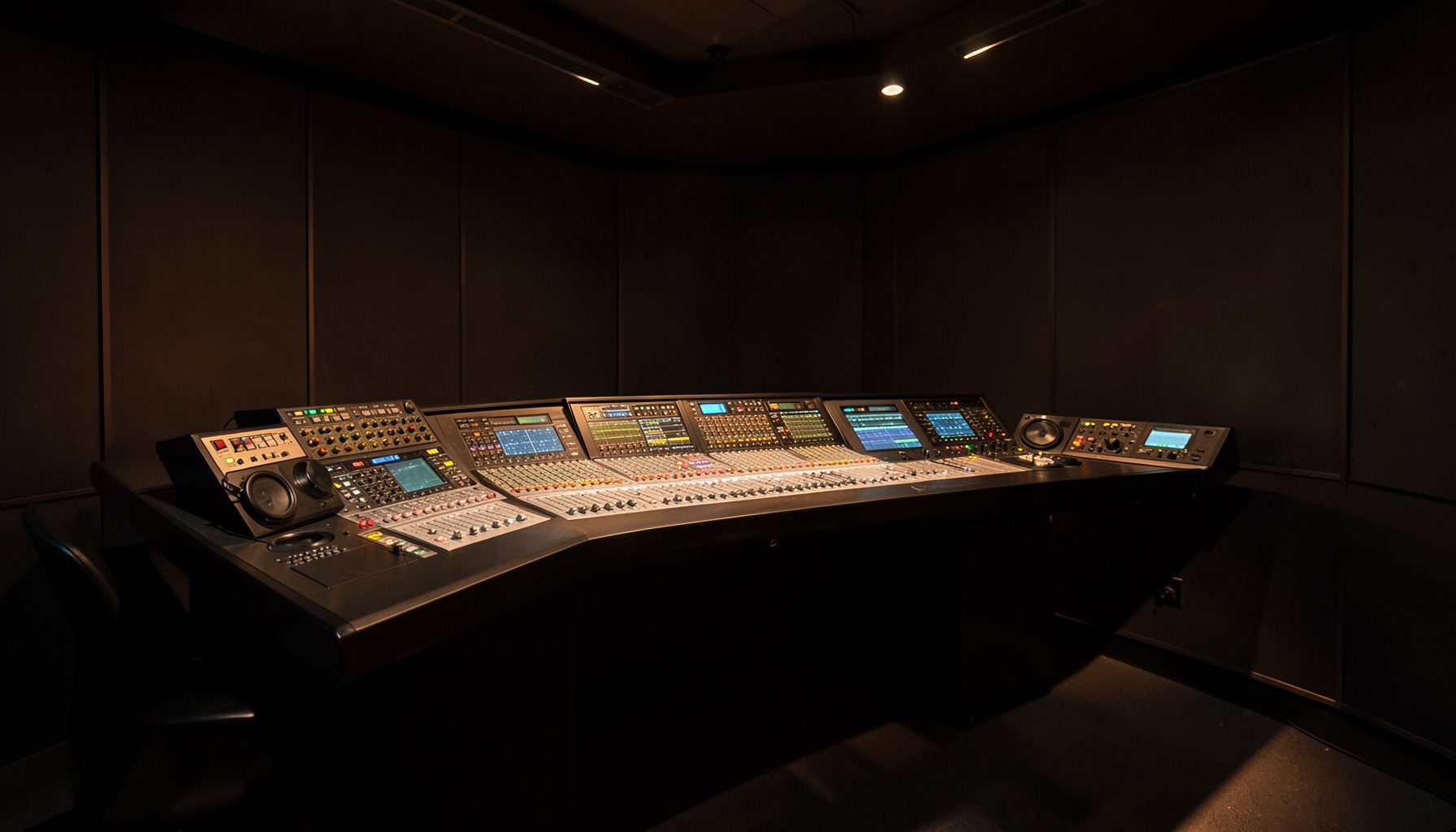
Synchronising Ruby And Power Core With GPS Time
Accurate timing is a foundation of reliable radio. When a Ruby mixing console and Power Core audio node share a trusted reference, playout, live contribution, logging and automation can remain aligned across a distributed studio.
A GPS clock provides a stable source tied to Coordinated Universal Time (UTC). In a Lawo Broadcast 3.0 environment, that reference can support consistent timestamps and sample-accurate audio behaviour, provided the network, devices and monitoring systems are configured as one timing system.
This matters in Australia, where a station may coordinate content between Sydney, Melbourne, Brisbane, Perth and regional markets. National news, live sport, advertising windows and local opt-outs all benefit from predictable timing, especially when Australian Eastern Daylight Time changes while Queensland and Western Australia follow different daylight-saving practices.
| Timing method | Typical role | Strength | Limitation |
|---|---|---|---|
| GPS-derived 1 PPS | Absolute time reference | UTC-aligned and stable | Needs suitable distribution equipment |
| PTP | Network timing | Precise delivery over Ethernet | Requires compatible switches and endpoints |
| NTP | Computer timestamps and automation | Simple and widely supported | Less precise for audio sample timing |
| Word clock | Local audio sample synchronisation | Effective inside a facility | Does not provide absolute UTC time |
Why Shared Timing Matters
Ruby may be used for live mixing, presenter operation and studio control, while Power Core supplies processing, routing and I/O resources across the AoIP network. If each device relies on a separate internal clock, small differences can accumulate as drift, timestamp errors or unstable handovers.
A common reference is useful for scheduled switching, voice tracking, remote contributions and audio logging. It also helps align metadata with programme content, so an operator can locate an event in a recording without compensating for inconsistent device clocks.
Build The Reference Architecture
A GPS antenna should feed a dedicated timing appliance or grandmaster positioned where it can receive a clear sky view and remain protected from unnecessary interference. The appliance can typically generate UTC-aware NTP, PTP and electrical timing outputs, subject to its model and the interfaces installed.
Use the facility’s network design to distribute the selected reference. For a RAVENNA or AES67 workflow, confirm that switches support the required PTP profile and that boundary or transparent-clock behaviour is understood. Keep a local fallback source available so a short GPS antenna or receiver fault does not interrupt the broadcast chain.
Configure Ruby For A Common Clock
Begin with the Ruby system’s clock and synchronisation settings, then select the intended network or external reference rather than leaving every component on its internal oscillator. The exact menu names depend on the Ruby model and software version, so the current Lawo documentation should be treated as the authority.
Confirm the sample rate, PTP domain, priority rules and lock status. Ruby should report a stable reference before it is placed into normal service. A console that appears operational while free-running can still create timing problems when it exchanges audio with a synchronised Power Core node.
Align Power Core And Network Audio
Power Core should use the same master timing strategy as Ruby. Check the node’s clock source, network interface status and audio format, then verify that every relevant input and output is locked. Avoid creating competing timing masters on separate network segments unless the design specifically requires them.
A clear clock hierarchy makes fault finding easier: GPS receiver to grandmaster, grandmaster to network timing, and network timing to Ruby and Power Core. Document which source becomes active if GPS is lost, and test the changeover during a maintenance window rather than during breakfast radio or a live AFL broadcast.
Verify UTC, Latency And Failover
Synchronisation is more than seeing a green “locked” indicator. Compare timestamps from Ruby, Power Core, automation, logging and any contribution codec. Use a known test signal, clap or tone burst to confirm that the audible event and recorded timestamp agree across the workflow.
Measure behaviour after a reboot, network interruption and GPS loss. Check whether the system enters holdover, changes to an internal clock or selects a secondary grandmaster. For stations serving Sydney or Melbourne, also verify that displayed local time changes correctly during daylight saving while UTC-based logs remain continuous.
Protect Timing Services On The Network
Timing infrastructure should sit on controlled VLANs with explicit access rules. Apply current firmware, restrict management services and monitor unusual PTP, NTP and multicast behaviour. Lawo’s guidance on Broadcast 3.0 security is relevant when designing protection around networked production systems.
A studio computer used for administration should not become a general browsing endpoint. Unrelated destinations such as vk-look browsing can introduce avoidable security and bandwidth risks, while a timing service should never be exposed directly to the public internet. Segmentation protects both the clock and the audio system.
Make Timing Practical For Australian Stations
Regional broadcasters often combine local presenters, syndicated programming and remote links over long distances. A GPS-disciplined local reference keeps each site’s logs and automation internally consistent, while UTC provides a common basis for comparing events between Adelaide, Perth and the eastern capitals.
Operational teams should record antenna position, grandmaster settings, PTP domains, fallback priorities and the last successful lock test. Keep timing alarms visible to operators, and treat any external web content—including unrelated online casino themes—as separate from production and engineering systems.
Ruby and Power Core do not become time-aligned simply because they share an Ethernet switch. They need one documented clock hierarchy, compatible synchronisation settings, tested failover and careful separation from untrusted traffic. The key point to remember is simple: use GPS to establish trustworthy UTC, distribute it deliberately, and verify that every device follows the same reference.