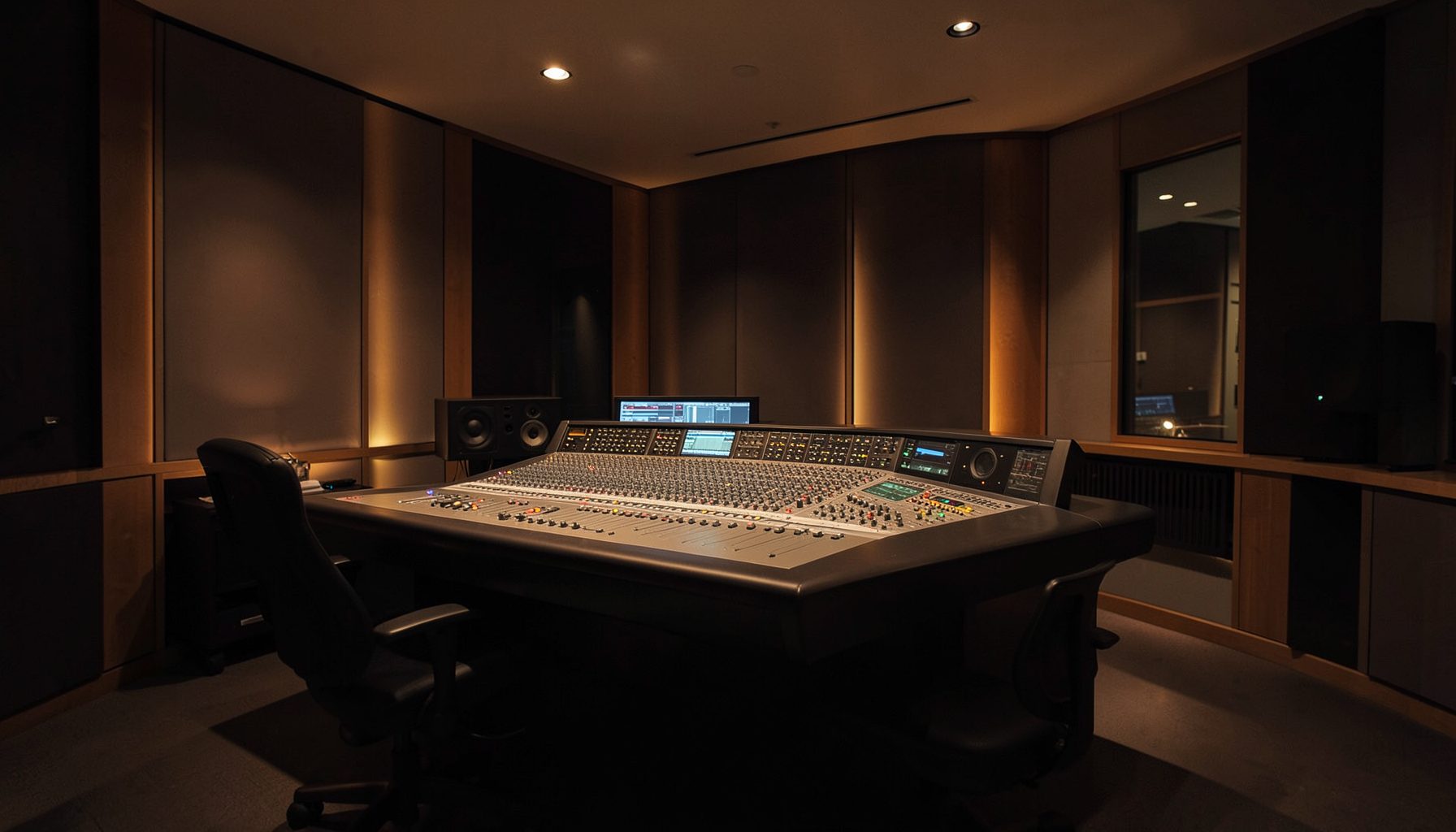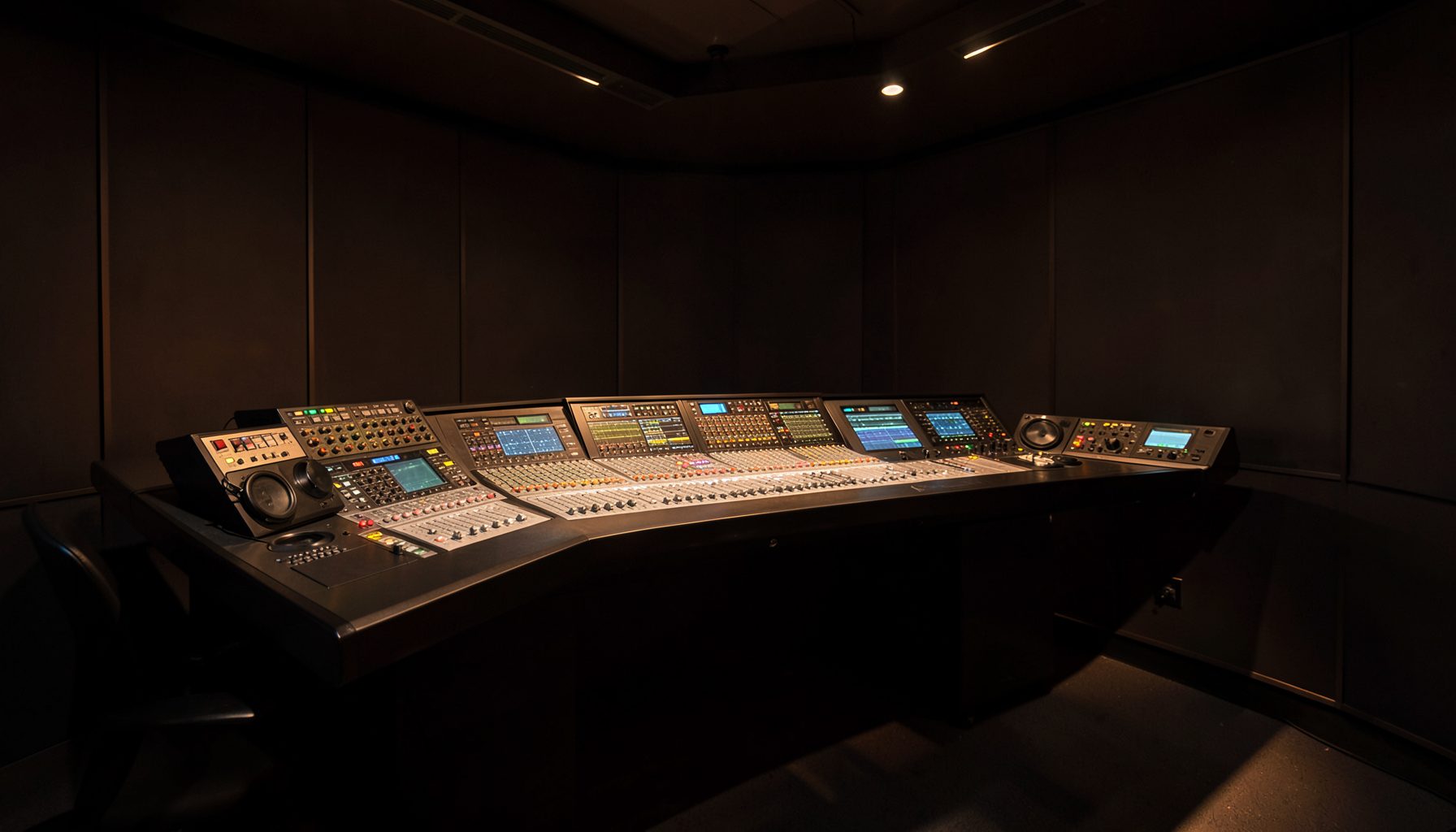
Ruby talkback routing to multiple booth speakers and headphone zones
Talkback is the short, often urgent communication path between a presenter, producer and talent sitting in another booth. In a Ruby mixing console, that path can become unnecessarily complex when one person must address several booth speaker systems and separate headphone zones. A useful design treats talkback as a routed signal with defined destinations, rather than as a collection of cables whose behaviour depends on physical location.
Australian radio operations add practical considerations: studios may cover several rooms, regional teams may work across long distances, and operators commonly use direct language during live shifts. Clear talkback distribution helps everyone hear the same instruction without turning the studio into a feedback loop or interrupting programme audio at the wrong moment.
| Destination | Typical routing | Key control |
|---|---|---|
| Nearfield booth speaker | Console talkback output to amplifier | Independent level, mute and feedback protection |
| Ceiling or PA booth speaker | Network send to a node or amplifier | Level coordination and signal delay |
| Headphone zone | Bus feed to a headphone distributor | Separate trim and programme or talkback selection |
| Remote talent position | Networked audio send | Monitoring, clocking and backup path |
Build the talkback signal path
Begin with the source. The talkback microphone enters a console input with suitable gain, processing and metering. From there, the talkback function or bus determines what can be sent, while the destination matrix determines where that signal appears. Knowing the difference prevents a common error: assuming that enabling talkback automatically sends it to every output connected to the console.
Each destination should be treated as a separate zone. A presenter’s nearfield speaker, a studio ceiling speaker and a headphone feed may carry the same talkback source, but they require different output levels and mute behaviour. A Ruby configuration should therefore assign destinations deliberately and name them according to function, such as presenter booth, producer booth, headphones A and remote guest.
Plan destinations before assigning routes
A physical plan should identify every loudspeaker, headphone amplifier and remote endpoint involved. It should also show whether programme audio and talkback are combined, replaced or selected at each position. This matters because a talent user may hear cueing in one pair of headphones while another operator hears programme continuously through a booth monitor.
The headphone zones need special attention. A shared headphone feed can be convenient, but independent control is usually safer when several presenters work on different shows or when one zone must remain isolated for a producer. Where local headphone amplifiers accept balanced audio, the talkback bus can feed them as a dedicated source. For remote talent, a networked send can carry the selected zone to another location while keeping its level control separate from the originating booth.
Control level, intelligibility and feedback
Talkback should be clear without being excessively loud. Set the microphone preamplifier and processing first, then use output trims for each destination. A booth speaker may need more level than a headphone feed because it is heard in a noisier environment, while shared headphones may require conservative levels to protect listeners and prevent talkback from masking programme material.
Feedback is a particular risk when an open talkback microphone is close to a booth speaker. Use push-to-talk gating, a properly oriented microphone, or an automatic mute function where available. Limiters can control peaks, but they cannot correct a routing fault. The talkback microphone must never be returned to its own monitoring path, and headphone monitoring should be checked before a loudspeaker is unmuted.
Extend routing across studio networks
Large facilities and multi-room productions often need more physical outputs than a mixing desk can offer directly. Power Core audio nodes can provide distributed audio endpoints for suitable networked workflows, allowing a talkback send to reach studios, edit positions or remote areas. The network design still needs defined channel ownership, redundant paths where required and consistent clocking between devices.
VisTool studio software can complement console-based operation with visual control and monitoring where it is included in the installation. RƎLAY virtual radio tools may also support distributed production, although they should not be treated as a talkback matrix unless that capability is explicitly part of the configured system. Current product information is available through Lawo Broadcast products.
Fit the workflow to Australian operations
Australian deployments range from crowded studio buildings in Sydney and Melbourne to regional stations serving areas such as Rockhampton and Toowoomba. They also include live-music venues, sporting broadcasters and temporary event facilities. In these environments, a talkback route may cross a corridor, an equipment room, a network switch and an off-site contributor rather than remaining within one console.
The market includes commercial networks, community services, educational operations and public-sector broadcasters such as Broadcast Australia. ACMA licensing and local operating policies can shape how studios are shared, staffed and maintained, so documentation should reflect the actual users and responsibilities rather than relying on generic labels. Regional redundancy and a simple manual fallback can be as important as extra matrix routing.
Australian operators often favour plain, direct calls such as “hear me” or “stand by”, but local accents, colloquialisms and background noise can affect intelligibility. Talkback messages should be concise and avoid ambiguous phrases, especially where English is spoken alongside community languages. Studios in Darwin, Broome and other hot or humid locations also require equipment-room temperature control, protected cabling and reliable monitoring rather than assumptions based on a cool, air-conditioned central studio.
Verify the route and preserve the operating plan
Test the complete chain with the actual programme source active. Confirm what each presenter hears in the nearfield, ceiling speaker, headphones and remote position. Record the talkback and programme levels, verify mute and automatic-gating behaviour, and test the fallback used if a networked destination fails. A quick check during a quiet afternoon is not enough; repeat it under realistic broadcast conditions.
Keep the routing plan with the studio documentation and name every source, destination and responsible operator. Broadcast-focused material from Papa John Phillips offers a useful external perspective on workflow and operational discipline. The principle to remember is simple: route talkback deliberately, control every zone independently, and verify what each person hears before the broadcast goes live.