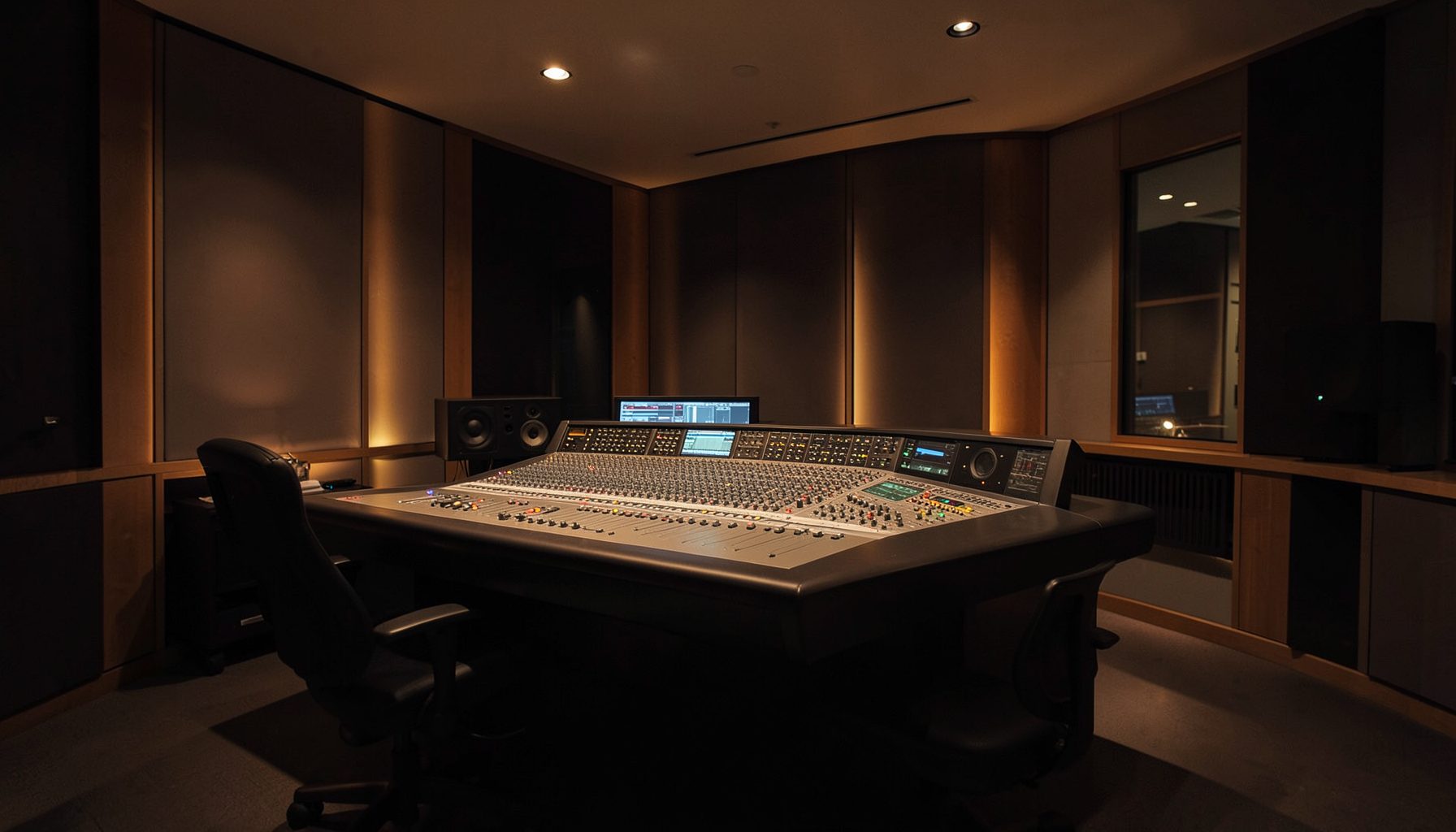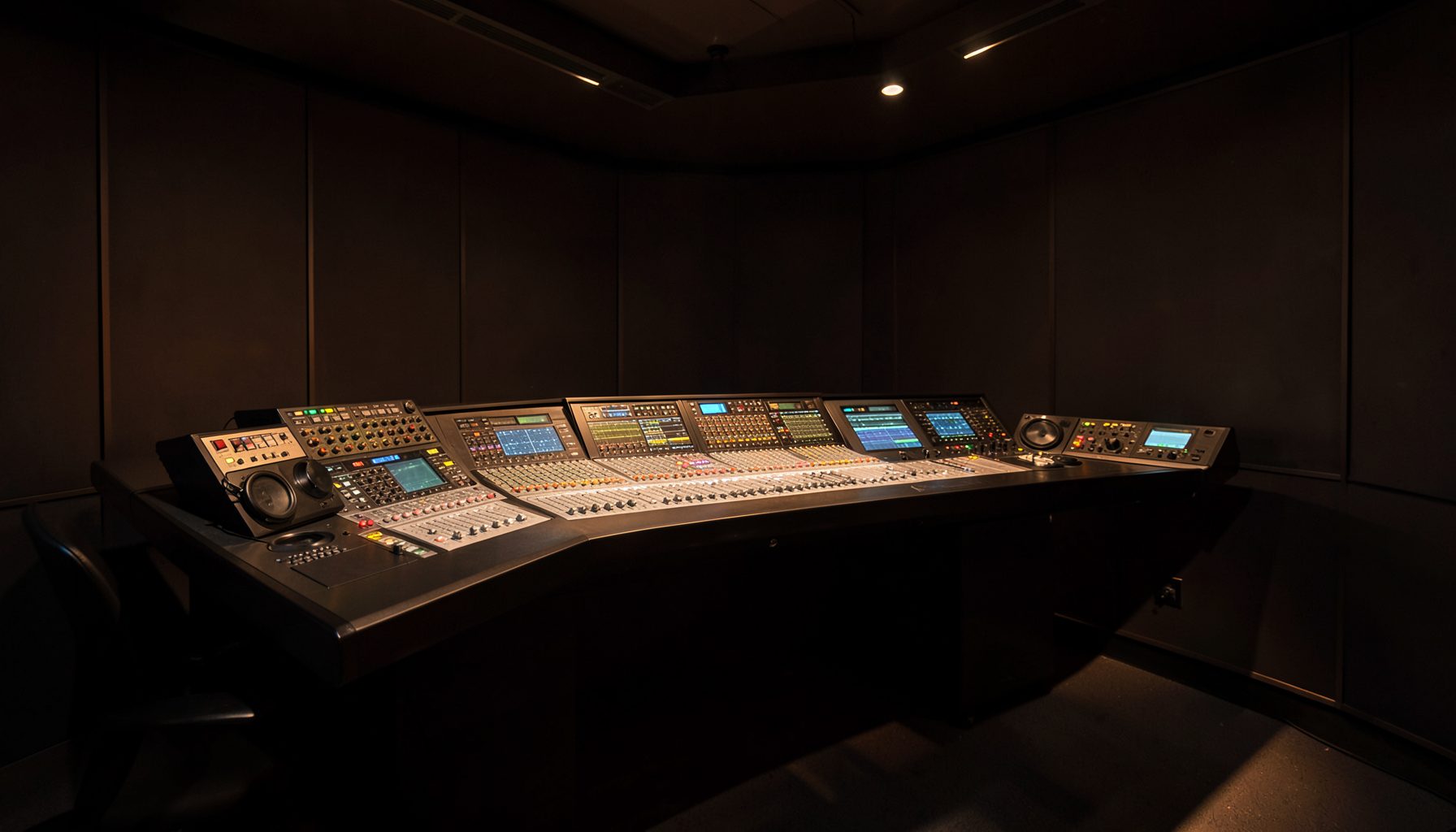
Ruby Solo In Place for isolated channel monitoring
Ruby’s Solo In Place Mode lets a broadcast engineer monitor one selected input through Ruby without listening to the full desk mix. The source can be checked for level, noise, distortion and content before the operator returns to programme monitoring. It is a focused listening tool, not an instruction to remove that channel from the on-air mix.
In Australia, that control is useful across long operating days: a Sydney drive-time show may open with local announcements, then take a remote interview from regional Queensland while music, talk and station promos continue under the producer’s control. Melbourne’s larger production market similarly supports live sport, networked studios and productions with several contributors working from different locations.
Broadcasters must also meet applicable ACMA licence and local-content conditions. A distorted feed or unexpected background noise can still cause a reputational problem even when the technical fault is brief, so engineers need a quick way to identify the channel carrying the problem without disrupting the programme path.
Ruby sits within Lawo’s Broadcast 3.0 ecosystem, where consoles, audio nodes, studio software and virtual radio tools share a networked workflow. Used with Power Core, VisTool and RƎLAY, isolated input monitoring becomes part of a practical diagnostic process rather than a standalone desk trick.
What solo in place changes
When an engineer selects an input and engages Solo In Place, Ruby sends that channel to the selected monitoring destination and masks the other sources from that listening position. The engineer hears the individual microphone, playback return, remote contribution or processing return as a distinct signal, making subtle faults easier to recognise.
This differs from a conventional cue or AFL solo, which normally places the chosen source on a separate cue output while the main monitor continues to carry the desk mix. Solo in place is intended for the engineer’s focused inspection; it does not itself instruct Ruby to mute or remove the source from the broadcast bus.
The mode also has limits. Isolation can expose hiss, rumble, clipping or a wrong feed, but it cannot show how that channel interacts with music or another microphone. Visual metering, a full-mix check and the programme’s confidence feed remain useful complements, especially when a producer is preparing a live transition.
Practical uses in Australian studios
The clearest use is verification: an engineer confirms that a host microphone is the expected voice, a playback file starts at the right point, or a remote feed contains usable audio. During a live sports shift in Melbourne, for example, Solo in place can isolate an interviewer’s return before it is opened to the wider commentary mix.
For voice-led stations, Lawo’s automatic mixing can manage predictable changes between speech and music. When that automation runs, an engineer can still use Ruby’s Solo In Place Mode to inspect one input directly, helping separate a genuinely faulty channel from an expected automation gain change.
The same principle applies to remote production. A reporter in Brisbane may reach a Power Core node over a managed contribution link and appear as an input in Sydney. Soloing that input locally gives immediate evidence about level or unwanted noise before the producer decides whether the feed belongs in the programme mix.
Control room discipline and portable setups
In a busy control room, engineers often alternate between headphones, nearfields, talkback and studio monitors. Ruby’s focused monitoring helps them protect that discipline by placing the selected channel only where it is needed, while other staff can continue listening to talkback or the main production feed.
A shared check also needs an agreed vocabulary. Calling “the channel is soloed” does not identify the monitoring route, and a monitor selector can send the isolated source somewhere unexpected. Clear labels and saved user settings reduce confusion, particularly during a fast changeover between presenters, replay items and sponsored segments.
Equipment still has to cope with Australian commuting and regional production trips. For a portable tablet or notebook carried from a central Melbourne studio to a venue, a fitted leather sleeve can reduce knocks during train, taxi or airport transfers and complement the tougher protection built into broadcast equipment.
Matching the monitor path to the task
No monitor view is universally correct. The choice depends on whether the engineer needs to inspect one source, hear the programme balance or give another person a cue. Ruby’s Solo In Place Mode belongs in the first category and should be treated as a deliberate diagnostic state.
Before using it, confirm which outputs carry the monitor bus, where the engineer is listening and whether the main programme confidence feed remains unchanged. This is especially important when the same production room also feeds a live studio or a replay system.
| Monitoring approach | What the operator hears | Best suited to | Main caution |
|---|---|---|---|
| Solo in place | One selected input alone at the chosen monitor destination | Isolating a microphone, playback return or remote feed | It does not show how the source interacts with the full mix |
| Cue or AFL | The selected input on a separate cue path | Giving a presenter or another operator a private source check | Requires a correctly configured cue destination |
| Full monitor mix | All active programme sources | Assessing balance, transitions and overall programme clarity | A single fault may be harder to identify |
| Programme confidence feed | The programme as it is being sent | Confirming the final on-air signal | It provides no isolated source inspection |
The practical sequence is to hear the full mix, engage the isolated source for diagnosis, and return to the programme feed. This preserves a stable reference while making the suspected fault audible.
Running a controlled channel check
A controlled check should use the same sources and monitor destinations as the real show. Engineers can test one studio microphone, one playback return and one remote contribution, then record the expected state of the programme bus before and after each solo action.
Practice also matters when several people share a shift. A short handover should identify the selected input, the monitoring destination and the status of any mute or automation state, preventing an investigative solo from being mistaken for an intentional broadcast cut.
The next operational step is to schedule a one-hour Solo In Place rehearsal before the next live shift and record the input selection, monitor route and programme-bus status in the show file.