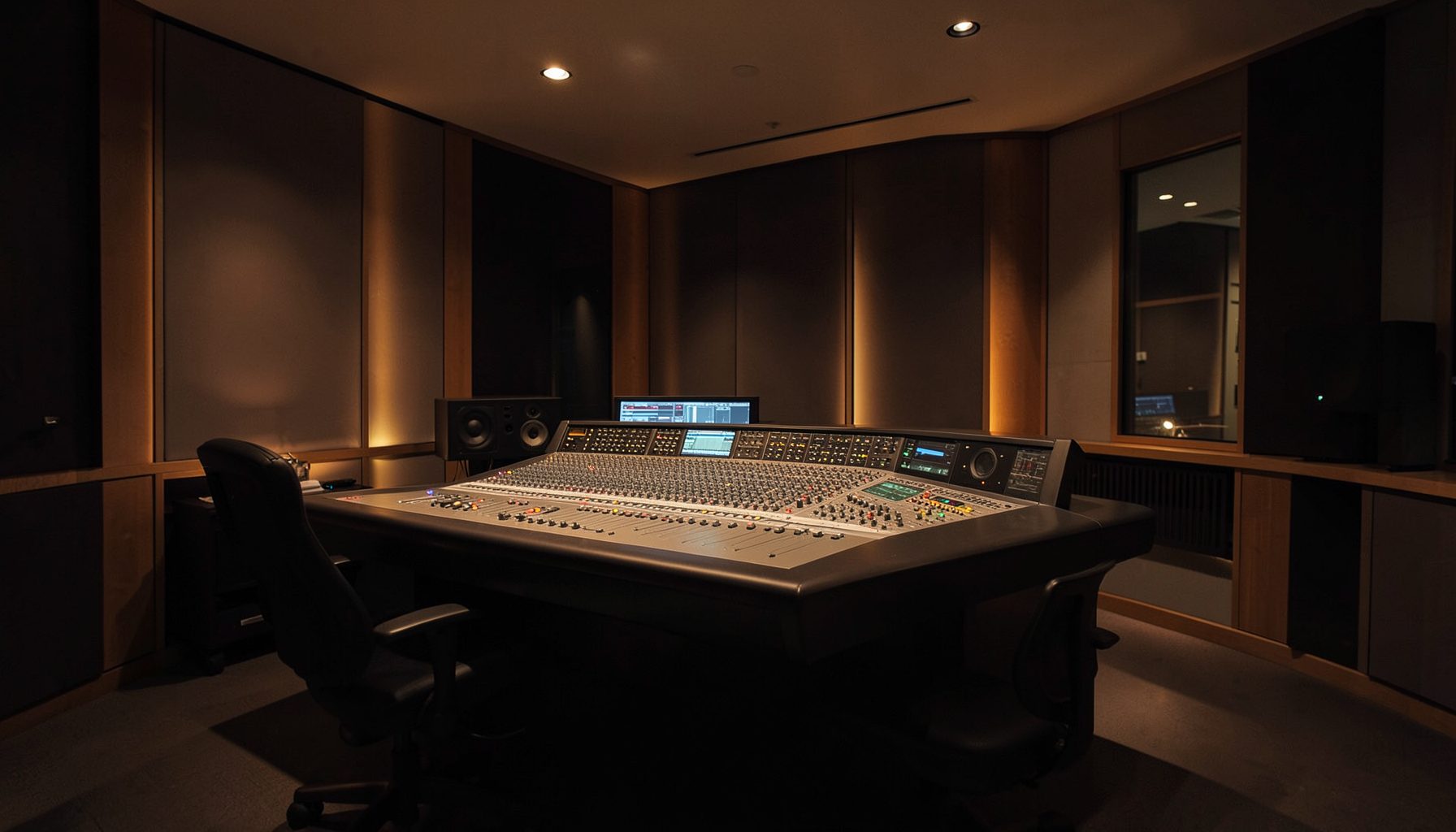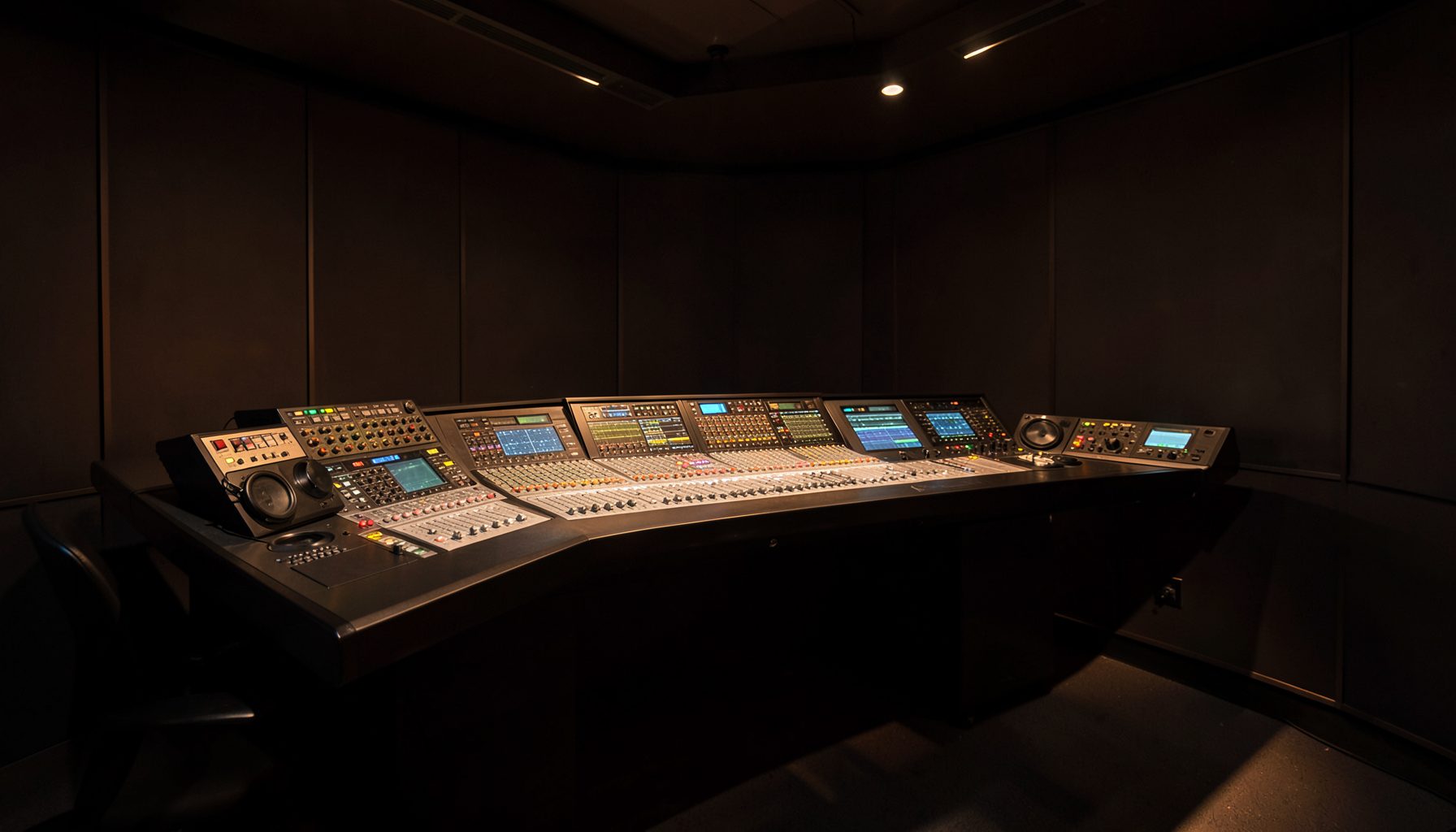
Ruby Solo-In-Place Monitoring For Confident Radio Cueing
Live radio depends on decisions made in seconds. A presenter may need to check a music bed, a remote guest, a commercial insert, or a processing return without disturbing the programme currently reaching listeners. Ruby’s Solo-In-Place function gives operators a focused way to audition a source through the monitoring system while keeping the on-air mix under control.
That distinction matters in busy Australian studios, where a breakfast programme in Sydney, a regional service in Queensland, or a networked show shared between Melbourne and Perth may have different contributors and signal paths. A well-designed solo workflow reduces uncertainty without encouraging unnecessary changes to the live output.
Why Solo-In-Place Matters
Solo-In-Place, commonly abbreviated as SIP, isolates the selected source in the operator’s monitoring path. Instead of simply adding a channel to the headphones, it allows the user to hear that source in context as the principal monitored signal, while the programme bus remains separate from the cue decision.
This is useful when an engineer needs to verify the actual contribution of one fader. A channel might be present but silent, routed incorrectly, delayed, heavily processed, or receiving an intermittent feed. SIP helps expose the source itself rather than forcing the operator to interpret a crowded monitor mix.
Keeping Cue Checks Away From Air
The most important operational benefit is separation. The presenter or technician can solo a channel for critical listening without pulling it down from the programme mix or unexpectedly sending a cue signal to listeners. This supports safer checks during live interviews, outside broadcasts and automated transitions.
A typical example is a remote contribution that appears on the console but has unclear content. With SIP, the operator can inspect the guest feed, listen for clipping or background noise, and confirm intelligibility before making a routing or level adjustment. The action remains a monitoring decision rather than an on-air edit.
A Practical Fit For Australian Radio
Australian stations often combine local presentation with networked content, syndicated shows and remote contributors. In regional markets, long links and limited technical staffing can make fast fault isolation especially valuable. A clear solo function lets one operator identify whether a problem sits with a microphone, codec return, playout source or console path.
The workflow also suits the everyday rhythm of commercial and public radio. During a Melbourne breakfast shift or a late-night programme in Darwin, an operator may be balancing studio talk, music, traffic updates and agency material at once. SIP provides a disciplined way to check one element while preserving the broadcast mix.
Compliance adds another reason to keep monitoring and transmission decisions distinct. Australian broadcasters operate within ACMA requirements, including rules affecting broadcasting services and sponsorship or advertising content. Solo-In-Place does not replace editorial or compliance checks, but it helps operators examine material without casually putting an unverified source to air.
Distinguishing SIP From Other Solo Modes
PFL, or pre-fade listen, generally sends a channel to the monitor system before its fader level and sometimes before other processing stages. It is valuable for checking input gain and raw signal quality. AFL, or after-fade listen, reflects a later point in the channel path and can better represent the level being contributed after fader control.
SIP is different because it is intended to create an isolated listening perspective within the console’s monitoring logic. The exact routing behaviour depends on the configured Ruby system, monitor buses and operator permissions, so stations should define how SIP interacts with headphones, loudspeakers, talkback and other cue facilities.
The distinction is important when diagnosing problems. A clean PFL signal does not prove that the programme path is correct, while an acceptable AFL signal does not necessarily confirm the source is free of upstream faults. SIP complements these modes by making focused, source-based listening practical during live operation.
Control Through Networked Workflows
Ruby is designed for networked broadcast environments, where audio resources and control surfaces can be distributed rather than confined to a single rack. That approach supports flexible studio layouts and can make the same monitoring principles available across production positions, presenter desks and technical areas.
For teams using software control, VisTool can provide a visual interface for operating and supervising compatible Lawo workflows. Clear displays are particularly helpful when several sources have similar names or when a station shares resources between local and networked studios.
Operators should establish a consistent visual convention for solo status, monitor selection and source identity. In a large facility, coloured indicators and descriptive labels can reduce the chance of soloing a backup feed while believing it is the main return. Good control design turns SIP from a specialist feature into a repeatable operating habit.
Avoiding Monitoring Assumptions
Solo monitoring should always be interpreted in relation to the point being heard. A source may sound healthy in isolation yet clash with another contributor, contain an unsuitable delay, or sit at the wrong loudness in the final programme. SIP is a diagnostic aid, not a substitute for listening to the complete transmission chain.
This principle is similar to evaluating any technical system by understanding what a test can and cannot prove. A useful discussion of filtration limits illustrates the broader point: a targeted method can reveal specific conditions, but it should not be treated as evidence about every part of a system.
For radio, the practical response is to use SIP alongside programme monitoring, metering, confidence returns and, where available, off-air reception. That combination helps distinguish a source fault from a routing fault, processing issue or transmission problem.
Choosing The Right Monitoring Method
| Monitoring method | Primary purpose | Typical use | Main caution |
|---|---|---|---|
| PFL | Hear a source before fader control | Check microphone gain or raw input | May not represent the programme path |
| AFL | Hear a channel after fader control | Confirm level and channel contribution | Can hide upstream source issues |
| Solo-In-Place | Isolate a selected source in monitoring | Investigate a live return or cue critical content | Behaviour depends on console configuration |
| Programme monitoring | Hear the complete mix | Judge balance, continuity and output | A fault can be difficult to localise |
| Off-air monitoring | Verify the transmitted result | Confirm end-to-end reception | Includes delay and transmission variables |
Ruby’s SIP function is most effective when the console’s monitoring layout is documented and understood. Operators should know which monitor output is affected, whether other solos are cleared, how cue interrupts behave, and whether the selected signal is pre- or post-processing.
A short studio procedure can prevent confusion: select the source, engage SIP, identify the listening point, check the relevant fault, release SIP, and confirm the programme monitor before returning attention to the live mix. That sequence is simple enough for routine use and robust enough for high-pressure shifts.
Building Confidence Into Live Operations
Critical cue monitoring is ultimately about making the right judgement without adding risk. Ruby’s Solo-In-Place function gives engineers and presenters a controlled listening window, helping them investigate individual sources while protecting the integrity of the programme output.
In Australian facilities, that can support everything from a compact community studio to a multi-site network with remote guests and regional contribution paths. The practical takeaway is to treat SIP as a defined diagnostic step: isolate the source, verify what it is doing, then return to programme monitoring before making any live change.