Ruby’s multi-fader layouts for faster sports commentary
Sports broadcasting leaves little room for hesitation. A commentator may need to speak continuously, a producer may call for a replay, a reporter may join from the venue, and a director may need an immediate clean feed. The audio operator must keep all of these sources available without losing focus on the action.
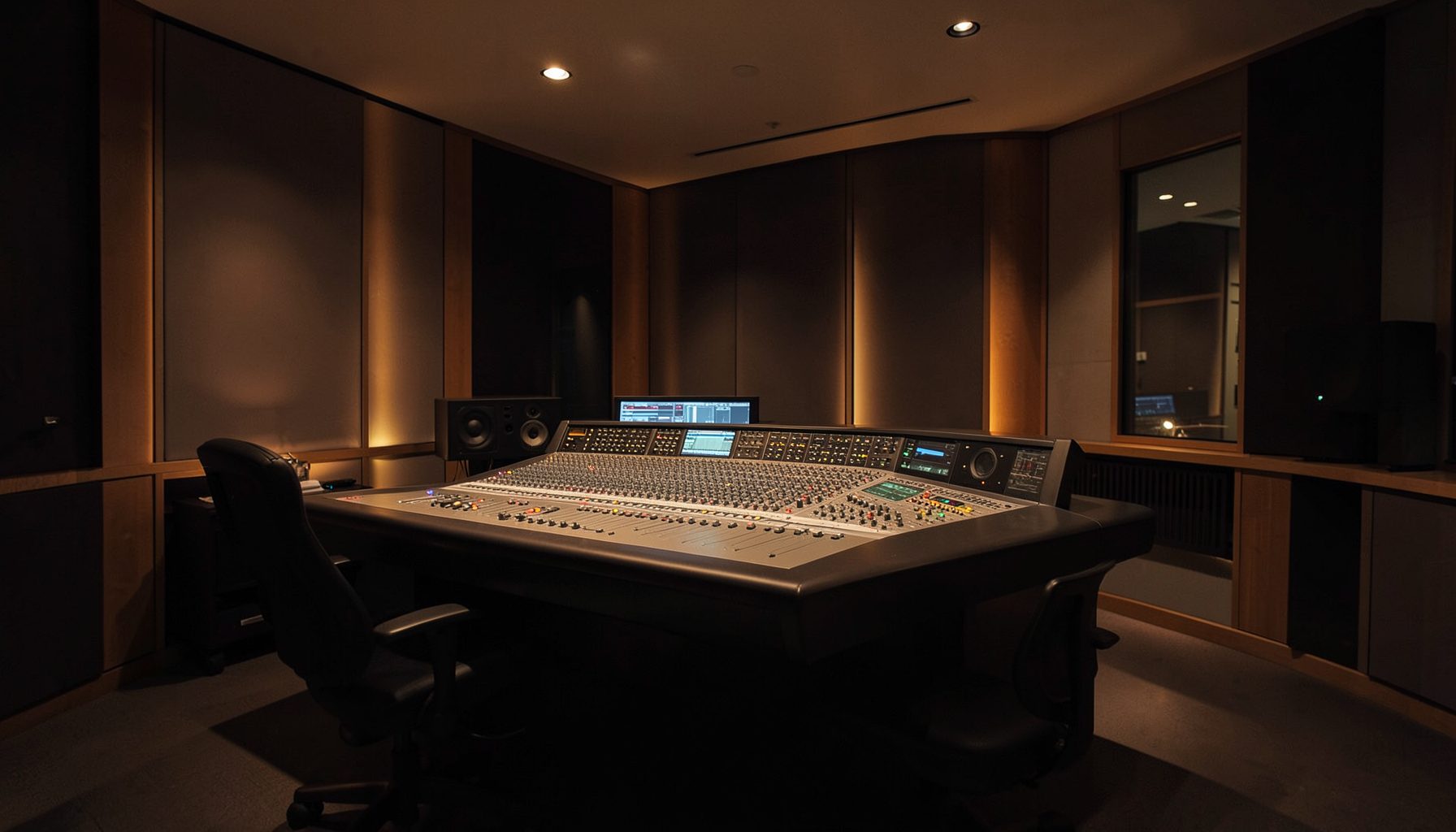
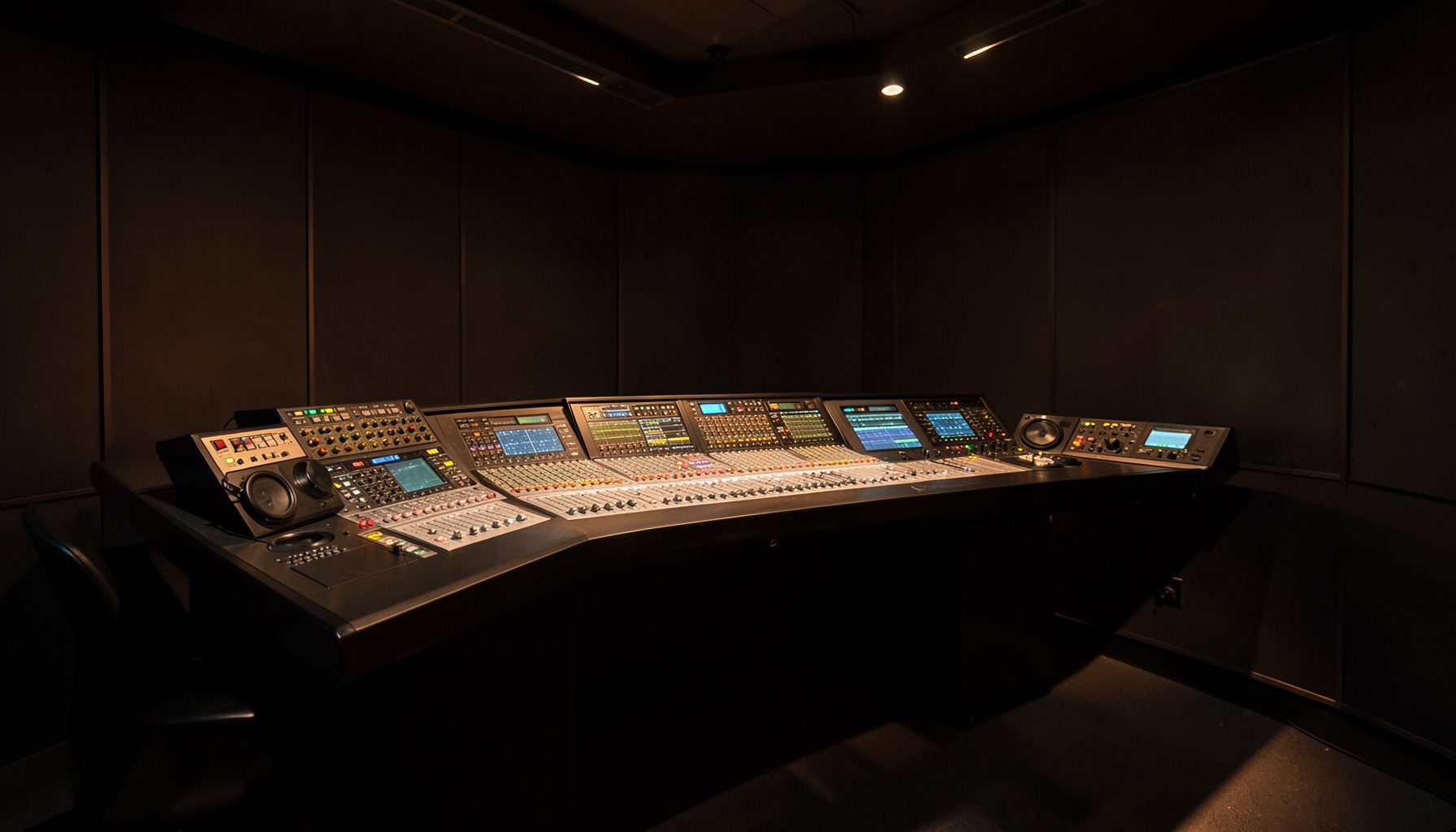
Ruby’s configurable multi-fader layouts are designed for that type of pressure. By grouping microphones, communications, program feeds, and remote sources in a logical surface arrangement, operators can make quick adjustments with fewer movements and less visual searching.
For broadcasters exploring networked production, Lawo’s broadcast platform places Ruby alongside audio nodes, control software, and virtual tools that can support a flexible radio or live-event workflow. The result is a mixing environment that can adapt to the sport, venue, and production scale.
Give every key source a clear position
A play-by-play console works best when the most important sources are immediately visible. The main commentator, co-commentator, pitch-side reporter, studio host, and producer talkback can each have a dedicated fader position. This helps the operator identify channels by location as well as by label.
A practical layout might reserve the central faders for the primary commentary pair, with guest microphones immediately beside them. Crowd ambience, referee microphones, interview positions, and incoming contribution feeds can sit in adjacent banks. The exact arrangement depends on the event, but consistency matters more than a universal template.
Clear source placement also helps during handovers. If several operators work across a tournament or a long broadcast day, a familiar Ruby layout reduces the time needed to understand the mix. Channel labels, color coding, and grouped functions reinforce that visual memory.
Separate commentary from atmosphere
Sports audio needs contrast. Commentary must remain intelligible, while crowd noise, stadium ambience, music, and effects provide scale and excitement. Multi-fader organization allows these elements to be treated as distinct working groups rather than as one crowded collection of channels.
An operator can place voice sources together and keep ambience on a dedicated bank. This makes it easier to lower crowd microphones during a critical explanation, open them during a goal or finish, or adjust the balance as the action moves around the venue.
The same approach supports different program outputs. A main broadcast mix may prioritize the commentator, while a clean effects feed may give greater prominence to the venue. With a well-planned control surface, these decisions can be made without repeatedly searching through unrelated sources.
Adapt the surface to the production role
Ruby can be arranged around the responsibilities of the person operating it. A dedicated radio sports producer may need fast access to caller lines, presenter microphones, commercial inserts, and remote guests. A television sound operator may focus more heavily on commentary, effects, intercom, and international feeds.
For a smaller production, one compact surface can combine the essential inputs and monitor controls. For a larger operation, multiple operators or connected network resources can divide duties between commentary mixing, contribution management, and output control.
This flexibility is especially useful when the same facility covers football, motorsport, basketball, and athletics. Each discipline has different microphone positions and communication demands. Saving or rebuilding layouts around those requirements can make the console a repeatable production tool rather than a fixed collection of channels.
Compare layouts by operational purpose
The best arrangement is not necessarily the one with the most sources visible. It is the one that places high-priority decisions closest to the operator and keeps secondary controls from creating clutter. A few carefully designed banks can be more effective than a crowded surface.
| Layout focus | Primary sources | Useful for | Main operational benefit |
|---|---|---|---|
| Commentary | Lead and secondary commentators, guests | Radio play-by-play and broadcast mix | Fast voice balance and mute access |
| Venue sound | Crowd, field, court, track, and effects microphones | Atmosphere-led coverage | Quick control of energy and perspective |
| Contributions | Remote reporters, phone callers, codecs, return feeds | Distributed sports production | Easier management of incoming voices |
| Communications | Producer, director, technical coordination, talkback | Live event control | Immediate access to essential instructions |
| Output control | Program, clean feed, monitor, recording, transmission paths | Multi-output delivery | Clear oversight of final destinations |
A layout can also reflect the rhythm of the event. During pre-match coverage, presenter and guest channels may dominate. Once the game begins, commentary and effects become central. At half-time or between heats, contribution and interview sources may move to the foreground.
Connect surface control with networked audio
A modern sports broadcast often draws audio from many locations. Commentary positions, outside broadcast vehicles, remote studios, venue microphones, and production rooms may all contribute to the same program. Networked audio infrastructure can make those sources available where they are needed without forcing every signal through a traditional point-to-point arrangement.
Ruby can serve as the operator-facing control surface while systems such as Power Core provide networked audio processing and I/O resources. VisTool can extend control to custom interfaces, useful when producers or assistants need access to selected functions without taking over the main console.
This division between physical control and software-defined resources helps broadcasters scale a workflow. A small match-day setup can remain focused, while a larger international event can add sources and destinations without redesigning the entire operating philosophy.
Build layouts around speed and confidence
The most effective multi-fader design begins with a source inventory. Identify every microphone, remote contribution, return feed, communication path, and output before deciding where it belongs. Then separate sources by task: speak, listen, coordinate, monitor, and deliver.
Keep the most time-sensitive controls within easy reach. For sports commentary, that usually includes the primary voices, cough or mute functions, ambience groups, and producer communication. Less frequently adjusted sources can be placed on secondary layers without compromising access to the live mix.
Use these recommendations when preparing a Ruby sports profile:
- Place the lead commentator and principal guest in the most visible central positions.
- Group ambience and effects so crowd energy can be shaped without disturbing speech.
- Keep remote contributors and telephone callers in a separate, clearly labeled bank.
- Reserve direct access for producer talkback, monitor returns, and emergency sources.
- Save distinct layouts for pre-event, live play, interview, and post-event segments.
A short rehearsal should test more than signal presence. Ask the operator to simulate a goal, an unexpected guest, a failed remote line, a sudden crowd surge, and a change of output feed. If each response is easy to execute from the surface, the layout is serving the production rather than slowing it down.
For broadcasters planning a faster play-by-play workflow, Ruby offers a practical foundation for organizing voices, ambience, communications, and delivery paths around the demands of live sport. Explore the Lawo ecosystem and shape a multi-fader profile that gives every critical source a clear place before the next event goes live.