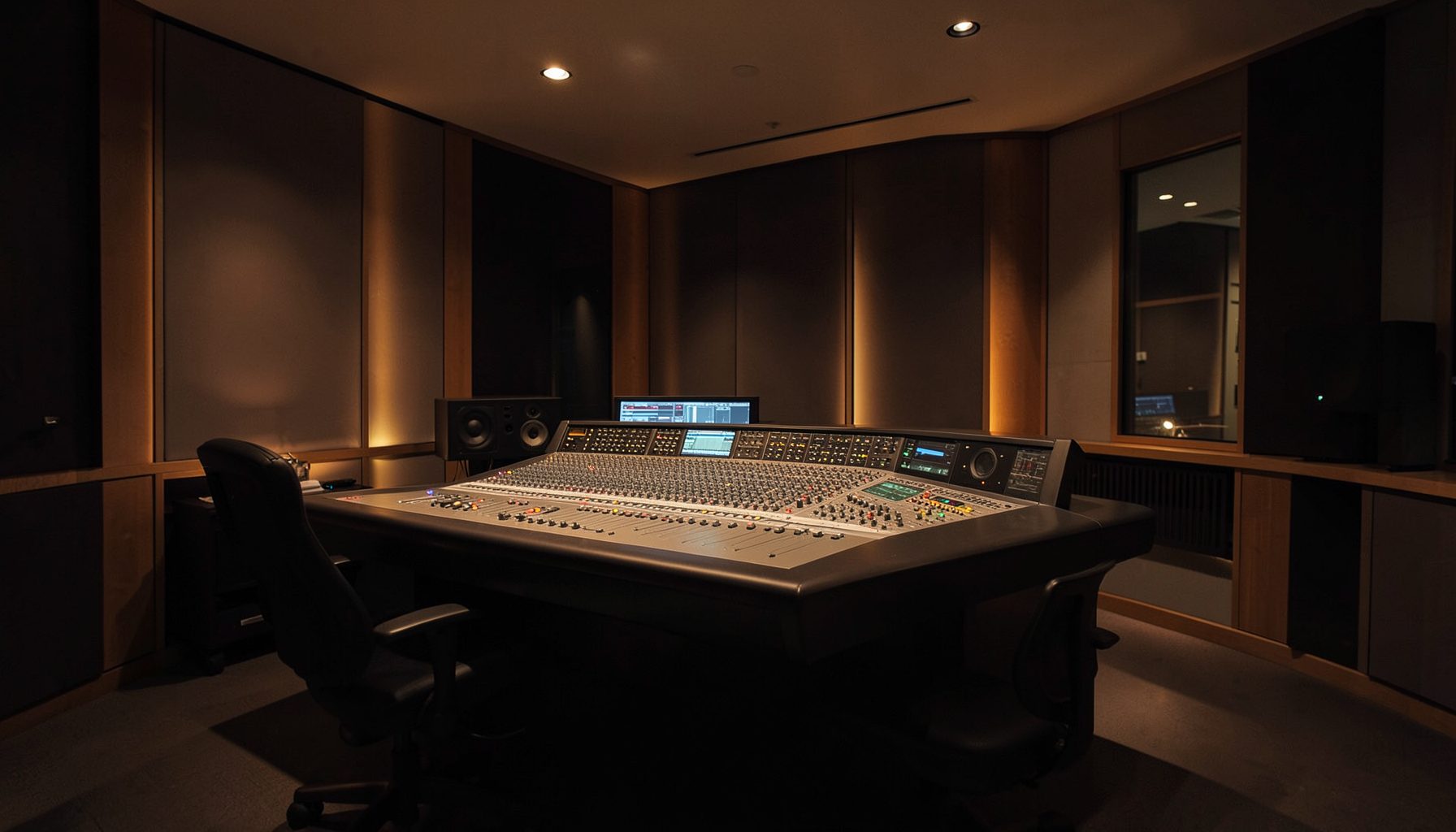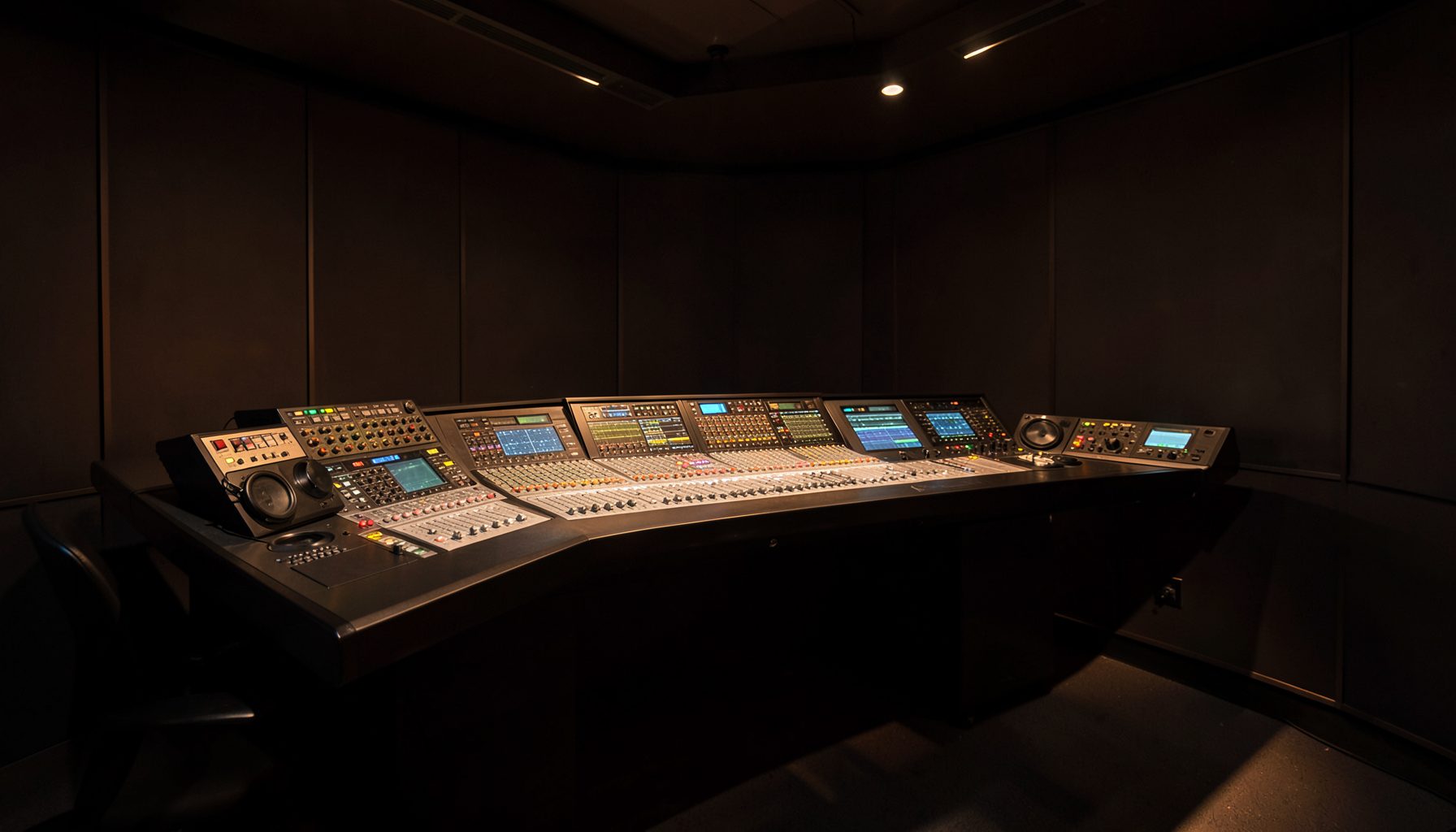
Ruby monitor setup for separate control room and studio listening
A Ruby console often has to serve two audiences at once: a producer in the control room and a presenter in the studio. Ruby’s dedicated monitor section lets those roles follow different listening priorities without one person changing the programme mix for everyone else.
The distinction matters because confidence, playback, talkback and communication are separate jobs. The control operator may need broad source access and continuous metering, while the performer needs a clean return, a chosen microphone feed and deliberate cueing.
Australian stations add distinct operating pressures. Sydney and Melbourne are major production hubs, while Brisbane, Perth, Adelaide, Canberra and regional stations serve capital-city drive programmes, live sport, talk radio and overnight automation. Around-the-clock services must remain dependable under ACMA licence conditions and emergency-alert requirements.
A useful design therefore starts with people, sources and room acoustics before it touches button layouts. It also keeps the control room, studio and any remote contribution point audibly consistent while allowing each location to receive only what it needs.
Separate monitoring for radio workflows
Separate monitoring removes a familiar friction: the producer needs to check another source, yet the talent should keep hearing the programme return. A dedicated monitor section lets those selections happen independently, so inspecting a microphone or playback feed does not alter the broadcast mix or distract the studio.
The control room is often a busy listening position rather than a miniature studio. Its operator may alternate among the programme bus, microphone confidence feeds, remote sources, cue speakers and return channels. The studio may instead need a stable stereo foldback, one selected talkback feed and a confidence signal that can be muted without silencing the presenter.
Building the Ruby signal path
Start by drawing the actual route from each source into Ruby, through the monitor selector and level control, then out to the relevant zone. Treat the control room and studio as separate destinations even when they draw from the same console. Assign clean programme feeds where possible, and keep talkback or intercom material out of a return intended for clean listening.
The installed hardware and I/O configuration determine the available connectors and network routes. Ruby can work with Power Core audio nodes and VisTool studio software as part of Lawo’s Broadcast 3.0 ecosystem. Where AES67-compatible transport is used, suitable signals can pass between rooms, but the logical source assignment still needs clear documentation.
A practical comparison makes the division clear:
| Listening need | Control room | Studio |
|---|---|---|
| Programme reference | Full stereo mix and source meters | Clean programme or foldback return |
| Confidence | Selected microphone feeds with mute and dim control | One trusted feed for the active presenter |
| Talkback and cues | Broad access for production coordination | Deliberate talkback, normally muted by default |
| Operating state | Continuous awareness of sources and faults | Stable monitoring unaffected by control-room selections |
| Alert handling | Full monitoring and override access | Defined emergency feed with clear local routing |
Before sign-off, compare each role against the same programme feed. If an operator and presenter hear different source content by design, labels, metering and mute states must make that difference obvious rather than accidental.
Fitting Australian station routines
Drive-time shifts in Sydney or Melbourne can combine live crosses, recorded items and rapid source changes. The producer needs broad awareness, while a presenter may only need the next item, confidence and a protected return. Overnight automation in regional centres adds another case: control-room monitoring should reveal system activity without filling a vacant studio with unwanted talkback.
Public-facing media also creates ordinary security risks. An unsolicited promotion for an Australian no-deposit offer illustrates why links arriving through unofficial messages should be treated as untrusted and handled on personal devices, never on a playout, automation or monitoring workstation.
Local listening habits influence monitoring expectations. Listeners often hear a show through a phone speaker, a car radio or a noisy café speaker, but that does not justify poor on-air metering. It does reinforce the value of a consistent control-room reference and controlled gain staging throughout the chain.
Commissioning, safety and access
Commission each zone separately. Check source labels, left-right integrity, polarity, talkback direction, headphone levels and available headroom before the console reaches normal programme use. Open every talkback route while watching for feedback, then confirm that a muted studio monitor does not mute the control-room operator’s confidence feed.
Licence and workplace duties make this more than an audio preference. A commercial broadcaster must meet the technical conditions attached to its ACMA service, including reliable alerting arrangements. For staff working long night or weekend shifts, state and territory work health and safety laws, informed by Safe Work Australia’s model framework, also support suitable lighting, workload and monitor placement.
Physical and logical access should remain separate. If a building uses Hunter Biometrics for controlled entry, its access events should not become console credentials. Keep biometric or badge systems, workstation permissions and broadcast routing under distinct administration so that room security does not widen who can alter an on-air feed.
A dependable daily listening model
A good operating routine is simple: establish the sources each zone needs, label them consistently and rehearse changes before a live transition. Store useful configurations for talk, playback, remote contribution and emergency procedures, while keeping the underlying source and destination assignments visible to the engineer.
Ruby’s dedicated monitor setup works best when the control room retains oversight and the studio retains a dependable, uncluttered feed. The point to remember is that separate control room and studio monitoring gives each team the right audio without forcing a compromise on the other.