Ruby channel strip presets for faster radio mixing
In a busy radio studio, speed is part of sound quality. A presenter opens a microphone, a guest joins remotely, and a music bed needs to sit beneath the conversation within seconds. Ruby channel strip presets give operators quick access to familiar equalisation and dynamics settings without rebuilding every channel from scratch.
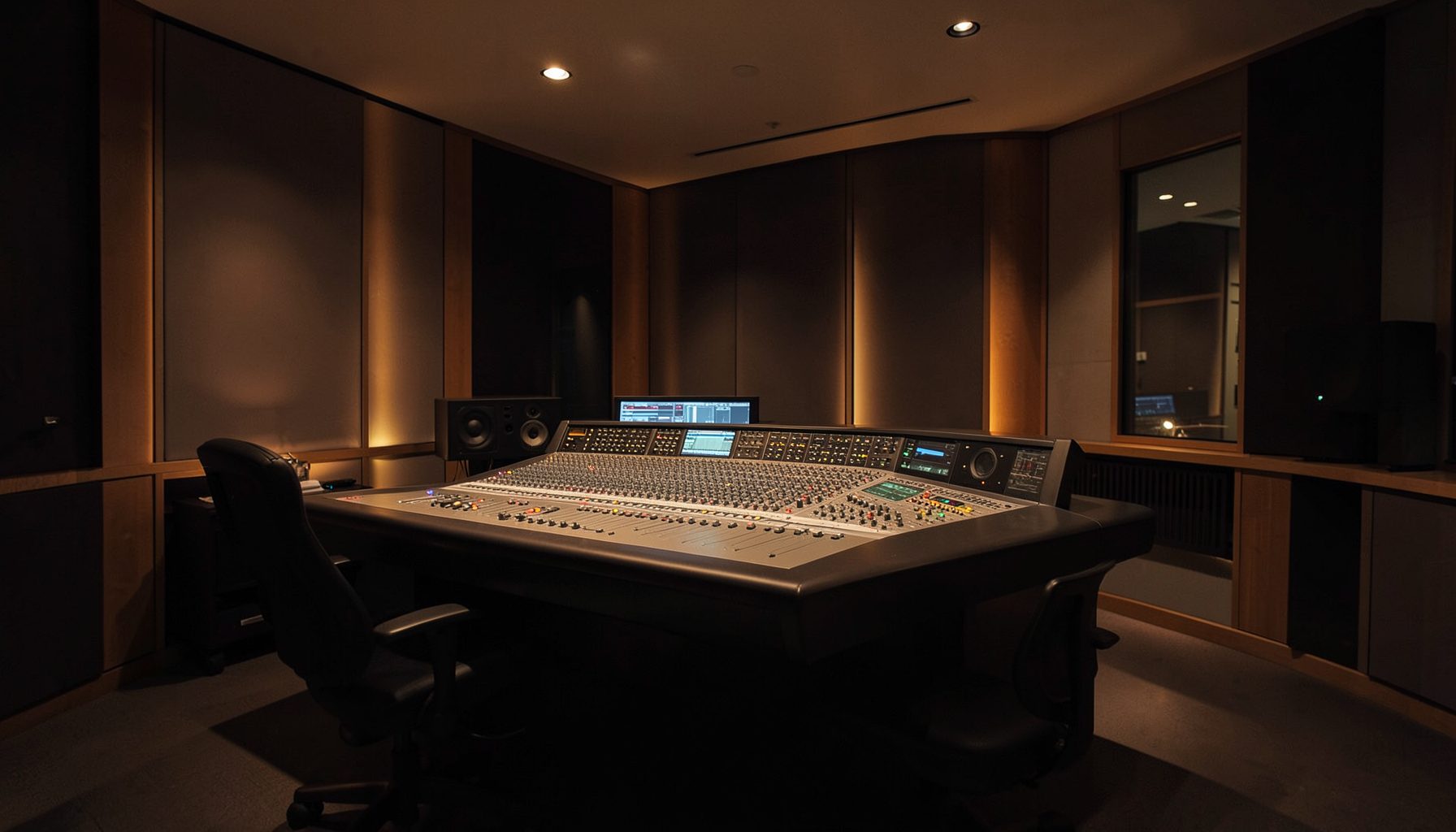
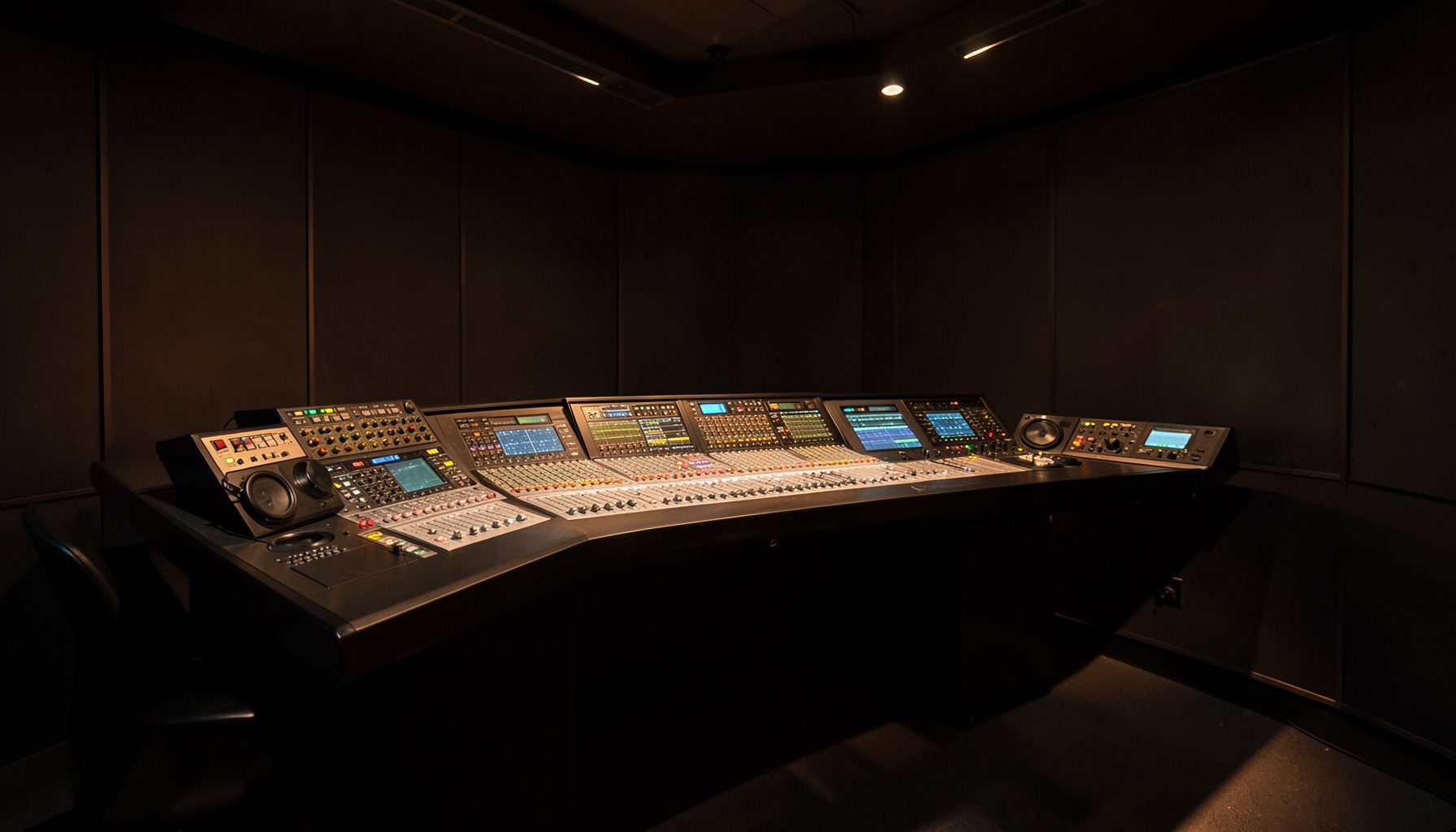
The approach suits modern broadcast rooms where the console, DSP engine and control software work as a connected system. A preset can establish a dependable starting point for a presenter microphone, telephone contribution, interview guest or production return, while the operator retains control over the final result.
For Australian broadcasters, this is especially useful across different programme styles and facilities. A metropolitan breakfast show in Sydney has different demands from a regional station in Queensland, yet both benefit from repeatable gain structure and clear speech. Community stations, outside broadcasts and shared studios also need workflows that can be recalled quickly.
Ruby channel strip presets are best viewed as practical tools rather than fixed recipes. They reduce repetitive setup, improve consistency between shifts and help less experienced operators work confidently, while experienced engineers can still make precise adjustments when voices, rooms or sources change.
Why quick access matters in live radio
Radio production often moves faster than a traditional mixing workflow allows. A presenter may switch between a studio microphone, a codec guest and a commercial insert during a single segment. If every source requires a fresh EQ curve and compressor setup, valuable attention is taken away from timing, balance and editorial cues.
A well-organised preset library keeps routine processing close at hand. Operators can select an appropriate starting point, check the input level and make small adjustments for the person or microphone in front of them. This is particularly valuable during simulcasts, election coverage, sports updates and live crosses, where several sources may appear with little warning.
Presets also support consistent sound between operators. One producer may prefer a gentle compressor while another applies too much high-frequency boost. Shared starting points create a common technical standard across breakfast, drive and overnight shifts without removing individual judgement.
What a channel strip preset can contain
A Ruby preset may bring together the key processing blocks assigned to a channel. Depending on the system configuration, this can include high-pass filtering, parametric EQ, compression, expansion or gating, delay and other input-processing parameters. The benefit is that the operator recalls a coordinated set of values rather than isolated controls.
A presenter microphone preset might use a high-pass filter to reduce handling noise, modest low-mid control for clarity and gentle compression to keep speech even. A telephone or remote contribution may need a different balance, with careful treatment of narrow bandwidth and background noise. Music returns generally call for a lighter touch so that their tonal character remains intact.
The preset should set a sensible baseline, not disguise poor source preparation. Correct microphone placement, suitable input gain and attention to room acoustics still matter. In a reflective studio in Melbourne or a temporary broadcast position at a regional event, no stored setting can replace careful listening.
Building a useful preset library
A compact library is easier to manage than dozens of nearly identical files. Start with clear categories such as presenter, guest, telephone, codec, music return and outside-broadcast input. Names should describe both the source and the intended use, for example “Dynamic presenter” or “Remote guest clean”, rather than relying on personal abbreviations.
It is useful to create mild, standard and corrective variations. A standard speech preset might suit most voices, while a brighter version can help a particularly dark microphone and a restrained version can protect a naturally sharp voice. Store conservative settings first, then refine them after real programme use.
Documentation supports consistency. Record the microphone type, intended distance and key processing choices, and review presets after studio changes. New microphones, acoustic treatment or firmware updates can alter the result. In a national network, a documented preset structure also makes it easier to share good practice between Sydney, Brisbane, Perth and smaller regional facilities.
Keeping operators in control
Quick recall should shorten the path to a good sound, not encourage automatic processing of every source. After loading a preset, the operator should check the signal, listen for pumping or sibilance and confirm that the channel sits correctly against music and other contributors.
Dynamics settings deserve particular care. Too much compression can make a presenter sound tired and bring room noise forward. An aggressive gate may cut the beginning or end of words, especially with soft-spoken guests. A modest compressor with a sensible threshold is usually easier to adapt during a live segment than a heavily processed profile.
Equalisation also benefits from restraint. Broad tonal adjustments can improve intelligibility, while narrow boosts may exaggerate microphone resonance or headphone bleed. Operators should be able to bypass or edit each processing block quickly when an unexpected source arrives.
Adapting presets to Australian radio workflows
Australian stations often combine local production with networked content, syndicated programmes and remote contributors. A preset system helps maintain a recognisable speech sound when a programme moves between a central facility and a smaller station. It also supports rapid setup for community broadcasts, university radio and temporary studios at festivals or sporting venues.
Time zones and long travel distances add practical pressure. A producer preparing a breakfast programme in Perth may work with material created in the eastern states, while a regional station may have limited technical staff on site. Clear Ruby presets reduce dependence on one specialist being available for every shift or outside broadcast.
They can also support different microphone habits. Some presenters work close to the capsule for intimacy; others move during an energetic programme. Presets should therefore be tested with the people who will use them, including presenters, producers and casual operators. The goal is a flexible sound that survives real studio behaviour rather than a perfect setting for one demonstration voice.
Connecting the console, DSP and software
Ruby’s value increases when channel-strip control is connected to the broader Lawo workflow. Processing may be handled through the networked audio infrastructure, while console controls and software views provide access to parameters, routing and recall. This separation can make it easier to expand a studio or share resources across rooms.
Operators can use the VisTool interface to create clear visual control pages for studio functions and processing access. A thoughtfully arranged screen can place preset recall, EQ, dynamics and monitoring controls where they are easy to reach, which is useful for small control rooms and larger facilities with different operator skill levels.
Preset governance matters in a networked environment. Decide who can create, approve and modify shared settings, and keep operator-specific experiments separate from the station library. Naming conventions, version notes and regular backups help prevent an accidental change from affecting several studios.
| Source or use | Useful starting treatment | Main operator check |
|---|---|---|
| Presenter microphone | High-pass filter, gentle EQ and moderate compression | Natural tone and consistent level |
| Interview guest | Neutral EQ with light dynamics | Voice clarity and room noise |
| Telephone contribution | Careful low-cut and restrained compression | Intelligibility without harshness |
| Codec or remote guest | Corrective EQ and controlled dynamics | Delay, noise and changing levels |
| Music return | Minimal processing or tonal matching | Preserve musical impact |
| Outside-broadcast input | Flexible speech preset with headroom | Wind, handling noise and changing distance |
The central benefit is repeatability with room for judgement. Ruby channel strip presets make common EQ and dynamics combinations available at the moment they are needed, helping Australian radio teams move quickly without making every voice sound identical. The setting is only the starting point; attentive listening remains what turns a recalled preset into a broadcast-ready signal.