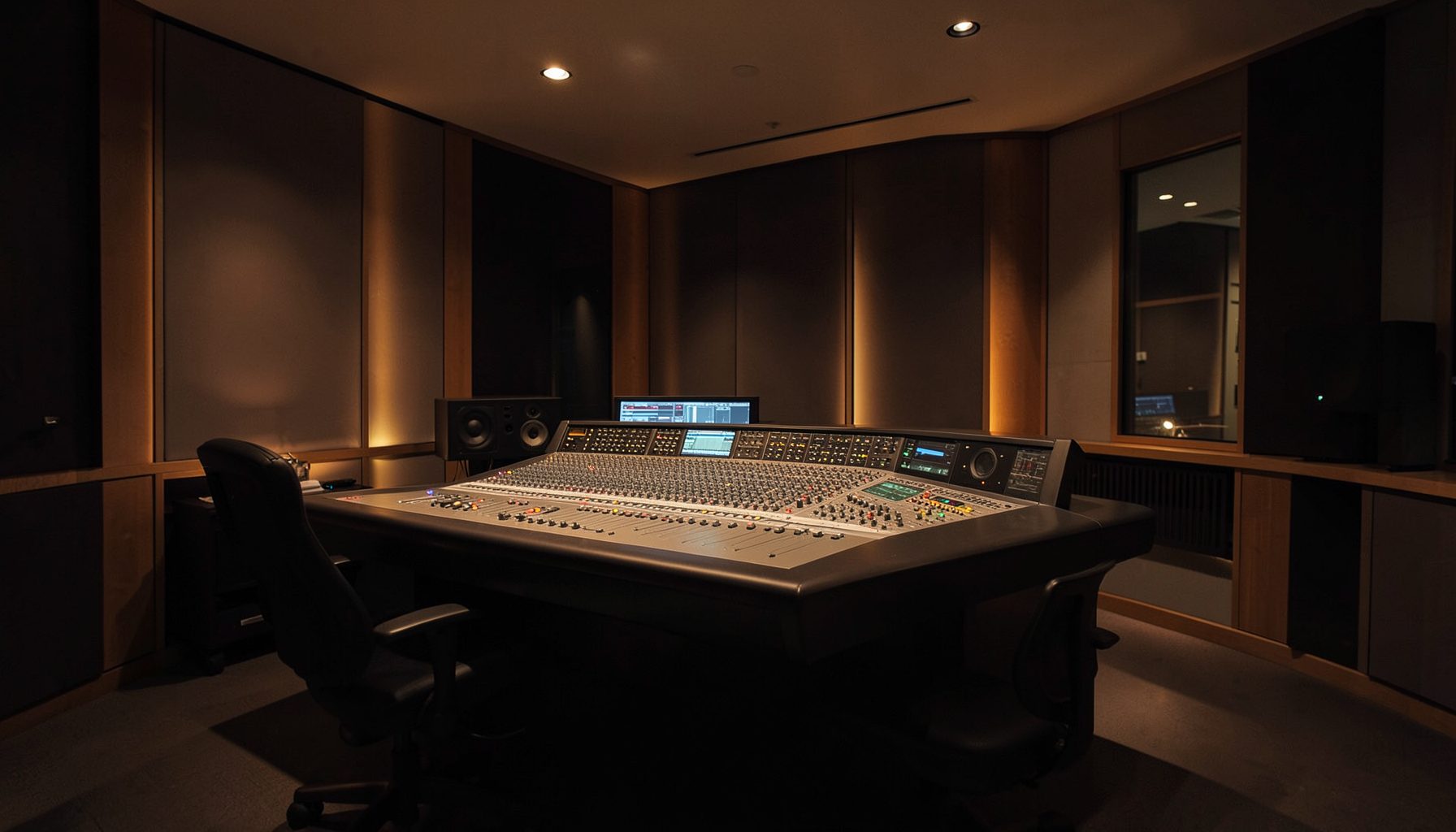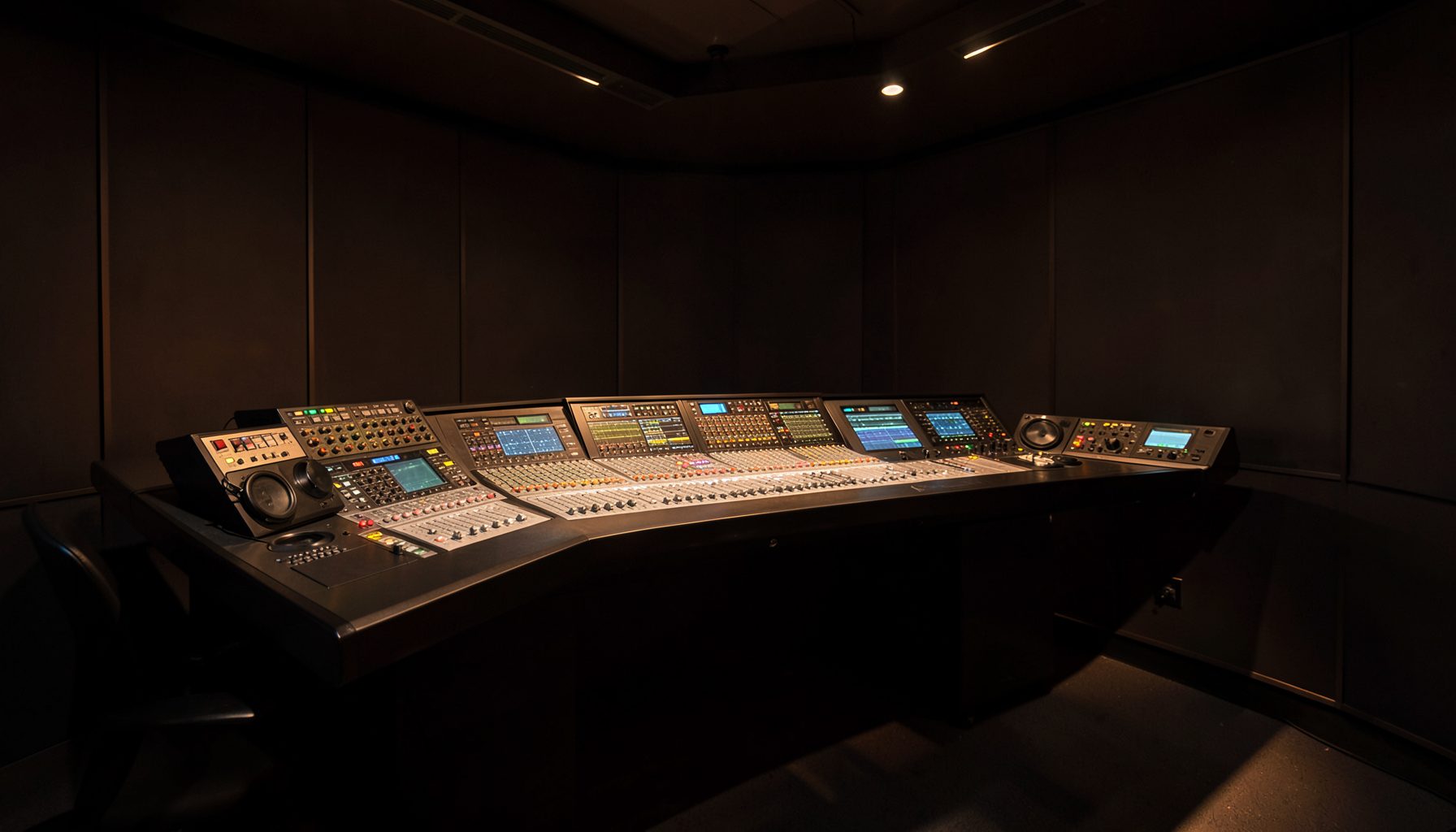
Redundant Power Core nodes for seamless studio failover
Live radio depends on continuity. A presenter may be crossing from a traffic update into a network bulletin, while playout, microphones, codecs and monitoring must remain available without an audible interruption. In that environment, a failed processing node is more than an IT incident; it can interrupt the station’s relationship with its audience.
Lawo’s Power Core architecture supports a networked approach to studio operations, combining audio processing, routing and interfaces in a compact, software-defined platform. Deploying paired or otherwise resilient nodes allows broadcasters to maintain a standby signal path and transfer essential services when the primary unit becomes unavailable.
This approach suits Australian broadcasters working across metropolitan studios in Sydney, Melbourne, Brisbane and Perth, as well as regional sites with fewer technical staff on hand. Long distances, limited access to specialist engineers and the need to keep local content on air make planned redundancy especially valuable.
A well-designed failover system is not simply a spare box waiting in a rack. It includes duplicated processing, resilient network paths, carefully assigned control functions, monitored power and rehearsed operating procedures. The result is a studio that can continue broadcasting while engineering staff investigate the underlying fault.
Why node redundancy matters in radio
A radio studio contains several connected services that must work together. Mixing surfaces, microphone inputs, telephone hybrids, codecs, playout systems, automation, streaming feeds and confidence monitoring all depend on predictable routing. If the central audio core fails, the console may still be powered while the programme path has effectively disappeared.
Redundant Power Core nodes provide an alternative processing location for those services. Depending on the system design, the standby node can mirror key configurations or retain the resources needed to restore the programme chain quickly. This reduces dependence on manual patching during a live shift, when a presenter cannot pause to diagnose a routing fault.
For Australian stations, continuity has practical significance during severe weather, emergency announcements and major local events. A studio serving bushfire-prone areas or cyclone-affected regions may need to remain operational when other infrastructure is under pressure. Resilient audio infrastructure helps keep warnings, local updates and network contributions moving.
Building a seamless failover path
The primary and standby nodes should be treated as a single operational system. Their processing resources, software versions, routing logic and control permissions need to align. A mismatch can turn a planned changeover into a secondary fault, particularly if a newly added source exists only on the active node.
Network design is equally important. Separate switches, diverse fibre routes and independent power circuits can prevent a single failure from taking out both processing paths. In larger facilities, redundant timing and audio-over-IP connectivity should be considered alongside the nodes themselves. A duplicated core connected through one vulnerable switch offers less protection than its equipment count suggests.
The Power Core platform is relevant to this model because it is designed for networked audio production, routing and control across broadcast environments. Its role in a resilient studio depends on the wider architecture: console integration, IP transport, interface availability, monitoring and the operational logic used to select the active path.
Comparing common resilience patterns
There is no single failover layout for every station. A metropolitan talk network may need broad service continuity across several studios, while a regional music station may prioritise a small number of essential sources and simple recovery procedures. The right design balances availability, complexity and the skills available locally.
| Resilience pattern | How it works | Strengths | Points to manage |
|---|---|---|---|
| Primary and standby nodes | A second node is ready to assume defined processing and routing duties | Clear architecture and fast recovery | Requires configuration synchronisation and health monitoring |
| Dual-active processing | Both nodes handle live services or separate programme areas | Resources can be used during normal operation | Changeover logic and fault isolation are more complex |
| Central node with local fallback | A main core serves the facility while a smaller path handles essential audio | Useful for regional or compact studios | Fallback capacity may be limited |
| Geographically separated nodes | Processing is divided between rooms or sites | Better protection from local equipment or room failures | Needs resilient WAN, timing and operational coordination |
A failover policy should specify what changes automatically and what remains under operator control. Automatic transfer can be appropriate for a proven programme path, but an engineer may prefer a controlled changeover when a fault is intermittent. Clear alarms should identify the failed component without flooding the presenter with technical messages.
Control, monitoring and daily operation
A resilient system is easier to trust when its status is visible. Engineers should be able to see node health, network connectivity, clock or timing status, active routes and alarm history from an appropriate monitoring point. Control software and console surfaces should make the active path unambiguous, especially during a busy breakfast programme.
Testing should form part of normal maintenance rather than being reserved for an annual shutdown. A controlled transfer can confirm that microphones, playout returns, remote guests, studio-to-studio links and transmission feeds behave as expected. Tests should be recorded, and any difference between the primary and standby paths should be corrected before it becomes an on-air problem.
Australian broadcasters also need to account for practical site conditions. A station in regional New South Wales may have a longer wait for replacement hardware than a Sydney facility, while a Perth operation may coordinate support across a wide time zone. Documented spares, remote access and clear escalation paths can therefore be as important as the node configuration.
Planning a resilient studio deployment
Start by identifying the services that must survive: the main programme bus, presenter microphones, automation, emergency sources, outside-broadcast returns and transmission output. Separate essential services from those that can be restored later. This keeps the standby design focused and avoids spending heavily on duplicating low-priority functions.
Next, map every dependency. Include network switches, power distribution, timing, control interfaces, codecs and monitoring. A redundant node cannot compensate for a shared power board or a single network link. Where possible, use diverse routes and label connections so a visiting engineer can understand the system quickly.
Finally, document the changeover process in language suitable for both operators and technical staff. Include alarm responses, manual fallback routes and post-failover checks. A station that can transfer audio cleanly but cannot determine whether the primary node is safe to return has only solved half the problem.
The essential principle is simple: seamless studio failover comes from coordinated redundancy, not duplicated hardware alone. When Power Core nodes, networks, control systems, power and procedures are designed as one resilient broadcast chain, Australian radio teams can protect live audio, local service and audience trust when equipment fails.