RƎLAY voice recording for phone-in segments
Pre-recorded phone-in segments give a station the immediacy of a caller without putting an unpredictable live conversation into the main transmission path. RƎLAY’s Voice Track Recording Mode treats the contribution as a discrete voice track, allowing the operator to guide the caller, monitor the recording and leave finished material ready for later editing or scheduled playout.
That distinction is valuable when the caller is a member of the public, a community organiser or a reporter working from home. A dedicated capture session reduces accidental programme audio, makes retakes easier to manage and preserves a clear boundary between the original voice and the station’s final mix.
The flexibility also suits Australian broadcasting, where programmes can draw on contributors in Sydney, Melbourne, Brisbane, Perth and regional areas. Local accents add character, while long distances, variable mobile coverage and widely separated production centres make tested remote workflows more important than assumptions about perfect connectivity.
A dedicated track for remote voices
In voice track recording, the remote contributor is not simply mixed into a live show. RƎLAY provides a controlled session around the caller’s microphone, with level checks and communication from the operator. The resulting voice remains separate from music, effects and other speech, giving the editor a clean starting point.
For a voice-only phone-in, this is particularly useful. The caller can deliver a name, answer questions or read a prepared statement without the station capturing the entire programme bus. If the caller stumbles, the operator can stop the take, offer direction and start again while preserving a recognisable path for that contributor’s audio.
Remote stations are often the weakest link in an outside broadcast, so an approved equipment list should cover the microphone, interface, headphones and connection. Relevant options from Cavendish Instruments can be considered as part of that preparation, while the RƎLAY session and the studio’s playback chain remain the controlling elements.
Australian voices and local production
Australian English should not be treated as a defect to be normalised away. Shortened vowels, a relatively clipped rhythm and soft consonants can sit differently under broadcast compression than an imported voice, yet they also establish authenticity. Editors should adjust processing only when a caller sounds genuinely indistinct, not merely different from the presenter.
The Australian market combines metropolitan stations in Sydney, Melbourne and Brisbane with state and regional services, public broadcasters, community outlets and commercial networks carrying local advertising. Callers may be small-business owners, volunteer organisers or council workers, often speaking from a café, community hall or busy office. Capturing the voice separately makes it easier to preserve the content while controlling that acoustic variety.
A recorded contribution also needs a clear editorial and privacy trail. Before recording, the producer should confirm the caller’s name, spelling, consent to broadcast, requested attribution and intended use. Those records should be retained under the station’s policy and relevant privacy obligations, particularly when personal details or sensitive local issues are discussed.
A robust studio signal path
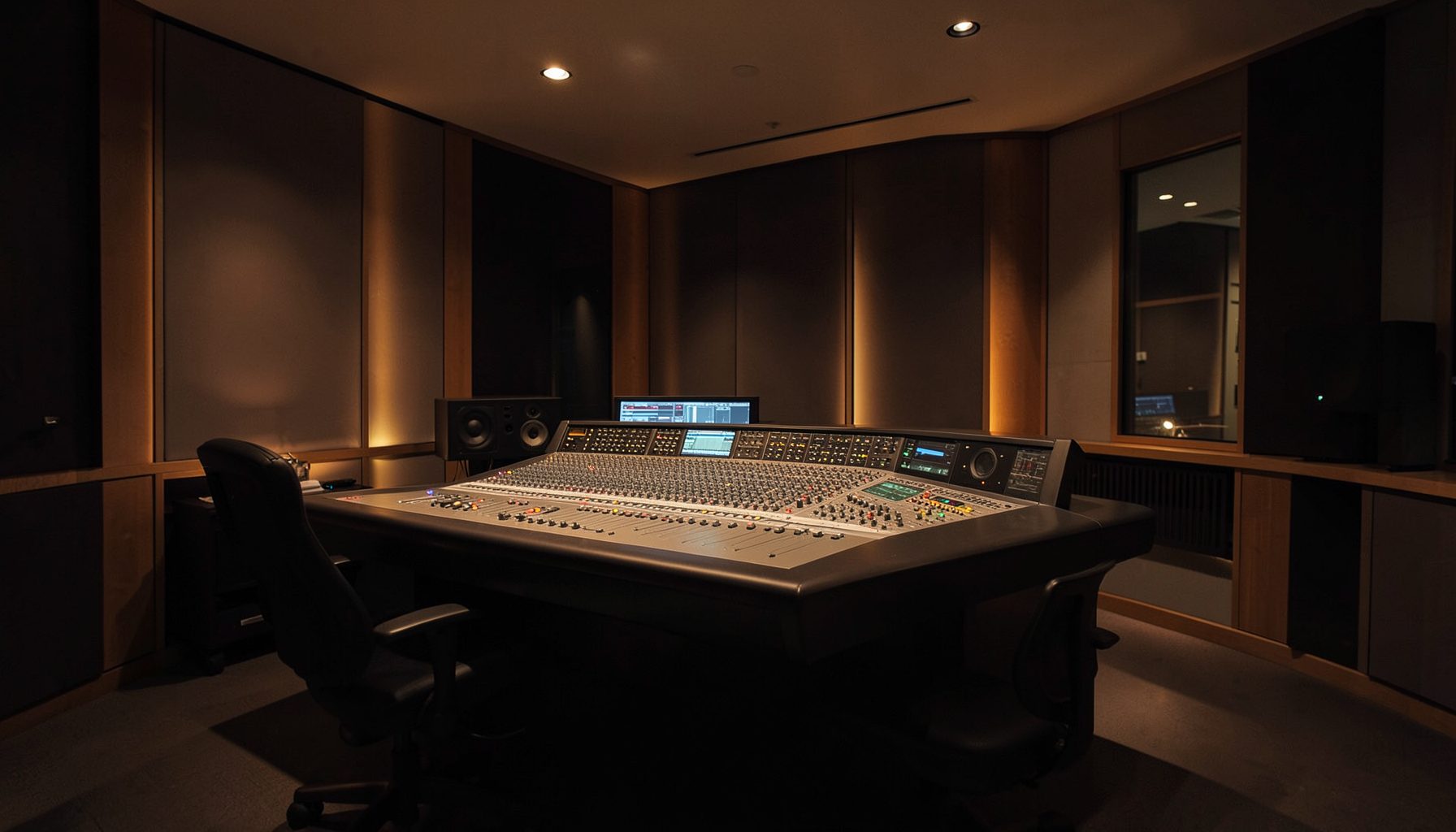
The remote session is only one part of the chain. At the studio, the voice must arrive with dependable level, clean reference monitoring and enough headroom for editing. Connection failures, mismatched formats and accidental clipping are easier to diagnose when the contributor feed, operator talkback and recording path are documented and tested separately.
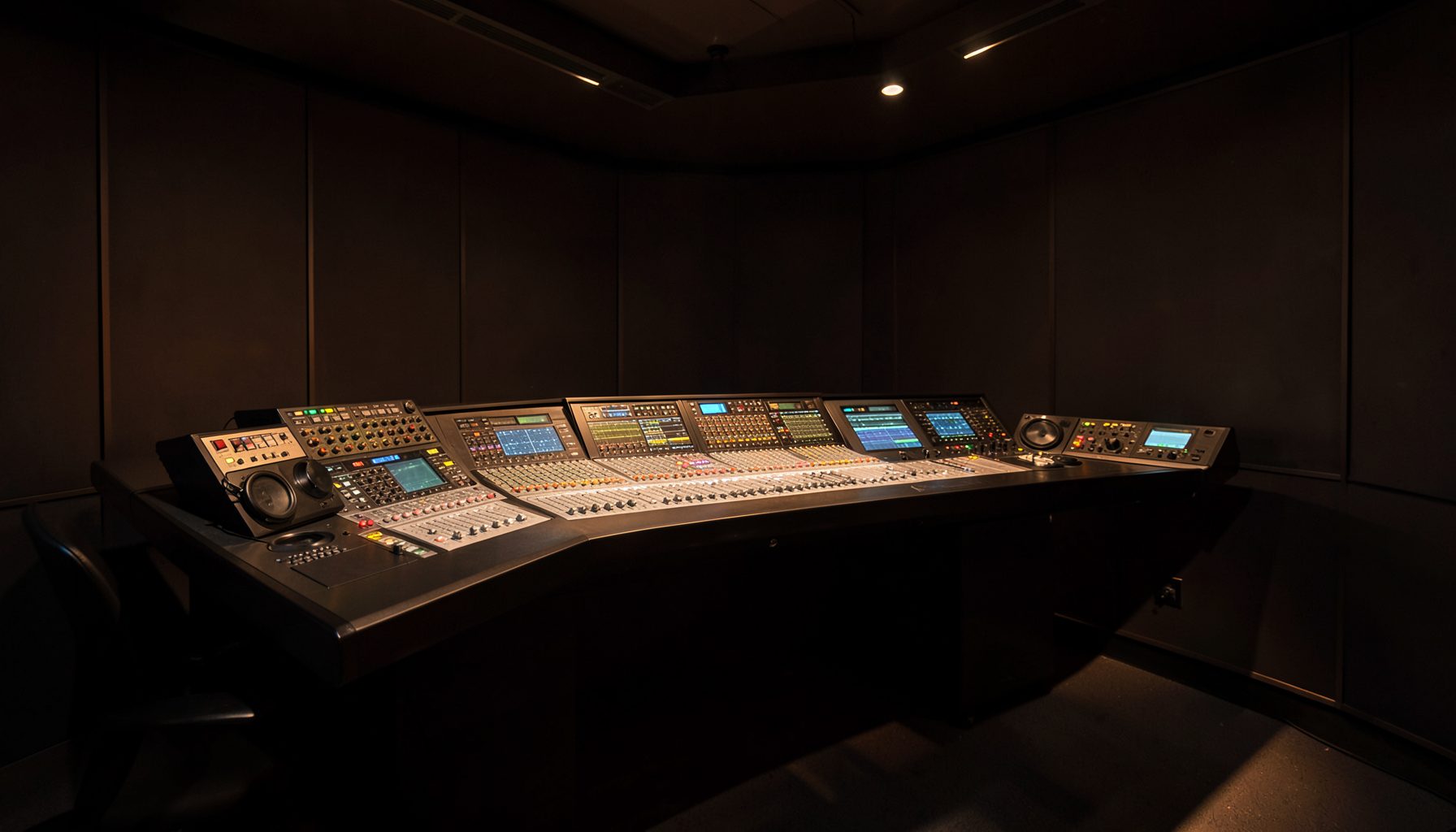
In a distributed installation, Power Core audio nodes can provide studio-side routing and processing around the RƎLAY session. This can connect the capture with a Ruby console, VisTool production environment or a file-based playout chain. The exact topology depends on the station, but the core principle remains: capture the caller cleanly and keep the voice distinct.
Testing should use the actual caller setup rather than a studio substitute. Check microphone choice, distance from the mouth, room noise, headphone level, gain staging and the behaviour of a deliberately quiet passage. Test with Australian accents and varied speaking levels, because a nominal setting that handles a measured announcer may still fail on an expressive community volunteer.
Directing a calm contributor session
The operator’s role is closer to a producer in a double-ended booth than to an announcer sharing a live microphone. Before the formal take, explain the subject, read the consent wording, ask the caller to find a quiet place and confirm how monitoring will sound. Plain coaching helps when the caller is nervous or unfamiliar with broadcast language.
Cue one piece at a time. State the expected length, mark where the name should be spoken and allow a short pause before recording. Contributors often shift between formal and conversational registers depending on whether they are addressing a national audience or a local neighbourhood. Allowing that shift usually produces a more credible segment than demanding a generic broadcast cadence.
Pre-recording also helps production absorb scheduling differences across Australia. A Darwin contributor can record outside a Brisbane morning slot, while a Perth voice can be captured around a Melbourne presenter’s afternoon read. Local sponsorship, public-service material or community announcements can then be assembled around the same isolated voice track.
Secure handoff into the broadcast workflow
Once approved, the track should enter the normal production chain rather than remain on a contributor’s device or in a personal messaging account. Use a defined folder or asset system, retain the source take, name it with programme, segment and version information, and log edits that affect meaning. Backup and access controls form part of editorial control because a clean recording has little value if the wrong version reaches playout.
Identity and consent should be verified before publication as well as before recording. Keep the recording reference with the script and distinguish a factual voice track from a voiced advertisement or listener comment. The same discipline of checking details before an irreversible action appears in a broader security lesson about crypto withdrawal risks. The fields are unrelated, but the operational habit transfers: confirm first, preserve the evidence and limit access.
A final dry run should place the segment in the actual playlist, check loudness against neighbouring items, confirm the spoken name and remove any unintended talkback or channel sound. The practical takeaway is to treat every phone-in as a small remote production: test the real caller setup, guide the take in plain Australian English, preserve the isolated voice track, and carry consent and version control through to playout.