RƎLAY Stereo Imaging For Mono-Compatible Radio Outputs
Radio audiences may hear a station through a car receiver, a DAB+ set, headphones, a smart speaker or a single kitchen speaker. Each playback system changes the apparent width and balance of a programme. A polished stereo mix can lose ambience, vocal weight or musical detail when it is collapsed to mono.
RƎLAY’s virtual radio tools provide a practical environment for managing that stereo field across playout, live presentation and contribution workflows. The aim is not to make every element as wide as possible. It is to create a controlled image that remains intelligible and stable when left and right channels are combined.
That distinction matters in Australia, where metropolitan FM and DAB+ services operate alongside regional broadcasters, outside broadcasts and online streams. A breakfast programme heard in Melbourne, a sports call from Brisbane or a community station serving a remote area may all reach listeners through very different receivers.
| Production approach | Stereo impression | Mono result | Suitable use |
|---|---|---|---|
| Narrow or centred mix | Focused and solid | Usually very stable | News, speech and talkback |
| Conventional stereo panning | Natural separation | Generally dependable | Music and general programming |
| Wide ambience with controlled centre | Spacious but anchored | Some ambience reduces | Live events and imaging |
| Aggressive phase widening | Very broad | Possible cancellation | Occasional creative effects only |
Why Mono Compatibility Matters
Mono compatibility describes how well a stereo signal survives a left-plus-right summation. When two channels contain similar material with a time or phase difference, some frequencies can cancel. The listener may experience a thinner voice, a disappearing backing vocal or a hollow music bed.
The issue is easy to miss when monitoring on nearfield speakers in a studio. It becomes more obvious on a single-speaker Bluetooth device, a mono public-address feed or an older car radio. Talk stations should be especially careful: a small loss in the centre image can make a presenter sound distant even when the level meter looks healthy.
How RƎLAY Shapes The Stereo Field
Stereo imaging work in RƎLAY should begin with the role of each source. A presenter microphone, phone hybrid, news insert or commercial voiceover normally benefits from a firm centre. Music can retain left-right movement, while beds, sweepers and effects can be widened selectively around that central anchor.
Useful controls and processing concepts include balance, pan position, stereo width, mid-side energy and phase correlation. Width should be treated as a variable rather than a permanent target. Reducing the side component can restore focus, while modest enhancement can give a live performance or station ident more space without putting the spoken word at risk.
This is where a networked, software-based workflow is valuable. RƎLAY can be considered alongside the wider Lawo ecosystem, where routing, processing and control are managed as connected resources rather than isolated hardware boxes.
Building A Reliable Signal Path
A sensible chain places corrective decisions before final distribution. Start with clean source gain, then address equalisation and dynamics, followed by stereo image control and final loudness management. If widening occurs before heavy compression, the compressor may react unpredictably to side energy and alter the apparent position of the programme.
Keep the centre channel informative. For music, that usually means vocals, kick, bass fundamentals and important speech remain sufficiently coherent. For a live outside broadcast, crowd microphones may sit wider while the commentator remains central. A rugby call from Sydney or an AFL broadcast from Melbourne can therefore feel open without allowing stadium ambience to compete with the commentary.
Stations should also document their routing assumptions. A playout output, studio monitor feed, streaming encoder and transmitter processor may each receive a different version of the signal. Clear labels for stereo programme, mono audition and confidence monitoring prevent a technically correct image from being altered accidentally downstream.
Monitoring Australian Delivery Paths
Australian broadcasters often serve mixed listening environments. Capital-city DAB+ audiences may use dedicated receivers, while regional listeners can rely on FM, streaming apps or in-car systems. Some listeners also consume radio through smart speakers that reproduce stereo inconsistently, particularly when placed against a wall or used at low volume.
Testing should therefore include stereo speakers, headphones, a single loudspeaker and a realistic car-radio simulation. Check spoken links, music transitions, station imaging and advertising separately. A voice that remains solid during a quiet studio segment may become masked when a dense commercial bed or cricket crowd effect enters.
For stations with remote contributors, network delay and codec processing deserve attention. A compressed guest feed may already have unstable phase relationships. Widening it further can make the voice less reliable after streaming conversion, so narrow, intelligible treatment is usually the safer choice.
Keeping Speech And Music Stable
A useful rule is to widen texture, not meaning. Reverbs, crowd beds, percussion and transitional effects can carry side information, while the words that identify the station or deliver the story should remain anchored. This approach supports loudness consistency because the listener does not need to chase a moving voice across the stereo field.
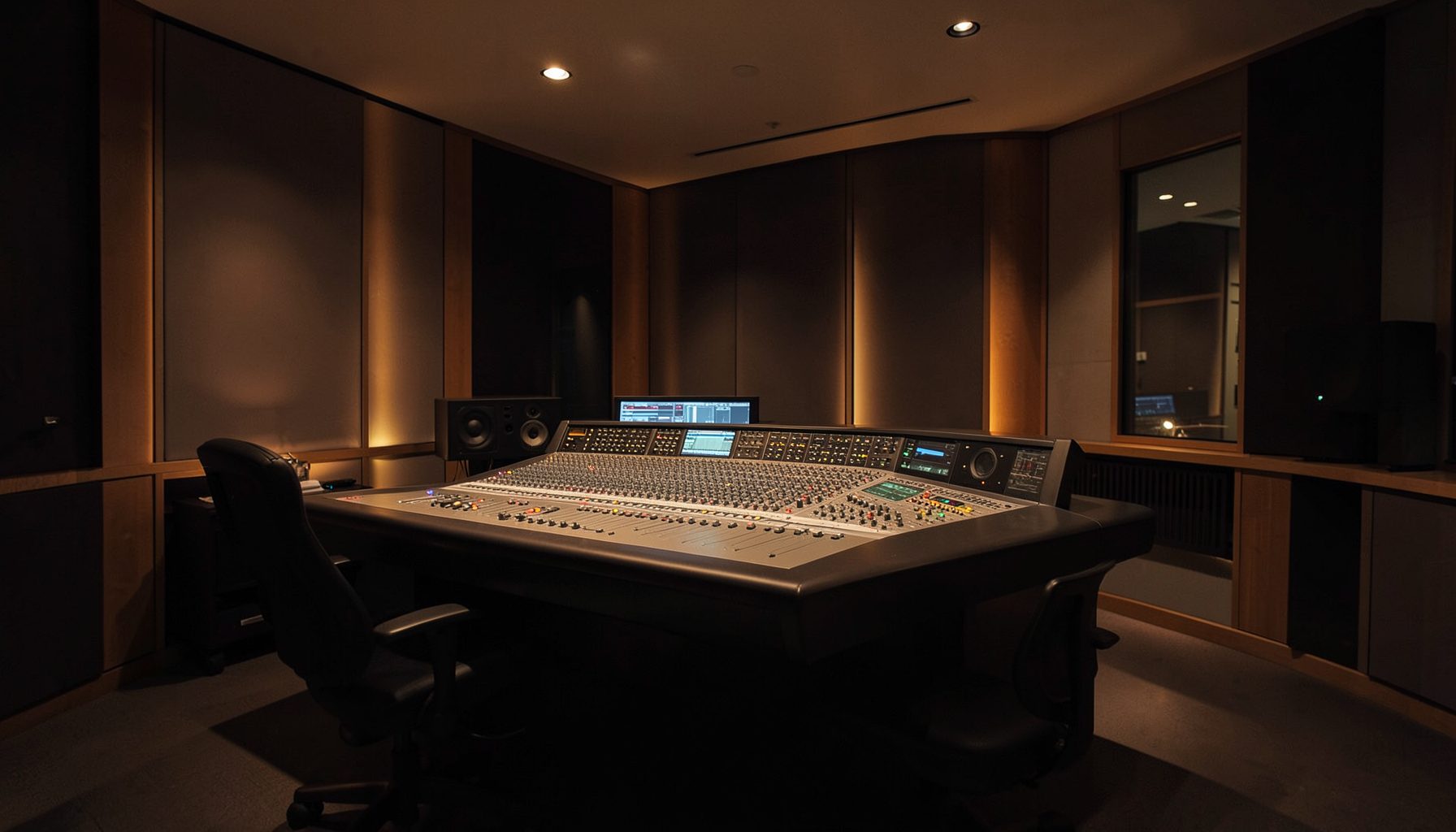
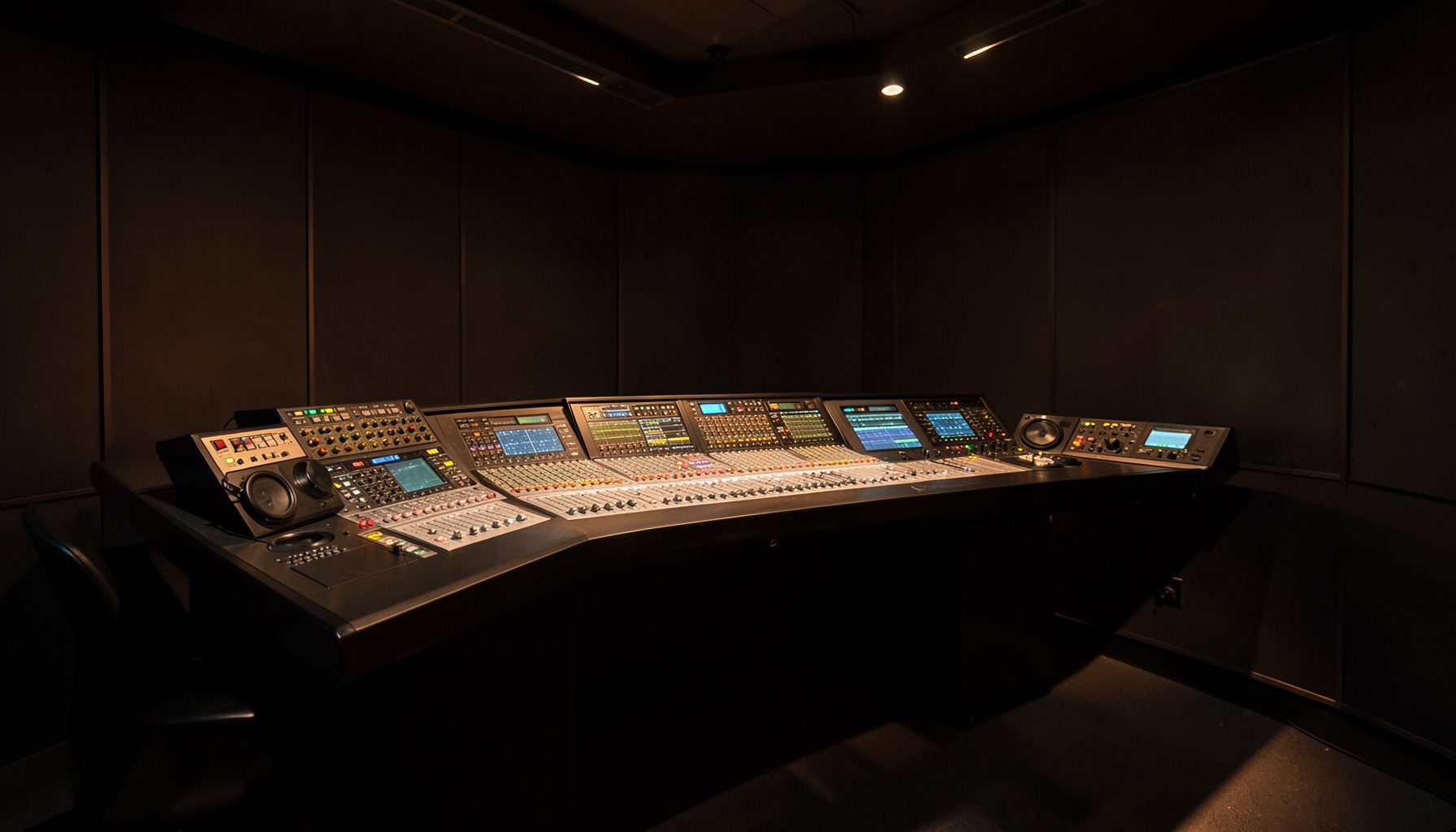
The Ruby mixing console can form part of a broader Lawo control environment when operators need a familiar surface for source selection, routing and live intervention. In practice, the console and virtual processing layer should share clear source naming and predictable monitoring states.
Editors should apply the same discipline to supporting documentation and online resources. A station knowledge base needs accurate product notes, version information and clean link context; unrelated material, such as a withdrawal guide, should remain separate from engineering instructions so operators can find relevant information quickly.
Checking The Output Before Air
Use a mono button or downmix monitor at every major production stage. Listen for changes in vocal presence, bass weight, sibilance and music balance. A correlation meter can reveal approaching phase problems, but it should support listening rather than replace it. Some creative material may show reduced correlation while remaining perfectly usable.
Build repeatable presets for common programme types: speech-led breakfast radio, music rotation, live sport, outside broadcast and station imaging. Keep the presets conservative, then make local adjustments for microphones, codecs and programme contributors. Store a reference recording so engineers can compare a new configuration with an approved sound.
The final check should cover the complete route to air, including any processor, encoder or distribution platform. For dependable Australian radio output, audition every important segment in stereo and mono, keep spoken content centred, use width selectively, and verify the result on a single-speaker system before it reaches listeners.