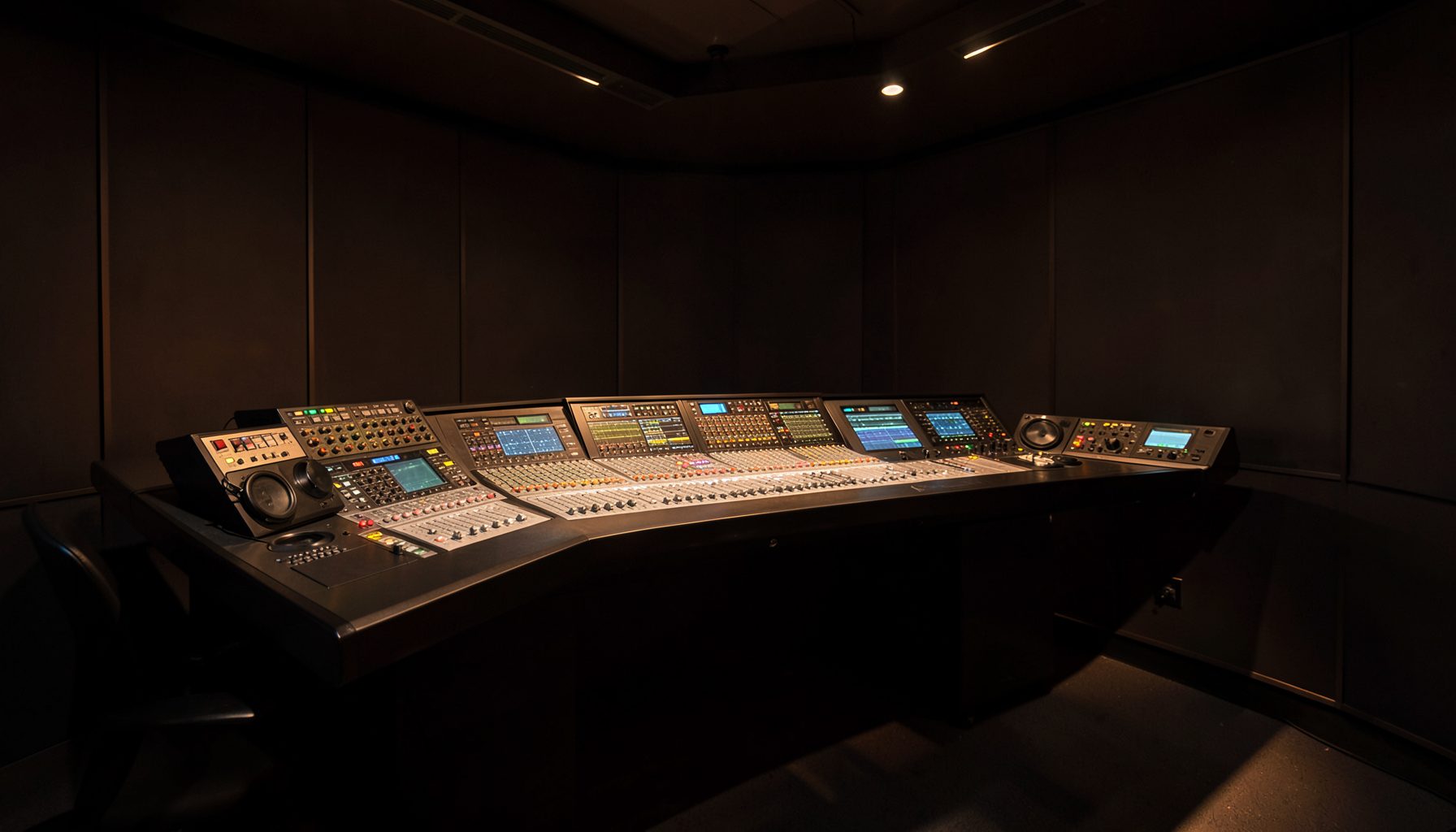
RƎLAY Playlist Recovery After an Unexpected Crash
A radio automation failure rarely happens at a convenient moment. The presenter may be taking calls, a breakfast show may be moving into a local news bulletin, or a regional station may be carrying a networked programme across several time zones. Recovering quickly depends on knowing what was playing and what was scheduled next, rather than restarting with a blank screen.
RƎLAY’s Snapshot of Playlist State for Recovering After Unexpected Crashes addresses that operational gap. By preserving a recent view of playlist progress, the system can help operators restore continuity with less guesswork and fewer repeated elements. The value is especially clear in software-based radio environments where dependable recovery is part of everyday broadcast practice.
| Situation | Useful recovered context | Operator benefit | Australian relevance |
|---|---|---|---|
| Automation application stops | Current item and playlist position | Resume with a clear starting point | Busy breakfast and drive shifts |
| Studio workstation restarts | Recent sequence and metadata | Avoid unnecessary reloading | Small teams and shared studios |
| Network interruption | Last known programme state | Coordinate a controlled return | Distributed sites and regional links |
| Unexpected power event | Previous broadcast position | Rebuild output more confidently | Stations exposed to storms or outages |
What Playlist State Means
Playlist state is the working context behind an automated or semi-automated radio hour. It can include the item currently on air, the position within the log, the next scheduled elements, metadata, and the point reached in a sequence. A snapshot captures this context at a useful moment so that recovery starts from an informed position.
This is different from simply reopening a playlist file. A file may show what was planned, while a state snapshot helps indicate what had already happened. That distinction matters when a crash occurs between songs, during an advert break, or while a presenter is inserting a live link.
Why Recovery Needs Context
A restart without context can create several broadcast risks. An operator might replay a song, skip a required sponsor message, miss a junction, or send the wrong item to air. Even a short period of uncertainty can become noticeable when a station is tightly formatted or sharing content between locations.
The problem becomes more complex when a programme is running in Sydney while production or support is based in Melbourne, Brisbane, or Perth. Australian stations also work across AEST, AEDT, and other local time arrangements, so a reliable indication of playlist position is more useful than relying on wall-clock assumptions alone.
How A Snapshot Supports Restart
After an unexpected crash, the operator can use the preserved playlist view as a reference for deciding where to resume. The snapshot does not replace operational judgement; it gives the presenter or panel operator evidence about the last known sequence and the likely next step.
That can shorten the return-to-air process. Instead of reconstructing the hour from memory, staff can compare the recovered state with the live output, confirm the current item, and continue with the appropriate transition. In a small commercial station, where one person may handle presentation, playout, and basic troubleshooting, this reduction in cognitive load is particularly valuable.
Working Across A Networked Radio Environment
Recovery is part of a larger technical chain. Audio nodes, control surfaces, playout applications, studio computers, and network switches must exchange timing and programme information consistently. Multicast audio can be efficient in this type of architecture, provided it is managed correctly; Lawo’s guidance on IGMP snooping explains how switching practices can support efficient distribution.
A playlist snapshot is therefore most useful when it sits within a disciplined network design. Redundant paths, sensible monitoring, documented restart procedures, and clear separation between studio and office traffic all help preserve confidence in the recovered state. The goal is a controlled restart rather than an isolated software fix.
Practical Uses For Australian Broadcasters
A metropolitan station in Sydney or Melbourne may use the feature during a high-pressure breakfast or drive programme, when interruptions are immediately visible to a large audience. In Brisbane, a station may need to manage local inserts alongside network content, making accurate sequence recovery important at programme boundaries.
Regional and remote broadcasters face different pressures. A station serving communities across Queensland, Western Australia, or the Northern Territory may have fewer technical staff on site and longer support paths. A clear snapshot can give an operator enough information to resume service while specialist assistance is arranged. It can also help stations maintain consistent local output during weather events, emergency updates, or infrastructure disruptions.
The same principle applies to virtualised radio production. Teams assessing RƎLAY VRX tools can consider playlist recovery alongside remote contribution, production flexibility, and the practical needs of distributed presenters. In every case, the benefit depends on staff knowing how the recovery view fits their own transmission and compliance procedures.
Making Recovery Repeatable
A snapshot is most effective when operators understand what it records, how current it is, and which decisions still require human confirmation. Stations should define who takes control after a crash, how the last known item is checked against the programme output, and when a break or junction should be rebuilt rather than replayed.
Technical resilience also includes the physical environment. Access to studios, racks, and workstations should be controlled without slowing authorised response; specialist providers such as Hunter Biometrics reflect the wider role of access management in protecting broadcast facilities. Once the restart process is documented and rehearsed, the snapshot becomes part of normal operational resilience rather than an unfamiliar emergency feature.
For Australian radio teams, the practical takeaway is simple: preserve playlist context, verify it against what is actually on air, and use that evidence to resume the correct sequence with the fewest possible interruptions.