RƎLAY Reverb And Effects Racks For Live Radio Drama
Live radio drama depends on suggestion. A dry voice, a carefully timed footstep and a short burst of room ambience can place listeners inside a railway carriage, a suburban kitchen or a storm-battered vessel. RƎLAY’s virtual radio tools give producers a practical way to shape those details while performers and presenters work in real time.
For Australian broadcasters, the workflow is especially useful when a production connects talent across Sydney, Melbourne, Brisbane or Perth. Networked audio, software-based processing and saved effect scenes can reduce the need for a large physical studio, while still giving the director precise control over pace, perspective and atmosphere.
Building A Sound World In Real Time
Radio drama effects must support the story without obscuring dialogue. A small room reverb can make two actors feel as if they share a space, while a longer, darker tail can suggest a church, tunnel or empty warehouse. The most convincing result usually comes from subtle changes rather than a constant wash of processing.
RƎLAY allows a production team to treat these treatments as part of the live show rather than as a separate post-production task. A director or operator can prepare different rack settings for locations, then recall them as the script moves from a tram platform to an interior scene. This keeps transitions repeatable and helps the cast respond to the same sonic environment throughout a performance.
Routing Voices And Foley
A live drama mix often contains microphones for several actors, a narrator, foley surfaces, music beds and remote guests. Each source needs a clear route, with enough separation to adjust speech, ambience and effects independently. A voice may require a short room simulation, while a foley microphone could be sent to a more reflective space.
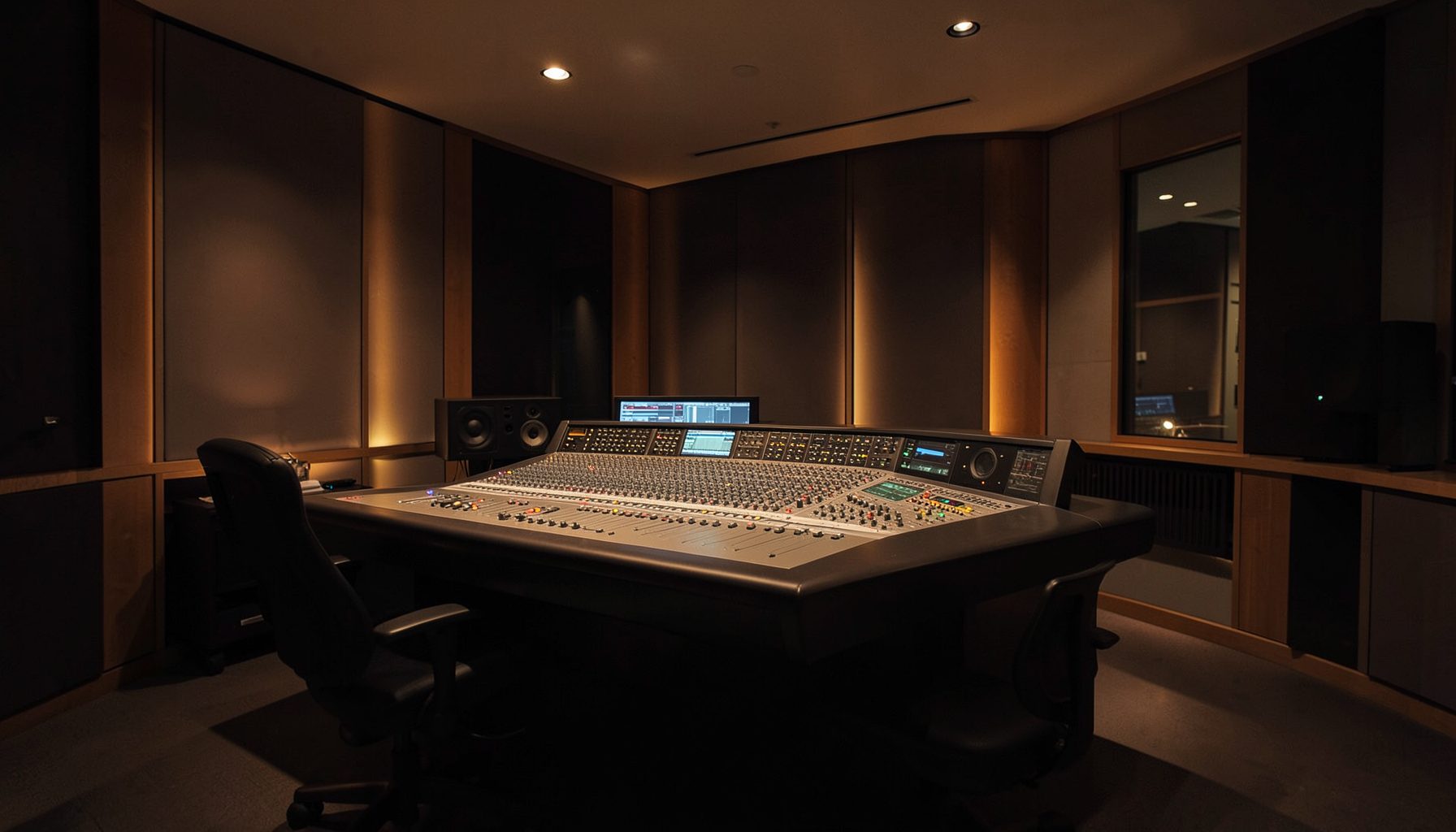
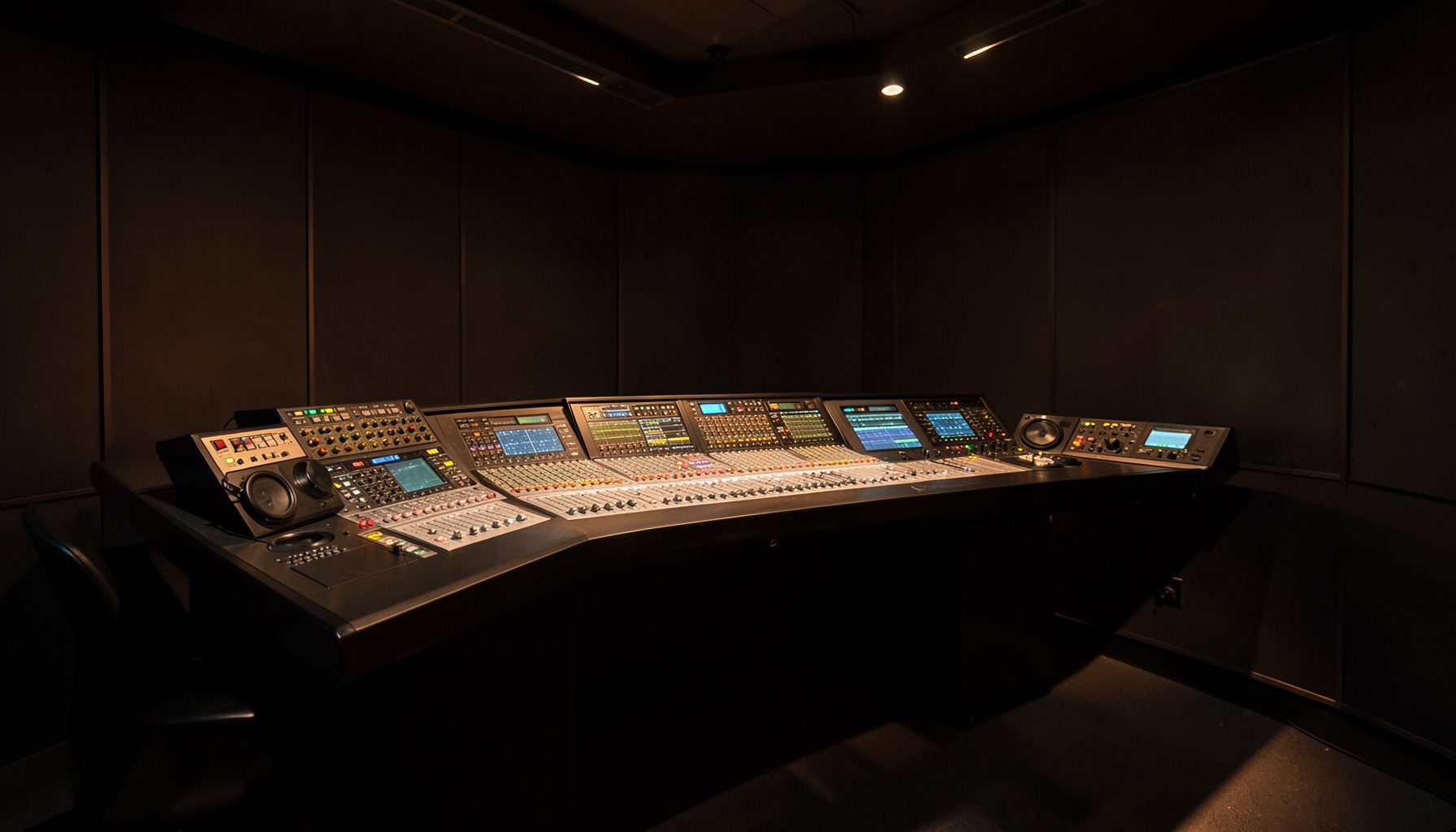
That routing becomes easier when processing is handled in a networked audio environment. Lawo’s Power Core audio nodes can form part of a flexible signal path, allowing inputs, mixes and processing resources to be arranged around the production rather than tied to one fixed console position. This suits studios that need to move between radio, podcast recording and live performance formats.
Designing Reverb For Speech
Speech intelligibility is the first priority. Reverb settings for dialogue should preserve consonants and leave enough space between phrases for listeners to follow the plot, especially when the programme is received through small speakers, headphones or a car radio. Short decay times, restrained high-frequency content and careful pre-delay can create space without making voices sound distant.
Different characters may need different treatments. A narrator can remain relatively dry and stable, acting as an anchor for the audience. A telephone voice might use filtering and a narrow image, while a memory sequence could introduce a wider, softer ambience. These contrasts help listeners understand a change of place or time without requiring an announcer to explain it.
Creating Effects Rack Scenes
An effects rack is most useful when it turns several processing decisions into one manageable scene. A “rainy street” preset might combine a voice reverb send, filtered background noise, a low-level delay and a gentle reduction in music. A “studio flashback” scene could use a brighter early reflection pattern and less low-end ambience.
Operators should label scenes according to the script rather than technical parameters. “Act Two: Hospital Corridor” is easier to locate under pressure than “Plate B, 1.8 Seconds.” Leave headroom in every preset, since actors may move closer to microphones and sound effects can become denser during an emotional peak. Scene recalls should also be tested with the actual voices and headphones used for transmission.
Managing Performance And Timing
Live radio drama has the timing discipline of theatre. A sound cue may need to land under a line, fade immediately after a reaction or change in the gap between two scenes. RƎLAY’s rack-based approach can support this style when the control surface, software interface and cue sheet use matching names and conventions.
Australian productions may involve a presenter in Melbourne, a guest in Sydney and a specialist foley performer working from a smaller regional studio. Network delay and inconsistent monitoring can affect cue confidence, so operators should keep critical voice paths simple and avoid excessive effect latency. A clean talkback arrangement, pre-agreed cue words and rehearsed fallback routes are as important as the reverb algorithm itself.
Balancing Broadcast Needs
A sound that feels impressive in a control room may become muddy after broadcast processing or mobile playback. Check the drama in mono, on headphones and through modest nearfield speakers. Listen for masked consonants, excessive low-frequency rumble and reverb tails that compete with the next line.
The following comparison can help teams decide how much processing to use for common radio drama moments:
| Production moment | Reverb approach | Supporting effects | Main risk |
|---|---|---|---|
| Intimate kitchen scene | Short, quiet room ambience | Light Foley and natural room tone | Dialogue becoming too dry |
| Large public hall | Longer decay with controlled brightness | Distant crowd or movement | Reduced intelligibility |
| Telephone conversation | Very limited ambience | Band-limiting and subtle distortion | Voice sounding artificial |
| Dream or memory sequence | Softer, wider reverb | Delay, filtered music or reversed texture | Losing narrative focus |
| Outdoor night scene | Minimal voice reverb | Wind, insects and distant traffic | Noise masking consonants |
For stations serving broad regional audiences, dependable translation matters more than dramatic excess. Community broadcasters in Adelaide or Hobart may have different studio resources from a metropolitan network, yet both benefit from presets that can be monitored quickly and adjusted without rebuilding the entire mix.
Turning Scenes Into A Repeatable Workflow
A strong RƎLAY setup begins with a cue map. List every location, identify which microphones feed each scene and decide which effects should be continuous, momentary or manually faded. Keep core dialogue routes separate from decorative effects so that an operator can remove ambience instantly if the story becomes difficult to follow.
Finish by rehearsing the busiest sequence under transmission-like conditions. Check scene recall, talkback, remote feeds, headphone monitoring and the final stereo or mono output. Then save the approved rack settings with the production session and place the cue map beside the operator’s control surface. The next practical step is to build and test one complete scene preset, such as a station platform at night, before expanding the rack for the full drama.