RƎLAY Joins Broadcast Playout for Seamless Cueing and Fades
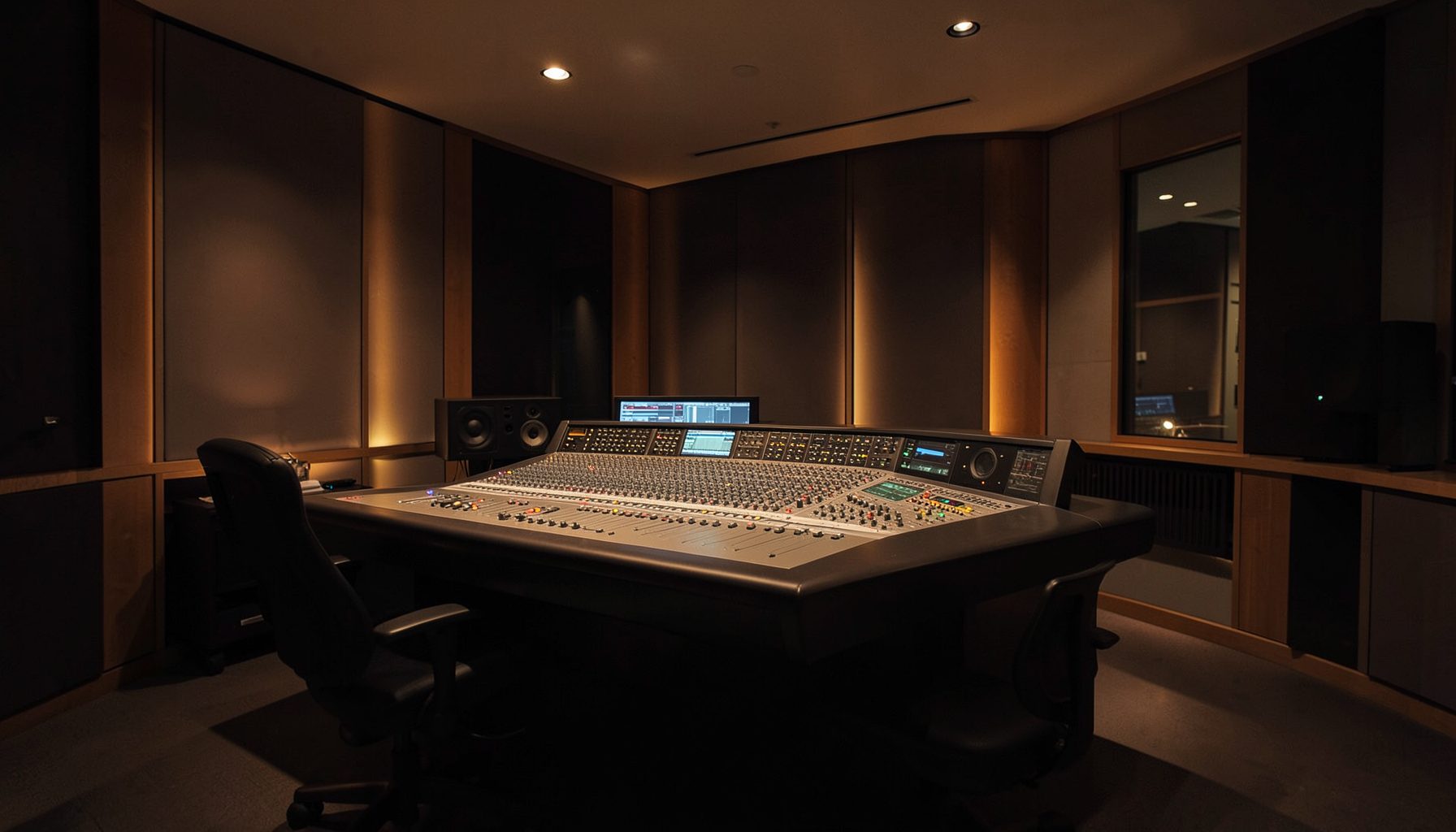
Cue sheets, log entries, and faders used to live in separate boxes at a radio station. An operator at the console pushed buttons while a programmer in another room fired the next item. RƎLAY folds that picture together by binding the virtual mixing surface directly to the broadcast playout engine, so one timeline drives the audio mix and the on-air content.
In Australia, that is a real edge. ARN's KIIS and smoothfm stations in Sydney and Melbourne lean on small crews to run breakfast and drive, and the ABC's regional network stretches from Cairns to Albany on tight rosters. Managing a wait-on-the-cross or a hard-by-the-time jingle around AFL or Boxing Day Test commentary is calmer when cue and fader share a clock.
Where RƎLAY Sits Alongside the Playout Engine
In a software-based radio workflow, the playout system holds the log, the music, the commercials, and the time markers. The mixer layer adds EQ, compression, voice processing, and personality overrides. RƎLAY connects the two, so the same automation command that loads a song at 08:14:30 also tells the mixer when to fade up the host mic and how long that fade should last.
A side-by-side look at how a traditional hardware chain compares with a RƎLAY-equipped playout rig shows why the difference is felt at the desk.
| Function | Legacy Hardware Chain | RƎLAY + Playout Integration |
|---|---|---|
| Cue point | Operator eyes the log and presses a button | Log entry fires a mixer trigger on the same clock |
| Fade length | Pre-set on the console hardware | Scripted per item, editable mid-show |
| Talkback to caller | Separate PFL bus and routing | Routed inside the same software mixer |
| Event logging | Often manual or off-board | Time-stamped and recoverable from the playout log |
| Remote control | Limited to physical panels | Configurable from any networked RƎLAY client |
The table shows what changes once the playout engine and mixer share one protocol. In a busy metro room, that lets the jock rerun a faded intro without calling the producer. In a regional cluster like ARN's Hobart-to-Launceston run, the same feature lets one operator cover several stations when breaking news hits.
Cueing Behaviour When the Clock Matters
A pre-fade listen in a talk-heavy format like ABC Radio Melbourne's morning show needs to behave differently from a hot-key crossfade in a music-leaning station such as Triple M Adelaide. RƎLAY's mapping layer lets a station define cue events that match its format: a four-bar pre-roll on a song, a talkback ramp for a caller, an emergency feed bump for the Bureau of Meteorology warning that just landed on the wire.
Because the cues ride on the playout clock, missed events no longer leave a jock wrestling a fader while the next item is already airborne. The operator can override, hold, or stretch a cue from the same on-screen fader, and the change is recorded in the log for the next break.
Fade Profiles for Talk, Music, and Live Sport
A linear fade that suits a ballad at 6pm does not suit a stinger at the top of an NRL call. RƎLAY allows the playout system to attach a profile to each log item, so a sport read can carry a half-second duck-and-pump while a voiced sponsorship message inherits a slower three-second ramp.
Engineers in Sydney and Brisbane have used profile tagging to handle long sponsorship reads that overlap network promo bumpers, and to keep AFL coverage clean when the venue PA bleeds into the commentary. The profile lives with the log entry, so the next jock stepping into the shift inherits the right behaviour without a setup screen.
AES67, ST 2110, and the Australian Network Reality
RƎLAY runs in a software shell that speaks AES67 and SMPTE ST 2110, the two protocols dominating new-build Australian facilities and being retrofit into established networks. Audio, timecode, and control share one managed network, so the playout engine can deliver a deep fade or a one-frame hit without the drift that shows up when a mix bus and the log server run on different timers.
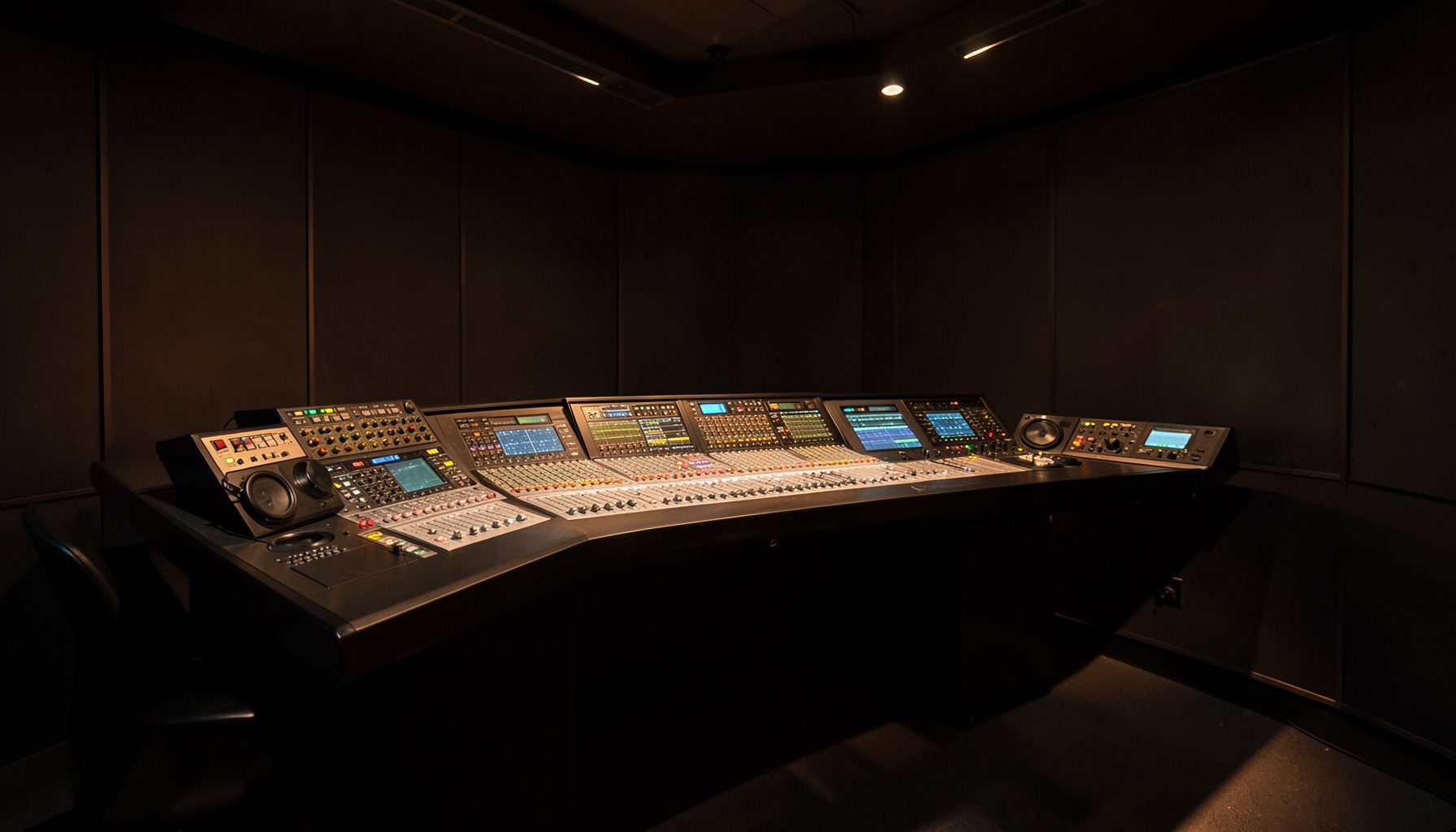
For stations still on legacy MADI or analogue copper, the VRX hardware panel bridges into the RƎLAY environment, keeping older studios on a unified timeline while the rest of the station migrates.
Regional Stations and the Wide Brown Land Challenge
A regional cluster - one hub feeding Wagga Wagga, Albury, and Griffith - cannot afford a dedicated operator per station. The cue map has to land a music scheduling hand-off cleanly when a remote jock steps in mid-block.
RƎLAY makes that possible. A regional breakfast show in Tamworth during Country Music Festival week, or a Saturday sports panel in Cairns, can pivot between studio and remote sources without resetting cues. Operators in Perth report the same config file works across drive-time shifts and the late-night automated run, because the playout drives the fades.
Hybrid Workflows, Sports Reads, and Second Screens
Australian commercial radio leans on real-time odds reads, sponsorship bumpers, and second-screen content during big sporting moments. The same engine can drive bingo-style prize overlays that listeners tap into on their phones while the broadcast rolls.
When the playout engine owns the timing of those overlays, RƎLAY can duck a music bed, fire a caller in, and recover without a producer juggling three screens. The mix stays clean through a TAB-sponsored cross or a play-by-play call from the SCG, and the digital layer keeps lockstep with the on-air signal.
Practical Steps for an Engineer Planning the Cutover
Start by mapping existing log events against the fader moves the current console makes manually. Most chief engineers in Adelaide and Brisbane find around 70% of those moves fall into a small set of repeatable cues: open mic, close mic, dip for caller, ramp from music. Those four map cleanly onto RƎLAY triggers with no loss of feel.
Build the fade profile library next, then stage playout integration on a non-on-air stream for at least a fortnight. Once timing holds across a week of weather warnings, AFL calls, and sponsored breaks, flip a single drive-time shift as a pilot. Keep the hardware surface as a fallback for the first month so jocks have a familiar escape route.
A station that wires RƎLAY into its playout gets fades and cues that arrive at the same instant, from a regional hub near the Tanami to a flagship desk in Sydney. The operator stops fighting the rig and starts running the show.