RƎLAY automatic backup playlists for recent tracks
RƎLAY can create a backup playlist from tracks that have recently played, giving radio stations a prepared fallback when the main playout process is interrupted. It moves preparation ahead of the fault, building a current list from playback history rather than asking a producer to assemble emergency material under pressure.
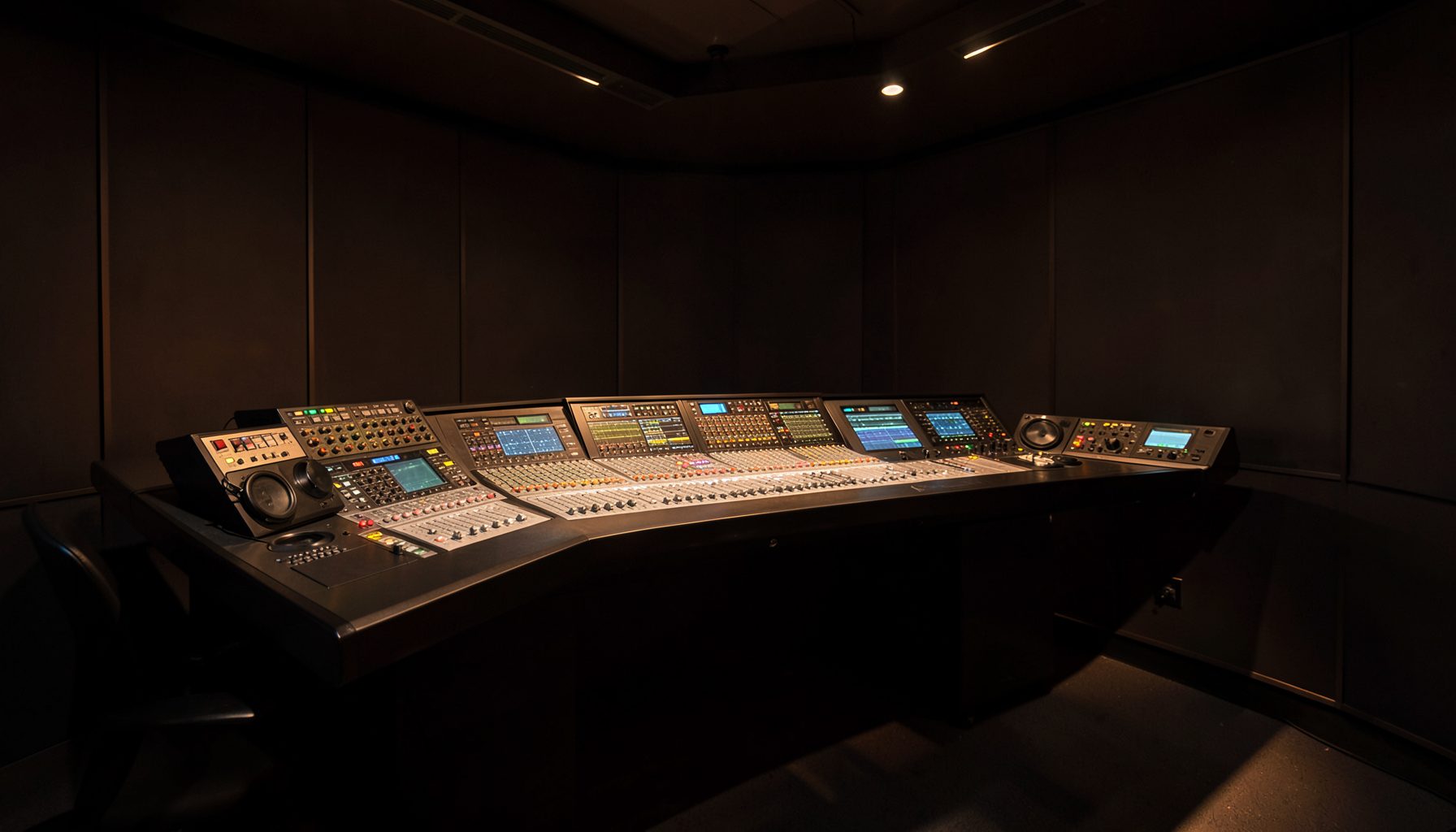
This is focused redundancy at the playlist level. It supports continuity but cannot replace resilient audio routing, power, storage and network design. In an installation built around Ruby consoles, Power Core nodes, VisTool studio software and networked playout, the distinction helps engineers place each layer of resilience correctly.
A current fallback for live radio
A standby playlist is only useful when it matches the station’s current music policy and program. Tracks may be rotated out, moved or replaced after a network update, leaving an old emergency list with unsuitable material. Using recent playback as the source helps RƎLAY prepare a fallback that reflects music already in circulation.
Within the Lawo Broadcast 3.0 ecosystem, RƎLAY complements systems that control, route and monitor broadcast audio. Playlist redundancy supplies playable content, while consoles, nodes and studio software preserve the signal path and operational control. The practical result is a verified alternative when the primary playout process needs to step aside.
How recent playback shapes the playlist
Recent history gives RƎLAY tighter context than a broad music library. It identifies what has just aired and, when linked to the station’s rotation, the material suited to the current show. The generated backup can therefore offer a coherent continuation rather than a random collection of files, which is valuable where regular music changes throughout the day.
The station still defines the boundaries. Genre rules, approved tracks and the amount of material should be configured before the generated list is trusted. Creation should also be separated from activation: preparing a fallback does not define when it takes over, who may intervene or how traffic returns to the primary system. Those rules belong in the station’s switching and recovery procedure.
Australian operating conditions
Australia’s schedules often combine national network programs with local material. A commercial station in Brisbane might carry a network breakfast show before inserting local news, community announcements and sponsor reads, while a station in Adelaide or Perth follows a different local pattern. A generic standby list can miss that structure; current backup material gives the playout system a more credible starting point.
Distance adds complexity. The mainland spans UTC+8 to UTC+10, and daylight saving affects working relationships between capital-city hubs and regional stations in several eastern and southern areas. Staff coordinating across states need to know whether a backup was refreshed, which show it reflects and whether it was created before or after a schedule update.
The market combines concentrated commercial networks, ABC and SBS radio, and independent community and regional broadcasters. Metropolitan operations may centralise monitoring, while volunteer-led community stations often value workflows that reduce late-night manual work. Australian teams also use direct language such as keeping the station on air, a clean handover and sorting the music side; automatic preparation speaks to those practical outcomes in familiar terms.
Testing the recovery path
A generated backup should be treated as a live operational resource, not a file created once and forgotten. A concise playlist continuity check can sit in shift handover notes, covering the backup path, recent-track source, approved rules and manual overrides. It should be repeated at program changes, especially after a network music update.
Testing should reproduce realistic interruptions. Producers need to know what appears when the primary playout path stops, how long the transition takes, where status is displayed and who may intervene. The signal route must be tested separately because a valid playlist cannot compensate for a failed network switch, node or power supply.
Logs should record when the fallback was built, which recent tracks informed it and whether it was used in a drill or live event. That evidence separates playlist problems from hardware or routing faults and supports a quick, informed response rather than extended guesswork.
Making the operational choice
The practical differences are clear:
| Backup approach | How material is selected | Operational effect | Main strength | Main limitation |
|---|---|---|---|---|
| Fixed standby list | Hand-picked and maintained by staff | Depends on separate switching rules | Simple and predictable | Can become stale or repetitive |
| RƎLAY automatic playlist | Generated from recently played tracks | Provides a current fallback before an interruption | Low manual effort and closer to the live show | Depends on correct rules, metadata and testing |
| Emergency list assembled on demand | Chosen during or immediately before an incident | Waits for staff availability and selection | Highly flexible | Slowest and most stressful under pressure |
For network and regional operations, the strongest case is a schedule that changes frequently and staff who cannot always assemble an emergency playlist quickly. Smaller stations can benefit too, provided the rules remain simple and the fallback is tested regularly.
The point to remember is that recently played tracks can become an immediate continuity asset. RƎLAY turns playback history into a prepared alternative for the main playout process, reducing manual work when Australian radio teams need to keep the station on air.